
 IN
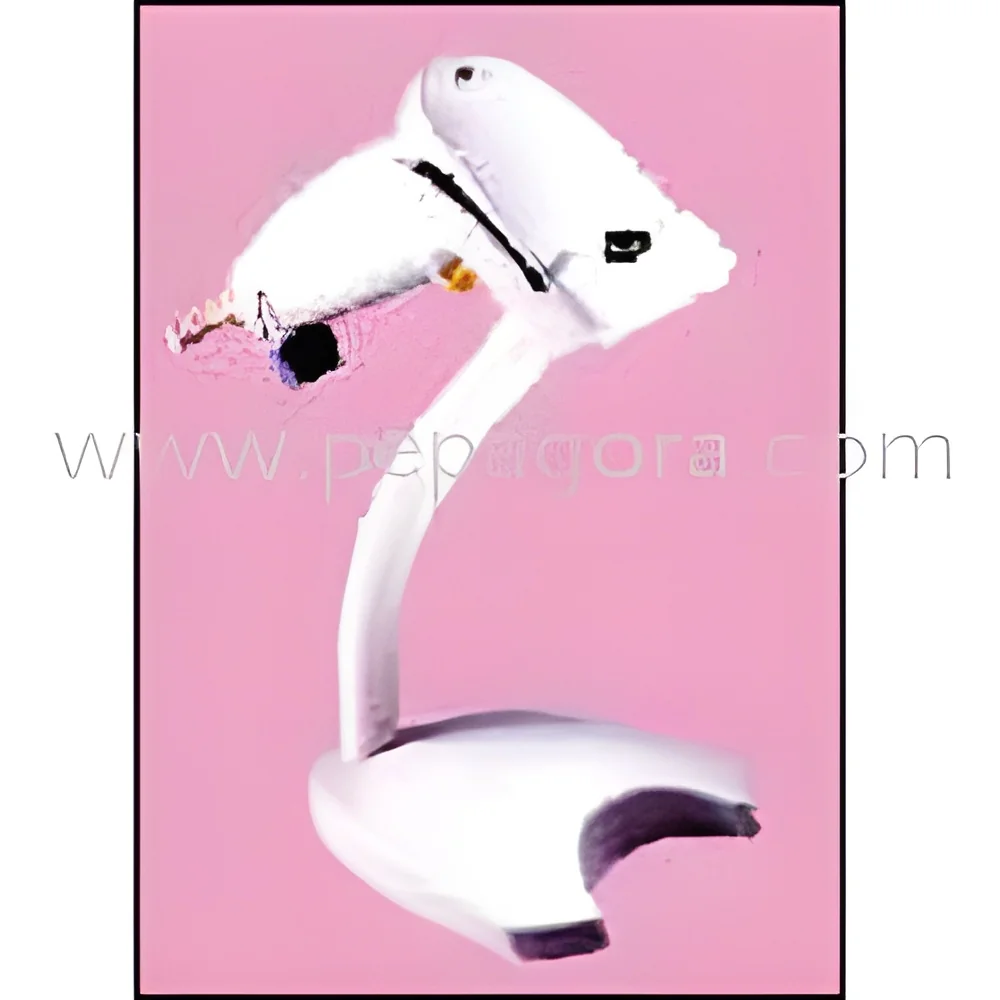
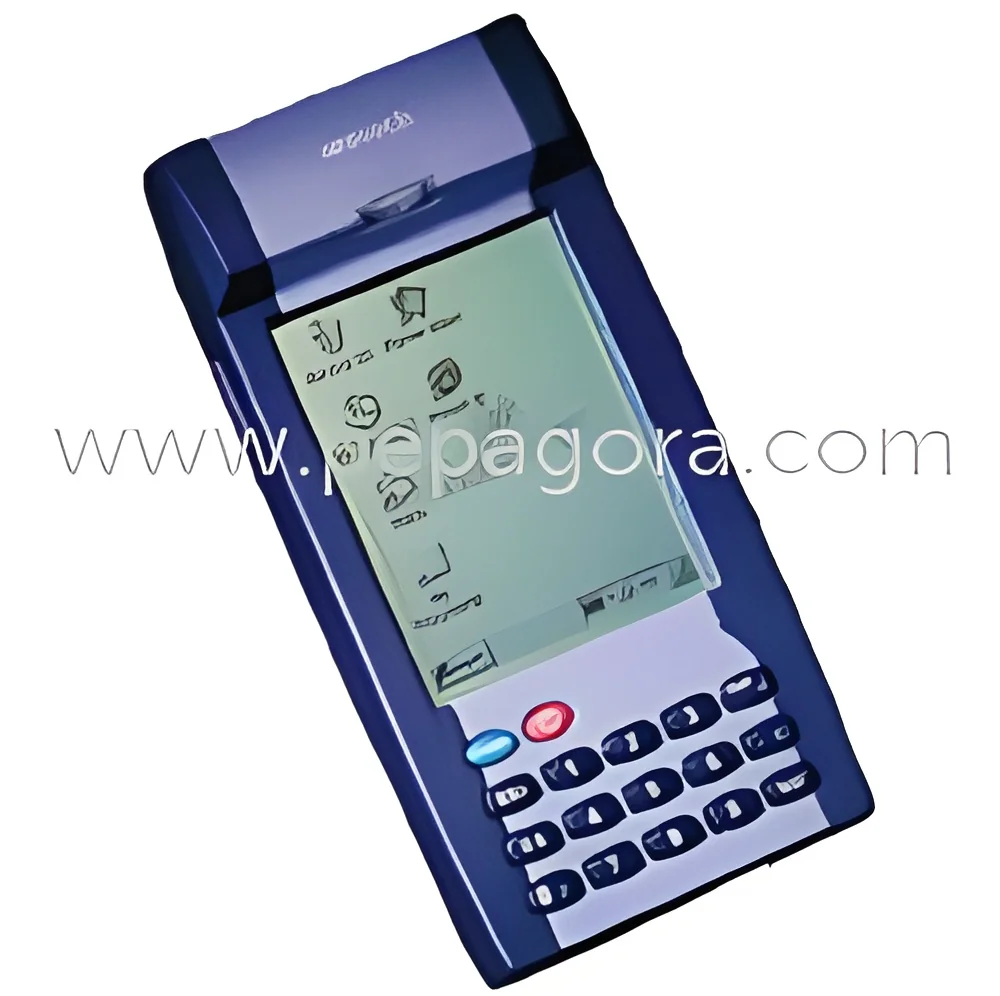
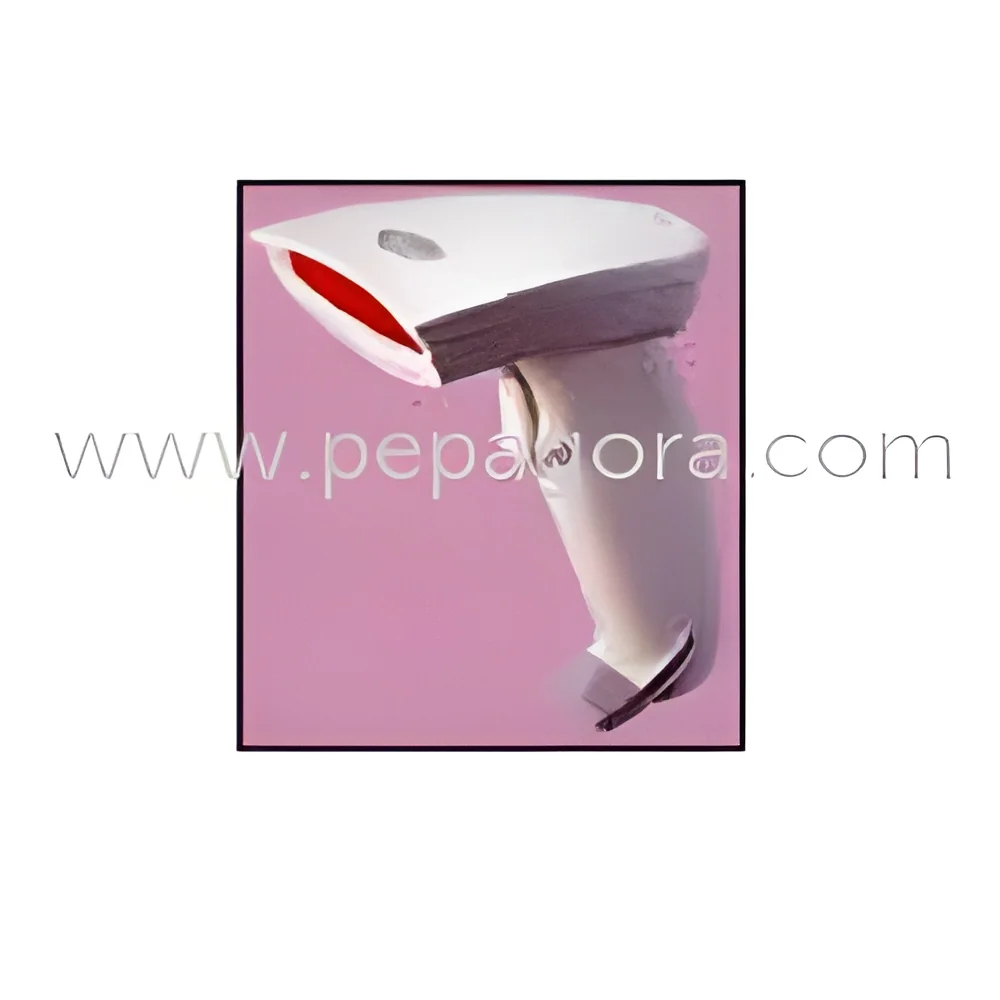
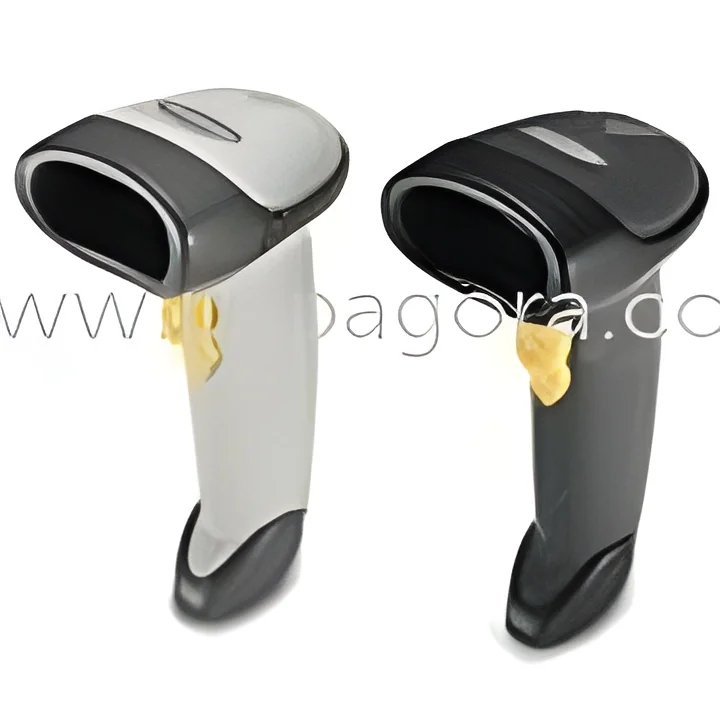
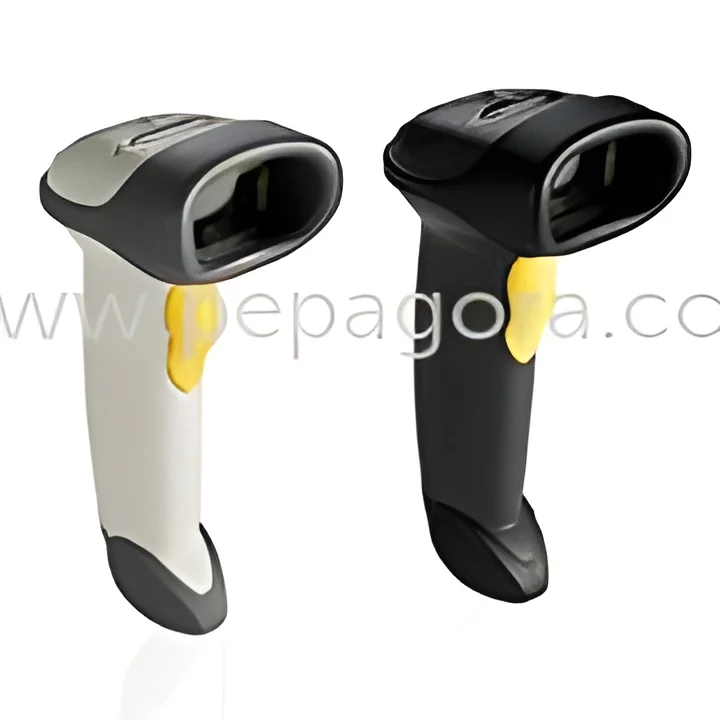
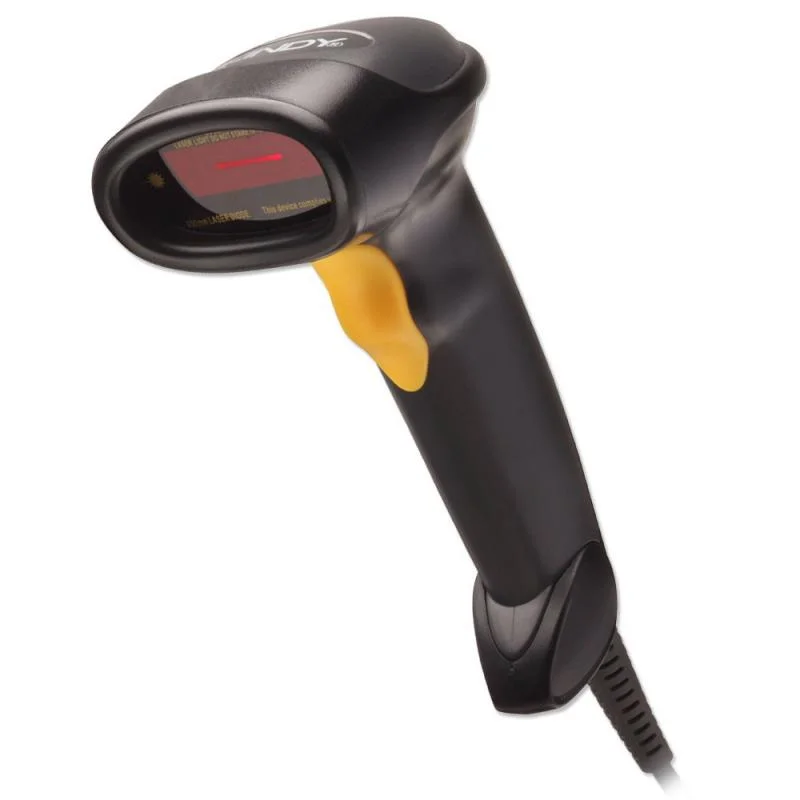
Handheld Barcode Scanners
7 products available
What are Handheld Barcode Scanners?
Handheld barcode scanners are portable devices designed to read and decode barcodes. These scanners utilize various technologies, such as laser, imaging, or CCD, to capture barcode data and convert it into a digital format. The ease of use and mobility of handheld scanners make them an essential tool in various industries, allowing users to quickly and accurately capture product information in real-time.
The primary applications of handheld barcode scanners include inventory management, point-of-sale transactions, and shipping and receiving processes. Businesses use these devices to streamline operations, reduce human error, and enhance productivity. The relevance of handheld barcode scanners spans across numerous sectors, including retail, logistics, healthcare, and manufacturing, where efficient data capture is critical for operational success.
As industries evolve and the demand for efficient data management increases, handheld barcode scanners remain a vital part of modern business operations. The market for these devices continues to grow as technology advances, providing more features and capabilities to meet diverse industry needs.
Key Features and Specifications
Handheld barcode scanners come equipped with a range of features designed to enhance their functionality and usability. Understanding these key specifications is essential for businesses looking to invest in the right equipment.
Key specifications include:
1. Scanning Technology
- Options include laser, 2D imaging, and CCD
- Varies in performance based on application needs
2. Scan Rate
- Refers to the number of scans per second
- Ranges from 100 scans per second to over 1000 scans per second
3. Connectivity Options
- Common options include USB, Bluetooth, and Wi-Fi
- Ensures compatibility with various systems and devices
4. Battery Life
- Typical battery life ranges from 8 to 24 hours
- Important for prolonged usage without frequent charging
5. Durability Rating
- Ratings such as IP54 or IP67 indicate resistance to dust and water
- Essential for use in challenging environments
6. Weight and Ergonomics
- Lightweight designs enhance user comfort
- Important for extended use in retail or warehouse settings
7. Memory Capacity
- Determines the amount of data the scanner can store
- Higher capacity is beneficial for extensive inventory tracking
8. Operating Temperature Range
- Ensures functionality in varying environmental conditions
- Data not available for specific ranges
With these specifications, businesses can choose the right handheld barcode scanner to suit their specific operational needs.
Common Applications and Use Cases
Handheld barcode scanners are versatile tools that serve many industries effectively.
1. Retail: In retail environments, scanners facilitate quick and accurate checkouts, inventory management, and price verification, improving customer satisfaction and operational efficiency.
2. Logistics: In logistics and warehousing, handheld scanners enable efficient tracking of goods during shipping and receiving processes, minimizing errors and streamlining inventory control.
3. Healthcare: Hospitals and clinics use barcode scanners to manage patient medication records, track medical supplies, and ensure accurate patient identification, enhancing patient safety.
4. Manufacturing: In manufacturing, these scanners support quality control processes by tracking components and finished products throughout the production line.
5. Field Services: Service technicians utilize handheld scanners for job tracking, inventory management, and asset management while on-site, improving service delivery.
6. Food and Beverage: In the food industry, handheld scanners help track inventory, manage stock levels, and ensure compliance with safety regulations.
7. Transportation: In transportation, scanners assist in tracking shipments, managing logistics, and verifying the delivery of goods.
Product Variants and Subcategories
The handheld barcode scanner market offers diverse variants to cater to specific business needs.
Laser Barcode Scanners: These scanners excel in reading traditional 1D barcodes and are ideal for retail and inventory management applications due to their speed and accuracy.
2D Imagers: Capable of reading both 1D and 2D barcodes, these versatile scanners are widely used in logistics and healthcare settings, offering enhanced data capture capabilities.
Cordless Barcode Scanners: These wireless models provide greater mobility and flexibility, making them suitable for large retail spaces or warehouse environments where cable management is a concern.
Industrial Barcode Scanners: Designed for rugged environments, these scanners boast high durability ratings and are often used in manufacturing and warehouse operations where exposure to harsh conditions is common.
Benefits and Advantages
Investing in handheld barcode scanners offers numerous benefits for businesses looking to enhance their operations.
1. Increased Efficiency: Handheld scanners enable rapid data capture, reducing the time spent on manual entry and streamlining workflows.
2. Improved Accuracy: The use of barcode technology minimizes human errors, ensuring accurate data collection and inventory management.
3. Cost Savings: By automating data entry processes, businesses can reduce labor costs and minimize losses due to inventory discrepancies.
4. Enhanced Mobility: The portable nature of handheld scanners allows employees to work efficiently in various locations within a facility.
5. Real-time Data Access: Businesses can access up-to-date information on inventory and sales, facilitating better decision-making and inventory control.
6. Scalability: Handheld barcode scanners can easily be integrated into existing systems, allowing businesses to scale their operations as needed.
Buying Guide for B2B Buyers
When sourcing handheld barcode scanners, it is essential for B2B buyers to consider various factors to ensure they make informed decisions.
1. Quality Assessment: Examine product durability, performance, and user reviews to identify reliable models that meet operational needs.
2. Supplier Verification: Vet potential suppliers by checking their credentials, customer feedback, and industry reputation to ensure product reliability.
3. Pricing and MOQ: Understand the price range for different models and inquire about minimum order quantities to align with budgetary constraints.
4. Delivery and Lead Times: Confirm the expected delivery times and logistics processes to avoid disruptions in operations.
5. Compliance Requirements: Ensure that the selected scanners meet relevant compliance standards and regulations specific to your industry.
Compliance and Certifications
Compliance and certification are critical aspects to consider when selecting handheld barcode scanners.
These devices must adhere to quality standards such as ISO 9001, which ensures consistent quality management systems. Additionally, industry-specific certifications like CE indicate compliance with European health, safety, and environmental protection standards.
Safety and testing requirements ensure that barcode scanners are reliable and safe for use in various environments. Buyers should also consider regional compliance needs, as different areas may have specific regulations affecting technology and equipment used in businesses.
Why Source Handheld Barcode Scanners from Pepagora?
Pepagora offers a trusted platform for sourcing handheld barcode scanners, providing several key advantages to B2B buyers.
Verified Supplier Network: Pepagora maintains a robust network of verified suppliers, ensuring that buyers have access to quality products from reputable manufacturers.
Streamlined RFQ Process: The quotation system simplifies the sourcing process, allowing buyers to request quotes efficiently and compare options without hassle.
Trade Assurance and Support: Pepagora offers trade assurance, providing buyers with protection and support throughout the purchasing process, ensuring a smooth transaction.
Regional Coverage: With a geographic reach that includes India, GCC, and Southeast Asia, Pepagora connects buyers with suppliers across diverse markets, facilitating access to a wide range of products and services.

 India
 India
 India


Frequently Asked Questions
What are Handheld Barcode Scanners?
Handheld Barcode Scanners are portable devices used to read barcodes and convert them into digital data. They are commonly used in retail, logistics, and inventory management to streamline operations and minimize errors in data entry.
What are the different types of Handheld Barcode Scanners?
The main types of Handheld Barcode Scanners include laser scanners, LED scanners, and image-based scanners. Laser scanners use laser beams to read barcodes, while LED scanners use light-emitting diodes, and image-based scanners capture images of the barcode for decoding.
How do I choose the right Handheld Barcode Scanners?
To choose the right Handheld Barcode Scanner, consider factors such as the scanning environment, the types of barcodes used, and required connectivity options. Additionally, evaluate the scanner's speed, durability, and battery life to ensure it meets your operational needs.
What are the standard specifications for Handheld Barcode Scanners?
Standard specifications for Handheld Barcode Scanners include scan speed, scanning range, connectivity options (such as USB or Bluetooth), and battery life. Other important features may include durability ratings, ergonomic design, and compatibility with various operating systems.
What is the price range for Handheld Barcode Scanners?
The price range for Handheld Barcode Scanners typically varies from ₹2,000 to ₹30,000, depending on the brand, features, and specifications. Basic models are less expensive, while advanced scanners with additional features tend to cost more.
What quality standards apply to Handheld Barcode Scanners?
Quality standards for Handheld Barcode Scanners often include compliance with international certifications such as ISO or IEC standards. Additionally, manufacturers may adhere to specific industry standards for performance, durability, and safety.
Where can I find Handheld Barcode Scanners suppliers in India?
You can find Handheld Barcode Scanners suppliers in India through online B2B marketplaces like Pepagora.com, trade shows, and industry-specific directories. It is advisable to research suppliers' reputations and customer reviews before making a purchase.
Can Handheld Barcode Scanners be customized?
Yes, many manufacturers offer customization options for Handheld Barcode Scanners to meet specific business needs. Customizations may include software modifications, branding, and hardware alterations, depending on the supplier.
What is the typical minimum order quantity for Handheld Barcode Scanners?
The typical minimum order quantity (MOQ) for Handheld Barcode Scanners varies by supplier but generally ranges from 10 to 50 units. It’s advisable to confirm the MOQ with the supplier before placing an order.
What is the typical lead time for Handheld Barcode Scanners?
The typical lead time for Handheld Barcode Scanners can range from 1 to 4 weeks, depending on factors such as supplier location, order size, and availability of stock. It is important to discuss lead times with the supplier during the procurement process.
Why Businesses Trust Pepagora
Thousands of companies trust Pepagora to source smarter and sell faster
Expand Your Sales Globally

Source Smarter,Grow Faster
