
 IN
Hand-Tufted Rugs
4 products available
What are Hand-Tufted Rugs?
Hand-tufted rugs are a type of floor covering created using a specialized technique that involves inserting yarn into a backing material to form a design. This method allows for intricate patterns and textures that are often more detailed than other manufacturing processes. The production of hand-tufted rugs typically involves the use of a tufting gun, which pushes the yarn through a canvas backing to create loops that are then cut or left uncut, depending on the desired finish.
These rugs are commonly used in both residential and commercial settings, providing aesthetic appeal as well as comfort. In business applications, hand-tufted rugs can enhance the ambiance of spaces such as offices, hotels, and retail establishments. They are valued not only for their decorative qualities but also for their durability and ease of maintenance, making them suitable for high-traffic areas. The market for hand-tufted rugs continues to grow as consumers increasingly seek unique and customizable flooring options that reflect their style and enhance their environments.
Key Features and Specifications
Hand-tufted rugs are characterized by several important features that contribute to their popularity in various settings. The specifications associated with these rugs are crucial for buyers to understand, as they determine the quality and suitability for specific applications.
Key specifications include:
1. Material Composition
- Typically made from wool, polyester, or a blend of fibers
- Each material offers different durability and texture
2. Pile Height
- Varies from low to high, affecting the rug's overall appearance and feel
- Common heights range from 0.25 inches to 1 inch
3. Density
- Refers to how closely the tufts are packed together
- Higher density indicates a more durable and luxurious rug
4. Backing Material
- Often composed of cotton or synthetic materials
- Provides structural support and longevity
5. Design Flexibility
- Available in various patterns, colors, and styles
- Custom designs are often possible to meet specific client needs
6. Maintenance Requirements
- Generally easy to clean with regular vacuuming and spot cleaning
- Professional cleaning may be recommended for deeper stains
7. Weight
- Can vary significantly, impacting ease of installation and movement
- Typically weighs between 5 to 10 pounds per square yard
In summary, understanding these specifications helps buyers select hand-tufted rugs that meet their aesthetic and functional requirements.
Common Applications and Use Cases
Hand-tufted rugs find applications across a variety of industries due to their versatility and durability.
1. Hospitality: Hotels and resorts often use hand-tufted rugs in lobbies and guest rooms to create a welcoming atmosphere and enhance guest comfort.
2. Corporate Offices: Businesses utilize these rugs in reception areas and meeting rooms to reflect professionalism and improve acoustics.
3. Retail: Stores incorporate hand-tufted rugs to define spaces and create visually appealing displays that attract customers.
4. Residential: Homeowners choose hand-tufted rugs for living rooms and bedrooms, appreciating their unique designs and comfort underfoot.
5. Educational Institutions: Schools and universities may use them in common areas to provide warmth and a sense of community.
6. Healthcare: Hospitals and clinics often select hand-tufted rugs for waiting areas to promote a calming environment.
7. Event Spaces: Convention centers and banquet halls use these rugs to enhance the aesthetic appeal of their venues during events.
Product Variants and Subcategories
Hand-tufted rugs come in a diverse range of styles and variants, allowing buyers to find options that best fit their needs.
Contemporary Hand-Tufted Rugs
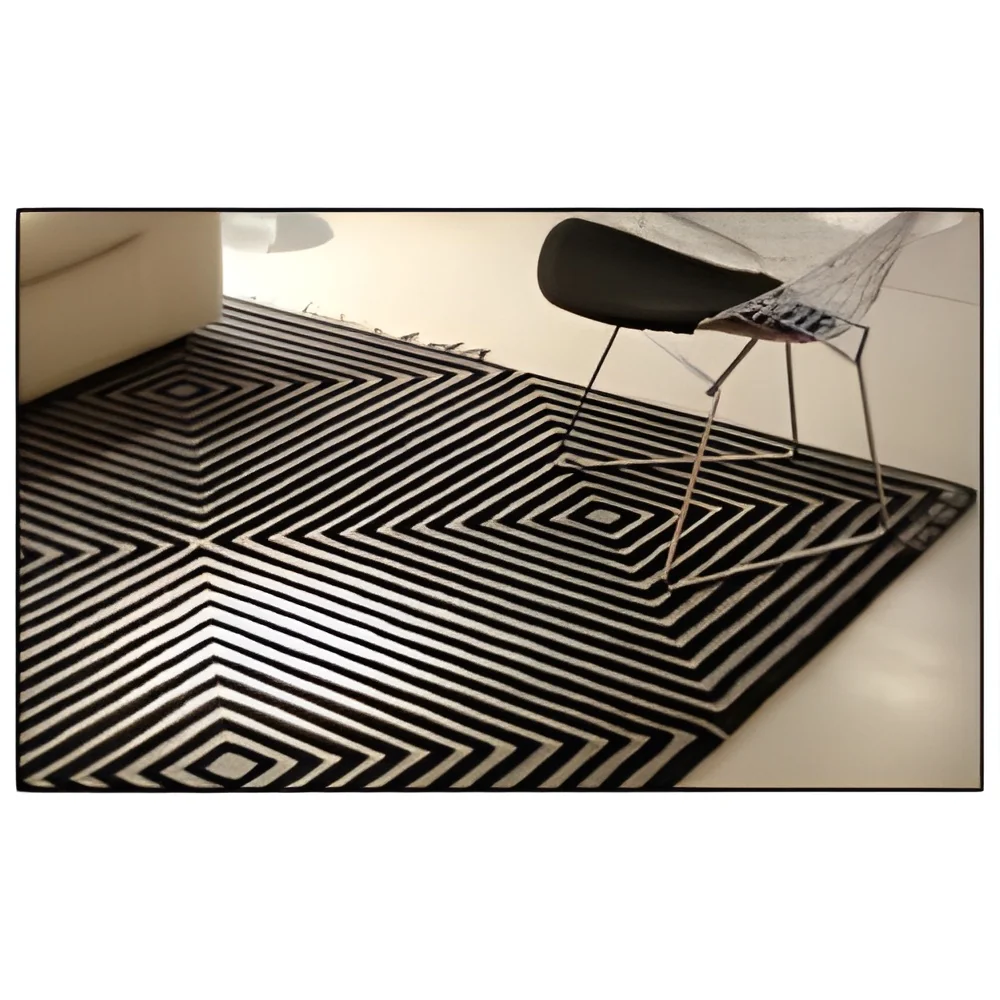
These rugs feature modern designs with bold colors and abstract patterns. They are ideal for trendy spaces and often serve as statement pieces in contemporary interiors.
Traditional Hand-Tufted Rugs
Characterized by intricate patterns and classic motifs, traditional rugs add elegance to spaces. They are well-suited for formal settings, such as dining rooms and libraries.
Custom Hand-Tufted Rugs
Many suppliers offer customization options, allowing businesses to create rugs tailored to specific dimensions, colors, and designs. This flexibility ensures a perfect fit for unique spaces.
Benefits and Advantages
Hand-tufted rugs offer numerous advantages that make them an appealing choice for various applications.
Key benefits include:
1. Customization Options: Buyers can often select from a wide range of designs and colors, ensuring the rug fits their specific style and needs.
2. Durability: Crafted with high-quality materials, hand-tufted rugs are designed to withstand wear and tear, making them suitable for high-traffic areas.
3. Comfort: The plush texture of hand-tufted rugs provides a soft surface underfoot, enhancing the comfort of any space.
4. Aesthetic Appeal: With their unique patterns and designs, these rugs can significantly enhance the visual appeal of an environment.
5. Easy Maintenance: Regular vacuuming and spot cleaning are typically sufficient to keep these rugs looking their best, simplifying upkeep.
6. Versatility: Suitable for various settings, hand-tufted rugs can be used in residential, commercial, and institutional applications.
Buying Guide for B2B Buyers
When sourcing hand-tufted rugs, B2B buyers should consider several key factors to ensure they make informed decisions.
1. Quality Assessment: Buyers should evaluate the material, construction, and overall finish of the rugs. High-quality rugs will exhibit even tufting, minimal shedding, and a consistent pile height.
2. Supplier Verification: It is essential to vet suppliers for reliability and reputation. This may include checking references, reviewing customer feedback, and assessing their production capabilities.
3. Pricing and MOQ: Understanding the pricing structure and minimum order quantities is crucial. Buyers should compare quotes from multiple suppliers to find the best value.
4. Delivery and Lead Times: Buyers should inquire about the expected lead times for production and delivery. This information is important for project planning and inventory management.
5. Compliance Requirements: Buyers must ensure that the rugs meet relevant safety and quality standards. This may include checking for certifications and compliance with industry regulations.
Compliance and Certifications
Hand-tufted rugs must adhere to various quality standards and certifications to ensure safety and performance.
Relevant quality standards, such as ISO 9001, focus on maintaining consistent quality management systems. Compliance with these standards can assure buyers of the rug’s durability and production quality.
Industry certifications, like CE marking, indicate that products meet European safety standards. This certification is crucial for buyers operating in or exporting to markets that require compliance with safety regulations.
Safety and testing requirements may include assessments for flammability and durability. Buyers should look for rugs that have undergone such testing to ensure they are safe for use in various environments.
Regional compliance considerations may vary, so it is advisable for buyers to familiarize themselves with local regulations regarding textile products. This knowledge helps in making informed purchasing decisions.
Why Source Hand-Tufted Rugs from Pepagora?
Pepagora provides a trusted platform for sourcing hand-tufted rugs, offering several key advantages for B2B buyers.
Verified Supplier Network: Pepagora connects buyers with a network of verified suppliers who have been vetted for quality and reliability. This ensures that buyers can source high-quality rugs with confidence.
Streamlined RFQ Process: The platform offers a streamlined Request for Quotation (RFQ) system, allowing buyers to easily request quotes from multiple suppliers. This simplifies the procurement process and helps in comparing options efficiently.
Trade Assurance and Support: Pepagora offers trade assurance and buyer protection, providing peace of mind during transactions. Buyers can rely on support from the platform for any issues that may arise.
Regional Coverage: With a focus on regions such as India, the GCC, and Southeast Asia, Pepagora has a broad geographic reach. This enables buyers to find suppliers that are conveniently located and can meet their specific logistical needs.

Frequently Asked Questions
What are Hand-Tufted Rugs?
Hand-tufted rugs are carpets made by hand using a tufting gun, which pushes strands of yarn through a backing material to create a design. This method allows for intricate patterns and designs, making them a popular choice for both residential and commercial spaces.
What are the different types of Hand-Tufted Rugs?
There are various types of hand-tufted rugs, including cut pile, loop pile, and cut-loop pile rugs. Each type offers different textures and appearances, catering to diverse aesthetic preferences and functional needs.
How do I choose the right Hand-Tufted Rugs?
When selecting hand-tufted rugs, consider factors such as the design, color scheme, texture, and the intended use of the rug. Additionally, assess the quality of materials and craftsmanship to ensure longevity and durability.
What are the standard specifications for Hand-Tufted Rugs?
Standard specifications for hand-tufted rugs typically include the material used (such as wool or synthetic fibers), pile height, and overall dimensions. It's also important to consider the rug's backing material and weight, which can affect durability and stability.
What is the price range for Hand-Tufted Rugs?
The price range for hand-tufted rugs can vary significantly based on factors such as size, material, and design complexity. Generally, you can expect prices to range from a few thousand to several tens of thousands of Indian Rupees.
What quality standards apply to Hand-Tufted Rugs?
Quality standards for hand-tufted rugs often include the density of the pile, the quality of the materials used, and the precision of the craftsmanship. Look for rugs that adhere to industry standards for durability and aesthetic appeal.
Where can I find Hand-Tufted Rugs suppliers in India?
You can find hand-tufted rugs suppliers in India through online B2B marketplaces like Pepagora, trade shows, and local carpet exhibitions. These platforms typically feature a wide range of manufacturers and suppliers offering various designs and quality levels.
Can Hand-Tufted Rugs be customized?
Yes, hand-tufted rugs can often be customized to meet specific design requirements, including size, color, and pattern. Many manufacturers offer customization services, allowing buyers to create unique pieces tailored to their spaces.
What is the typical minimum order quantity for Hand-Tufted Rugs?
The typical minimum order quantity (MOQ) for hand-tufted rugs can vary by supplier, but it generally ranges from 5 to 20 pieces. It's advisable to check with individual manufacturers for their specific MOQ policies.
What is the typical lead time for Hand-Tufted Rugs?
The typical lead time for hand-tufted rugs can range from 4 to 12 weeks, depending on factors such as the complexity of the design and the manufacturer's production capacity. Always confirm lead times with your supplier before placing an order.
Why Businesses Trust Pepagora
Thousands of companies trust Pepagora to source smarter and sell faster
Expand Your Sales Globally

Source Smarter,Grow Faster
