
 IN
Leather Rugs
2 products available
What are Leather Rugs?
Leather rugs are premium floor coverings made from high-quality animal hides, typically cowhide, known for their durability and aesthetic appeal. The tanning process transforms raw leather into a soft and supple material that can be used for various designs and styles, making leather rugs a sought-after choice in both residential and commercial settings. These rugs come in various textures, colors, and patterns, allowing for customization that suits different interior designs.
In business applications, leather rugs are commonly used in luxury hotels, upscale offices, and high-end residential projects. Their unique look and feel add a touch of sophistication to any space, making them ideal for areas where elegance is paramount. The market for leather rugs has grown steadily, driven by the increasing demand for premium interior design products that combine functionality with luxury.
Key Features and Specifications
Leather rugs are characterized by several key features that enhance their appeal and practicality. Understanding these specifications helps buyers make informed decisions when selecting products that meet their needs.
Key specifications include:
1. Material Quality
- Made from genuine leather, ensuring durability and longevity.
- Thickness typically ranges from 1.5 mm to 3 mm.
2. Size Options
- Available in various dimensions to fit different spaces.
- Custom sizes can be requested based on project requirements.
3. Design Variability
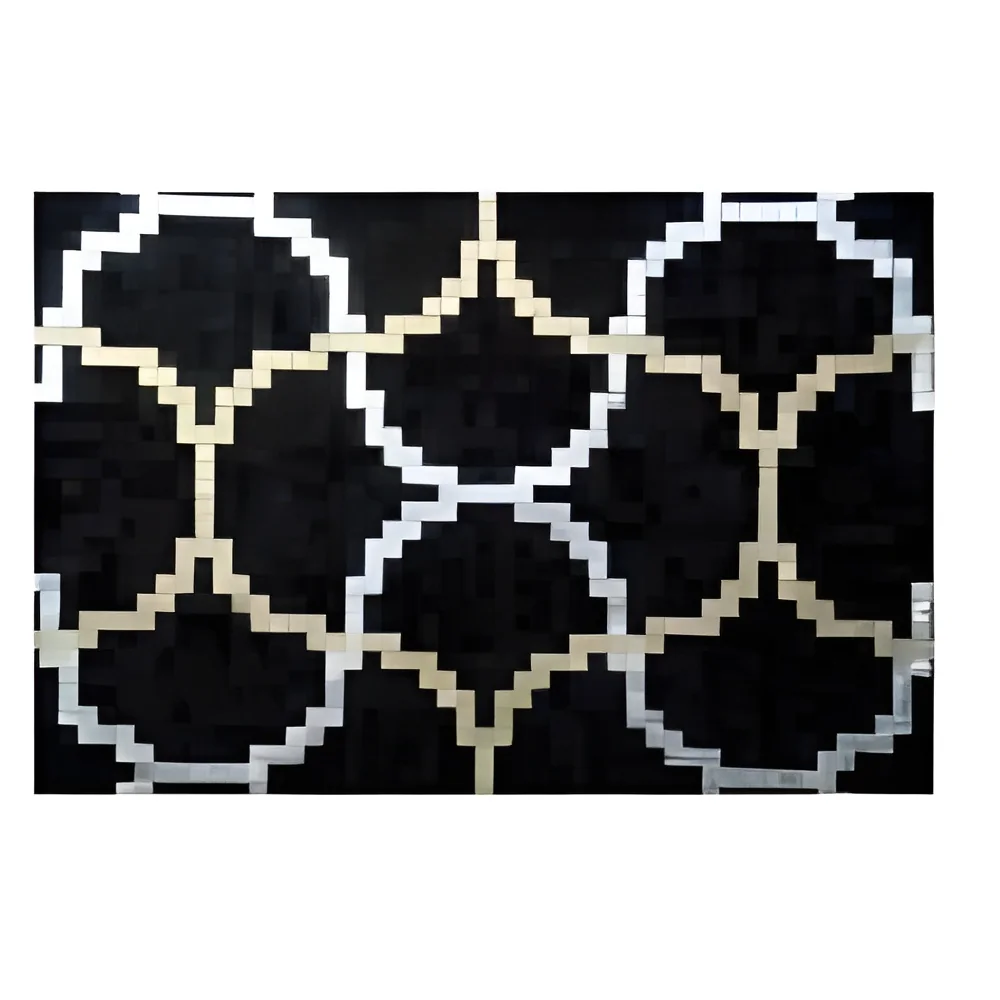
- Offered in various patterns, including solid colors, natural prints, and geometric designs.
- Can be tailored to specific design themes or branding needs.
4. Cleaning and Maintenance
- Requires minimal maintenance; can be cleaned with a damp cloth.
- Some variants may be treated for stain resistance.
5. Color Fastness
- Designed to resist fading over time, maintaining their original appearance.
- Color options may include natural tones, dyed finishes, and more.
6. Backing Material
- Typically has a non-slip backing to ensure stability on various floor types.
- Some variants may have eco-friendly backing options.
7. Eco-Friendliness
- Sourced from sustainable practices.
- Tanning processes may adhere to environmental standards.
8. Certification
- Many leather rugs carry CE certifications ensuring compliance with safety and quality standards.
In summary, the features and specifications of leather rugs make them a versatile and valuable addition to any commercial or residential space.
Common Applications and Use Cases
Leather rugs are utilized across various industries due to their versatility and aesthetic appeal.
1. Hospitality: Used in hotel lobbies and suites, leather rugs enhance the luxurious experience for guests while providing durability against heavy foot traffic.
2. Corporate Offices: Many upscale offices incorporate leather rugs into their design to create an inviting and professional atmosphere that reflects brand identity.
3. Retail: High-end retail stores use leather rugs to complement their merchandise displays, creating a sophisticated shopping environment.
4. Interior Design: Designers often select leather rugs for residential projects, adding warmth and texture to living spaces, bedrooms, and dining areas.
5. Event Spaces: Leather rugs are popular in event venues, providing an elegant flooring option for weddings, galas, and corporate events.
6. Art Galleries: Used in galleries to create a rich background for displayed art, leather rugs help highlight the artwork while enhancing the overall ambiance.
7. Creative Studios: Many creative spaces, including photography studios and design offices, incorporate leather rugs for their unique style and comfort.
Product Variants and Subcategories
Leather rugs come in various designs and styles, catering to diverse preferences and applications.
Natural Cowhide Rugs: These rugs showcase the unique patterns and textures of cowhide, making each piece one-of-a-kind. They are perfect for rustic or contemporary interiors.
Dyed Leather Rugs: Available in a wide range of colors, dyed leather rugs allow for customization to match specific design themes. They can add vibrant accents to any space.
Patterned Leather Rugs: Featuring geometric or abstract designs, these rugs provide a modern touch to interiors and are ideal for contemporary settings.
Reversible Leather Rugs: These versatile rugs offer dual designs, allowing for quick style changes. They are practical for spaces that require flexibility in decor.
Benefits and Advantages
Leather rugs offer numerous benefits that make them an attractive choice for businesses and homeowners alike.
1. Durability: Leather rugs are known for their strength and resilience, making them suitable for high-traffic areas without showing signs of wear.
2. Aesthetic Appeal: The natural beauty and richness of leather provide a sophisticated look that enhances any interior design.
3. Easy Maintenance: Leather rugs are simple to clean and maintain, requiring only occasional dusting and spot cleaning.
4. Comfort: The soft texture of leather provides a warm and inviting surface underfoot, adding comfort to living and working spaces.
5. Versatility: Available in various designs, colors, and sizes, leather rugs can complement multiple interior styles, from rustic to modern.
6. Unique Character: Each leather rug has its own distinct markings and textures, ensuring that every piece is unique and adds character to a space.
Buying Guide for B2B Buyers
When sourcing leather rugs for business purposes, it is essential to consider several factors to ensure the best quality and value.
1. Quality Assessment: Evaluate the type and quality of leather used, including thickness and durability. Look for rugs that have been treated for longevity and ease of maintenance.
2. Supplier Verification: Vet suppliers by checking their reputation and customer reviews. Ensure they have reliable sourcing and production practices.
3. Pricing and MOQ: Understand the pricing structure and minimum order quantities. Compare quotes from different suppliers to ensure competitive rates.
4. Delivery and Lead Times: Confirm delivery schedules and lead times, especially for large orders. Timely delivery is crucial for project planning.
5. Compliance Requirements: Verify that the rugs meet industry standards and regulations, including safety certifications and environmental compliance.
Compliance and Certifications
Leather rugs must adhere to various quality and safety standards to ensure their suitability for commercial use. Relevant quality standards include ISO 9001, which outlines effective quality management systems, ensuring consistent quality in manufacturing processes.
Additionally, certifications such as CE indicate compliance with European safety standards, providing assurance to buyers about the product's safety and performance. It is also essential that leather rugs undergo appropriate safety and testing requirements, particularly for flame resistance and chemical safety.
Regional compliance considerations may vary, so it is important for buyers to be aware of local regulations regarding leather products. Ensuring compliance not only enhances marketability but also builds trust among consumers and businesses.
Why Source Leather Rugs from Pepagora?
Pepagora offers a reliable platform for sourcing leather rugs, providing several advantages for B2B buyers.
Verified Supplier Network: Pepagora connects buyers with a network of verified suppliers, ensuring that each partner meets stringent quality and ethical standards. This network helps businesses find reliable sources for premium products.
Streamlined RFQ Process: The request for quotation (RFQ) process is designed to be efficient and user-friendly. Buyers can easily submit their requirements and receive competitive quotes from multiple suppliers, simplifying the sourcing process.
Trade Assurance and Support: Pepagora provides trade assurance to protect buyers, ensuring they receive the products as promised. The platform offers support throughout the purchasing journey, helping resolve any issues that may arise.
Regional Coverage: With a focus on regions including India, the Gulf Cooperation Council (GCC), and Southeast Asia, Pepagora ensures that buyers have access to local suppliers while benefiting from a broader market reach. This geographic coverage allows for better logistics and quicker delivery times.

Frequently Asked Questions
What are Leather Rugs?
Leather rugs are floor coverings made from animal hides, typically cowhide, that are tanned and crafted into various designs and patterns. They are known for their durability, unique textures, and aesthetic appeal, making them suitable for both residential and commercial spaces.
What are the different types of Leather Rugs?
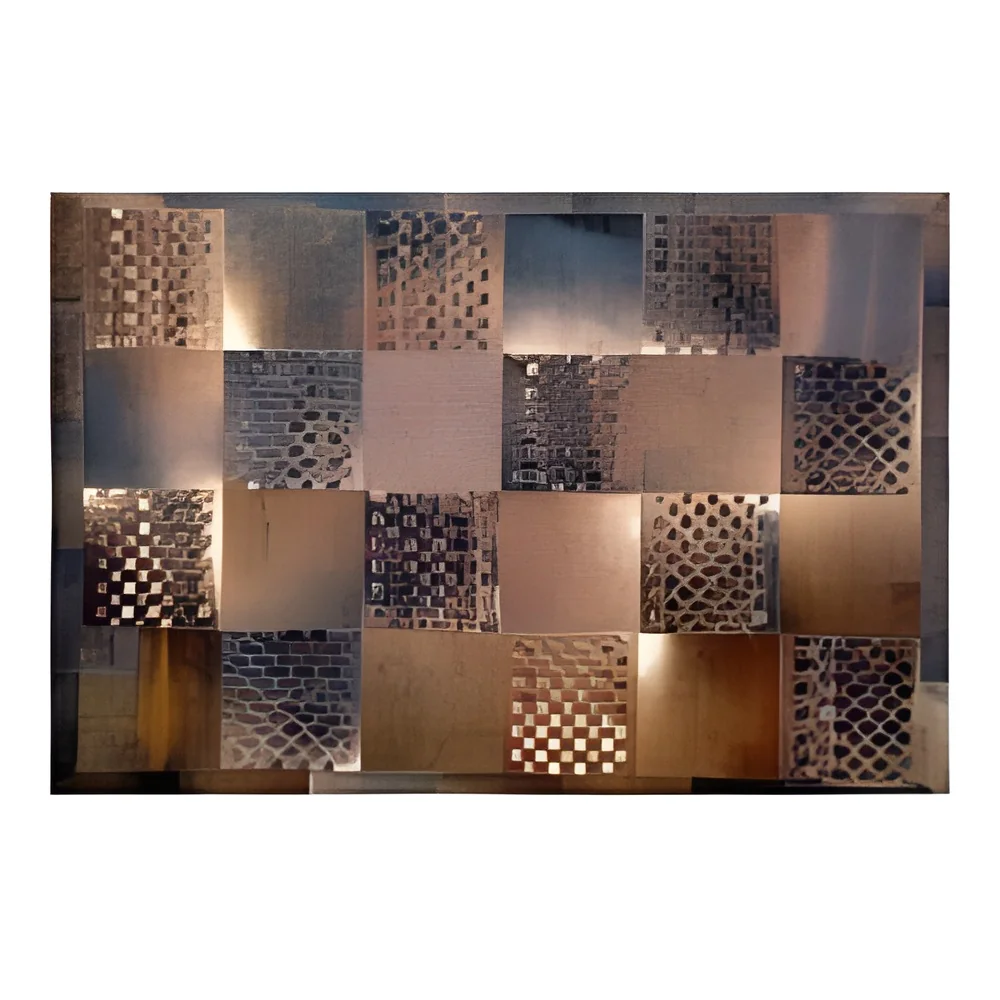
There are several types of leather rugs, including cowhide rugs, sheepskin rugs, and patchwork leather rugs. Each type varies in texture, appearance, and manufacturing techniques, offering different styles to suit various decor preferences.
How do I choose the right Leather Rugs?
When choosing leather rugs, consider factors such as size, color, texture, and the overall decor of the space. Additionally, assess the quality of the leather, the craftsmanship, and whether the rug meets your specific functional and aesthetic needs.
What are the standard specifications for Leather Rugs?
Standard specifications for leather rugs include dimensions, thickness, and type of finish. It's also essential to check for certifications related to tanning processes and any treatments applied to ensure durability and safety.
What is the price range for Leather Rugs?
The price range for leather rugs can vary significantly based on factors such as size, type of leather, craftsmanship, and design complexity. Generally, prices can start from a few thousand rupees and can go up to several tens of thousands.
What quality standards apply to Leather Rugs?
Quality standards for leather rugs include the type of leather used, tanning process, and overall craftsmanship. High-quality leather rugs should be free from defects, exhibit durability, and maintain their appearance over time.
Where can I find Leather Rugs suppliers in India?
You can find leather rugs suppliers in India through various online B2B marketplaces, trade directories, and industry expos. Platforms like Pepagora.com feature a range of manufacturers and suppliers specializing in leather products.
Can Leather Rugs be customized?
Yes, many manufacturers offer customization options for leather rugs, allowing you to choose specific sizes, colors, and designs. Customization can enhance the rug's suitability to your unique space and personal style.
What is the typical minimum order quantity for Leather Rugs?
The typical minimum order quantity (MOQ) for leather rugs can vary by supplier but often ranges from 5 to 20 pieces. It's advisable to check with individual suppliers for their specific MOQ requirements.
What is the typical lead time for Leather Rugs?
The typical lead time for leather rugs can range from 2 to 6 weeks, depending on factors such as availability, customization, and the supplier's production capacity. Always confirm the lead time with your supplier before placing an order.
Why Businesses Trust Pepagora
Thousands of companies trust Pepagora to source smarter and sell faster
Expand Your Sales Globally

Source Smarter,Grow Faster
