𝗪𝗵𝗮𝘁 𝗮𝗿𝗲 𝗖𝗮𝗿𝗽𝗲𝘁𝘀 & 𝗥𝘂𝗴𝘀?
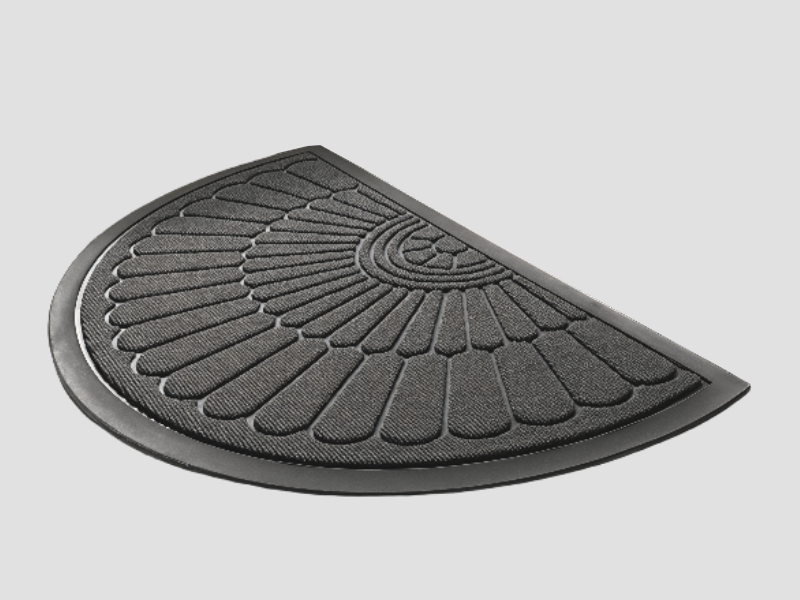
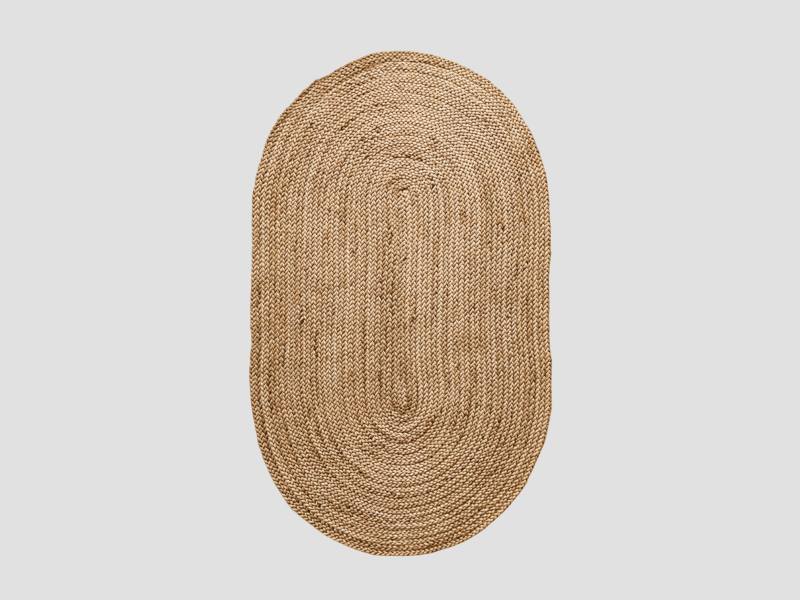
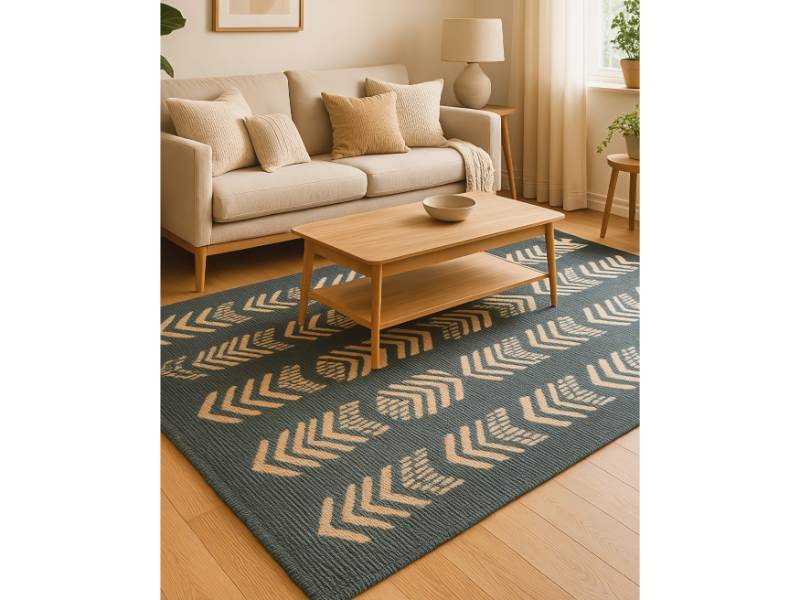
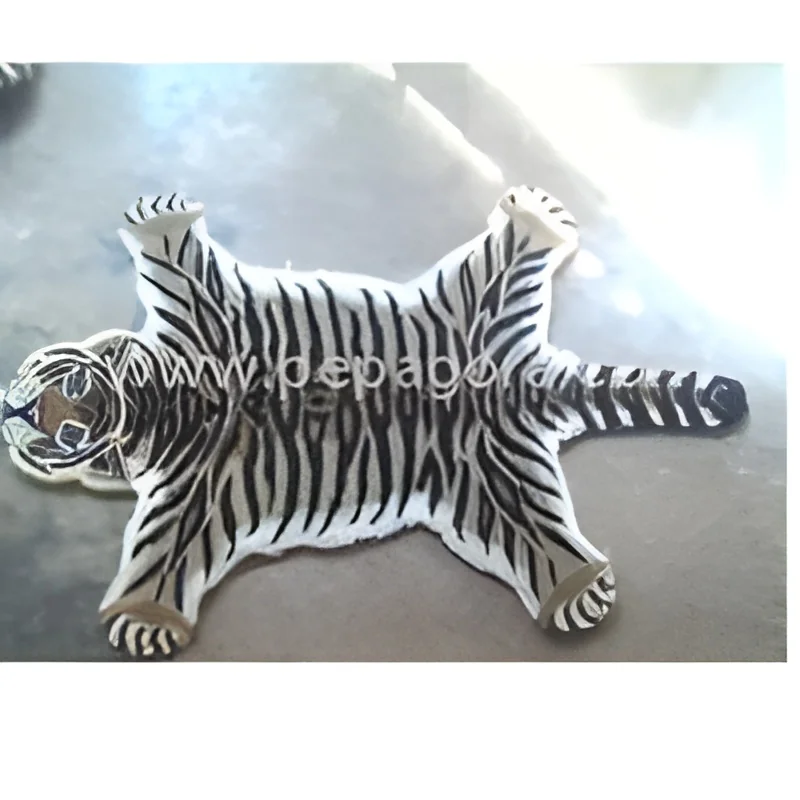
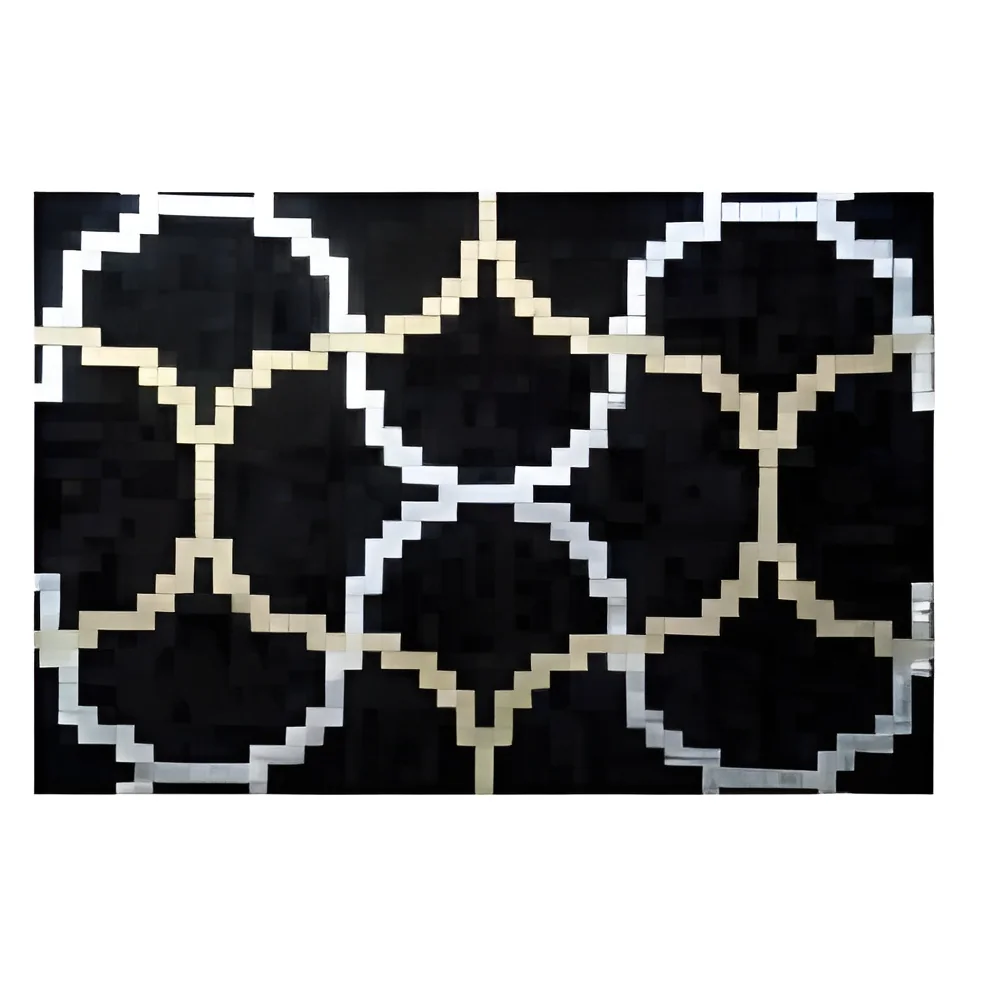
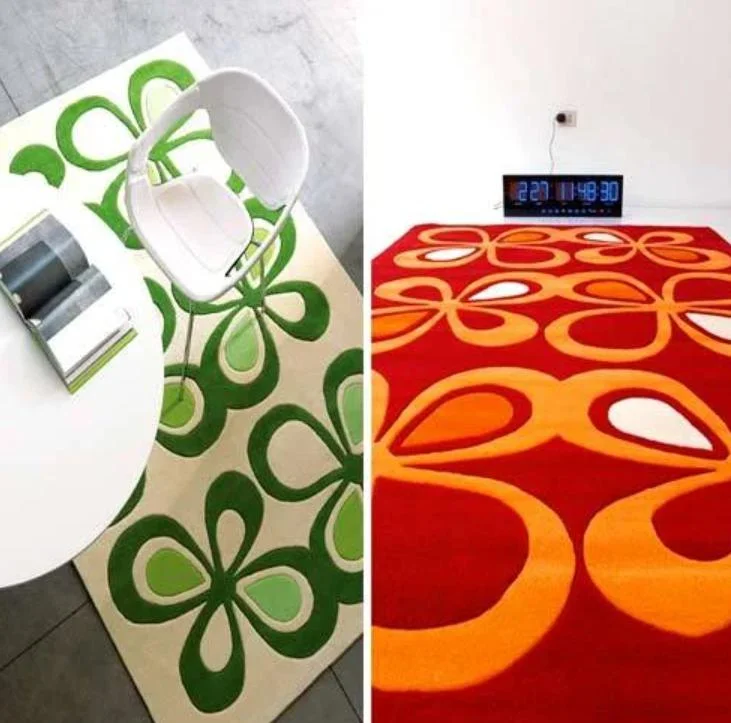
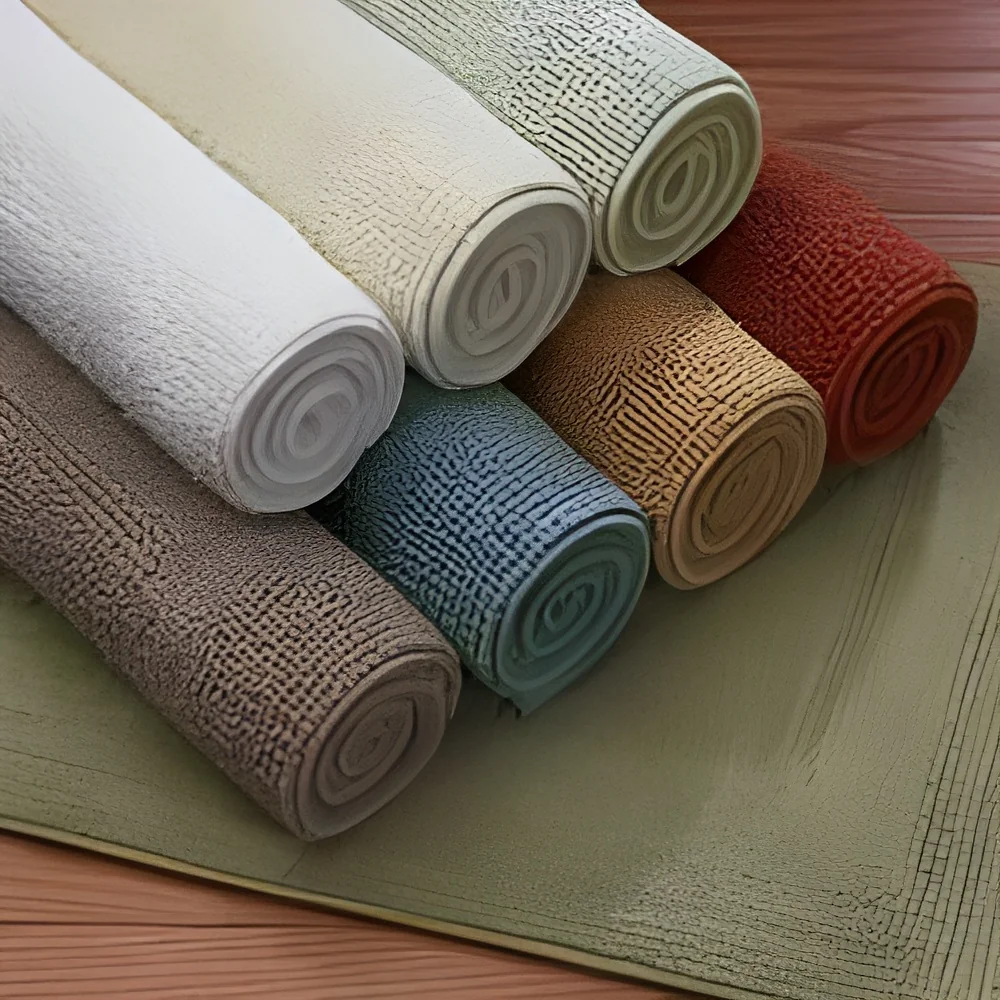
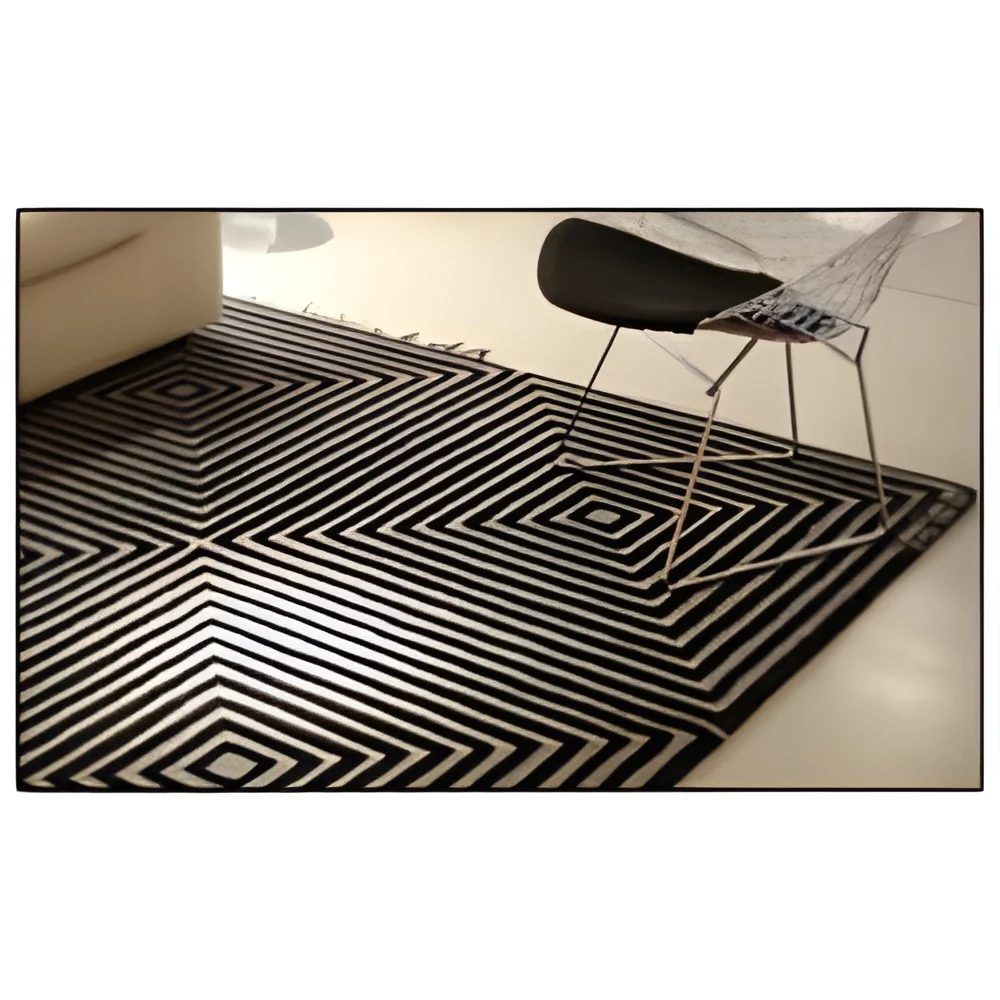
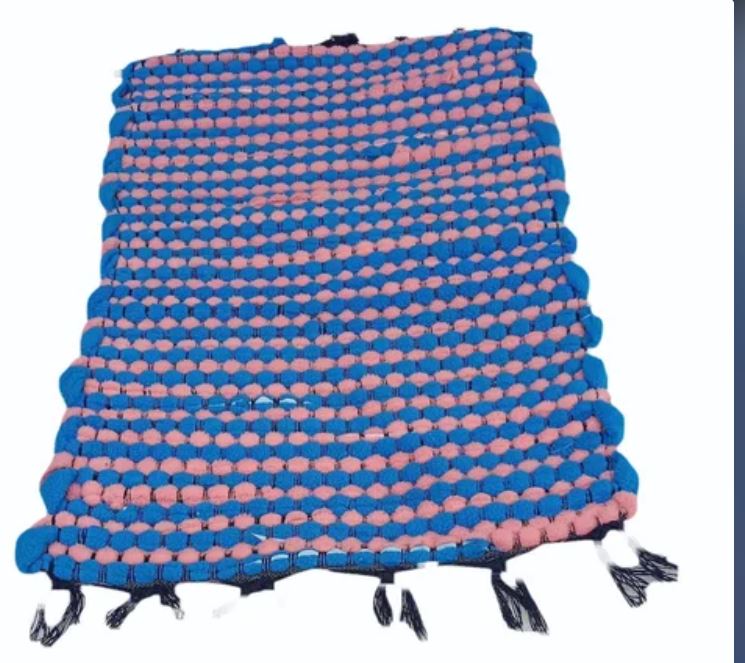
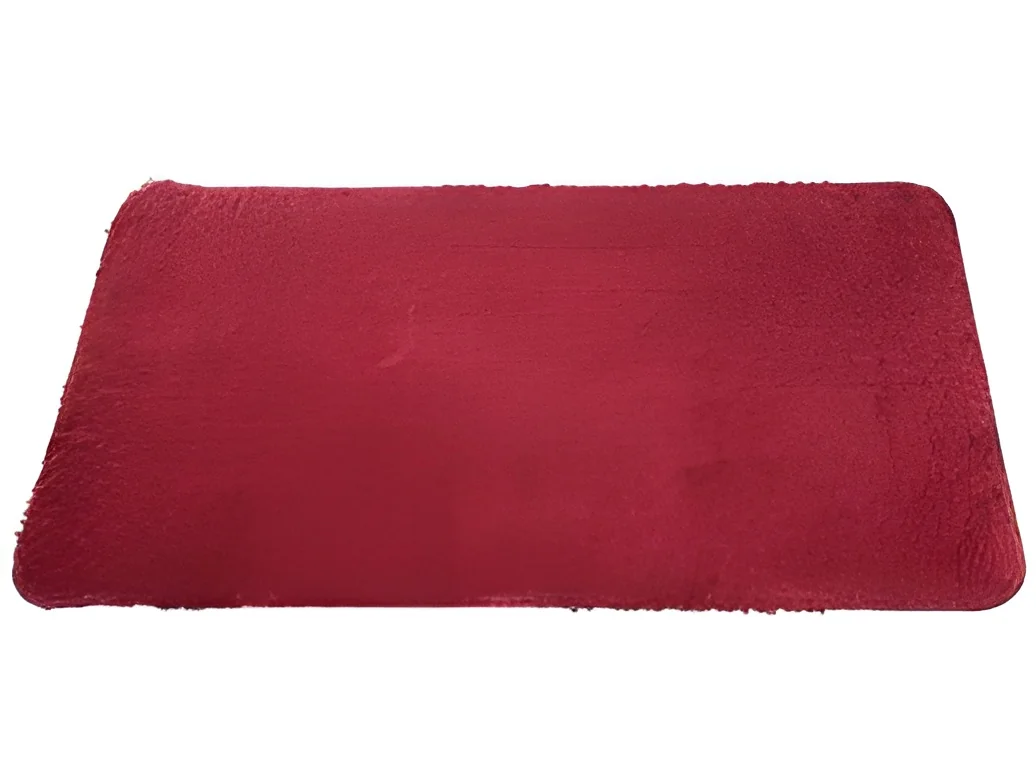
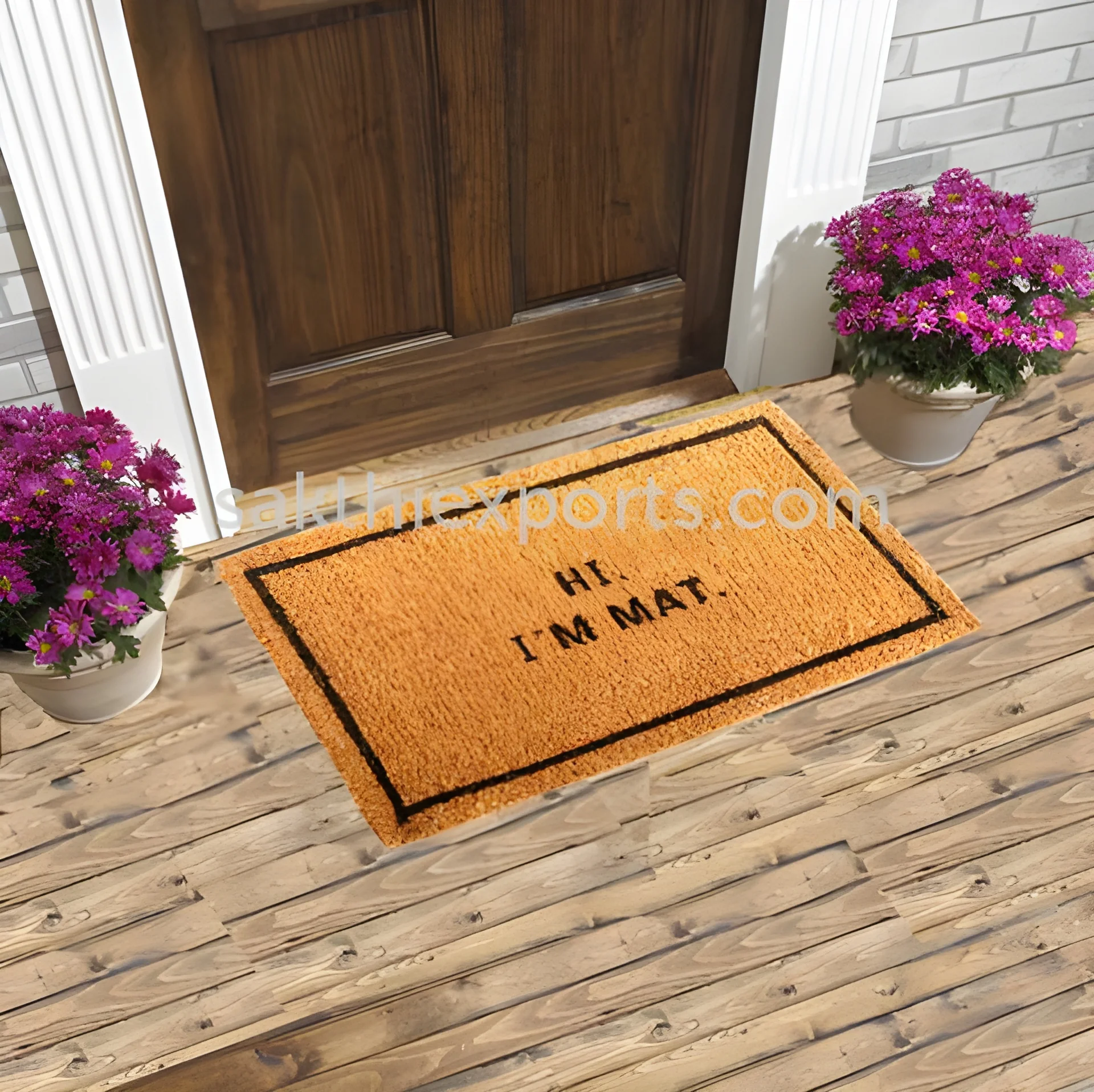
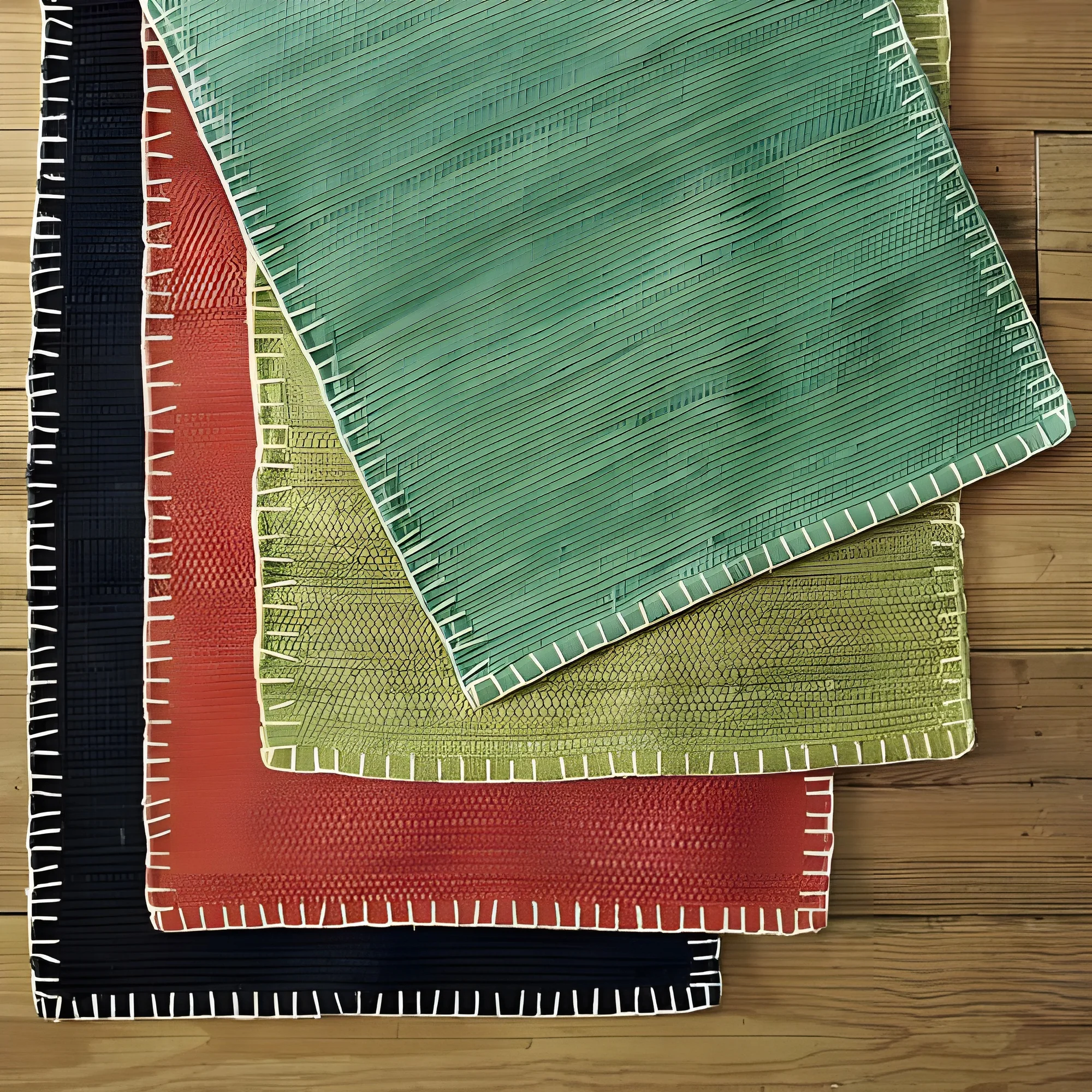
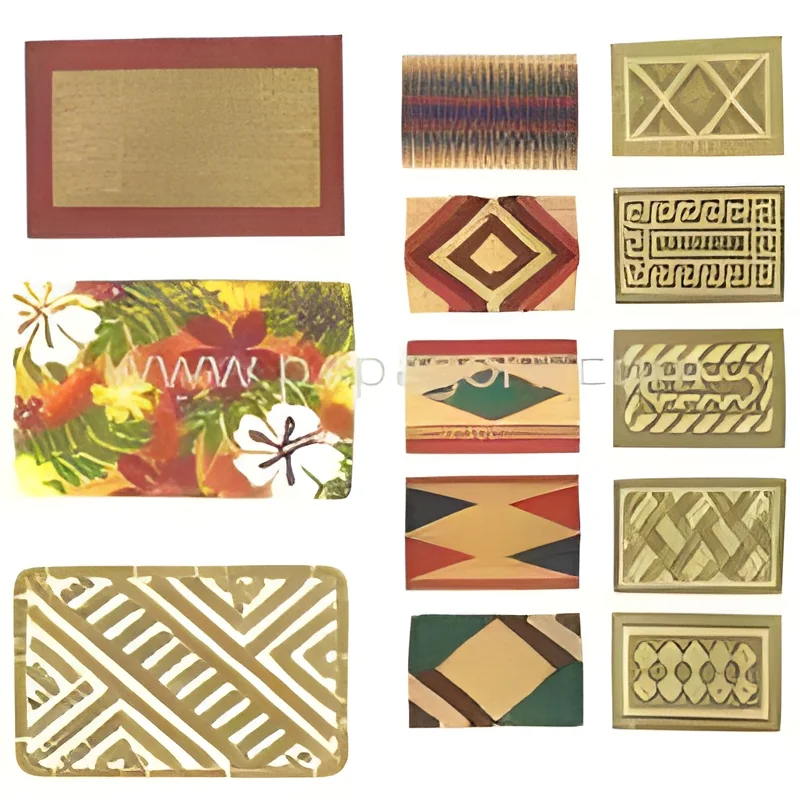
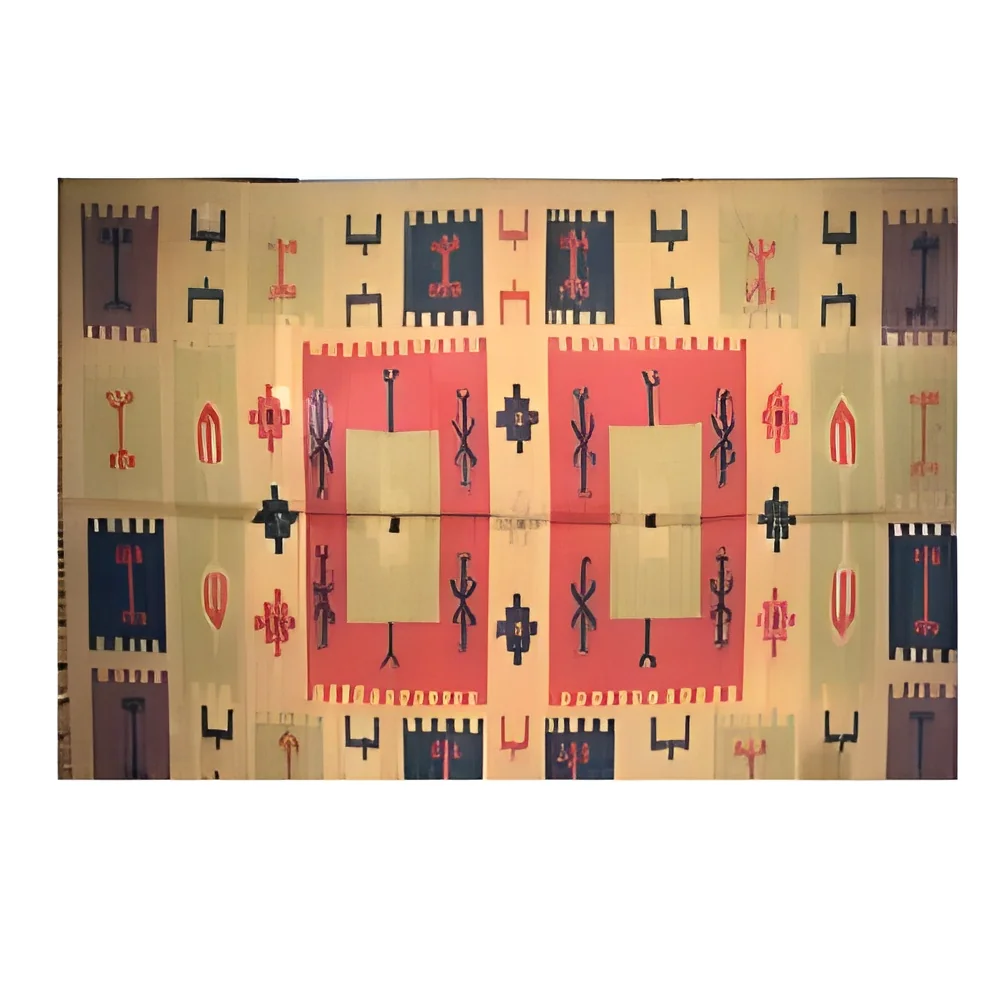
Carpets and rugs are textile floor coverings that enhance the aesthetics and functionality of various spaces. Typically, carpets are wall-to-wall installations, while rugs are smaller, movable pieces. Both products are made from a variety of fibers, including wool, nylon, polyester, and polypropylene, offering numerous patterns, colors, and textures to suit different design preferences.
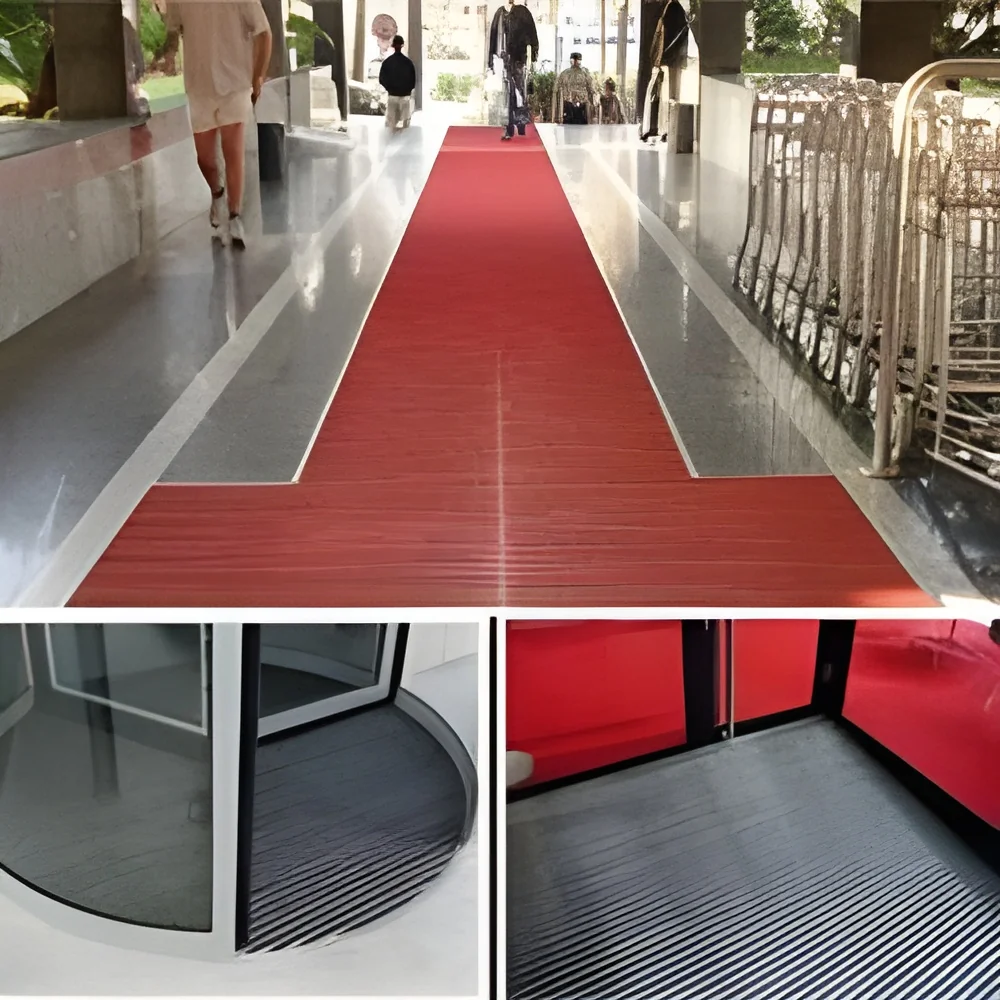
These products serve a wide range of applications in residential, commercial, and industrial settings. In homes, carpets and rugs provide comfort, warmth, and sound absorption. In commercial environments, they can create a professional appearance while also enhancing safety by reducing slip hazards. The hospitality sector uses them extensively to improve guest experiences, while industrial applications might focus on durability and ease of maintenance.
The carpet and rug industry continues to grow, driven by trends in interior design and commercial construction. With a focus on sustainability, many manufacturers are now producing eco-friendly options, which is increasingly important to consumers and businesses alike.
𝗞𝗲𝘆 𝗙𝗲𝗮𝘁𝘂𝗿𝗲𝘀 𝗮𝗻𝗱 𝗦𝗽𝗲𝗰𝗶𝗳𝗶𝗰𝗮𝘁𝗶𝗼𝗻𝘀
Carpets and rugs come with various features and specifications that cater to different needs. Understanding these aspects is crucial for selecting the right product for any application.
Key specifications include:
1. Material Composition
- Carpets and rugs can be made from natural fibers like wool or synthetic fibers like nylon and polyester.
- Each material has unique properties, such as durability, stain resistance, and comfort.
2. Pile Height
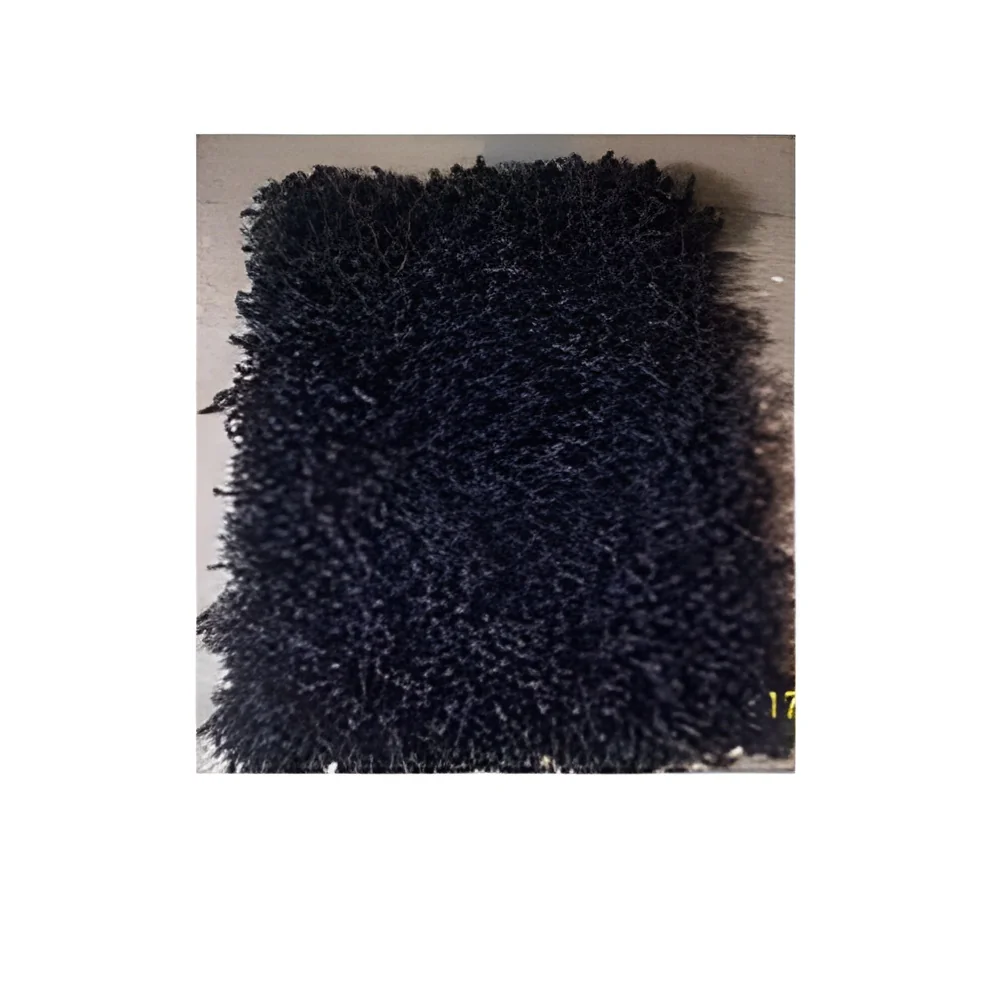
- This refers to the height of the carpet fibers, which can range from low to high pile.
- Low pile carpets are typically more durable, while high pile options offer greater comfort.
3. Construction Type
- Common construction methods include tufted, woven, and needle-punched.
- Each method influences the carpet's texture, durability, and cost.
4. Durability Rating
- Carpets are rated based on their durability, often measured in terms of foot traffic suitability.
- Higher ratings indicate better performance in high-traffic areas.
5. Stain Resistance
- Many carpets and rugs are treated with stain-resistant technologies to enhance longevity.
- This feature is important for maintaining appearance, especially in commercial settings.
6. Colorfastness
- This refers to how well a carpet retains its color when exposed to light and cleaning agents.
- Higher colorfastness ratings ensure that the product remains vibrant over time.
7. Backing Type
- The backing material affects the carpet's stability and support.
- Options include latex, jute, and felt, each offering different benefits.
8. Environmental Certifications
- Many carpets and rugs have certifications indicating they meet environmental standards.
- Certifications can include GREENGUARD or other sustainability benchmarks.
In summary, understanding these key features and specifications can help buyers select carpets and rugs that align with their functional and aesthetic needs.
𝗖𝗼𝗺𝗺𝗼𝗻 𝗔𝗽𝗽𝗹𝗶𝗰𝗮𝘁𝗶𝗼𝗻𝘀 𝗮𝗻𝗱 𝗨𝘀𝗲 𝗖𝗮𝘀𝗲𝘀
Carpets and rugs find applications across a multitude of industries, showcasing their versatility.
1. Residential: In homes, carpets and rugs enhance comfort and design, providing a cozy environment for living rooms, bedrooms, and hallways.
2. Hospitality: Hotels and restaurants utilize carpets to create inviting atmospheres, contributing to guest satisfaction and overall decor.
3. Office Spaces: Businesses use carpets in offices to improve acoustics and create professional environments, with considerations for durability and maintenance.
4. Retail: Retail spaces benefit from carpets that enhance the shopping experience, drawing attention to products while providing a welcoming ambiance.
5. Healthcare: Hospitals and clinics often choose carpets for their ability to reduce noise and provide comfort for patients and visitors.
6. Education: Schools and universities use carpets in classrooms and common areas to create a conducive learning environment.
7. Industrial: In warehouses and manufacturing facilities, specialized rugs can help with safety and comfort in work areas.
𝗣𝗿𝗼𝗱𝘂𝗰𝘁 𝗩𝗮𝗿𝗶𝗮𝗻𝘁𝘀 𝗮𝗻𝗱 𝗦𝘂𝗯𝗰𝗮𝘁𝗲𝗴𝗼𝗿𝗶𝗲𝘀
Carpets and rugs come in various forms to meet specific needs and preferences.
Wool Carpets
Wool carpets are known for their natural beauty and durability. They provide excellent insulation and are naturally stain-resistant, making them suitable for both residential and commercial applications.
Nylon Rugs
Nylon rugs are highly durable and resistant to wear and tear. They are often chosen for high-traffic areas due to their resilience and ease of maintenance.
Polyester Carpets
Polyester carpets offer vibrant colors and patterns. They are soft underfoot and often used in residential settings for their aesthetic appeal.
Commercial Carpets
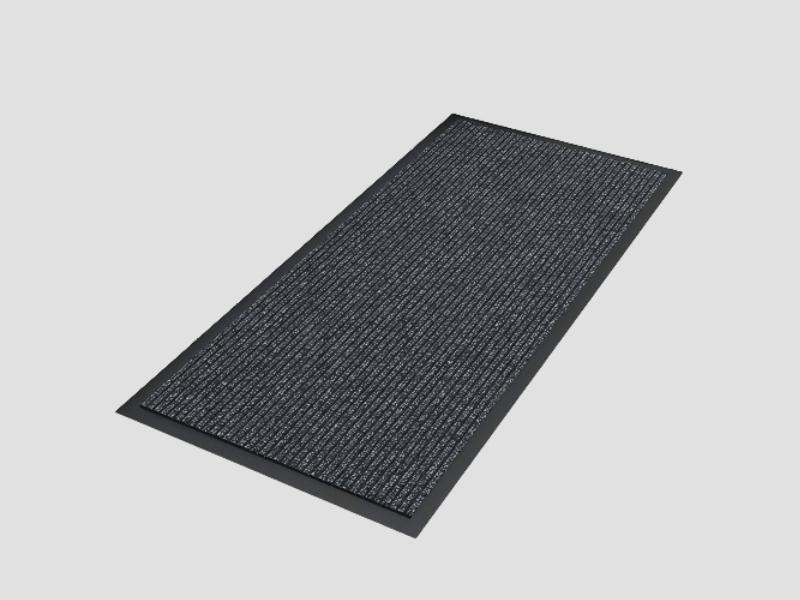
Commercial carpets are designed for heavy foot traffic and are available in various styles, including modular tiles, which allow for easy replacement and maintenance.
𝗕𝗲𝗻𝗲𝗳𝗶𝘁𝘀 𝗮𝗻𝗱 𝗔𝗱𝘃𝗮𝗻𝘁𝗮𝗴𝗲𝘀
Choosing carpets and rugs for your business or home comes with several advantages.
1. Aesthetic Appeal: Carpets and rugs enhance the visual appeal of any space, allowing for personal or brand expression through color and design.
2. Comfort: They provide cushioning underfoot, making spaces more comfortable for walking and standing.
3. Noise Reduction: Carpets absorb sound, reducing echo and creating quieter environments, which is particularly beneficial in busy settings.
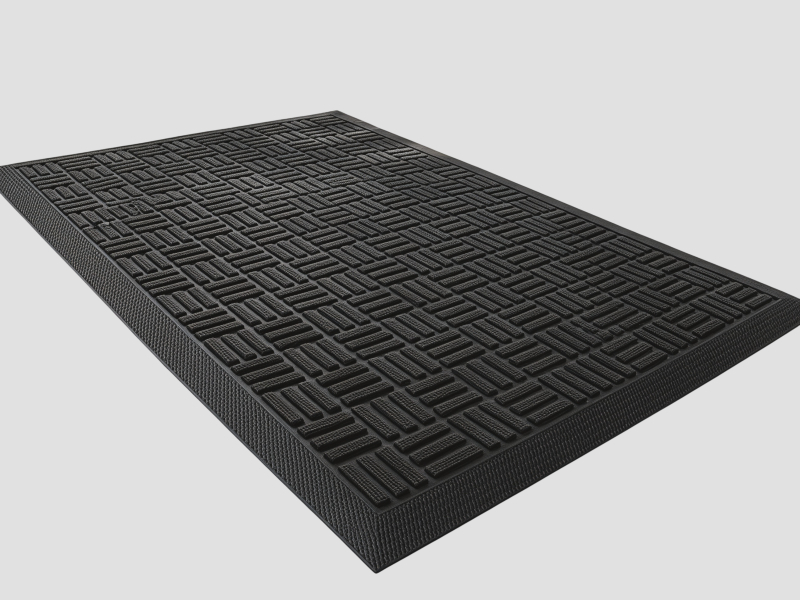
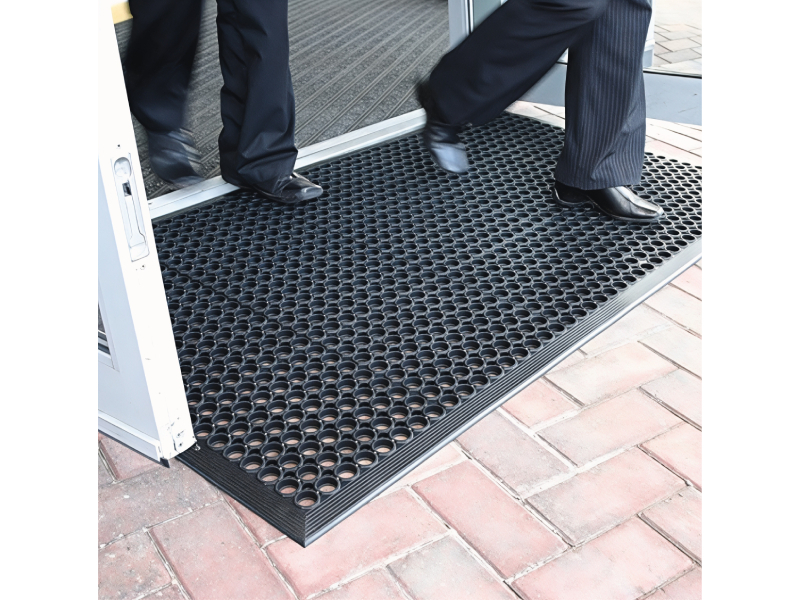
4. Safety: Non-slip carpets can help minimize the risk of slips and falls, enhancing safety in commercial and residential spaces.
5. Insulation: Carpets help with thermal insulation, keeping spaces warmer in colder months and reducing energy costs.
6. Versatility: With numerous styles and materials available, carpets and rugs can be tailored to meet specific needs in different environments.
𝗕𝘂𝘆𝗶𝗻𝗴 𝗚𝘂𝗶𝗱𝗲 𝗳𝗼𝗿 𝗕𝟮𝗕 𝗕𝘂𝘆𝗲𝗿𝘀
When sourcing carpets and rugs, B2B buyers should consider several important factors to ensure they make informed decisions.
1. Quality Assessment: Evaluate the quality of materials and construction methods used in the carpets and rugs. Look for samples to assess durability and comfort.
2. Supplier Verification: Conduct thorough research to vet suppliers. Check references and reviews to ensure reliability and quality of service.
3. Pricing and MOQ: Understand the pricing structures and minimum order quantities. Compare quotes from multiple suppliers to find the best value.
4. Delivery and Lead Times: Discuss delivery schedules and lead times with suppliers to ensure timely project completion.
5. Compliance Requirements: Be aware of any regulatory standards and certifications that apply to the carpets and rugs, ensuring compliance with industry standards.
𝗖𝗼𝗺𝗽𝗹𝗶𝗮𝗻𝗰𝗲 𝗮𝗻𝗱 𝗖𝗲𝗿𝘁𝗶𝗳𝗶𝗰𝗮𝘁𝗶𝗼𝗻𝘀
Compliance and certifications are critical components in the carpet and rug industry. Relevant quality standards such as ISO 9001 ensure that manufacturers maintain high levels of quality management. Additionally, certifications like CE indicate that products meet European safety, health, and environmental protection standards.
Safety and testing requirements are often established to protect consumers and ensure product reliability. Many manufacturers also adhere to environmental compliance considerations, particularly concerning sustainable production practices and material sourcing.
As the industry evolves, staying informed about regional compliance requirements is essential. This may include specific regulations that differ from one country to another, ensuring that products are not only safe but also environmentally responsible.
𝗪𝗵𝘆 𝗦𝗼𝘂𝗿𝗰𝗲 𝗖𝗮𝗿𝗽𝗲𝘁𝘀 & 𝗥𝘂𝗴𝘀 𝗳𝗿𝗼𝗺 𝗣𝗲𝗽𝗮𝗴𝗼𝗿𝗮?
Pepagora offers a trusted platform for sourcing carpets and rugs, providing several key advantages that benefit B2B buyers.
Verified Supplier Network: Pepagora ensures that all suppliers are thoroughly vetted, providing buyers with confidence in the quality of products and services. This network helps streamline the sourcing process and minimizes risks associated with unverified suppliers.
Streamlined RFQ Process: The request for quotation (RFQ) system is designed to facilitate quick and efficient communication between buyers and suppliers. This system allows for easy comparison of quotes, ensuring buyers can make informed decisions.
Trade Assurance and Support: Pepagora provides buyer protection through trade assurance policies, which safeguard transactions and ensure that suppliers meet their commitments. This support builds trust between buyers and suppliers.
Regional Coverage: With a broad geographic reach across India, the GCC, and Southeast Asia, Pepagora connects buyers with suppliers in key markets. This regional coverage enhances accessibility to a diverse range of carpets and rugs, catering to various business needs.

 IN
IN