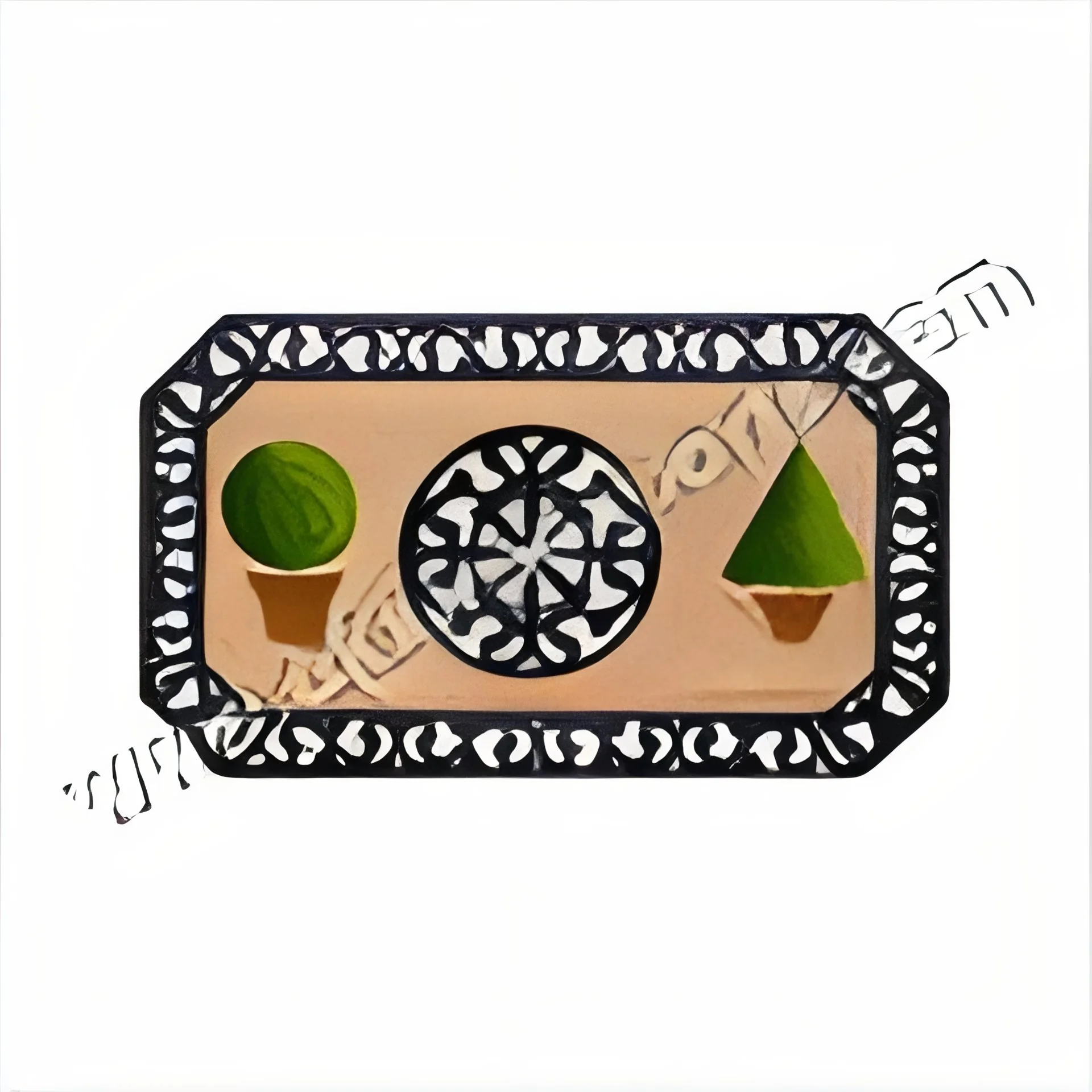
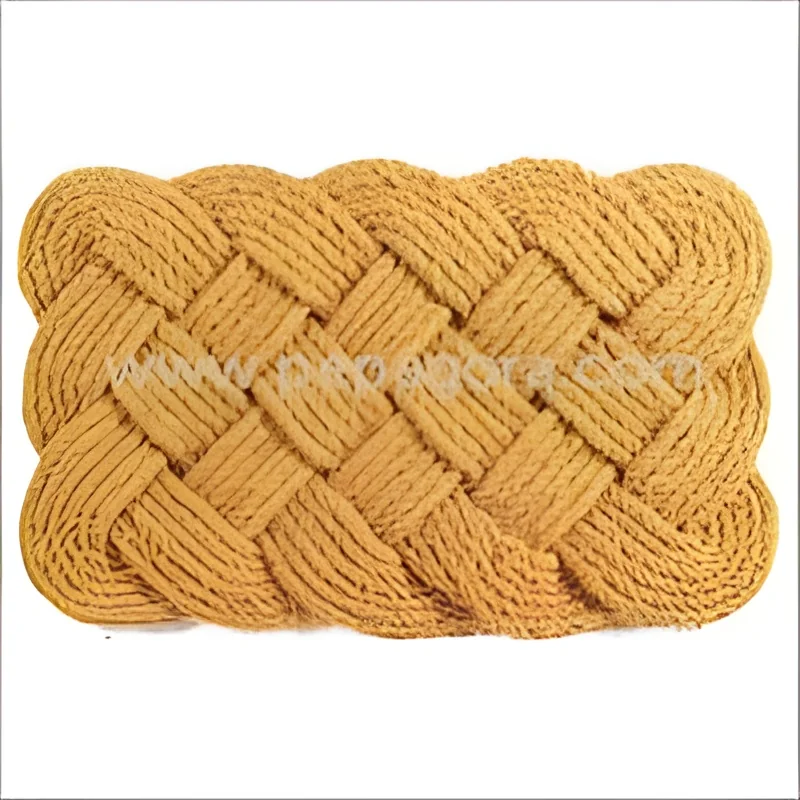
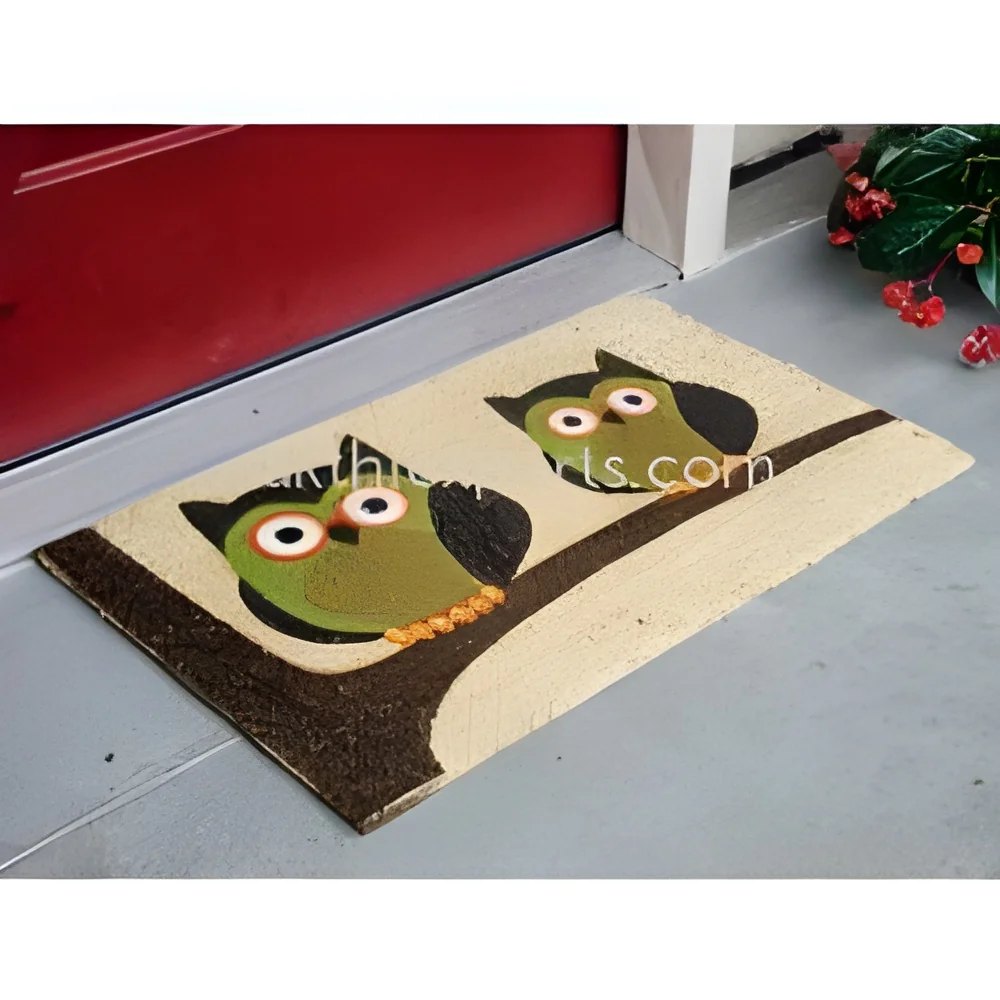
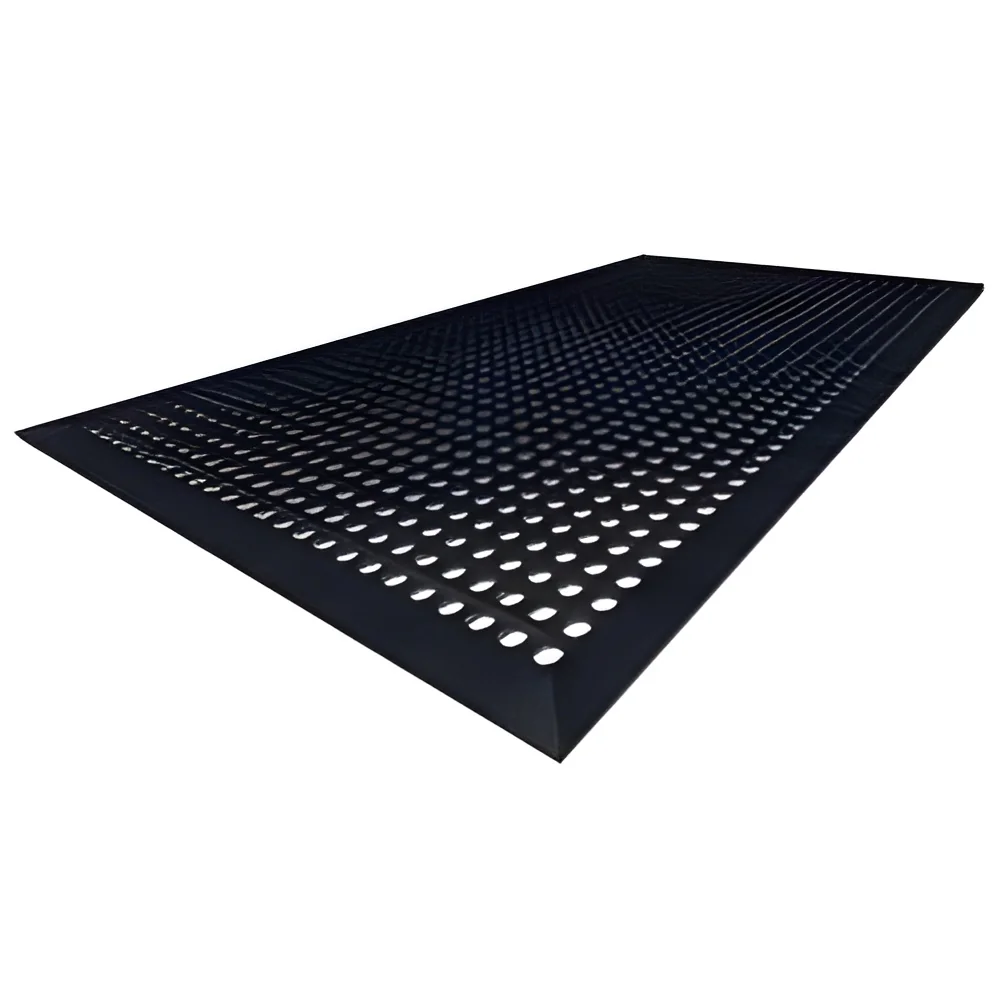
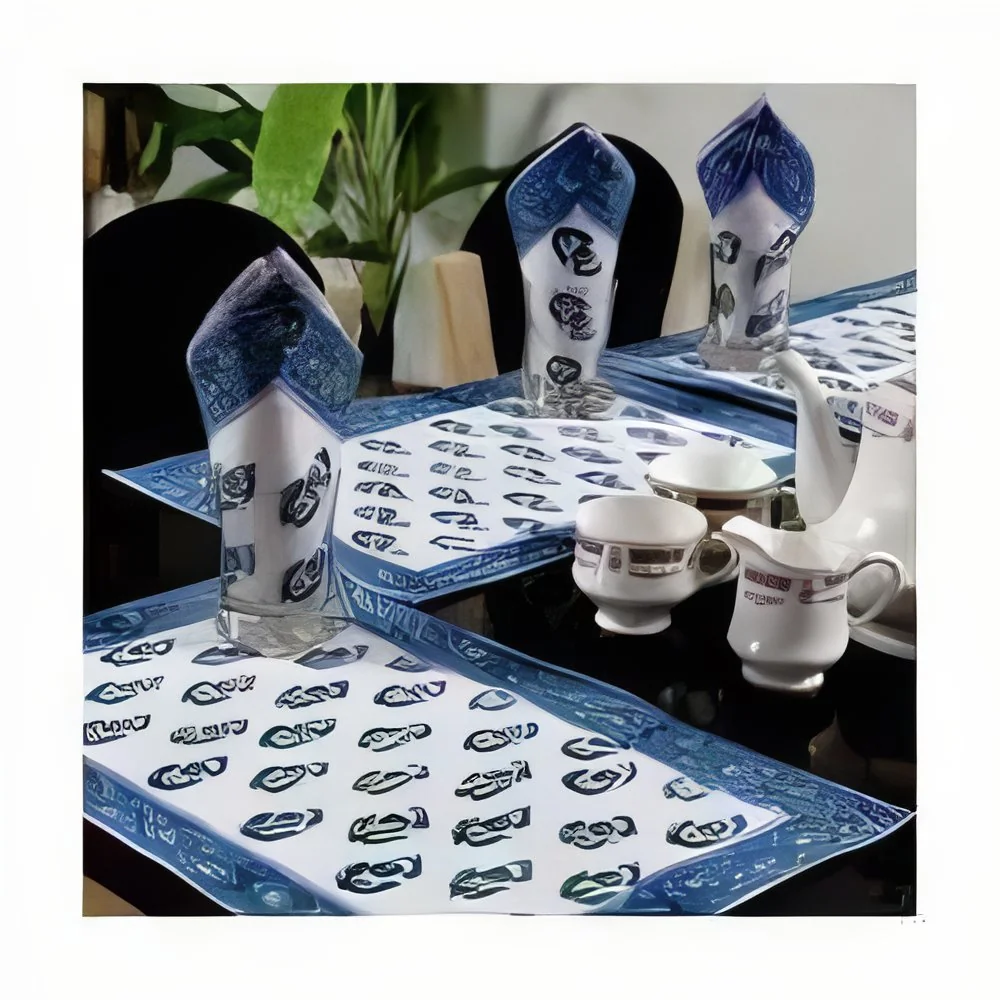
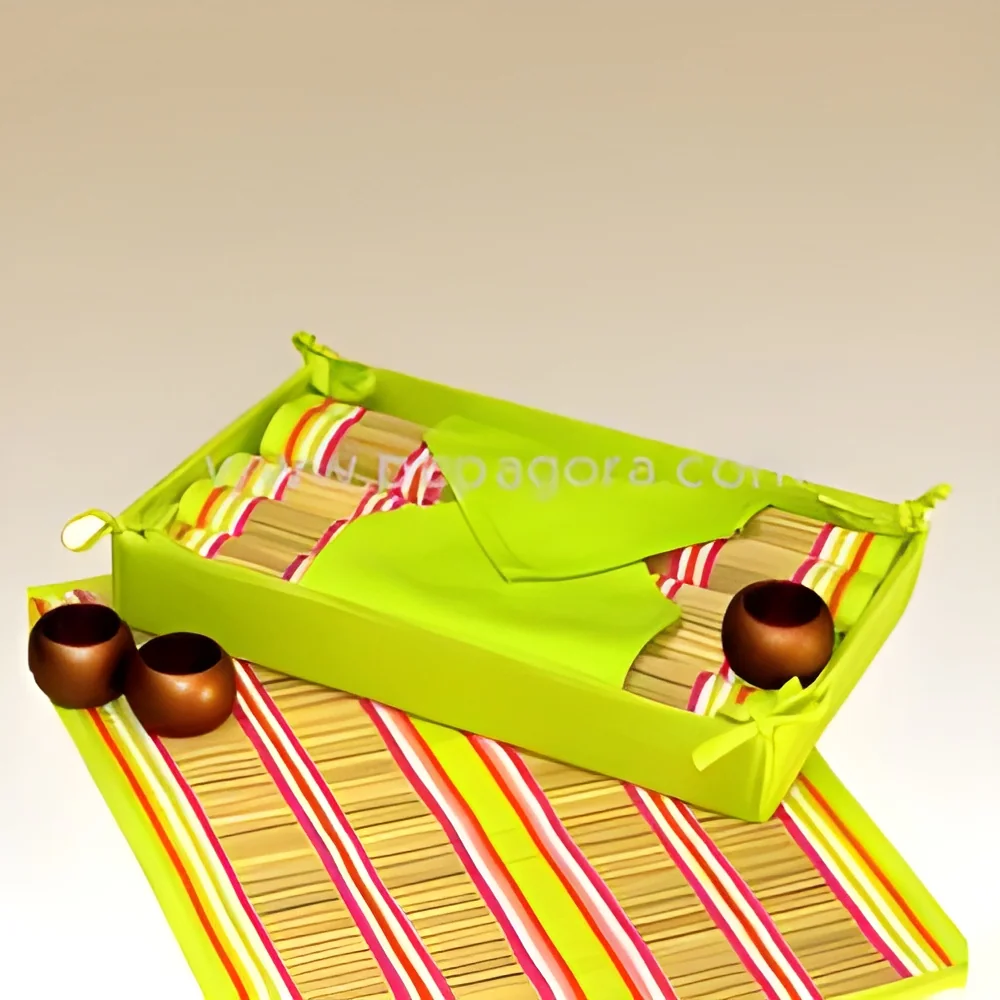
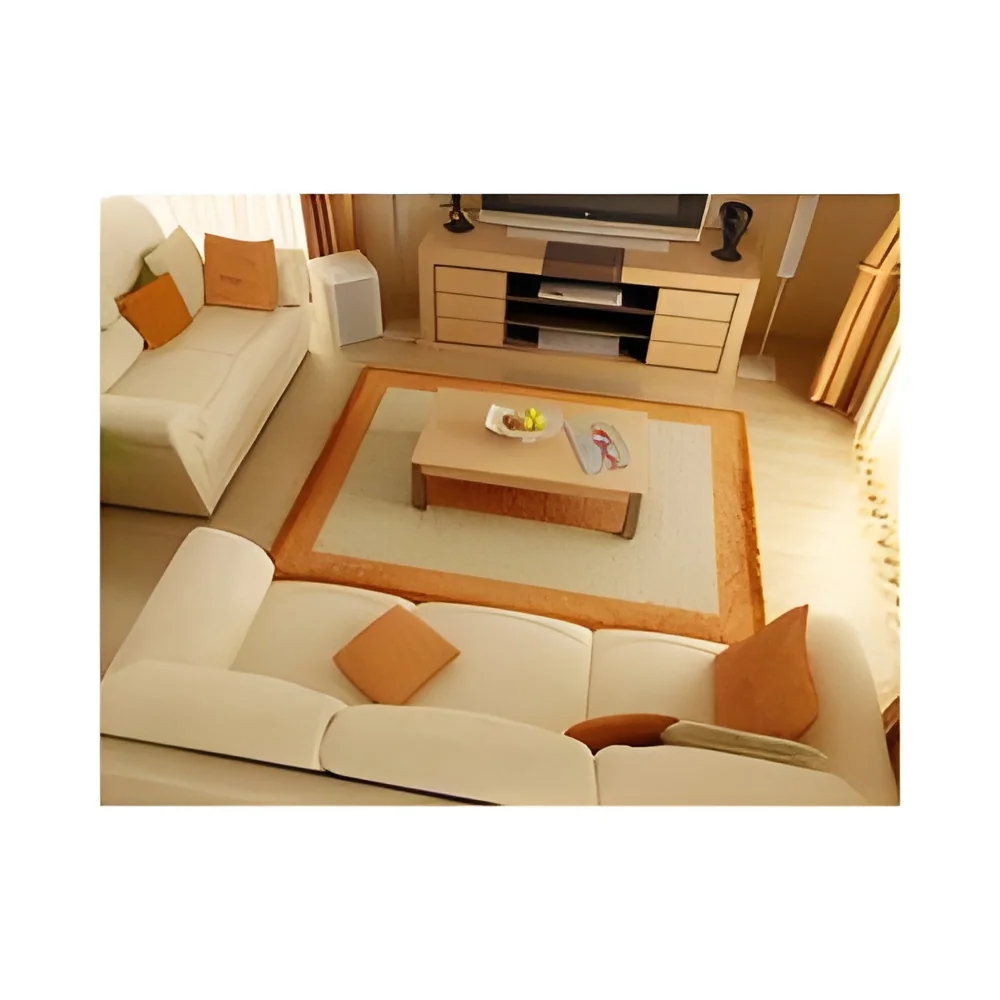
What are Living Room Rugs?
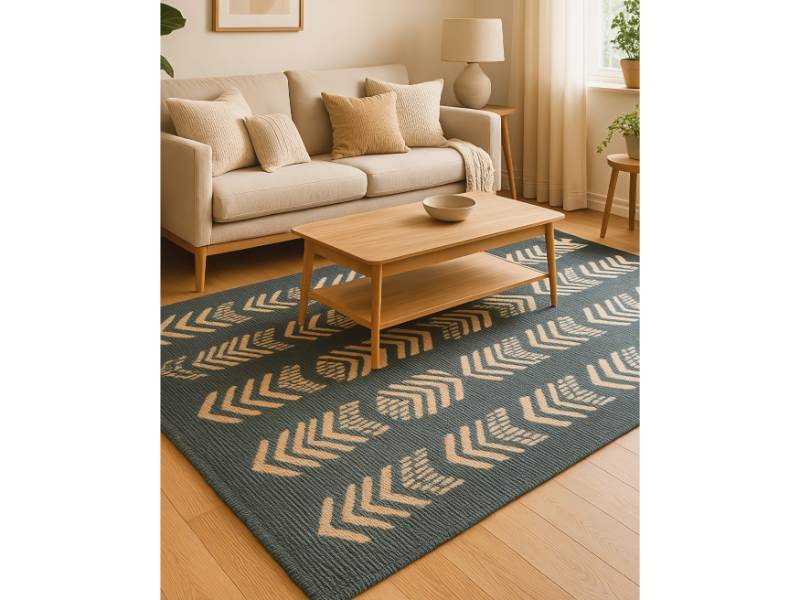
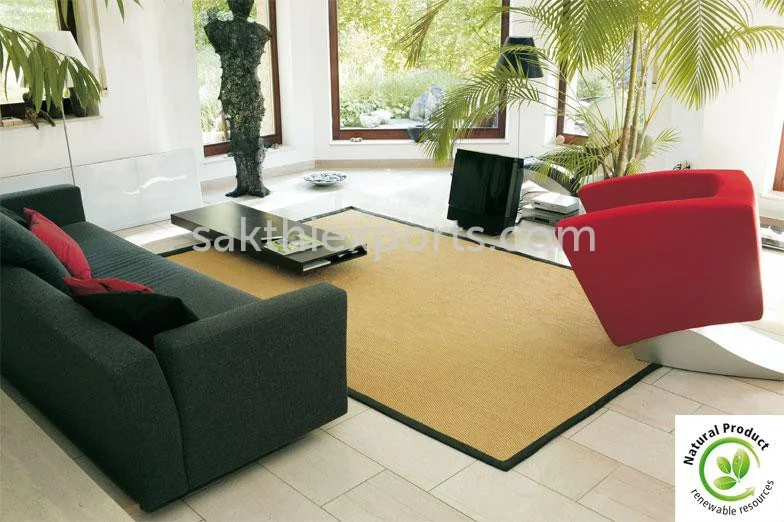
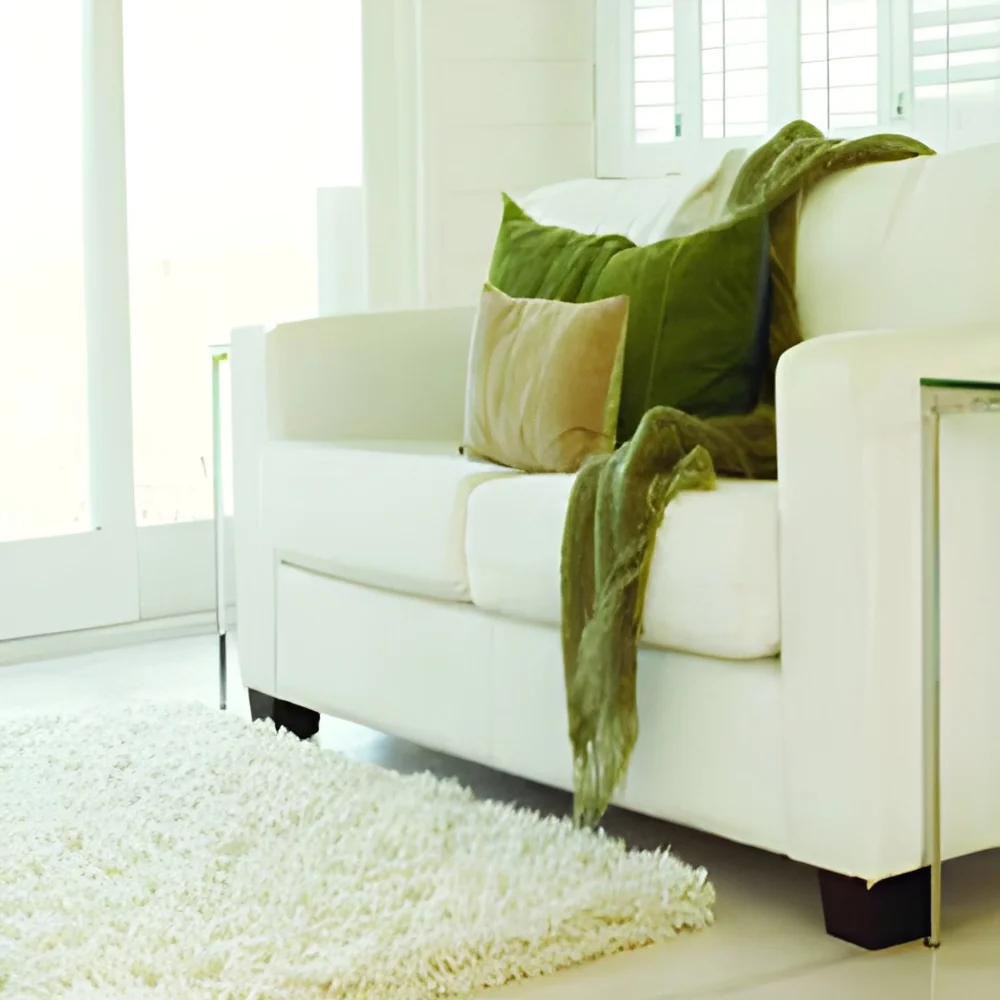
Living room rugs are decorative textile pieces designed to enhance the aesthetic appeal and comfort of living spaces. These rugs come in various shapes, sizes, and materials, catering to diverse design preferences and functional requirements. They serve as focal points in a room while also providing warmth, reducing noise, and protecting flooring from wear and tear.
In business applications, living room rugs are essential for interior design firms, hospitality businesses, and furniture retailers. They help in creating inviting atmospheres for residential and commercial spaces alike. By selecting appropriate rugs, businesses can improve customer experience and satisfaction, as well as elevate the overall brand image through thoughtful design choices.
The relevance of living room rugs in the market is growing, driven by trends in home decor and commercial interior design. With increased focus on comfort and style, the demand for high-quality rugs continues to rise. Businesses that supply or utilize living room rugs must remain aware of current trends and consumer preferences to stay competitive in this dynamic market.
Key Features and Specifications
Living room rugs come with a range of features and specifications that cater to the needs of various buyers. Understanding these specifications is crucial for making informed purchasing decisions.
Key specifications include:
1. Material
- Common materials include wool, synthetic fibers, cotton, and jute.
- Each material offers different levels of durability, comfort, and maintenance requirements.
2. Size
- Rugs are available in standard sizes such as 5x7 feet, 8x10 feet, and custom dimensions.
- The size should complement the room layout and furniture arrangement.
3. Pile Height
- The pile height can vary from low to high, impacting the rug's appearance and feel.
- Low pile rugs are easier to clean, while high pile rugs provide a plush texture.
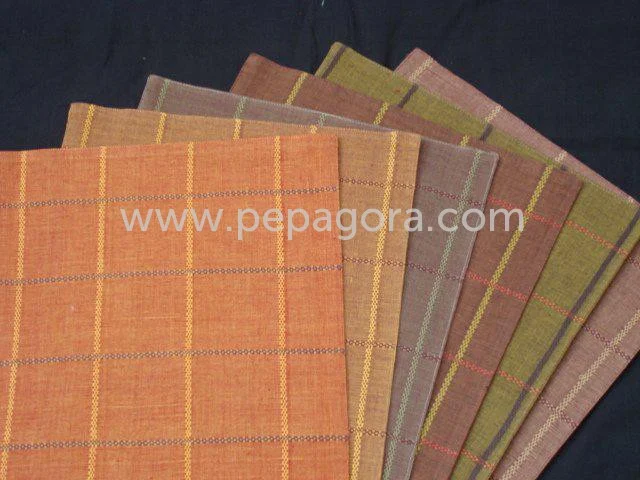
4. Style
- Styles range from traditional patterns to modern designs.
- The choice of style should align with the overall decor theme of the space.
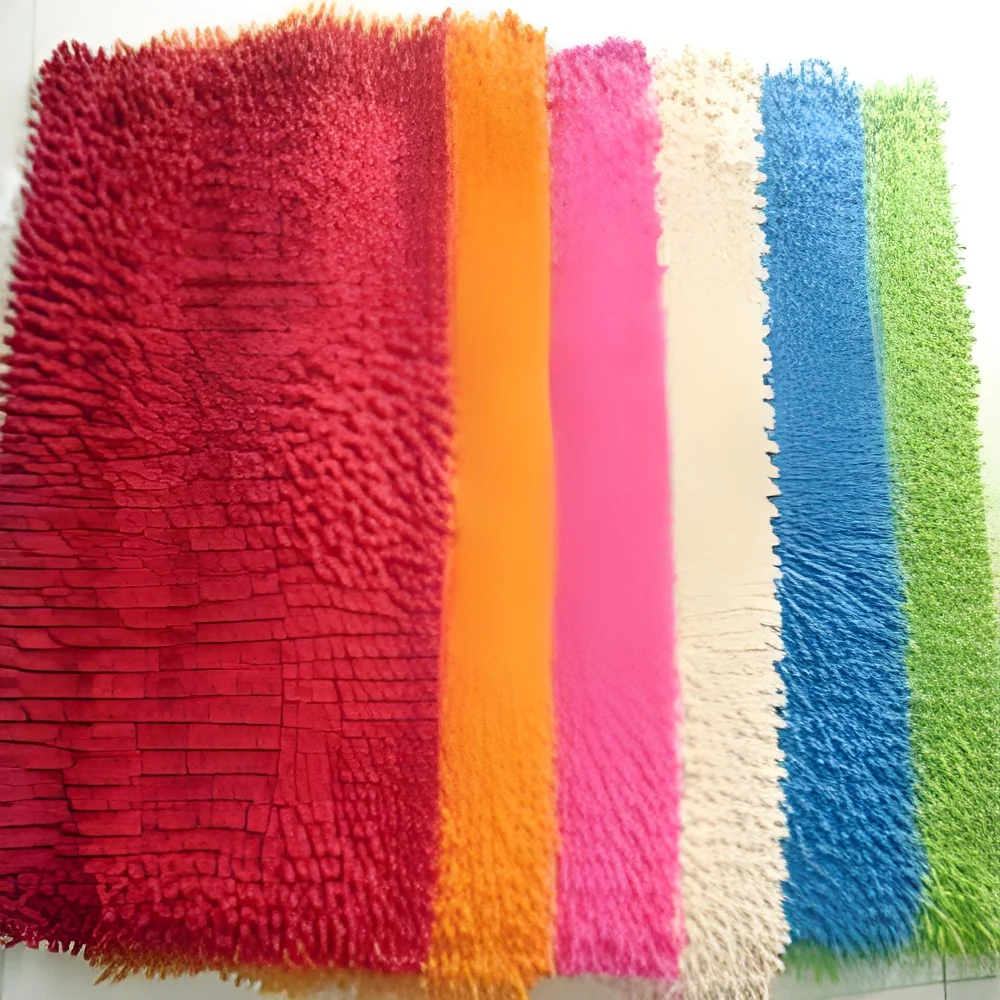
5. Color
- A wide palette of colors is available to match different interior aesthetics.
- Consideration of color can influence the mood and ambiance of the room.
6. Durability
- The durability of the rug is determined by its material and construction.
- High-quality rugs withstand heavy foot traffic and resist wear over time.
7. Maintenance
- Different rugs require varying levels of maintenance, including cleaning frequency and methods.
- Some materials are stain-resistant, while others may require special care.
8. Certifications
- Many rugs come with certifications like CE for safety and quality assurance.
- Certifications can provide peace of mind about environmental impact and health standards.
In summary, the features and specifications of living room rugs play a vital role in their functionality and appeal. Understanding these aspects allows businesses to choose products that meet their specific needs and preferences.
Common Applications and Use Cases
Living room rugs find applications across a variety of industries, making them versatile products for numerous settings.
1. Residential Interior Design: Living room rugs are essential in homes to enhance decor and provide comfort. They serve as a base for furniture arrangements and create a cozy atmosphere.
2. Hospitality: Hotels and restaurants utilize living room rugs to create inviting spaces for guests. They contribute to the overall ambiance and can withstand high foot traffic.
3. Retail: Furniture and home decor retailers use living room rugs as part of showroom displays. They help customers visualize how products will look in their own spaces.
4. Corporate Offices: Living room-style rugs are increasingly used in office settings to create informal meeting areas. They promote a relaxed environment for collaboration.
5. Event Planning: Event planners incorporate rugs into stage setups and lounge areas for a sophisticated touch. They enhance the visual appeal of events and provide comfort to attendees.
6. Real Estate Staging: Real estate agents often use rugs to stage homes for sale. They help potential buyers envision themselves in the space by adding warmth and style.
7. Educational Institutions: Some schools and universities use rugs in lounge areas to create friendly and welcoming environments for students and faculty.
Product Variants and Subcategories
Living room rugs come in various types, each designed to meet different aesthetic and functional needs.
Wool Rugs
Wool rugs are known for their durability and natural warmth. They are often used in high-end residential and commercial settings due to their luxurious feel and resilience. Wool rugs can also offer sound insulation and are available in numerous designs.
Synthetic Rugs
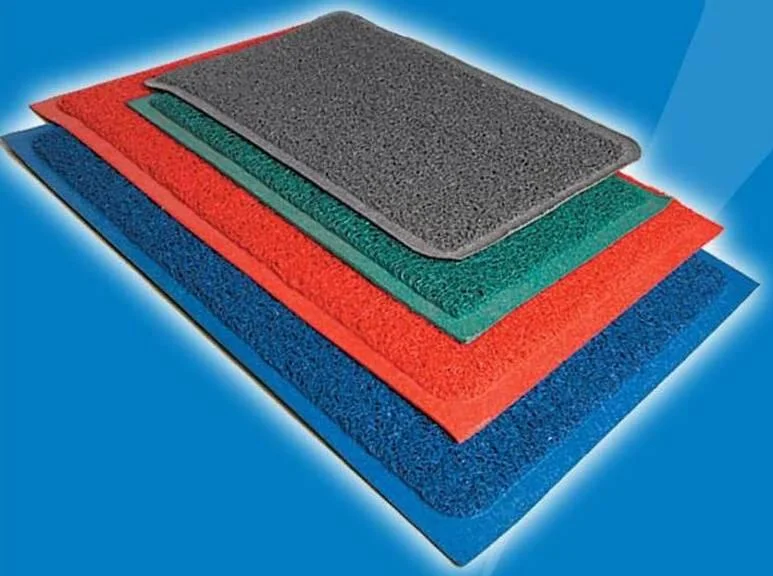
Synthetic rugs, made from materials like nylon or polyester, are popular for their affordability and ease of maintenance. They are ideal for high-traffic areas and come in a wide range of colors and styles, making them versatile choices for both homes and businesses.
Cotton Rugs
Cotton rugs are lightweight and easy to clean, making them suitable for casual settings. They are often used in family rooms and children’s spaces due to their softness and versatility. Cotton rugs can be found in various patterns, adding a playful touch to any decor.
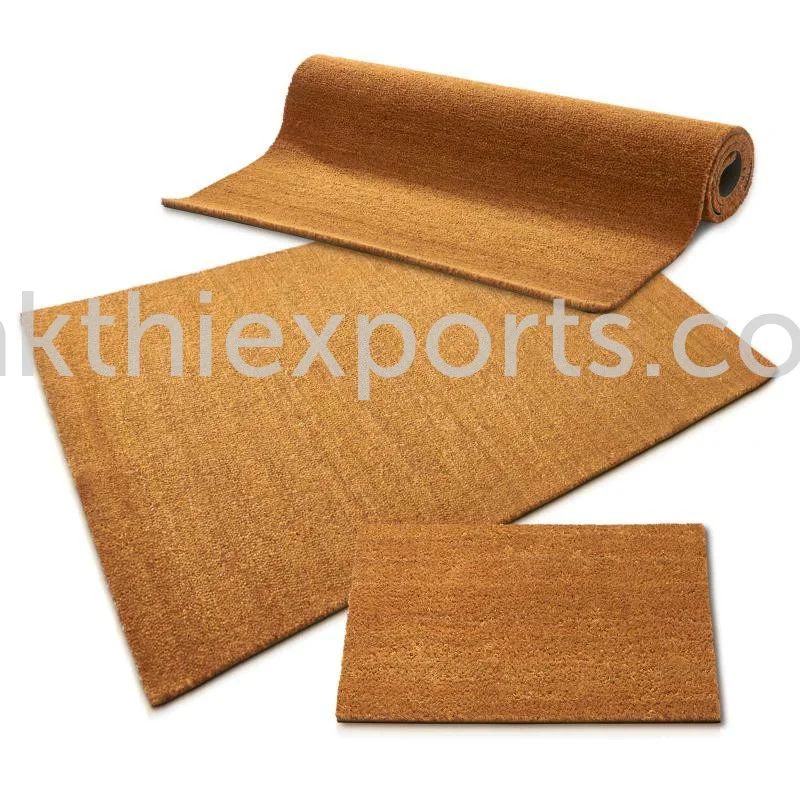
Jute Rugs
Jute rugs are made from natural fibers and provide an earthy aesthetic. They are typically used in eco-friendly designs and can complement rustic or coastal themes. Jute is biodegradable and sustainable, appealing to environmentally conscious consumers.
Benefits and Advantages
Living room rugs offer numerous benefits that enhance both aesthetic and functional aspects of spaces.
1. Comfort: Rugs provide a soft surface underfoot, making living areas more comfortable for walking and sitting.
2. Aesthetic Appeal: They serve as focal points that tie together the decor of a room, enhancing its overall visual appeal.
3. Noise Reduction: Rugs help absorb sound, reducing echoes and creating a quieter living environment, especially in open spaces.
4. Floor Protection: Rugs protect flooring from scratches, dents, and stains, prolonging the life of the underlying surfaces.
5. Insulation: Rugs add an extra layer of insulation, helping to maintain room temperature and reduce energy costs.
6. Safety: Non-slip options available for rugs can prevent slips and falls, making spaces safer for residents and guests.
Buying Guide for B2B Buyers
When sourcing living room rugs, B2B buyers should consider several key factors to ensure they make informed purchases.
1. Quality Assessment: Buyers should evaluate rug quality based on materials, construction, and durability. Higher quality rugs typically offer better performance and longevity.
2. Supplier Verification: It is essential to vet suppliers for reliability and reputation. Buyers should check references and verify certifications to ensure product quality.
3. Pricing and MOQ: Understanding price ranges and minimum order quantities is crucial for budgeting. Buyers should compare different suppliers to find the best value without compromising quality.
4. Delivery and Lead Times: Buyers should inquire about logistics, including delivery schedules and lead times. Timely delivery is critical for meeting project deadlines.
5. Compliance Requirements: Buyers must ensure rugs meet relevant safety and quality standards, as well as any regional regulatory requirements to avoid compliance issues.
Compliance and Certifications
Living room rugs must adhere to specific quality standards and certifications to ensure safety and performance. Standards such as ISO 9001 and CE certifications are often relevant in the industry. ISO 9001 ensures that products meet consistent quality management principles, while CE certification indicates compliance with European health, safety, and environmental protection standards.
Safety and testing requirements are also critical. Rugs should be tested for flammability, toxicity, and durability to ensure they are safe for use in homes and businesses. Regional compliance considerations may vary, with different countries having unique regulations regarding textile products.
By adhering to these compliance and certification requirements, manufacturers and suppliers can assure buyers of the quality and safety of living room rugs, thus enhancing their marketability.
Why Source Living Room Rugs from Pepagora?
Pepagora provides an excellent platform for sourcing living room rugs, offering numerous advantages to buyers.
Verified Supplier Network: Pepagora ensures a reliable network of verified suppliers, allowing buyers to find trusted sources for high-quality rugs. This verification process helps mitigate risks associated with purchasing from unknown suppliers.
Streamlined RFQ Process: The Request for Quotation process on Pepagora is designed for efficiency. Buyers can easily submit their requirements and receive competitive quotes from multiple suppliers, saving time in the sourcing process.
Trade Assurance and Support: Pepagora offers trade assurance to protect buyers throughout the purchasing journey. This includes support in resolving disputes and ensuring product delivery as promised.
Regional Coverage: With a strong presence in India, the GCC, and Southeast Asia, Pepagora caters to a wide range of buyers. This geographic reach allows businesses to access diverse suppliers and products that meet their specific needs.
In summary, Pepagora stands out as a comprehensive sourcing platform, connecting buyers with reliable suppliers while ensuring quality and support throughout the procurement process.

 IN
IN