
 IN
Floor Lamps
14 products available
What are Floor Lamps?
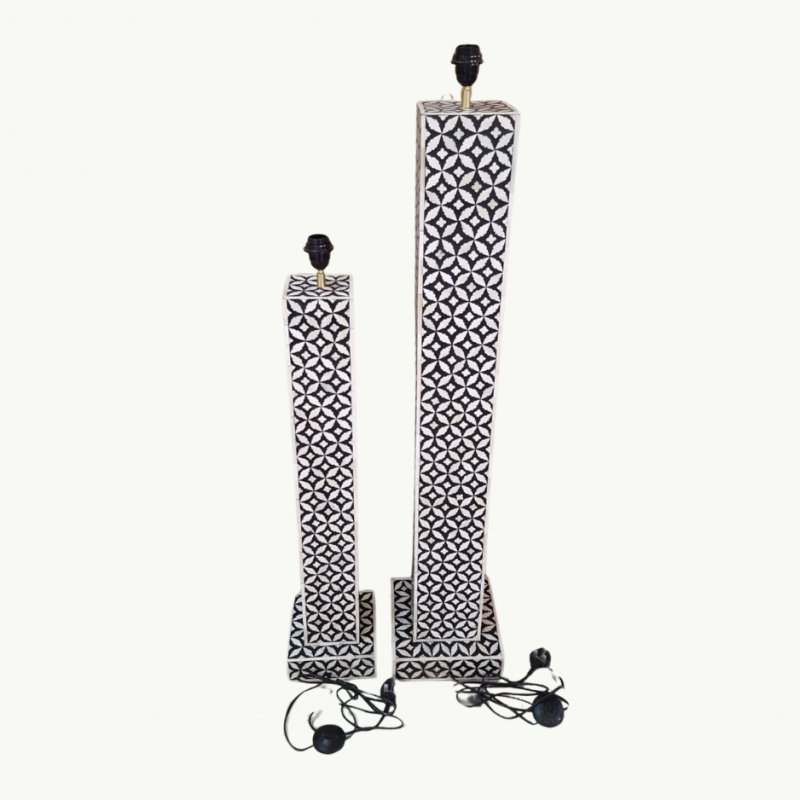
Floor lamps are lighting fixtures that stand on the floor and provide illumination for various environments. They typically consist of a base, a pole, and a light source at the top, which can be a bulb or LED. Floor lamps come in various designs, styles, and sizes, making them versatile for both functional and aesthetic purposes. They can serve to enhance the ambiance of a room while also providing necessary lighting for tasks such as reading or working.
In the B2B space, floor lamps are widely used in settings such as offices, showrooms, retail stores, and hospitality venues. They are often employed to create welcoming atmospheres or to highlight specific areas, such as display sections. Moreover, floor lamps can contribute to energy efficiency when equipped with modern lighting technologies, such as LED, making them an environmentally friendly choice for businesses looking to reduce their carbon footprint.
The market for floor lamps has witnessed growth due to the increasing emphasis on interior design and the demand for energy-efficient lighting solutions. As businesses strive to improve their workspaces and customer experiences, the relevance of stylish and functional lighting solutions continues to rise, making floor lamps an essential product in the industrial lighting sector.
Key Features and Specifications
Floor lamps offer a range of features and specifications that cater to different business needs. Understanding these specifications is crucial for selecting the right product for your application.
Key specifications include:
1. Design Style
- Available in contemporary, traditional, industrial, and minimalist styles.
- Affects the aesthetic integration within various environments.
2. Material Composition
- Common materials include metal, wood, and plastic.
- Determines durability and visual appeal.
3. Light Source Type
- Options include incandescent, fluorescent, and LED bulbs.
- Affects energy consumption and brightness levels.
4. Height Range
- Typically ranges from 4 to 6 feet.
- Important for fitting the lamp in specific spaces and achieving desired lighting effects.
5. Wattage
- Generally varies between 30 to 150 watts depending on the bulb type.
- Influences brightness and energy efficiency.
6. Switch Type
- Options include foot switches, dimmer switches, and pull chains.
- Provides user convenience and flexibility in light control.
7. Energy Efficiency Rating
- Measured in lumens per watt (LPW), with LED options being the most efficient.
- Important for businesses aiming to reduce energy costs.
8. Compliance Certifications
- Common certifications include CE for safety and quality assurance.
- Essential for regulatory compliance in commercial settings.
In summary, understanding the features and specifications of floor lamps helps businesses choose the right lighting solutions that meet both practical and aesthetic requirements.
Common Applications and Use Cases
Floor lamps find application across various industries due to their versatility and functionality.
1. Office Spaces: Floor lamps are used to provide ambient light that complements overhead lighting. They help reduce eye strain for employees working long hours.
2. Retail Environments: In retail stores, floor lamps can highlight merchandise and create inviting displays, enhancing the shopping experience for customers.
3. Hospitality: Hotels and restaurants utilize floor lamps to create cozy atmospheres in guest areas, lounges, and dining spaces, improving overall ambiance.
4. Residential Interiors: Interior designers often recommend floor lamps for home use, providing both task and ambient lighting in living rooms and bedrooms.
5. Event Venues: Floor lamps are frequently used in event spaces for decorative purposes, helping to set the mood for various occasions.
6. Educational Institutions: Libraries and study areas use floor lamps to provide adequate lighting for reading and studying, ensuring a comfortable learning environment.
7. Healthcare Facilities: Hospitals and clinics may use floor lamps to create a soothing atmosphere in patient rooms or waiting areas.
Product Variants and Subcategories
Floor lamps come in various designs and functionalities to meet diverse needs.
Modern Floor Lamps: These lamps often feature sleek lines and minimalistic designs, making them ideal for contemporary office spaces and homes. They usually come with energy-efficient LED options.
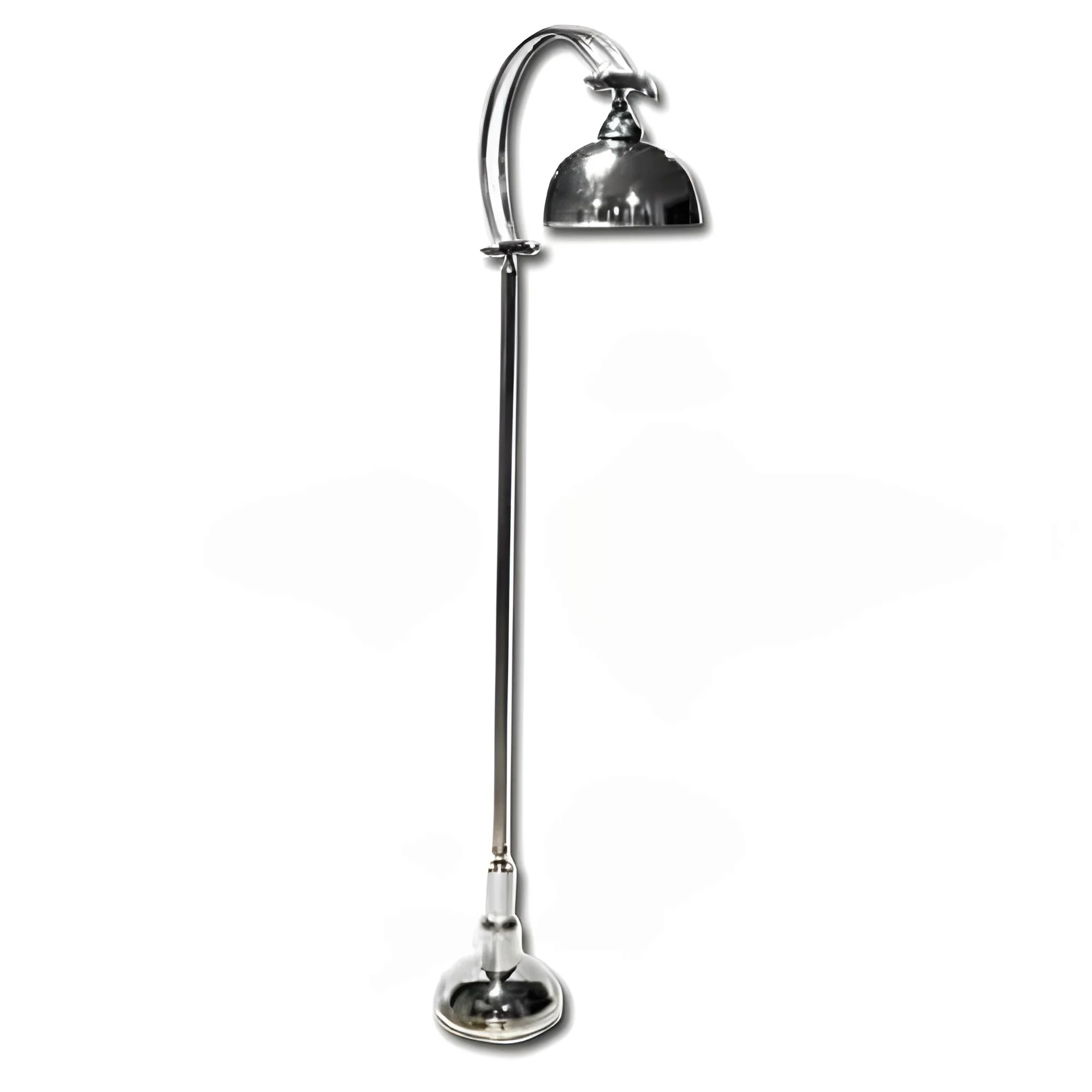
Arc Floor Lamps: Known for their unique arching design, these lamps provide overhead light while saving space. They are perfect for living rooms or reading areas, offering both style and functionality.
Torchiere Floor Lamps: These lamps direct light upward, creating indirect lighting that enhances room ambiance. They are often used in large spaces where soft lighting is desired.
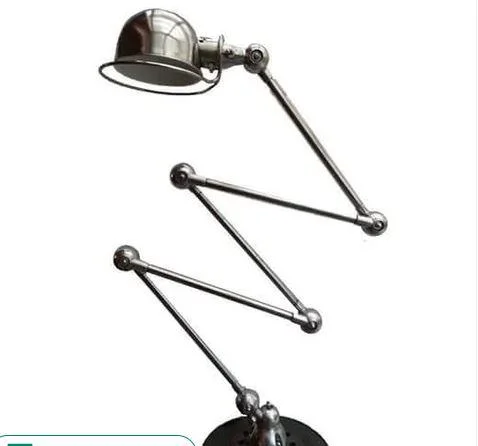
Task Floor Lamps: Designed for specific activities, these lamps usually feature adjustable arms and focused light. They are ideal for offices and workstations where detailed tasks are performed.
Benefits and Advantages
Investing in floor lamps offers several advantages for businesses.
1. Versatile Lighting Solutions: Floor lamps can be used in various settings, providing both ambient and task lighting based on specific needs.
2. Energy Efficiency: Many modern floor lamps use LED technology, which significantly reduces energy consumption compared to traditional lighting solutions.
3. Aesthetic Enhancement: Floor lamps can enhance the overall design and ambiance of a space, contributing to a more inviting environment for employees and customers alike.
4. Portability: Unlike fixed lighting installations, floor lamps can easily be moved to different locations, allowing for flexibility in lighting arrangements.
5. Easy Installation: Floor lamps do not require complex installation processes, making them a convenient option for businesses looking to improve lighting quickly.
6. Cost-Effective: With various price points available, businesses can find floor lamps that suit their budgets without compromising on quality or design.
Buying Guide for B2B Buyers
When purchasing floor lamps for business use, it is essential to consider several key factors to ensure you make informed decisions.
1. Quality Assessment: Evaluate the materials and construction of the lamps to ensure durability and longevity. Look for customer reviews and specifications to gauge performance.
2. Supplier Verification: Research potential suppliers, checking their reputation and reliability in providing quality products. Ensure they have a history of positive customer feedback.
3. Pricing and MOQ: Understand the price range for the lamps you are interested in and inquire about minimum order quantities (MOQ). This helps in budgeting and planning your purchases.
4. Delivery and Lead Times: Confirm the supplier’s delivery capabilities and lead times to ensure the lamps can be delivered when needed. Timeliness is crucial for business operations.
5. Compliance Requirements: Investigate any regulatory standards that apply to your industry, such as safety certifications. Ensure the floor lamps meet these standards to avoid compliance issues.
Compliance and Certifications
Compliance and certifications are crucial aspects of sourcing floor lamps for business applications.
Many floor lamps adhere to quality standards such as ISO 9001, which ensures that products meet consistent quality management criteria. This standard is vital for buyers seeking reliable and high-quality lighting solutions.
Additionally, CE certification is commonly associated with floor lamps, indicating compliance with European health, safety, and environmental protection standards. This certification assures buyers of the product's safety and reliability.
Safety and testing requirements are essential, particularly for products used in commercial settings. Ensuring that floor lamps meet these standards helps prevent potential hazards and liabilities.
Finally, regional compliance considerations may vary, so it is important for businesses to understand the specific regulations in their markets. Compliance with local laws and standards is crucial for maintaining a safe and trustworthy business environment.
Why Source Floor Lamps from Pepagora?
Pepagora provides a trusted platform for sourcing floor lamps with several key advantages.
Verified Supplier Network: Pepagora features a robust network of verified suppliers, ensuring that buyers can access quality products that meet their specific needs. This network helps streamline the sourcing process and build trust.
Streamlined RFQ Process: The platform offers an efficient request for quotation (RFQ) process, allowing buyers to easily communicate their requirements and receive competitive pricing from multiple suppliers. This simplifies decision-making and enhances procurement efficiency.
Trade Assurance and Support: Pepagora prioritizes buyer protection, offering trade assurance that safeguards transactions and provides support throughout the purchasing process. This assurance helps mitigate risks associated with sourcing.
Regional Coverage: With a wide reach across India, the GCC, and Southeast Asia, Pepagora connects buyers with suppliers in various regions. This extensive coverage facilitates access to diverse products and solutions tailored to specific market demands.

 India
 India
 India


 India


Frequently Asked Questions
What are Floor Lamps?
Floor lamps are tall, freestanding light fixtures designed to illuminate a room from the floor up. They typically consist of a base, a stand, and a light source covered by a shade. Floor lamps are versatile in design and can serve both functional and decorative purposes.
What are the different types of Floor Lamps?
There are several types of floor lamps, including arc lamps, torchiere lamps, and reading lamps. Arc lamps feature a curved arm that extends over a seating area, while torchiere lamps direct light upward. Reading lamps are often adjustable and designed for focused illumination.
How do I choose the right Floor Lamps?
To choose the right floor lamp, consider the room's size, purpose, and existing decor. Evaluate the lamp's height, brightness, and design to ensure it complements your space. Additionally, think about whether you need adjustable features for versatility.
What are the standard specifications for Floor Lamps?
Standard specifications for floor lamps include height, wattage, and bulb type. Most floor lamps range from 4 to 6 feet in height and commonly use LED or incandescent bulbs. It's essential to verify electrical compatibility and ensure the lamp meets local safety standards.
What is the price range for Floor Lamps?
The price range for floor lamps can vary widely, typically starting from around INR 1,500 and going up to INR 20,000 or more. Factors influencing the price include design complexity, materials used, and brand reputation. Budget options are readily available, as well as luxury designs.
What quality standards apply to Floor Lamps?
Quality standards for floor lamps often include electrical safety certifications, such as ISI or CE marking. These standards ensure that the lamps are safe for consumer use and meet performance criteria. Manufacturers should comply with relevant industry regulations to guarantee product quality.
Where can I find Floor Lamps suppliers in India?
You can find floor lamp suppliers in India through various online B2B marketplaces, industry trade shows, and local directories. Platforms like Pepagora.com provide a comprehensive listing of manufacturers and suppliers specializing in floor lamps. Always verify supplier credentials and product quality before making a purchase.
Can Floor Lamps be customized?
Yes, many manufacturers offer customization options for floor lamps, allowing you to select materials, colors, and designs that suit your specific needs. Customization may also include adjusting the lamp's height or shade style. It's advisable to discuss your requirements with the supplier beforehand.
What is the typical minimum order quantity for Floor Lamps?
The typical minimum order quantity (MOQ) for floor lamps can vary by supplier but generally ranges from 10 to 50 units. Some manufacturers may accommodate smaller orders, especially for custom designs. It's best to check with individual suppliers for their specific MOQs.
What is the typical lead time for Floor Lamps?
The typical lead time for floor lamps can range from 2 to 6 weeks, depending on factors such as the supplier's inventory, order volume, and customization options. For bulk orders or customized items, it's essential to confirm the expected delivery timeline with the supplier to plan accordingly.
Why Businesses Trust Pepagora
Thousands of companies trust Pepagora to source smarter and sell faster
Expand Your Sales Globally

Source Smarter,Grow Faster
