
 IN
Ethnic Dupattas
4 products available
What are Ethnic Dupattas?
Ethnic dupattas are traditional Indian scarves that serve as an integral part of various ethnic outfits, particularly in South Asia. Typically made from luxurious fabrics like silk, chiffon, and cotton, these dupattas are adorned with intricate embroidery, prints, and embellishments. They vary in design and color, reflecting diverse cultural heritage and artistry. Ethnic dupattas are not just accessories; they play a significant role in enhancing the overall aesthetic of an outfit while offering comfort and versatility.
These dupattas are primarily used in cultural and festive occasions, often paired with traditional attire such as sarees, lehengas, and salwar kameez. In the B2B market, they are popular among retailers, fashion designers, and wholesalers who seek to provide a variety of ethnic wear. The demand for these products is influenced by trends in fashion, seasonal changes, and cultural celebrations, making them a relevant product in the textile industry.
Key Features and Specifications
Ethnic dupattas exhibit a range of features that cater to both aesthetic and functional needs. Their specifications can greatly influence purchasing decisions, particularly in a B2B context.
Key specifications include:
1. Fabric Type
- Common fabrics include silk, chiffon, cotton, and georgette.
- Each fabric type offers a unique texture and drape.
2. Dimensions
- Standard lengths typically range from 2.5 to 3 meters.
- Widths usually vary from 0.75 to 1.2 meters, providing ample coverage.
3. Color Variability
- Available in a spectrum of colors, including vibrant hues and pastel shades.
- Custom color options may be available for bulk orders.
4. Embellishments
- Features like embroidery, mirror work, and sequins enhance visual appeal.
- Techniques can include handwork or machine-made designs.
5. Patterns
- Designs range from floral and geometric to traditional motifs.
- Seasonal collections often showcase contemporary trends.
6. Care Instructions
- Typically requires dry cleaning or gentle hand wash based on fabric.
- Maintenance guidelines help ensure longevity of the product.
7. Minimum Order Quantity (MOQ)
- MOQs can vary by supplier, often starting at 50 to 100 pieces.
- Larger orders may attract discounts or better pricing.
In summary, understanding these specifications can greatly assist B2B buyers in making informed decisions when sourcing ethnic dupattas.
Common Applications and Use Cases
Ethnic dupattas serve various industries beyond fashion retail, making them a versatile product in the market.
1. Fashion Retail: Used extensively by retailers to complement ethnic wear collections, enhancing the overall appeal of their offerings.
2. Event Management: Often utilized in cultural events, weddings, and festive occasions, where they add an element of traditional elegance.
3. Textile Manufacturing: Manufacturers incorporate ethnic dupattas in their product lines, leveraging the cultural significance of these items to attract consumers.
4. Wholesale Distributors: Wholesalers supply ethnic dupattas to boutiques and online retailers, meeting the demand for diverse ethnic apparel.
5. Export Markets: Increased demand in international markets for traditional Indian wear has led to a rise in export of ethnic dupattas.
6. Custom Apparel Design: Designers often use dupattas in custom outfits, offering unique pieces tailored to specific customer preferences.
7. Cultural Organizations: Used in cultural festivals and exhibitions to promote traditional attire and heritage.
Product Variants and Subcategories
Ethnic dupattas come in a diverse range of variants to cater to different tastes and requirements in the market.
Chikan Dupatta
This variant features intricate hand-embroidered patterns typical of Lucknow. Known for their delicate craftsmanship, Chikan dupattas are often made from lightweight fabrics, making them perfect for summer wear.
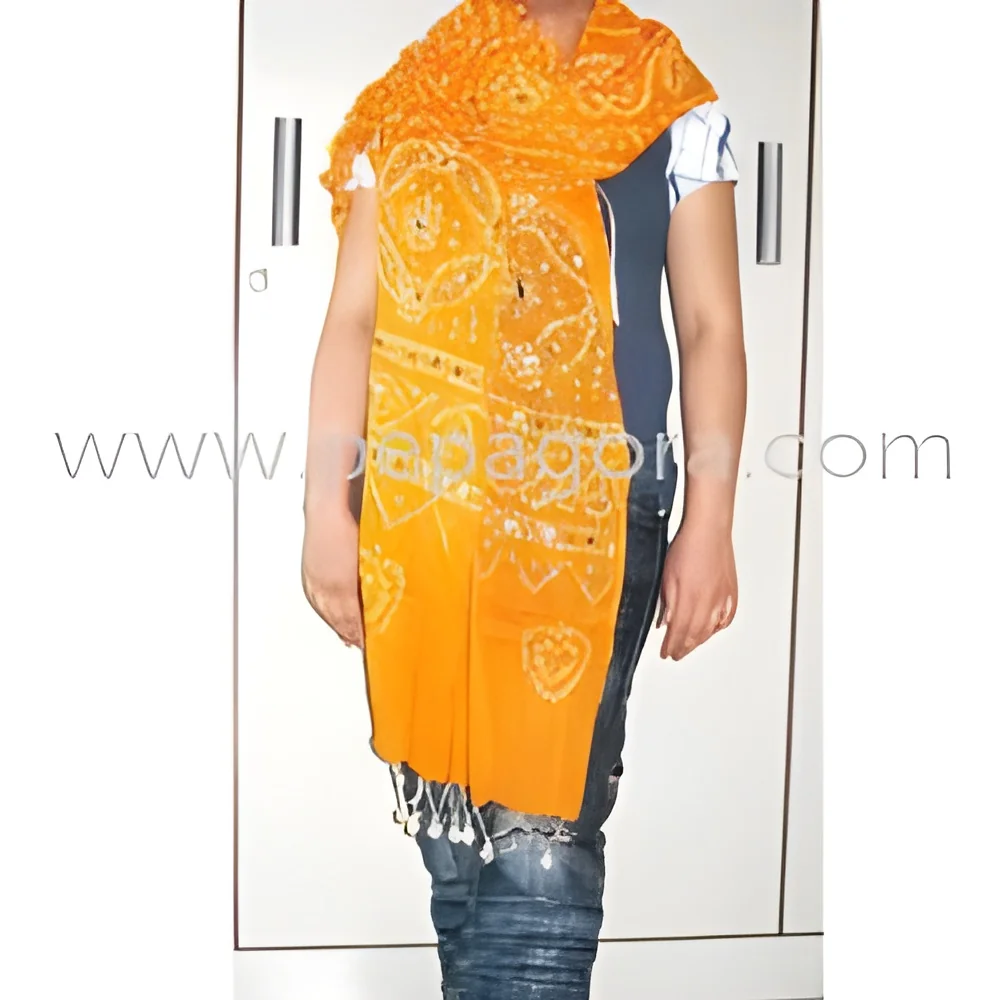
Bandhani Dupatta
Bandhani dupattas are characterized by their traditional tie-dye technique, resulting in vibrant, colorful patterns. These dupattas are popular for their unique designs and are often worn during festive occasions.
Lace Dupatta
Lace dupattas incorporate lacework along the borders, adding a modern twist to the traditional accessory. They are versatile and can be paired with both ethnic and contemporary outfits.
Printed Dupatta
These dupattas feature various prints, from floral to abstract designs. They provide a casual yet stylish option for everyday wear and are available in multiple fabric types.
Benefits and Advantages
Ethnic dupattas offer numerous benefits that make them a valuable addition to any retail or fashion line.
1. Versatility: Ethnic dupattas can be styled in various ways, making them suitable for different occasions, from casual to formal.
2. Cultural Appeal: They hold significant cultural value, attracting customers who appreciate traditional craftsmanship and heritage.
3. Fashion Statement: Dupattas enhance the overall aesthetic of an outfit, allowing wearers to express their personal style.
4. Seasonal Adaptability: Available in a range of fabrics, they cater to different weather conditions, from lightweight options for summer to heavier fabrics for winter.
5. Easy to Source: A wide network of suppliers and manufacturers makes it easy for B2B buyers to source these products in bulk.
6. Customization Options: Many suppliers offer customization in terms of color, design, and fabric, enabling businesses to meet specific customer demands.
Buying Guide for B2B Buyers
When sourcing ethnic dupattas, B2B buyers should consider several critical factors to ensure quality and suitability.
1. Quality Assessment: Buyers should evaluate the fabric quality, stitching, and craftsmanship. Sampling products before bulk orders can help in making informed decisions.
2. Supplier Verification: It is essential to vet suppliers for their credibility, production capabilities, and customer reviews. Engaging with manufacturers who have industry certifications can also ensure reliability.
3. Pricing and MOQ: Understanding the pricing structure and minimum order quantities is crucial for budgeting. Buyers should compare quotes from multiple suppliers to secure the best deal.
4. Delivery and Lead Times: Timely delivery is vital for meeting market demands. Buyers should discuss lead times and logistics with suppliers to avoid delays.
5. Compliance Requirements: Ensuring that products meet local and international regulations is important, particularly for exports. Buyers should inquire about any relevant certifications.
Compliance and Certifications
Ethnic dupattas must adhere to various quality standards and regulations to ensure safety and marketability.
Relevant quality standards such as ISO 9001 may apply, ensuring that manufacturers follow consistent quality management practices. Additionally, certifications like CE are important, particularly for products that may be exported to regions requiring compliance with specific safety standards.
Safety and testing requirements typically involve checking for harmful substances in fabrics, especially those that come in direct contact with skin.
Regional compliance considerations may vary, so B2B buyers should be aware of local regulations in their target markets to ensure that the products meet all necessary legal requirements.
Why Source Ethnic Dupattas from Pepagora?
Pepagora provides a trusted platform for sourcing ethnic dupattas with several key advantages.
Verified Supplier Network: Pepagora ensures that all suppliers are thoroughly vetted, allowing buyers to connect with reliable manufacturers. This reduces the risk associated with sourcing from unknown suppliers.
Streamlined RFQ Process: The platform facilitates a straightforward Request for Quotation (RFQ) process, enabling buyers to receive competitive bids from multiple suppliers quickly. This efficiency can significantly speed up the sourcing process.
Trade Assurance and Support: Buyers benefit from trade assurance, which protects their transactions and ensures they receive quality products as specified. Pepagora also provides customer support to address any inquiries or issues that may arise.
Regional Coverage: Pepagora has a comprehensive geographic reach, including India, the GCC, and Southeast Asia. This broad coverage allows buyers to access a diverse range of ethnic dupattas tailored to various markets and cultural preferences.



Frequently Asked Questions
What are Ethnic Dupattas?
Ethnic dupattas are traditional Indian shawls or scarves that are commonly worn with ethnic attire such as salwar kameez, lehengas, and sarees. They are made from various materials and often feature intricate designs, embroidery, or prints that reflect India's rich cultural heritage.
What are the different types of Ethnic Dupattas?
There are several types of ethnic dupattas, including chiffon, georgette, cotton, silk, and net dupattas. Each type varies in texture, weight, and drape, catering to different occasions and personal preferences.
How do I choose the right Ethnic Dupattas?
When choosing an ethnic dupatta, consider the fabric type, color, and design that complement your outfit. Additionally, assess the occasion—lighter fabrics are suitable for casual wear, while heavier, embellished dupattas are ideal for festive events.
What are the standard specifications for Ethnic Dupattas?
Standard specifications for ethnic dupattas include dimensions typically ranging from 2 to 3 meters in length and 1 meter in width. The fabric quality, weight, and finishing details such as borders and embellishments are also important aspects to consider.
What is the price range for Ethnic Dupattas?
The price range for ethnic dupattas can vary widely, starting from around INR 200 for basic designs and going up to several thousand rupees for high-end, designer pieces. Factors influencing the price include the fabric type, craftsmanship, and brand reputation.
What quality standards apply to Ethnic Dupattas?
Quality standards for ethnic dupattas are determined by the fabric's durability, colorfastness, and craftsmanship. Dupattas should be free from defects, with clean stitching and finishing, and should maintain their appearance after washing.
Where can I find Ethnic Dupattas suppliers in India?
You can find ethnic dupatta suppliers in India through online B2B marketplaces like Pepagora, trade fairs, and local textile markets. It's advisable to research suppliers and check reviews to ensure reliability and quality.
Can Ethnic Dupattas be customized?
Yes, ethnic dupattas can often be customized according to specific requirements, including fabric choice, color, and design patterns. Many manufacturers offer customization services to cater to individual preferences and bulk orders.
What is the typical minimum order quantity for Ethnic Dupattas?
The typical minimum order quantity (MOQ) for ethnic dupattas varies by supplier, but it usually ranges from 10 to 50 pieces for bulk orders. Custom orders may have different MOQs, so it's best to confirm with the supplier directly.
What is the typical lead time for Ethnic Dupattas?
The typical lead time for ethnic dupattas can range from 1 to 4 weeks, depending on the supplier's inventory and whether customization is required. It's important to communicate your timelines with the supplier to ensure timely delivery.
Why Businesses Trust Pepagora
Thousands of companies trust Pepagora to source smarter and sell faster
Expand Your Sales Globally

Source Smarter,Grow Faster
