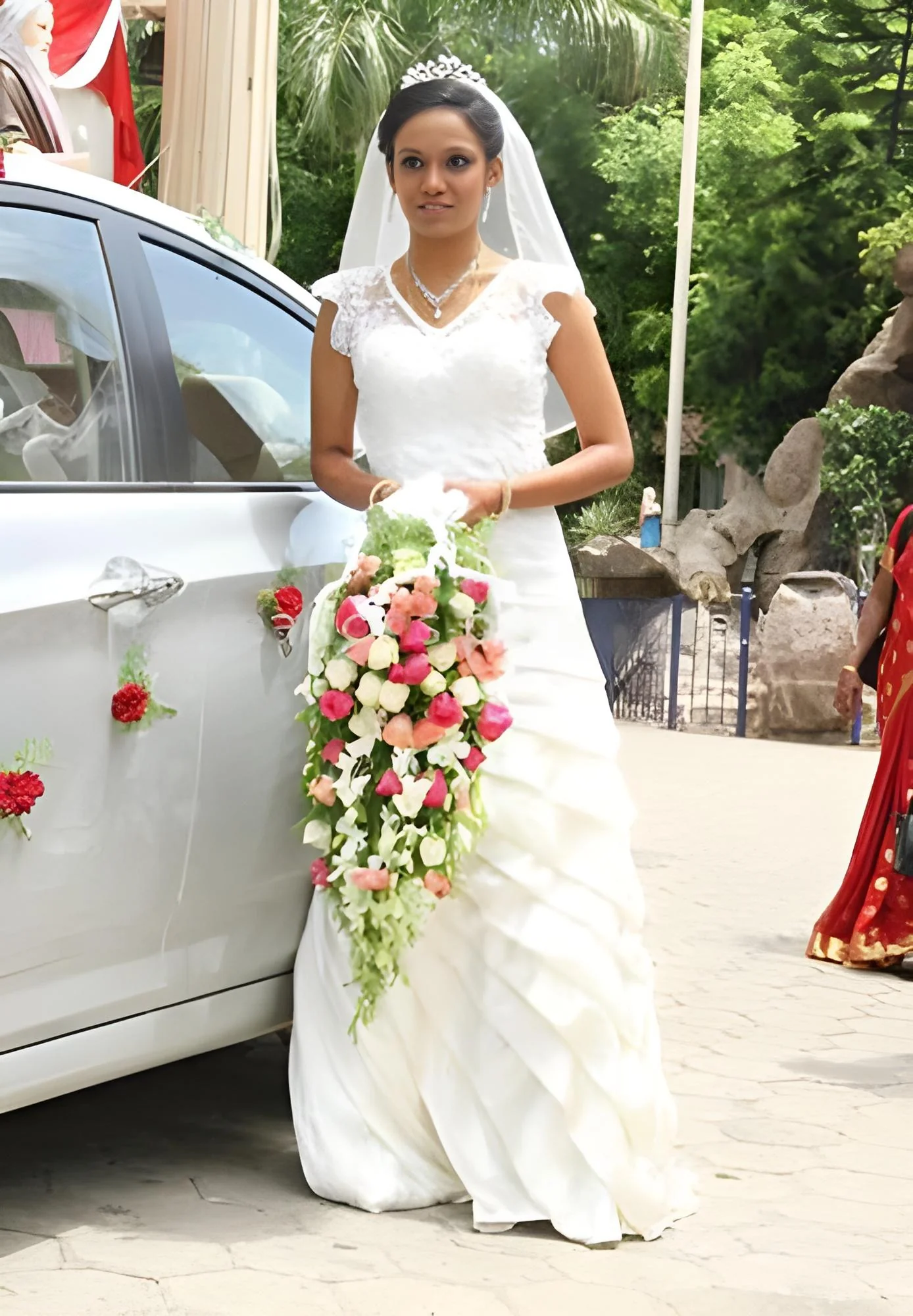
What are Other Party / Ethnic Wear?
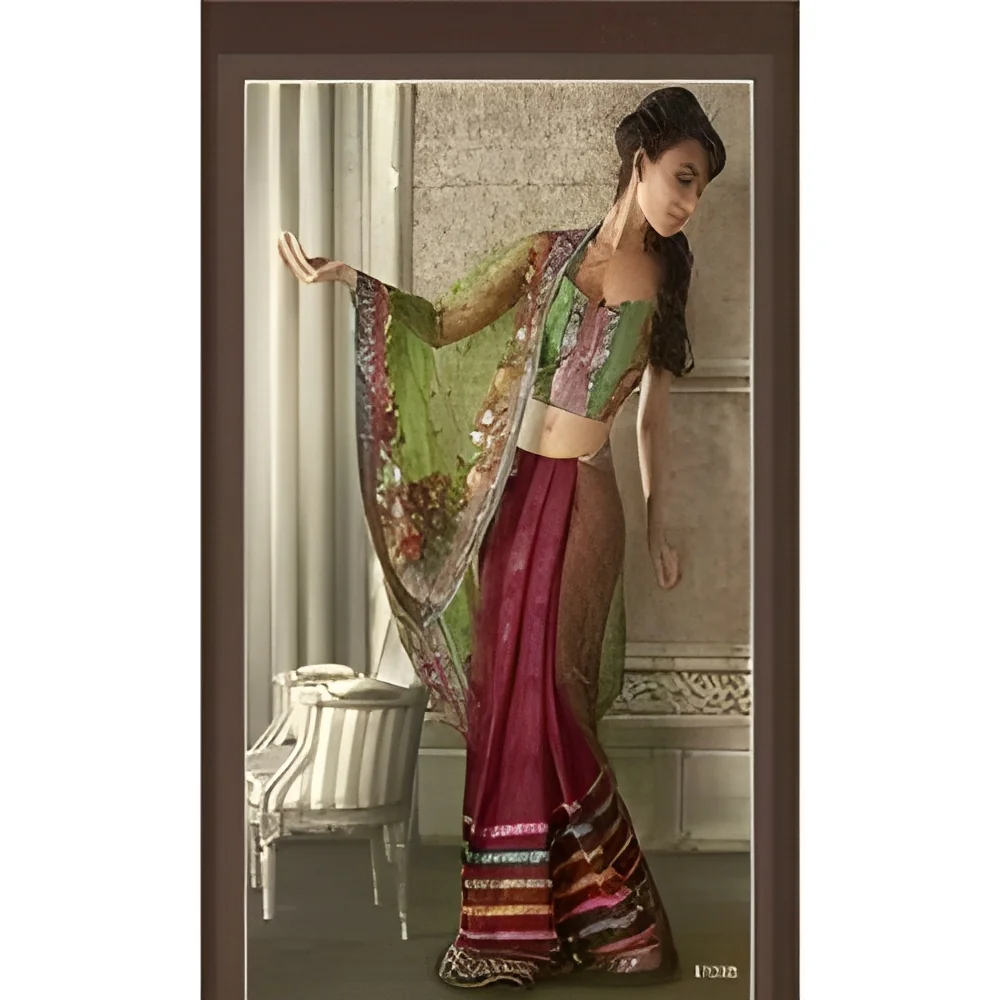
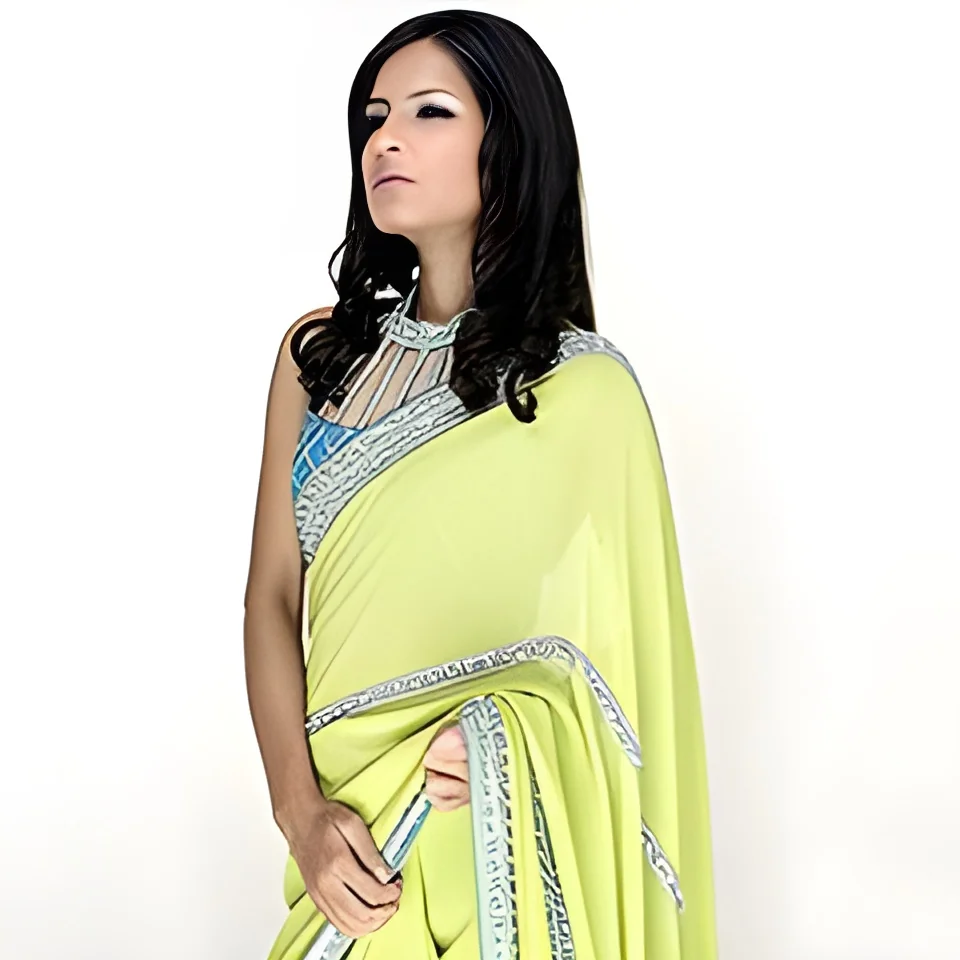
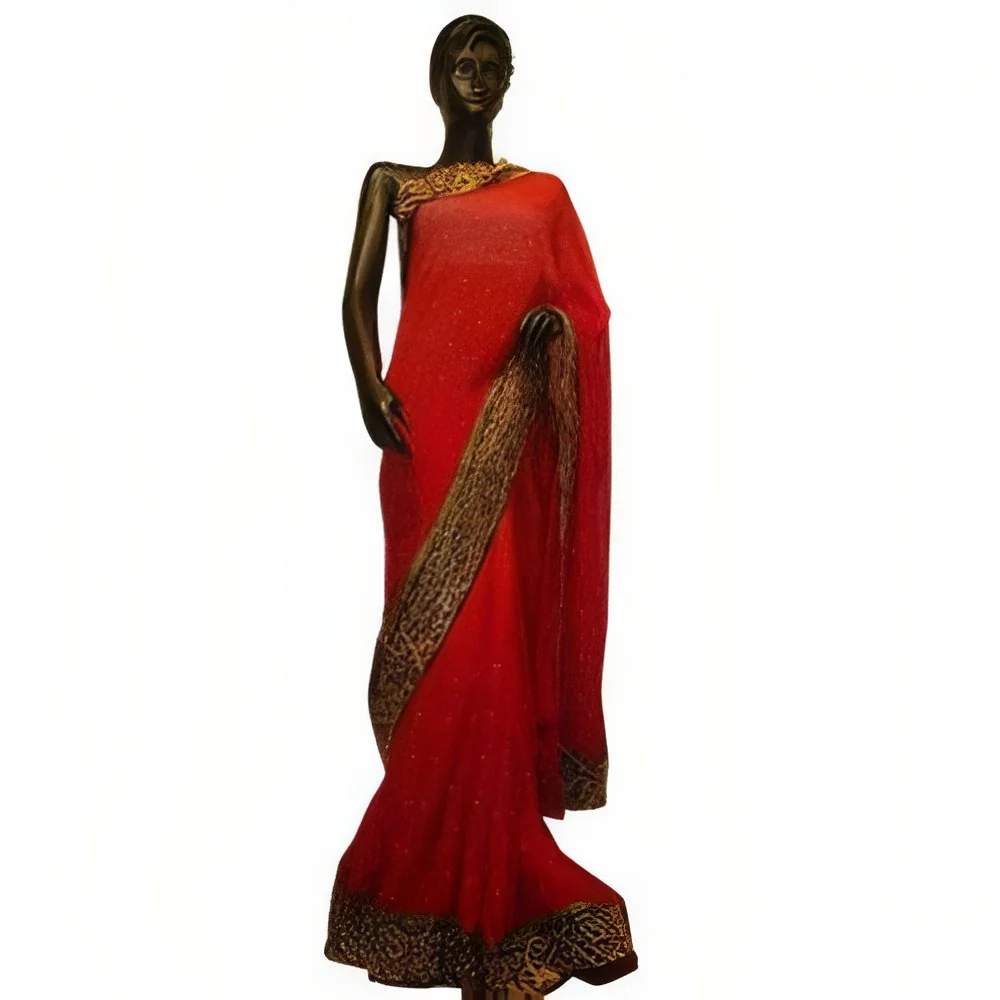
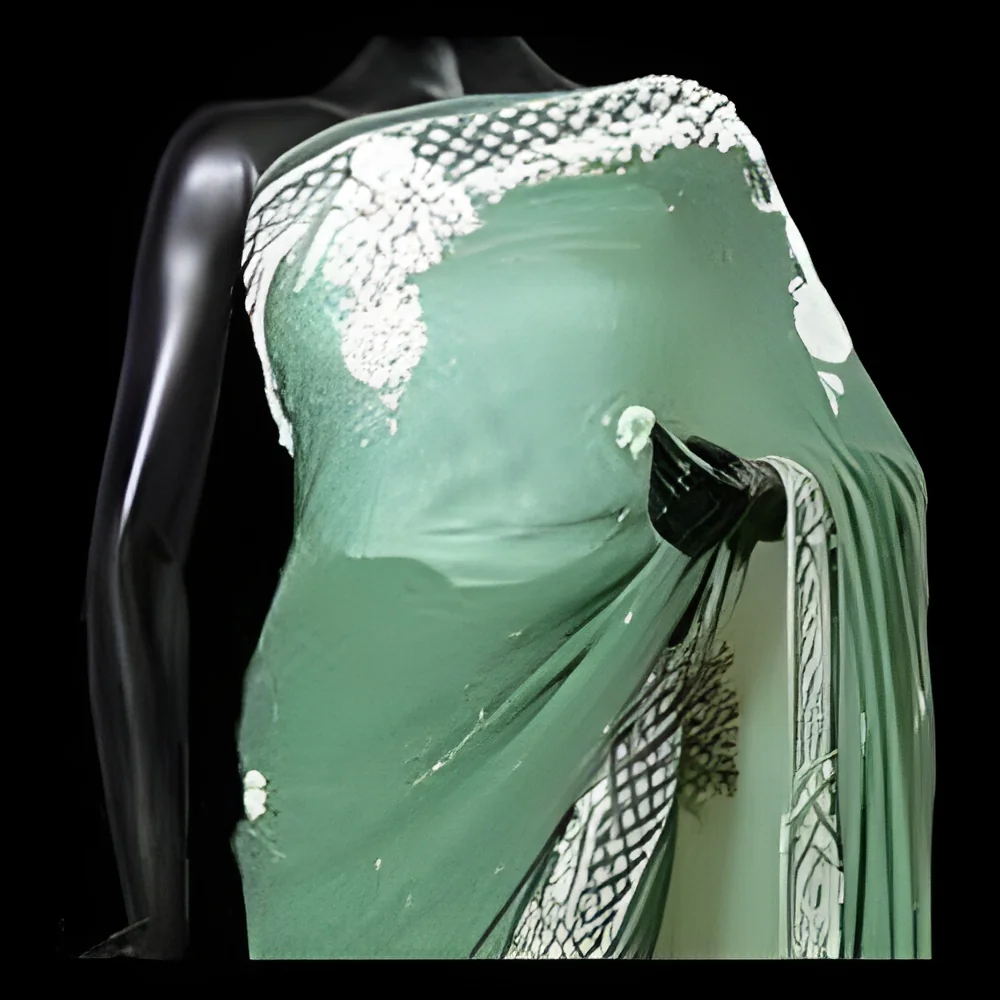
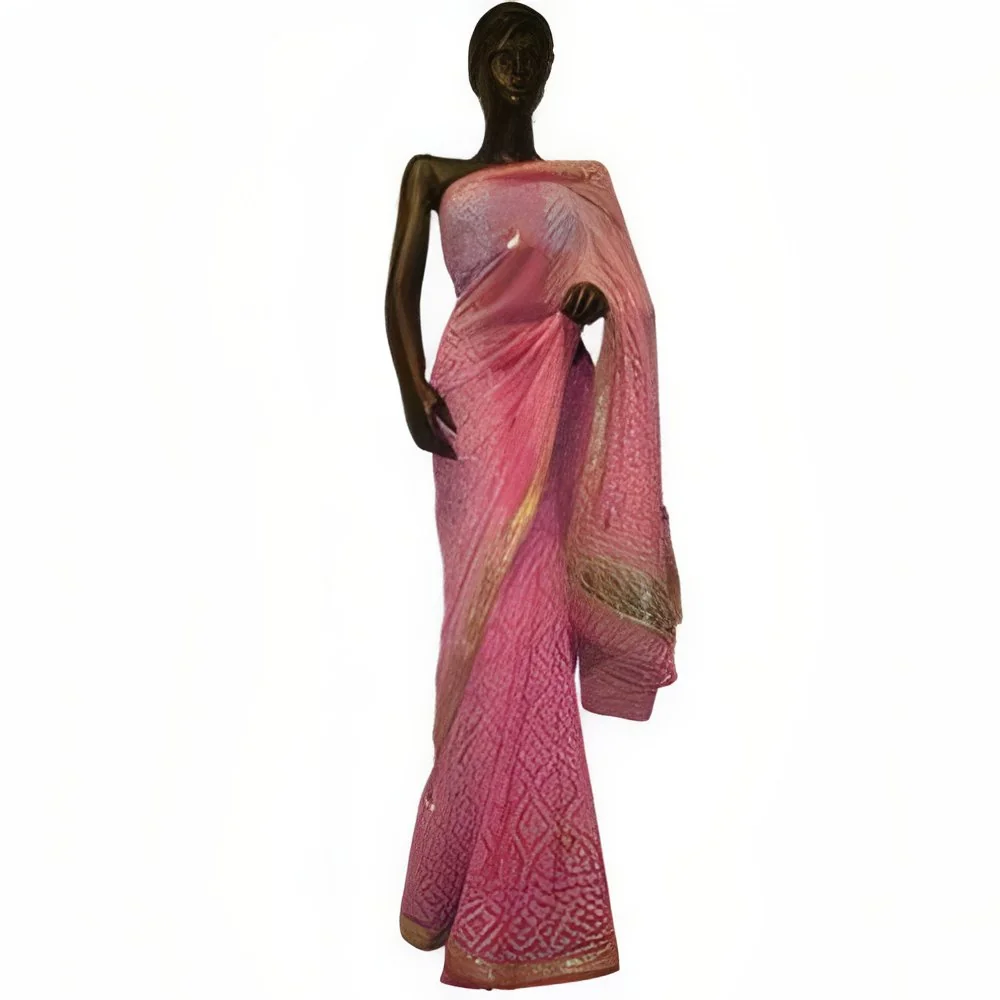
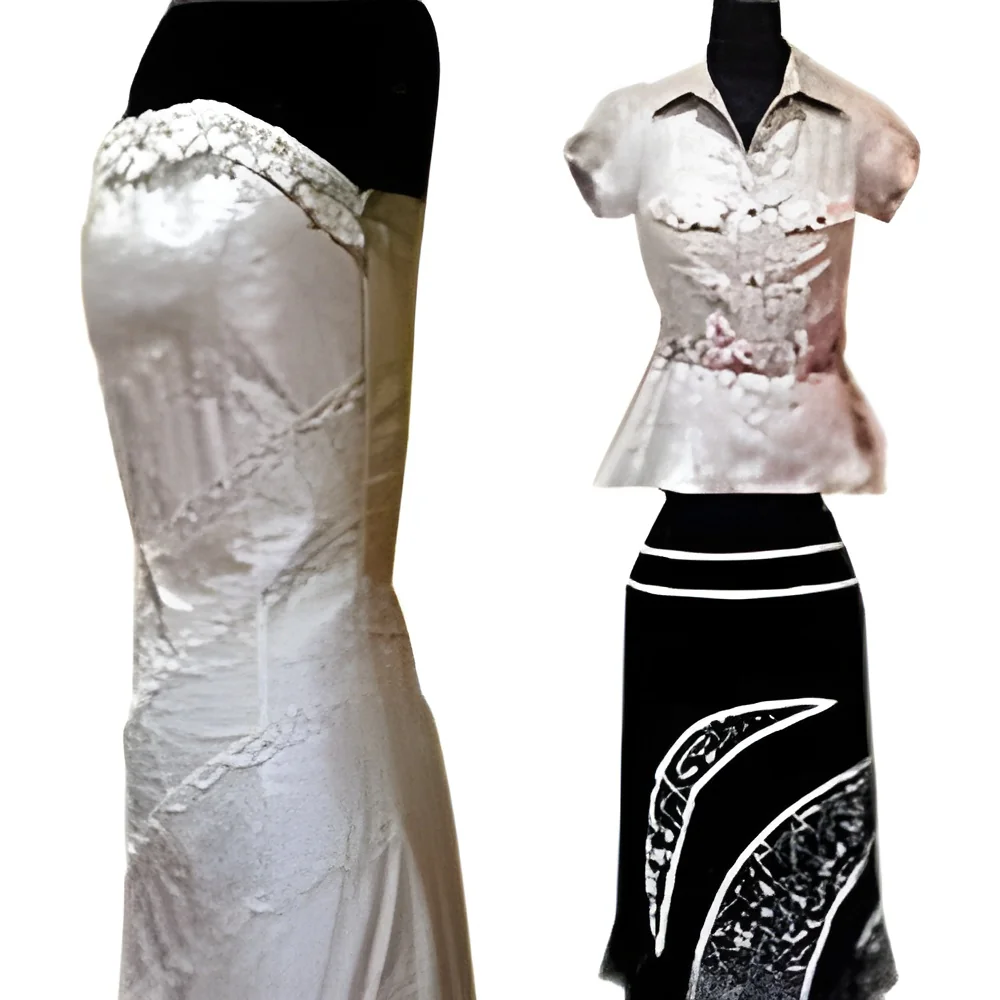
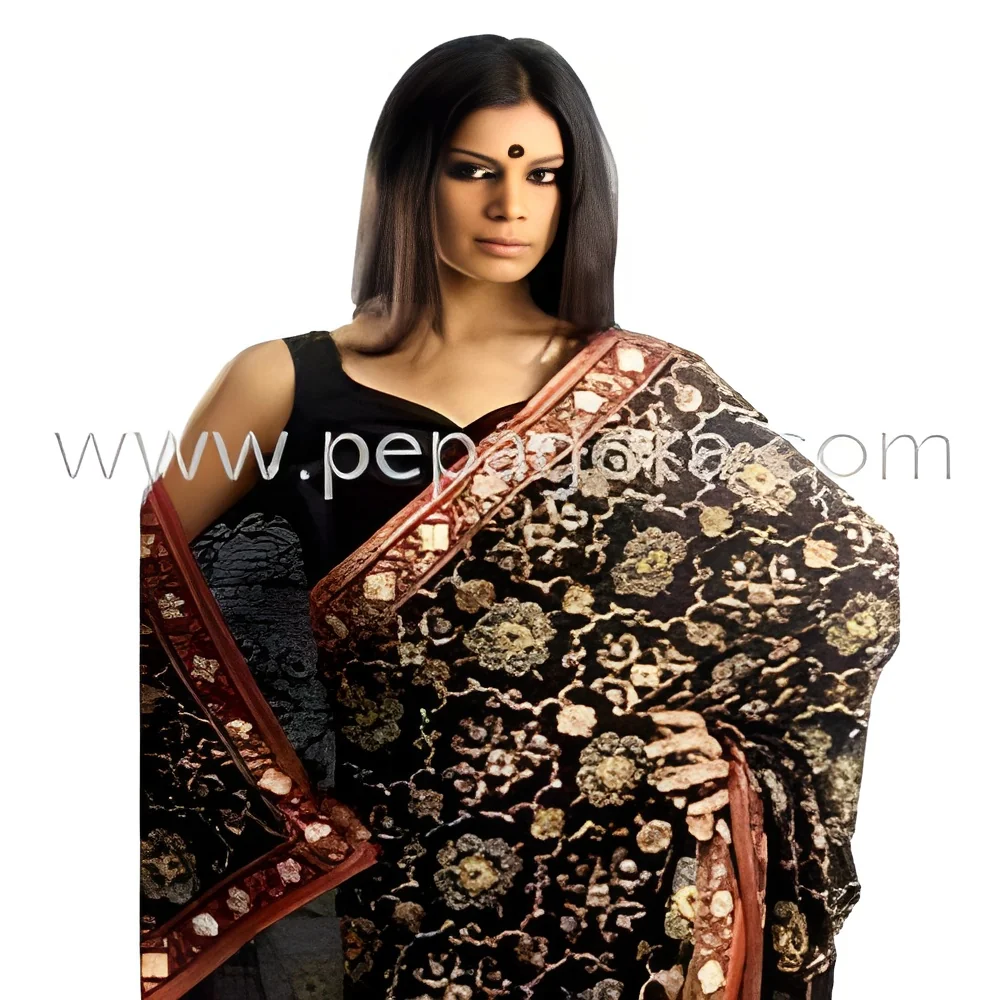
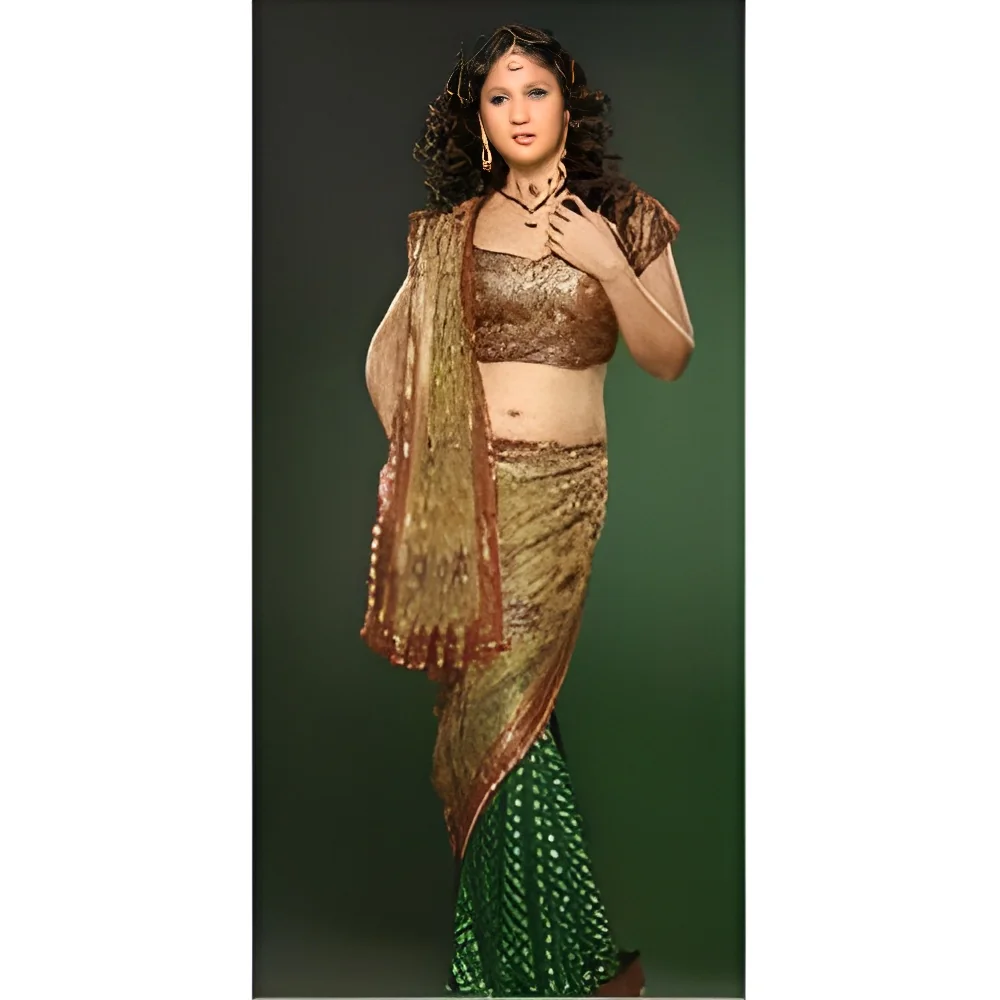
Other Party / Ethnic Wear refers to traditional garments that reflect the cultural heritage and customs of various communities. These garments are often characterized by unique designs, vibrant colors, and intricate craftsmanship. Ethnic wear can include a range of clothing styles such as sarees, lehengas, kurtas, and sherwanis, among others. They are typically made from high-quality fabrics that are suitable for different occasions, from casual gatherings to formal events.
The primary use of Other Party / Ethnic Wear is found in cultural celebrations, weddings, and festivals. Many businesses cater to the demand for these garments, providing options for both retail and wholesale markets. The ethnic wear segment is not only popular in domestic markets but also sees significant exports to various countries, driven by the growing appreciation for traditional fashion. This trend has led to an expanding market for B2B suppliers who seek high-quality products to meet increasing consumer demands.
The relevance of Other Party / Ethnic Wear in the industry is underscored by its strong cultural ties and market potential. As globalization continues to influence fashion, there is a rising interest in ethnic wear from diverse demographics. This creates opportunities for manufacturers and suppliers to innovate while preserving traditional designs, thereby enhancing their market presence and competitiveness.
Key Features and Specifications
Other Party / Ethnic Wear is distinguished by several key features that cater to both aesthetic appeal and functionality. Understanding these specifications is essential for businesses looking to source these garments effectively.
Key specifications include:
1. Fabric Quality
- This specification includes various fabric types such as silk, cotton, chiffon, and georgette.
- Technical parameters may involve fabric weight, thread count, and material composition.
2. Design Complexity
- The intricacy of designs, which can include embroidery, embellishments, and print types.
- Technical parameters may vary based on the level of craftsmanship and detailing involved.
3. Size Range
- Availability of a diverse range of sizes to accommodate different body types.
- Standard size categories often include small, medium, large, and custom sizes.
4. Color Options
- A broad spectrum of colors to cater to various tastes and cultural significance.
- Colorfastness and dyeing methods can be key technical parameters.
5. Stitching Techniques
- Different stitching styles used in the construction of garments for durability and style.
- Parameters may include types of stitches and finishing techniques.
6. Garment Care
- Washing instructions and fabric care requirements to maintain the quality of the wear.
- Specifications may include machine wash, hand wash, or dry clean only.
7. Packaging and Presentation
- Attention to packaging, which may include eco-friendly materials and aesthetic presentation.
- Specifications can involve packaging dimensions and branding options.
In summary, understanding these features and specifications helps businesses make informed decisions when sourcing Other Party / Ethnic Wear, ensuring they meet market demands and quality standards.
Common Applications and Use Cases
Other Party / Ethnic Wear serves a variety of industries, each with its own unique applications.
1. Fashion Retail: Retailers often stock ethnic wear to cater to consumer demand for traditional clothing, especially during festive seasons and weddings.
2. Event Planning: Event planners frequently source ethnic wear for clients who wish to incorporate cultural attire into their events, ensuring an authentic experience.
3. Hospitality: Hotels and resorts may provide ethnic wear for guests to enhance their cultural immersion during stays, particularly in regions known for traditional attire.
4. Export Market: Businesses engaged in exporting ethnic wear tap into international markets, promoting cultural heritage while meeting global fashion trends.
5. Online Retail: E-commerce platforms specialize in ethnic wear, offering a wide range of options to consumers looking for convenience and variety.
6. Educational Institutions: Cultural events and festivals in schools and colleges often require ethnic wear for students participating in traditional performances.
7. Film and Theatre: Costume designers for films and theatre productions frequently utilize ethnic wear to portray characters authentically, reflecting cultural backgrounds.
Product Variants and Subcategories
The diversity in Other Party / Ethnic Wear allows for various product variants that cater to different markets and consumer preferences.
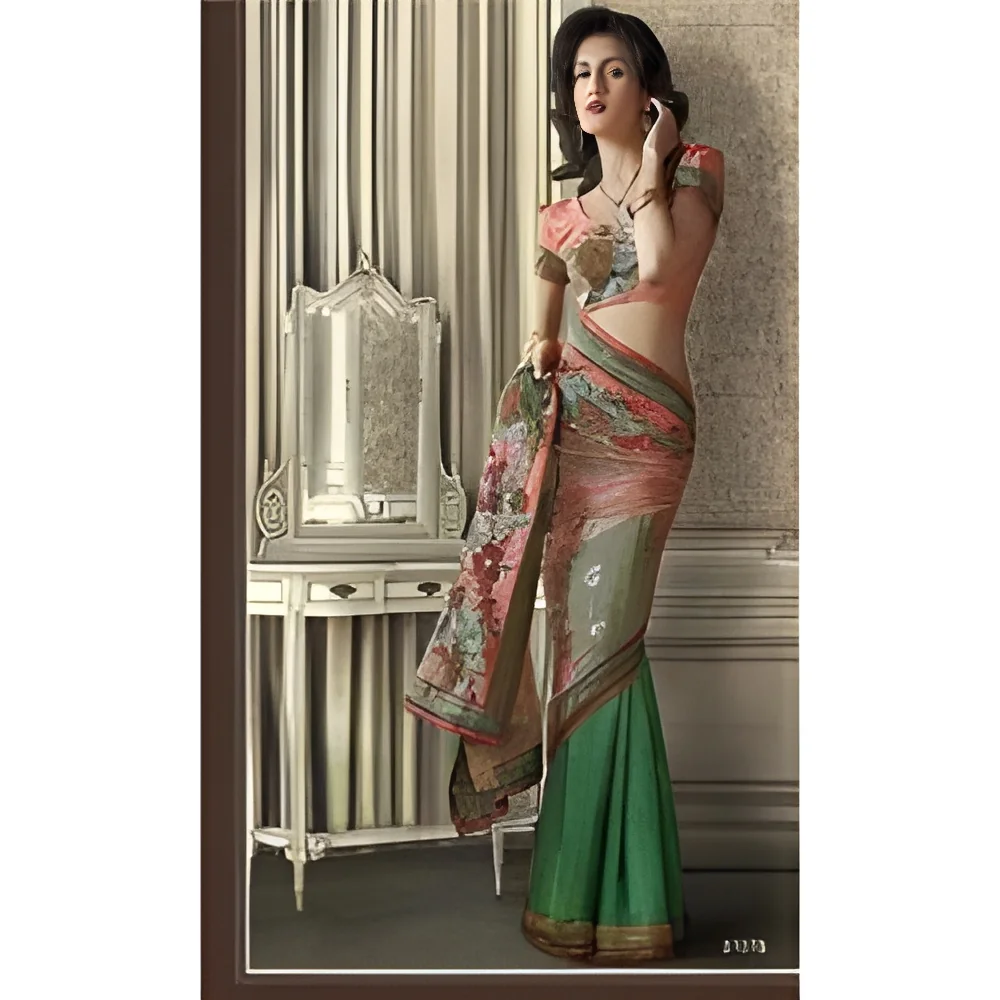
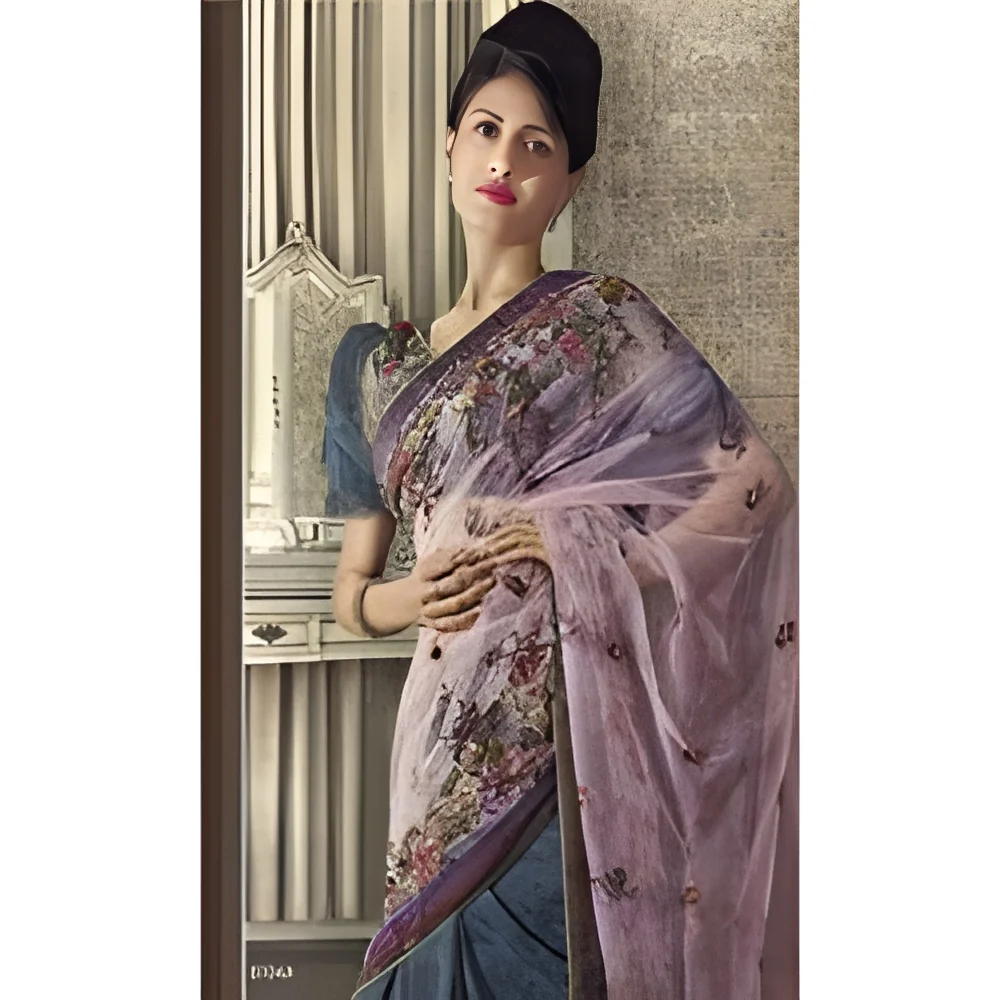
Sarees
Sarees are a popular choice known for their elegance and versatility. They come in numerous fabrics and designs, suitable for casual wear, weddings, and festive occasions.
Kurtas
Kurtas are comfortable and stylish options for both men and women. They can be paired with various bottoms and are available in various lengths and styles, making them suitable for everyday wear and special events.
Lehengas
Lehengas are often favored for weddings and ceremonial occasions. With intricate embroidery and vibrant colors, they are designed to make a statement while allowing ease of movement.
Sherwanis
Sherwanis are traditional garments for men, typically worn during weddings and formal events. They combine sophistication with cultural significance, often featuring elaborate designs and rich fabrics.
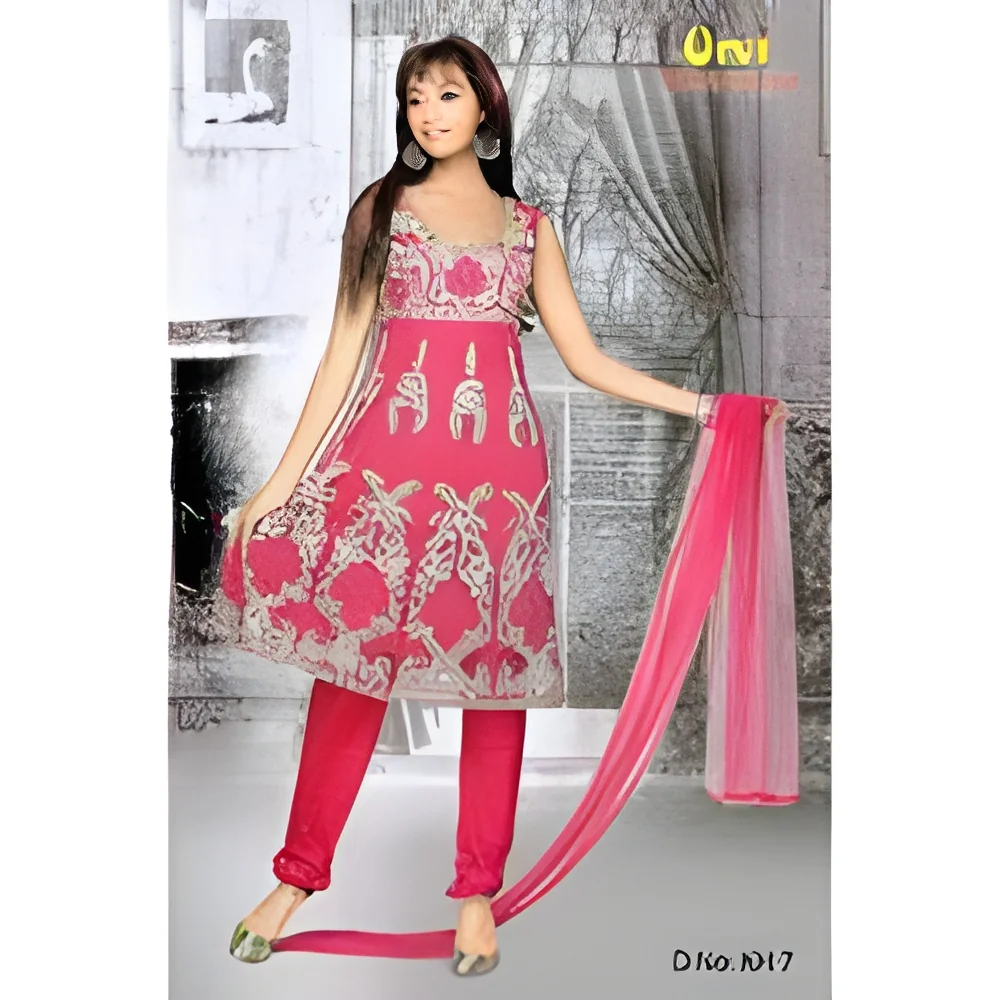
Anarkali Suits
Anarkali suits are popular among women for their regal appearance. The flowing silhouette and intricate embellishments make them a favored choice for celebratory events.
Benefits and Advantages
Sourcing Other Party / Ethnic Wear offers several advantages for businesses looking to meet consumer demand in traditional fashion.
Key benefits include:
1. Cultural Significance: Providing ethnic wear helps businesses connect with cultural heritage, allowing them to cater to specific customer segments.
2. Market Demand: The rising interest in ethnic wear presents opportunities for retailers to diversify their product offerings and attract more customers.
3. Versatile Applications: Ethnic wear is suitable for various occasions, making it a versatile option for consumers, which can lead to increased sales.
4. Customization Options: Many suppliers offer customization, allowing businesses to create unique designs that cater to specific audiences or events.
5. Quality Craftsmanship: Ethnic wear often features high-quality materials and craftsmanship, which can enhance brand reputation and customer loyalty.
6. Sustainable Practices: With a growing emphasis on sustainability, sourcing ethnic wear from suppliers that adhere to eco-friendly practices can appeal to environmentally conscious consumers.
Buying Guide for B2B Buyers
When sourcing Other Party / Ethnic Wear, businesses should consider several critical factors to ensure they make informed purchasing decisions.
1. Quality Assessment: Look for reliable indicators of quality, such as fabric types and craftsmanship. Request samples to evaluate the feel and durability of the garments.
2. Supplier Verification: Conduct thorough research to verify suppliers' credibility. Check references, certifications, and previous customer reviews to ensure reliability.
3. Pricing and MOQ: Understand pricing structures and minimum order quantities (MOQ) to align purchasing decisions with budget constraints and inventory needs.
4. Delivery and Lead Times: Discuss logistics and delivery timelines with suppliers to ensure timely fulfillment of orders, especially during peak seasons.
5. Compliance Requirements: Be aware of any regulatory compliance standards that may apply to the garments, including safety standards and regional regulations.
Compliance and Certifications
Compliance and certifications are crucial for ensuring the quality and safety of Other Party / Ethnic Wear. Businesses should be aware of several relevant quality standards and certifications.
ISO 9001 is a widely recognized standard that outlines the requirements for a quality management system. Compliance with this standard assures customers of consistent product quality and effective process management.
CE marking indicates that a product meets European health, safety, and environmental protection standards. Although more relevant for industrial products, some aspects may apply to ethnic wear in terms of safety and quality assurance.
Safety and testing requirements are essential, particularly for garments intended for children or those with specific safety needs. Suppliers should provide documentation to demonstrate adherence to safety protocols.
Regional compliance considerations should also be taken into account, as different markets may have unique requirements. Understanding these regulations can help businesses avoid potential legal issues and ensure smooth market entry.
Why Source Other Party / Ethnic Wear from Pepagora?
Pepagora provides a trusted platform for sourcing Other Party / Ethnic Wear with several key advantages.
Verified Supplier Network: Pepagora maintains a robust network of verified suppliers, ensuring that businesses can connect with reputable manufacturers. This verification process enhances trust and reduces risks associated with sourcing.
Streamlined RFQ Process: The platform offers a streamlined Request for Quotation (RFQ) process that simplifies the sourcing experience. Buyers can easily request quotes from multiple suppliers, making it easier to compare options and negotiate terms.
Trade Assurance and Support: Pepagora provides trade assurance features that protect buyers throughout the sourcing process. This includes support for payment security and dispute resolution, giving businesses peace of mind.
Regional Coverage: With a geographic reach that spans India, the GCC, and Southeast Asia, Pepagora connects buyers with suppliers across these regions. This wide coverage allows businesses to tap into diverse markets and leverage local manufacturing strengths.

 IN
IN