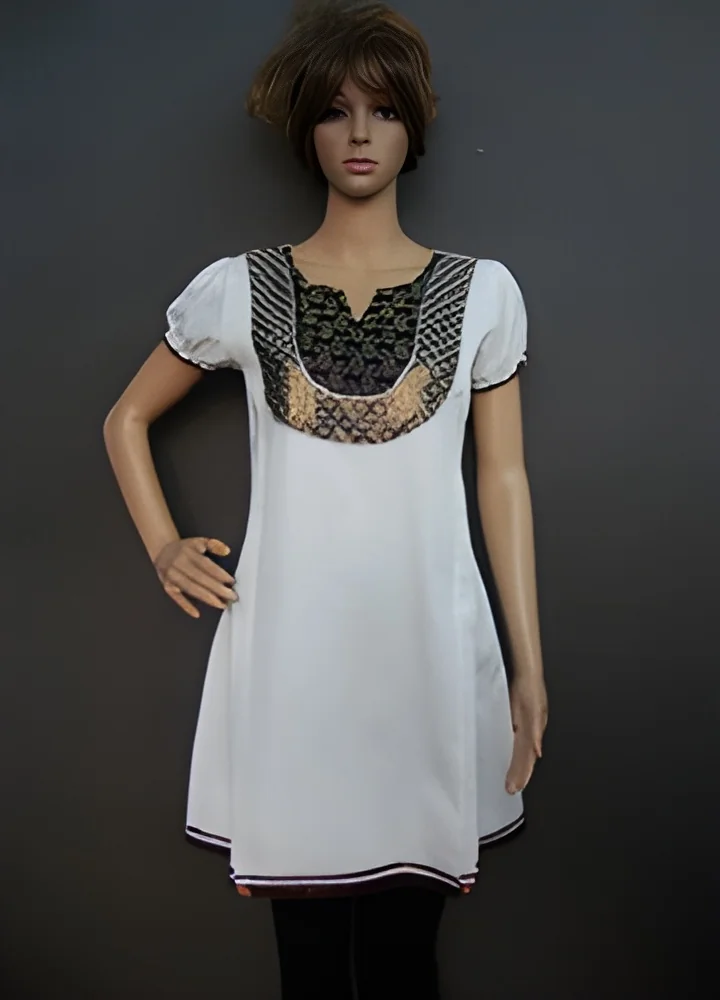
What are Women's Ethnic Dresses?
Women's Ethnic Dresses are traditional garments that embody the cultural heritage and artistic expression of various regions. These dresses are designed for women and often reflect the unique styles, colors, and fabrics that characterize different ethnic groups. They can range from simple, everyday wear to elaborate, ornate attire suitable for special occasions. The craftsmanship involved in creating these dresses often highlights intricate embroidery, handwoven fabrics, and the use of traditional motifs.
In the business context, Women's Ethnic Dresses serve various purposes including retail sales, fashion shows, cultural events, and festivals. They are popular in markets that appreciate traditional attire and seek to preserve cultural identity. The demand for these dresses has increased significantly in both domestic and international markets, providing opportunities for retailers and manufacturers to tap into a growing consumer base interested in ethnic fashion.
Women’s Ethnic Dresses are relevant in the fashion industry, particularly in regions where traditional clothing is a significant part of cultural expression. The market for such dresses is expanding as global consumers seek unique and culturally rich fashion options. This growth is complemented by an increasing interest in sustainable and ethically made garments, making Women's Ethnic Dresses a viable product for businesses focused on these values.
Key Features and Specifications
Women's Ethnic Dresses come with a variety of features and specifications that cater to different consumer preferences and market needs. These specifications can include fabric types, sizes, embellishments, and design styles.
Key specifications include:
1. Fabric Composition
- Commonly used fabrics include cotton, silk, and linen.
- The choice of fabric affects comfort, durability, and suitability for various climates.
2. Design Styles
- Dresses may feature A-line, straight-cut, or flared silhouettes.
- Traditional designs often incorporate regional patterns and embroidery.
3. Size Range
- Typically available in sizes from XS to XXL.
- Custom sizing options may be available for bulk orders.
4. Embellishments
- Many dresses include hand-sewn embroidery, sequins, or beadwork.
- These features add to the aesthetic appeal and uniqueness of each piece.
5. Color Variation
- Available in a wide array of colors to cater to diverse tastes.
- Seasonal collections may focus on trending colors and patterns.
6. Care Instructions
- Most dresses require gentle washing and special care to maintain fabric quality.
- Specific care tags are usually attached for guidance.
In summary, the features and specifications of Women's Ethnic Dresses make them versatile and appealing to a broad audience. Understanding these elements is crucial for businesses looking to offer quality products that meet consumer expectations.
Common Applications and Use Cases
Women's Ethnic Dresses are used across various industries and occasions, showcasing their versatility and appeal.
1. Retail Fashion: Women's Ethnic Dresses are a staple in retail fashion stores that cater to consumers seeking traditional attire for festivals, weddings, and cultural events.
2. Cultural Events: Organizations hosting cultural festivals often purchase these dresses in bulk for performers and participants, enhancing the authenticity of their presentations.
3. Wedding Industry: These dresses are sought after for bridal wear, with many brides opting for ethnic designs to celebrate their heritage on their special day.
4. Film and Theatre: Ethnic dresses are frequently used in film and theater productions to portray characters in a culturally accurate manner.
5. Online Marketplaces: E-commerce platforms see a significant demand for Women's Ethnic Dresses as consumers increasingly shop online for unique and traditional styles.
6. Custom Orders: Many businesses offer customization options for ethnic dresses, allowing for unique designs tailored to individual customer preferences.
7. Export Markets: Growing interest in ethnic fashion globally has led to an increase in exports, with businesses targeting international markets that appreciate cultural diversity.
Product Variants and Subcategories
Women's Ethnic Dresses come in various styles and designs, reflecting regional diversity and consumer preferences.
Anarkali Suits
These dresses feature a fitted bodice and a flared skirt, often embellished with intricate embroidery. They are popular for formal occasions and weddings, offering a regal look.
Lehengas
Lehengas are traditional Indian skirts that are paired with a blouse and dupatta. They are ideal for festive occasions and are available in a variety of fabrics and designs.
Sarees
Although not a dress in the traditional sense, sarees are a quintessential ethnic garment that can be styled in numerous ways. They are widely worn across different cultures and are favored for their elegance.
Kurtis
These are knee-length tunics that can be paired with leggings or palazzos. Kurtis offer a comfortable yet stylish option for everyday wear and casual outings.
Benefits and Advantages
Women's Ethnic Dresses offer several benefits that make them an attractive choice for businesses and consumers alike.
1. Cultural Representation: These dresses allow individuals to express their cultural identity and heritage, fostering a sense of pride.
2. Versatile Fashion: They can be worn for various occasions, from casual gatherings to formal events, making them a practical addition to any wardrobe.
3. Unique Designs: Each ethnic dress often reflects a specific cultural artistry, providing consumers with distinctive fashion options that stand out.
4. Market Demand: The growing trend toward sustainable and ethically produced garments enhances the marketability of Women's Ethnic Dresses.
5. Customization Options: Many manufacturers offer customization services, allowing businesses to cater to specific consumer needs and preferences.
6. Support for Artisans: By sourcing these dresses, businesses contribute to the livelihoods of local artisans and craftsmen, promoting fair trade practices.
Buying Guide for B2B Buyers
When sourcing Women's Ethnic Dresses, several important factors should be considered to ensure a successful purchase.
1. Quality Assessment: Buyers should evaluate the quality of fabrics and craftsmanship. Look for suppliers that provide samples to assess the feel, durability, and overall finish of the dresses.
2. Supplier Verification: It is essential to verify suppliers to ensure they are reputable and reliable. This can include checking references, certifications, and client testimonials.
3. Pricing and MOQ: Understand the pricing structure and minimum order quantities (MOQ) set by suppliers. This can help in budgeting and ensuring that orders meet business needs.
4. Delivery and Lead Times: Consider logistics by discussing delivery schedules with suppliers. Timely delivery is crucial for businesses, especially during peak seasons.
5. Compliance Requirements: Familiarize yourself with any regulatory requirements related to textiles and clothing in your region. This includes ensuring that products meet safety standards and labeling guidelines.
Compliance and Certifications
Women's Ethnic Dresses must adhere to relevant quality standards and certifications to ensure safety and consumer satisfaction.
Manufacturers often comply with ISO 9001 standards, which focus on quality management systems. This certification helps ensure that products meet customer and regulatory requirements consistently.
Additionally, CE marking may be applicable for certain textiles, indicating compliance with European health, safety, and environmental protection standards.
It is important for businesses to consider regional compliance requirements, as these may vary significantly. For instance, certain markets may have specific regulations regarding textile sourcing, labeling, and environmental impact, which manufacturers and buyers must navigate effectively.
Why Source Women's Ethnic Dresses from Pepagora?
Pepagora provides a trusted platform for sourcing Women's Ethnic Dresses, offering several key advantages to B2B buyers.
Verified Supplier Network: Pepagora connects buyers with a network of verified suppliers. This ensures that businesses can find reliable partners who meet quality standards and ethical practices.
Streamlined RFQ Process: The platform simplifies the request for quotation (RFQ) process, enabling buyers to easily compare offers from multiple suppliers. This helps in making informed purchasing decisions.
Trade Assurance and Support: Pepagora offers trade assurance, providing buyer protection and support throughout the sourcing process. This instills confidence in transactions and ensures that buyers receive the products as expected.
Regional Coverage: With a strong presence in India, the GCC, and Southeast Asia, Pepagora allows businesses to tap into diverse markets and access a wide range of Women's Ethnic Dresses tailored to various cultural preferences.
In conclusion, Pepagora stands out as an ideal sourcing platform for businesses looking to enhance their product offerings with high-quality Women's Ethnic Dresses.

 IN
IN