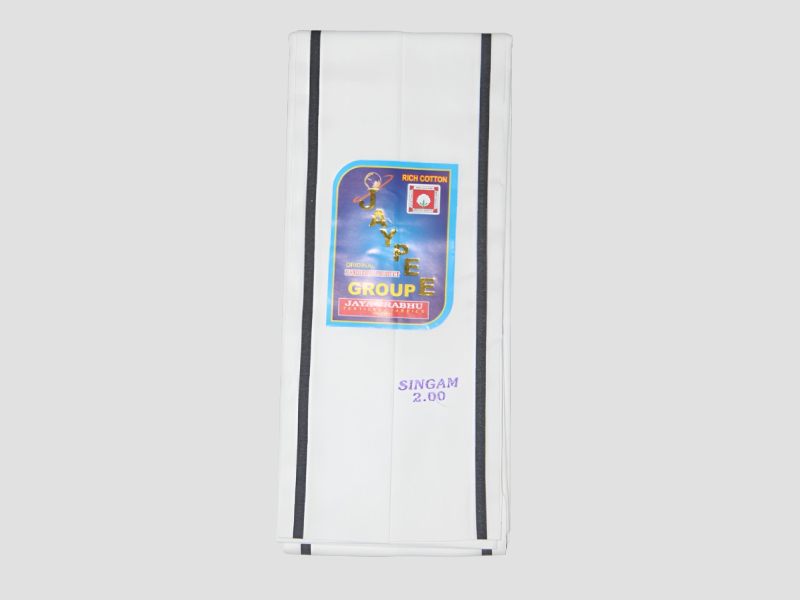
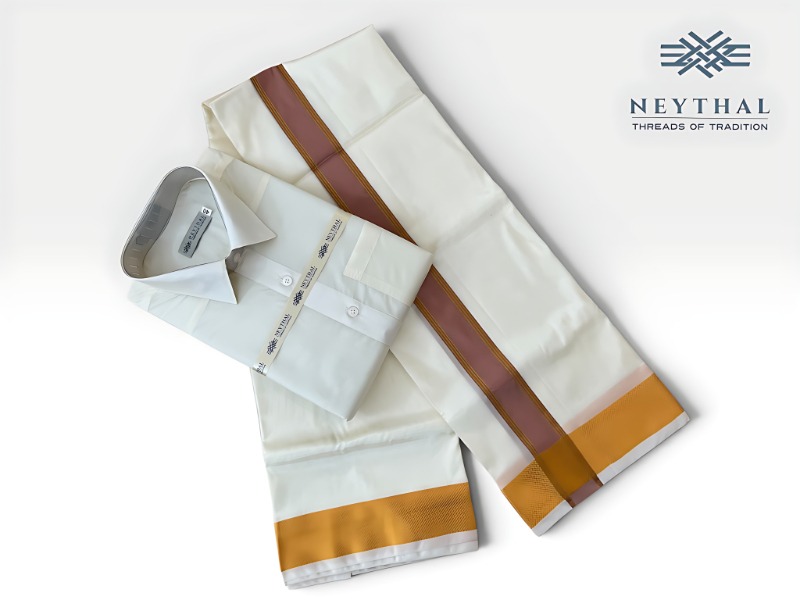
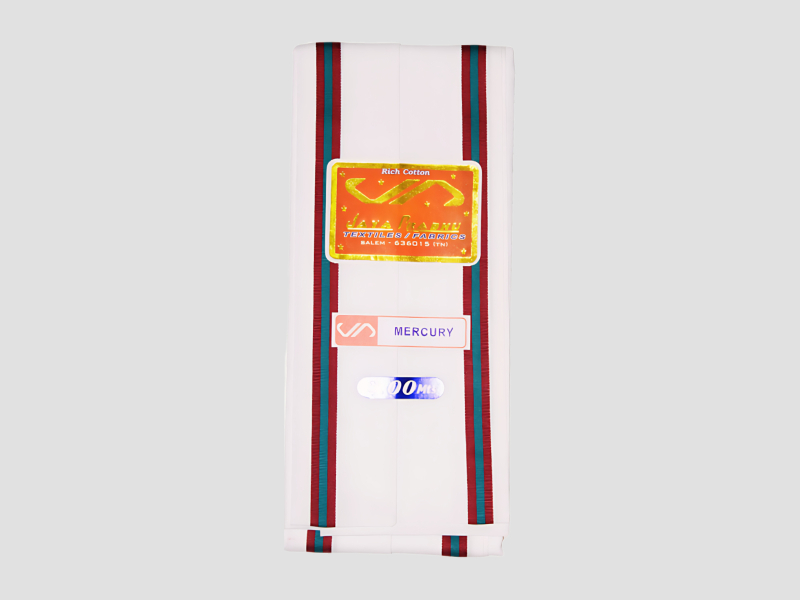
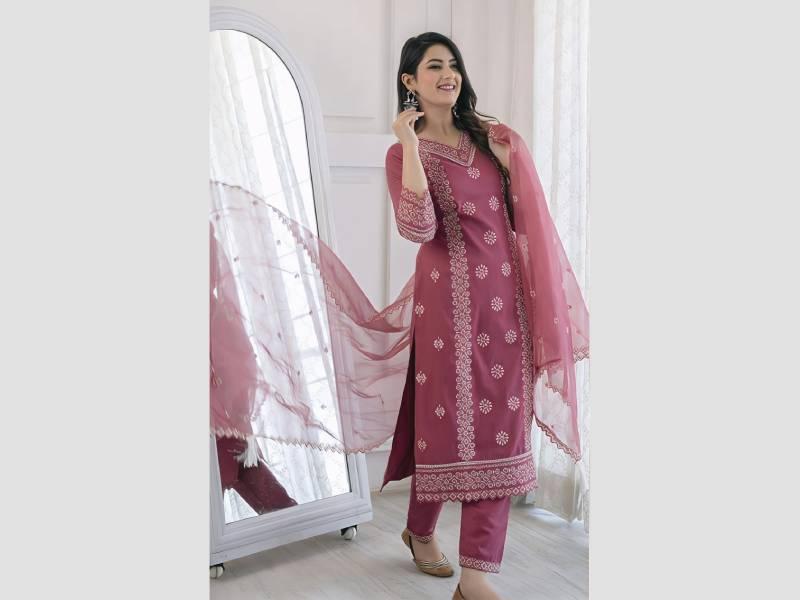
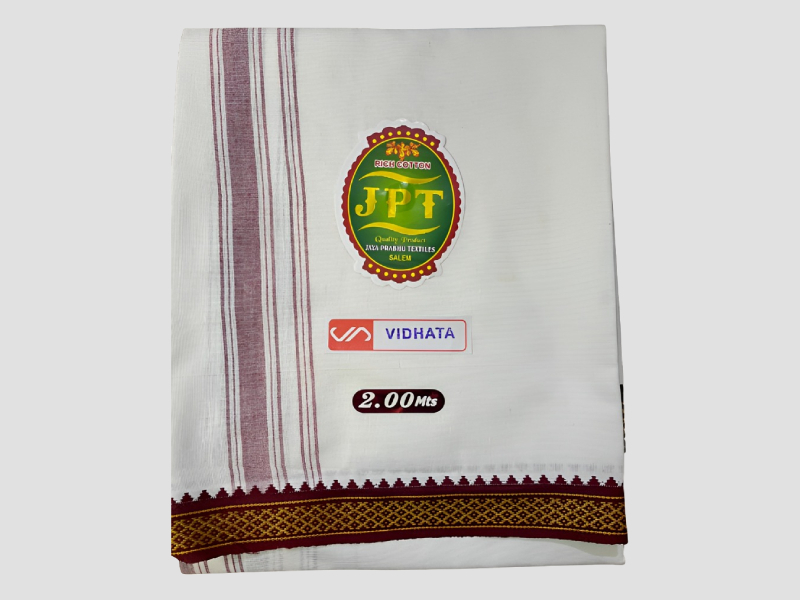
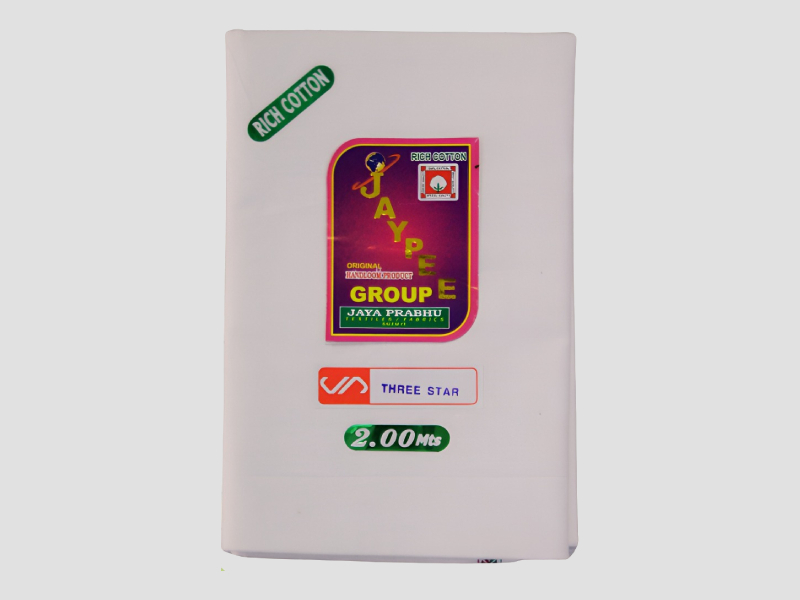
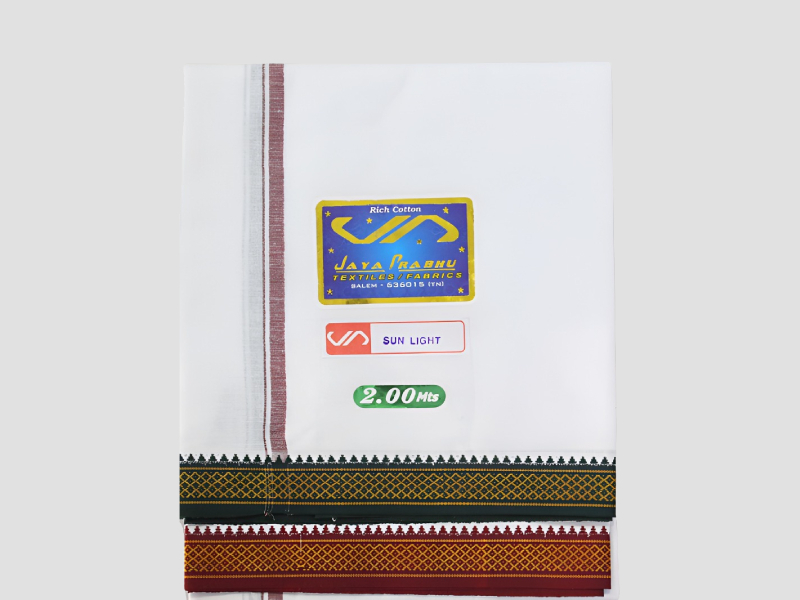
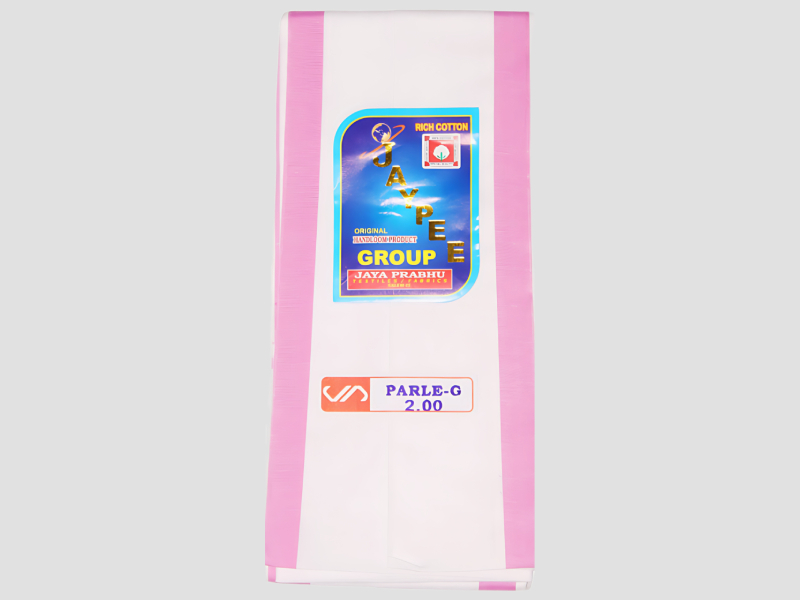
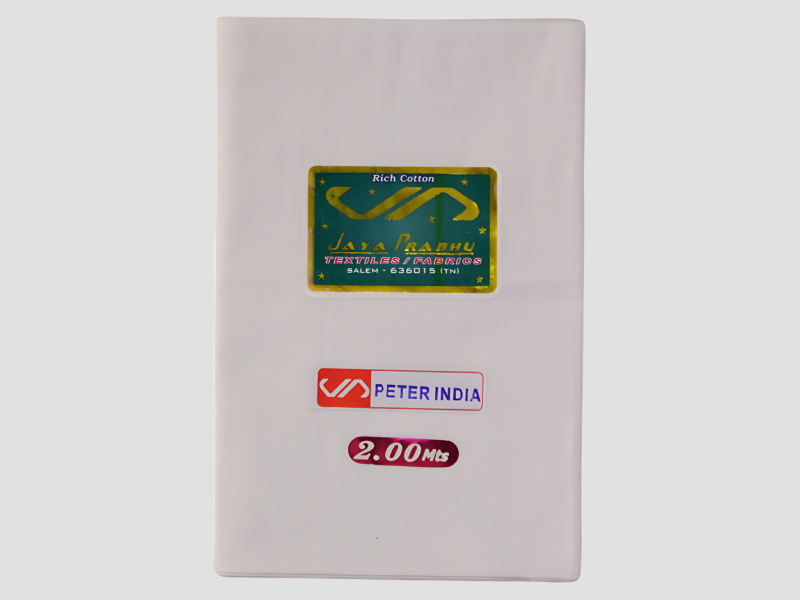
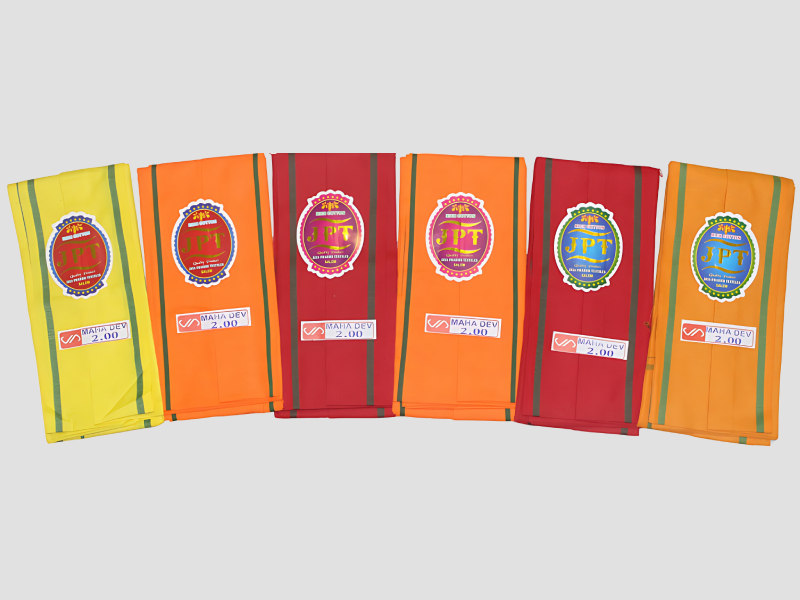
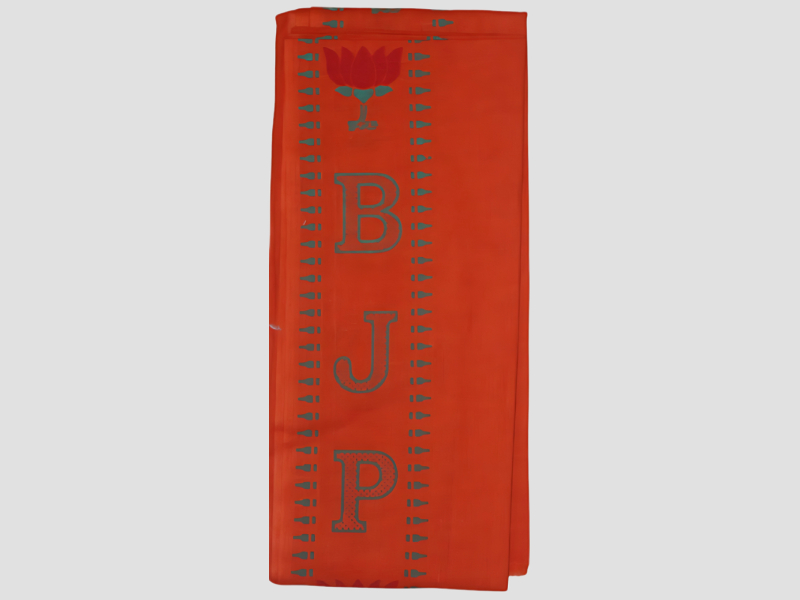
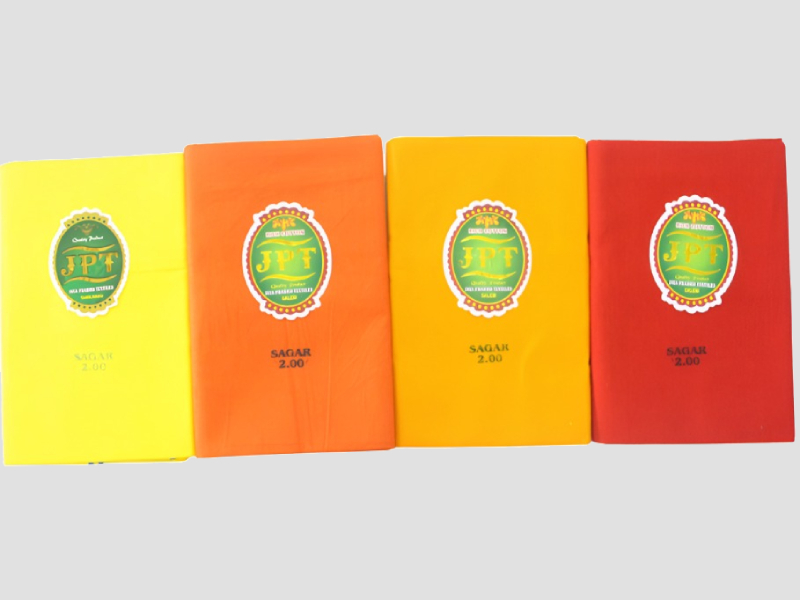
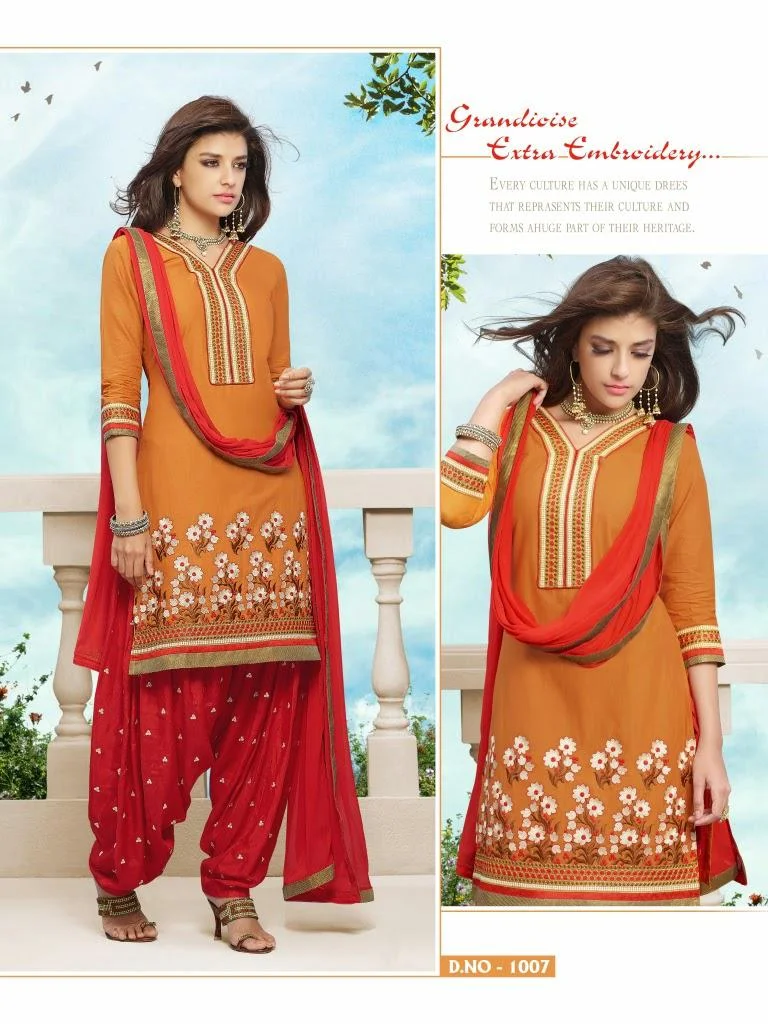
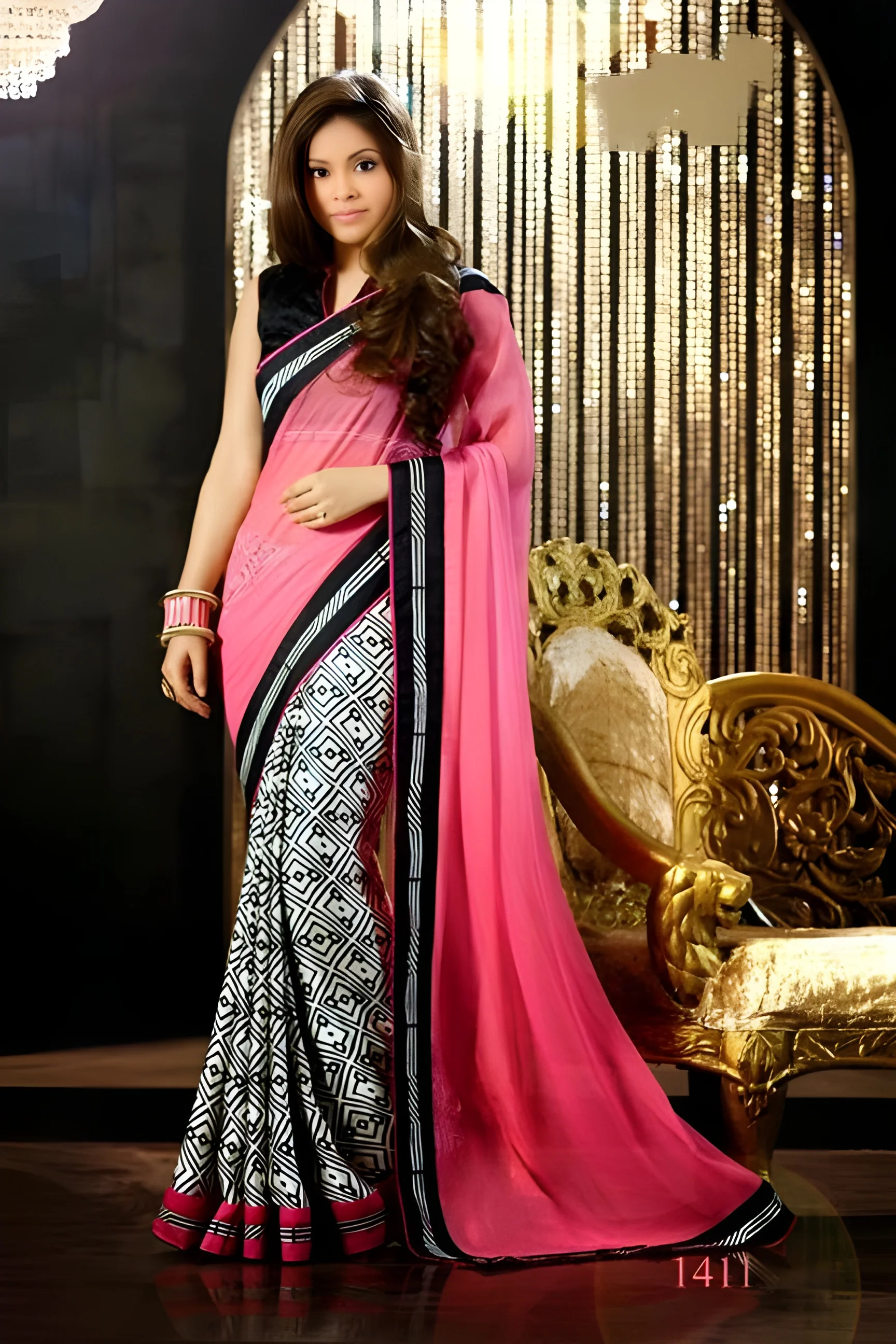
𝗪𝗵𝗮𝘁 𝗮𝗿𝗲 𝗣𝗮𝗿𝘁𝘆 / 𝗘𝘁𝗵𝗻𝗶𝗰 𝗪𝗲𝗮𝗿?
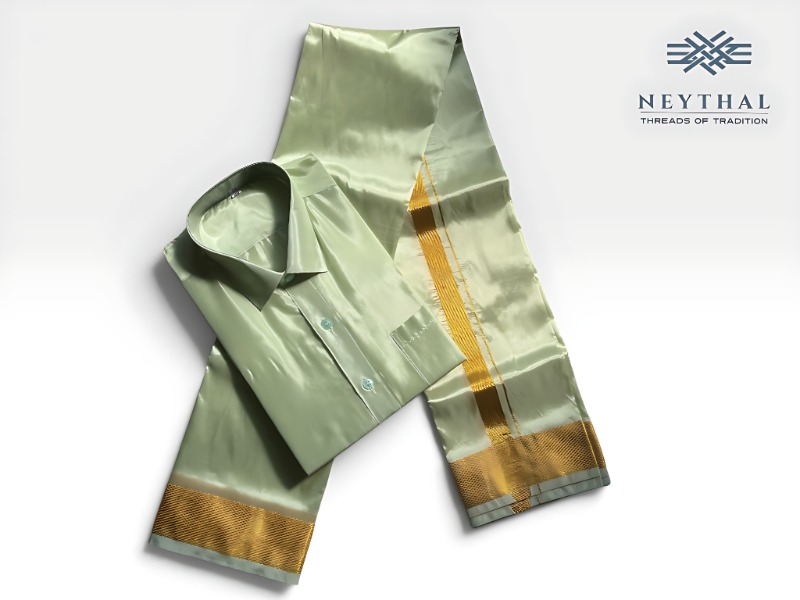
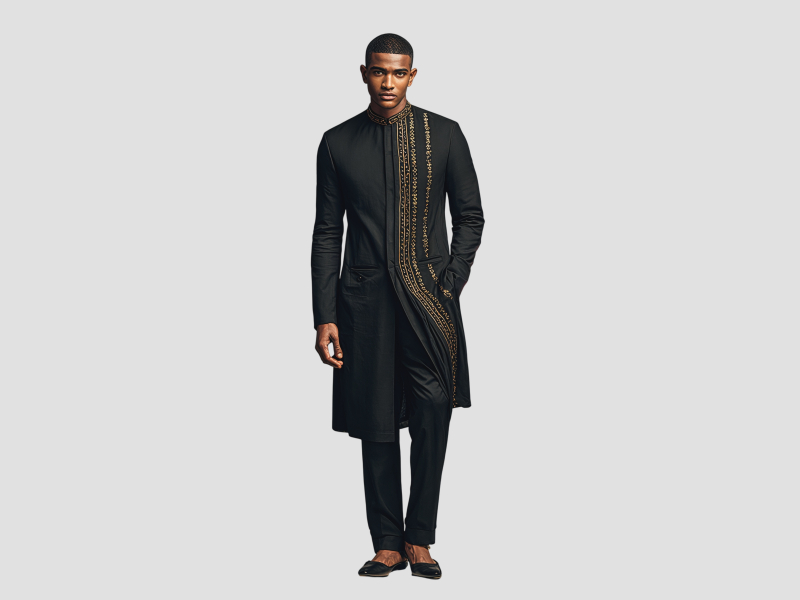
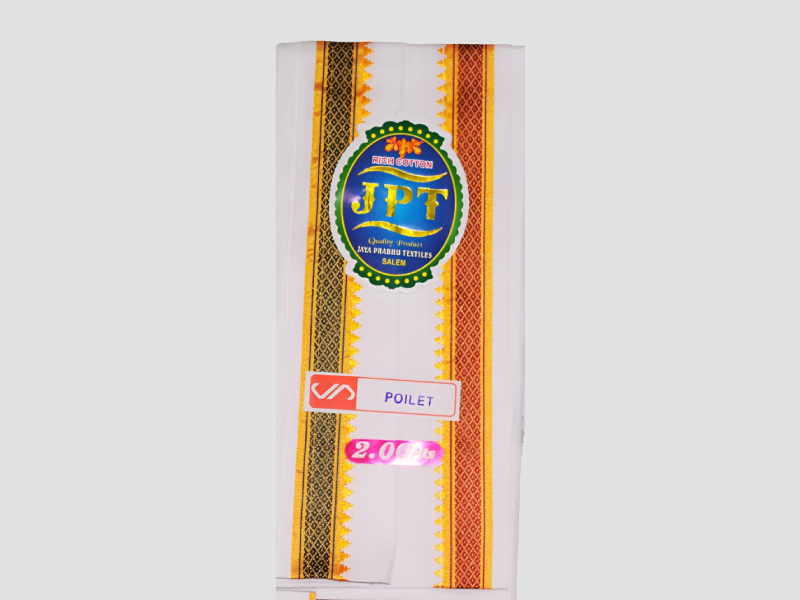
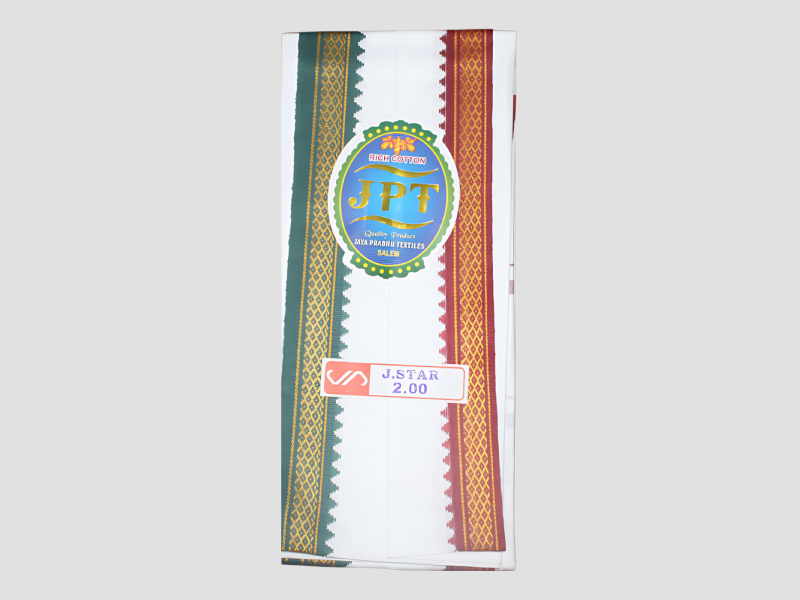
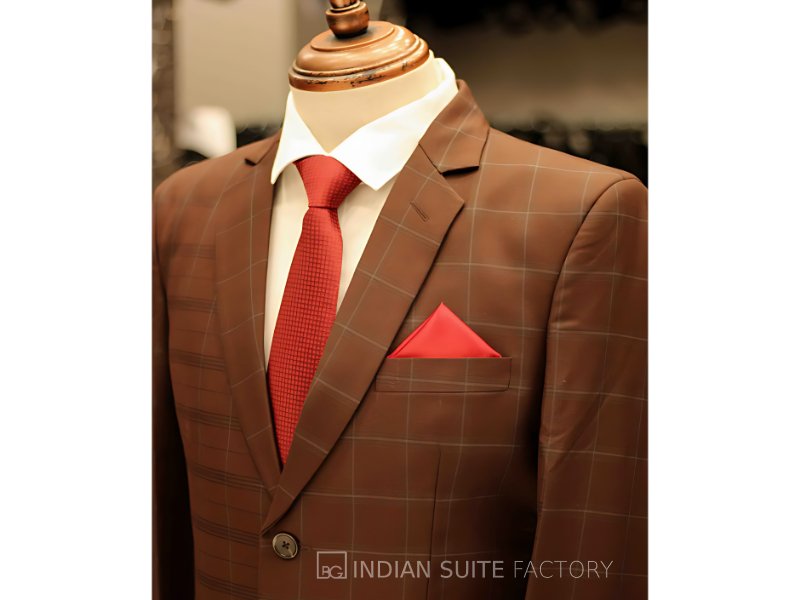
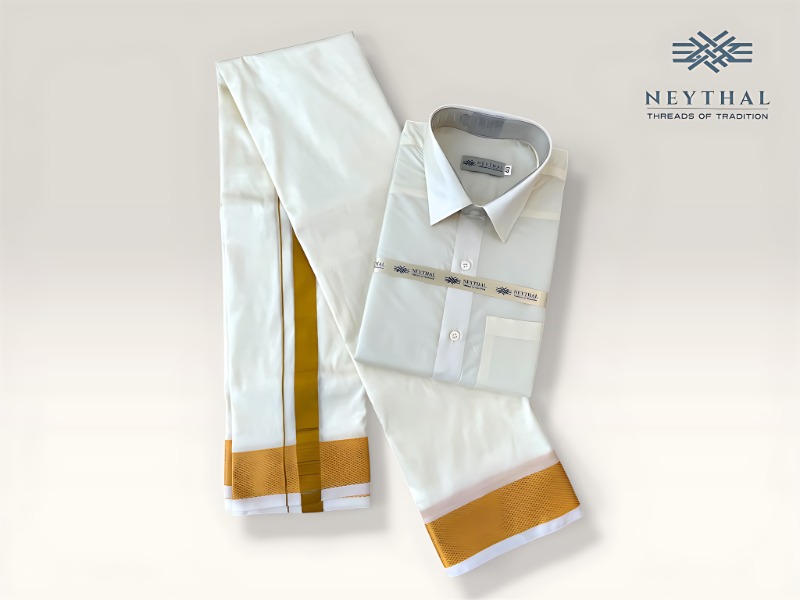
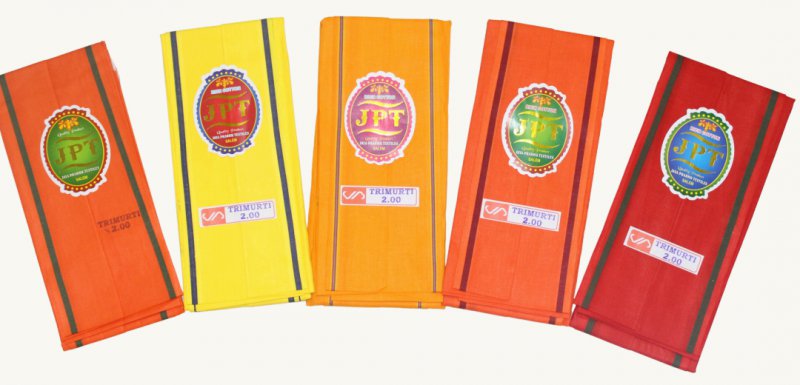
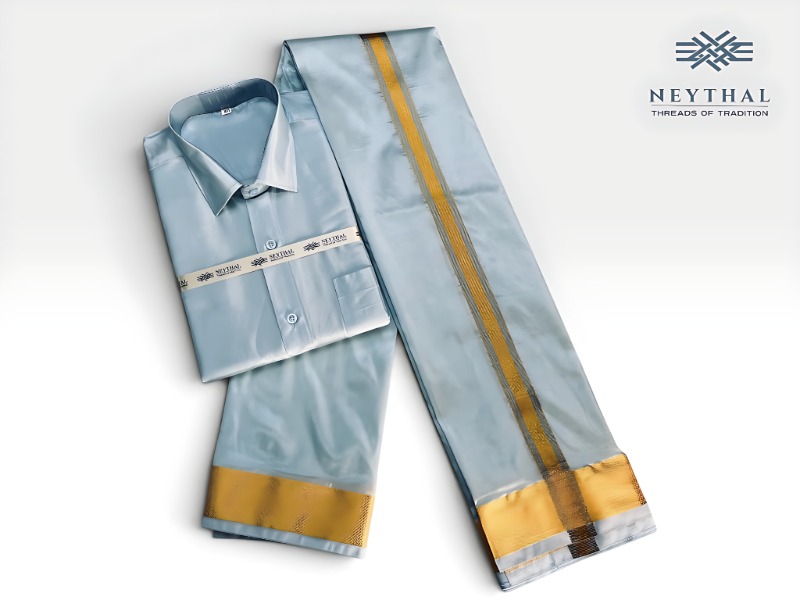
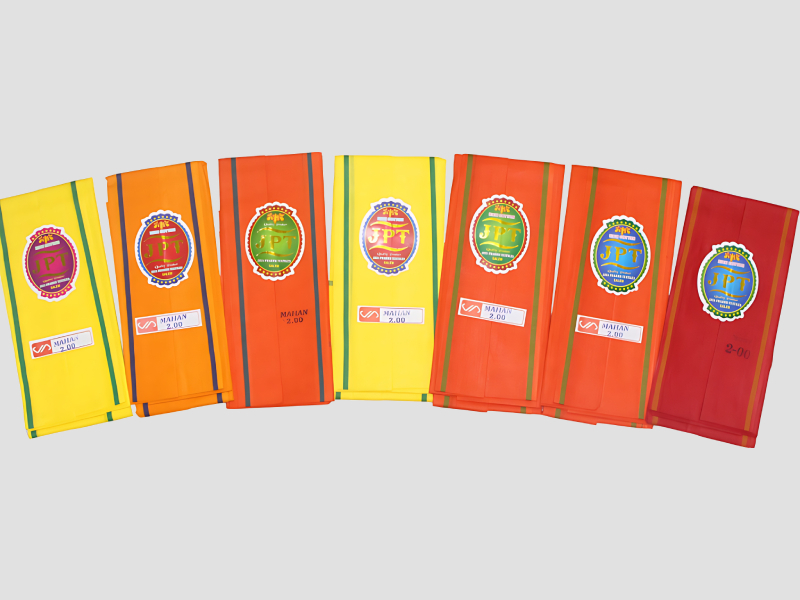
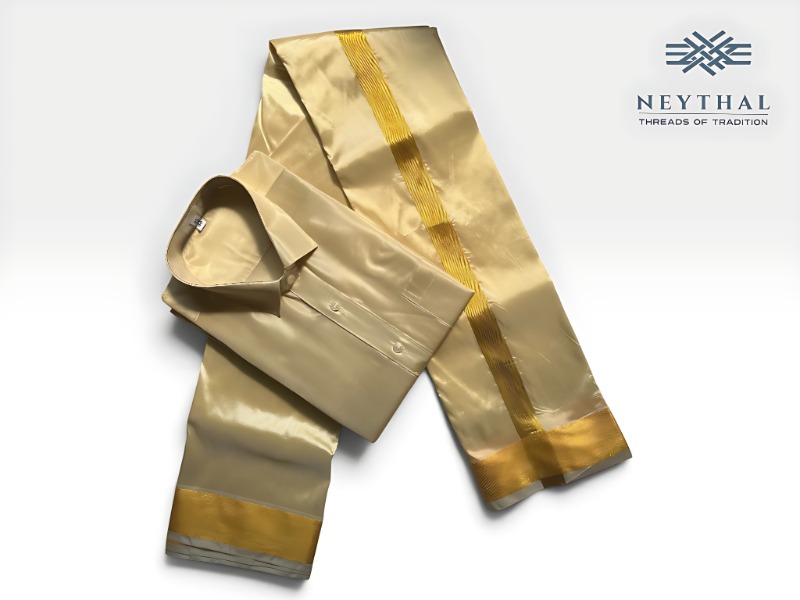
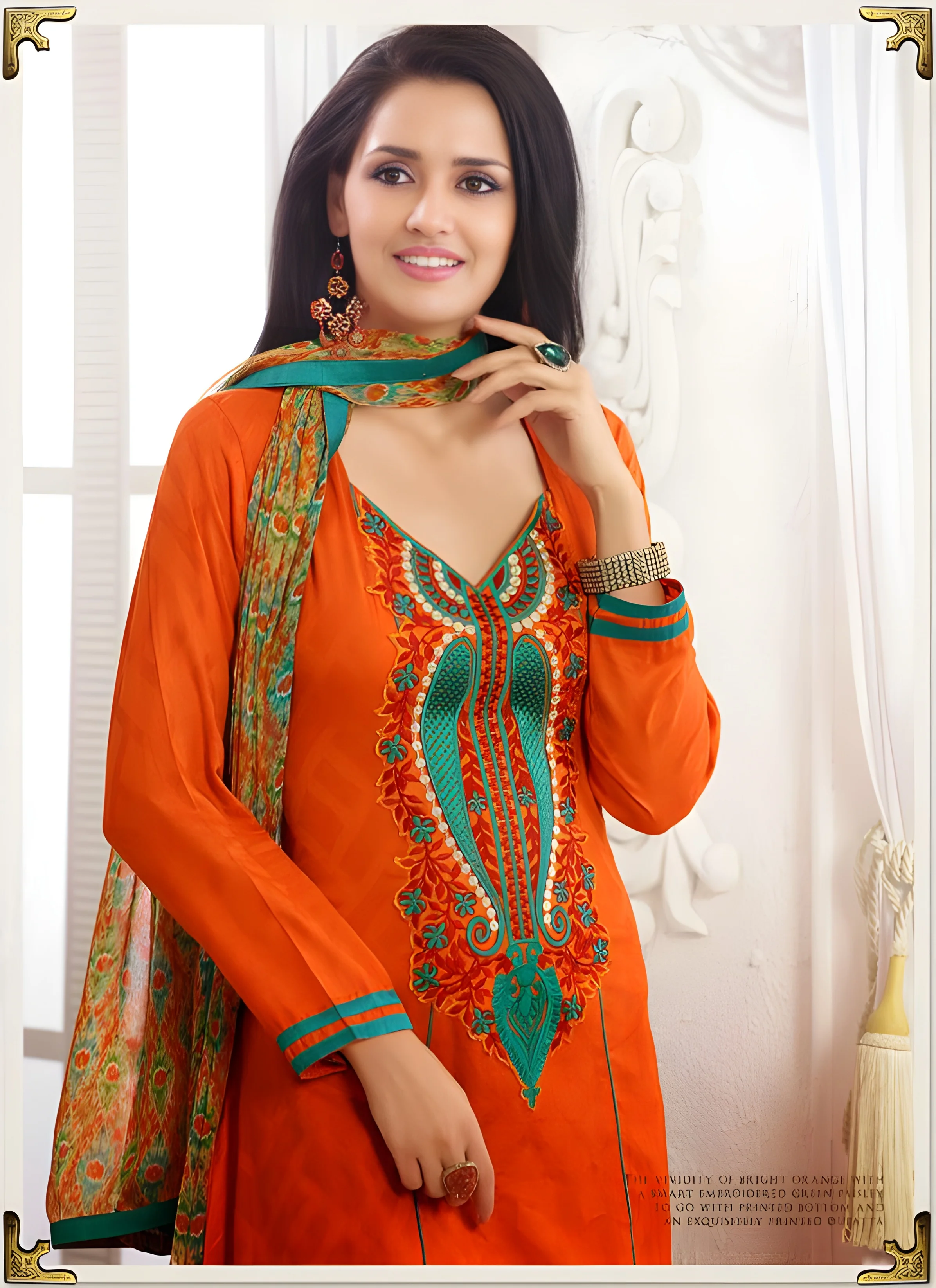
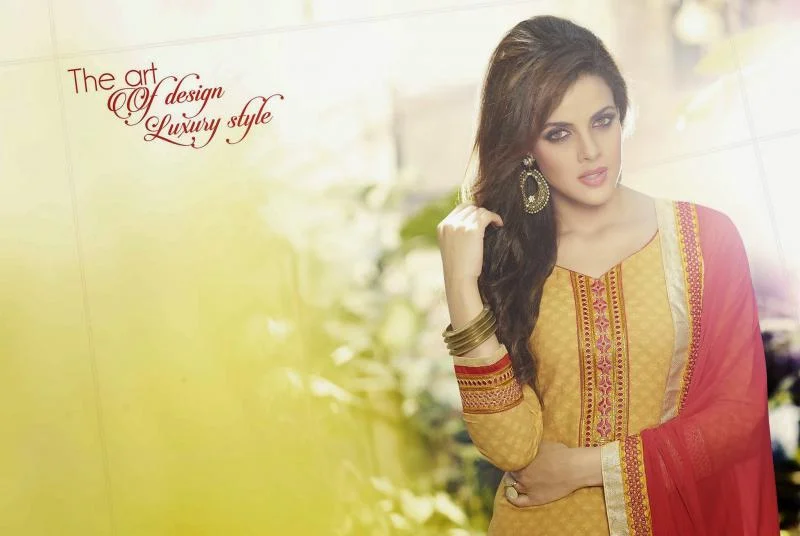
Party and ethnic wear refer to traditional and festive clothing styles that reflect cultural heritage and are often worn during celebrations, gatherings, and special events. These garments include a wide range of attire such as sarees, lehengas, kurtas, sherwanis, and more. Each piece is designed with intricate patterns, vibrant colors, and high-quality fabrics, making them suitable for both casual and formal occasions.
These types of clothing have significant applications in various industries, particularly in fashion, retail, and event management. Businesses that specialize in ethnic wear cater to a diverse clientele, including cultural communities, fashion enthusiasts, and event organizers. The market for party and ethnic wear is continuously evolving, driven by changing fashion trends and increasing demand for culturally significant attire. This makes it a vital segment of the apparel industry.
The relevance of party and ethnic wear is further underscored by the growing popularity of cultural events, weddings, and festivals around the world. As consumers seek authenticity and a connection to their roots, the demand for high-quality, traditional garments continues to rise. This presents a lucrative opportunity for businesses looking to invest in this vibrant sector.
𝗞𝗲𝘆 𝗙𝗲𝗮𝘁𝘂𝗿𝗲𝘀 𝗮𝗻𝗱 𝗦𝗽𝗲𝗰𝗶𝗳𝗶𝗰𝗮𝘁𝗶𝗼𝗻𝘀
Party and ethnic wear is characterized by various features that enhance both aesthetics and functionality. These garments are crafted with attention to detail and often incorporate unique design elements that set them apart. The following specifications highlight the essential attributes of party and ethnic wear.
Key specifications include:
1. Fabric Type
- Common fabrics include silk, cotton, georgette, and chiffon.
- Each fabric offers unique properties in terms of texture, drape, and comfort.
2. Design Complexity
- Designs may include embroidery, embellishments, and prints.
- Complexity can vary from simple patterns to intricate designs.
3. Size Range
- Available in various sizes to accommodate different body types.
- Customization options may be available for a perfect fit.
4. Color Palette
- A wide range of colors is offered to suit diverse tastes.
- Seasonal colors often influence design choices.
5. Care Instructions
- Specific washing and handling instructions to maintain fabric quality.
- Some garments may require dry cleaning.
6. Seasonality
- Certain designs are more popular during specific seasons or festivals.
- Awareness of seasonal trends can influence purchasing decisions.
7. Price Range
- Varies significantly based on fabric, design complexity, and brand.
- Understanding the market can aid in price negotiations.
8. Ethical Sourcing
- Increasing emphasis on sustainable and ethically sourced materials.
- Certifications may be available to verify sourcing practices.
In summary, party and ethnic wear combines tradition and modernity, catering to a wide audience while offering diverse styles and specifications.
𝗖𝗼𝗺𝗺𝗼𝗻 𝗔𝗽𝗽𝗹𝗶𝗰𝗮𝘁𝗶𝗼𝗻𝘀 𝗮𝗻𝗱 𝗨𝘀𝗲 𝗖𝗮𝘀𝗲𝘀
Party and ethnic wear serves a variety of industries, each with unique applications.
1. Fashion Retail: Retailers often stock ethnic wear collections to cater to customers seeking traditional clothing for celebrations and everyday use.
2. Event Planning: Event planners utilize ethnic wear for themed events, weddings, and cultural festivals, ensuring attendees are appropriately attired.
3. Film and Television: Costume designers source ethnic wear to portray cultural authenticity in films and television shows.
4. Cultural Organizations: Organizations promoting cultural heritage often distribute ethnic wear during events to encourage participation and representation.
5. E-commerce: Online platforms provide a marketplace for ethnic wear, offering consumers access to a wide range of styles and prices.
6. Hospitality: Hotels and resorts may provide ethnic attire for guests during cultural experiences or themed nights.
7. Gift Shops: Ethnic wear is a popular choice for gifts, especially during festive seasons, enhancing the appeal of gift shops.
𝗣𝗿𝗼𝗱𝘂𝗰𝘁 𝗩𝗮𝗿𝗶𝗮𝗻𝘁𝘀 𝗮𝗻𝗱 𝗦𝘂𝗯𝗰𝗮𝘁𝗲𝗴𝗼𝗿𝗶𝗲𝘀
Party and ethnic wear encompasses a diverse range of styles, each catering to different tastes and occasions.
Sarees
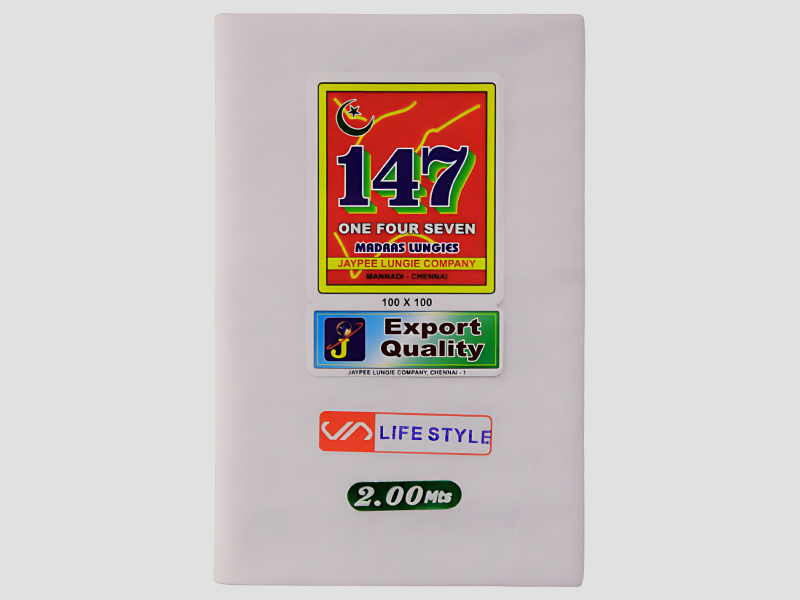
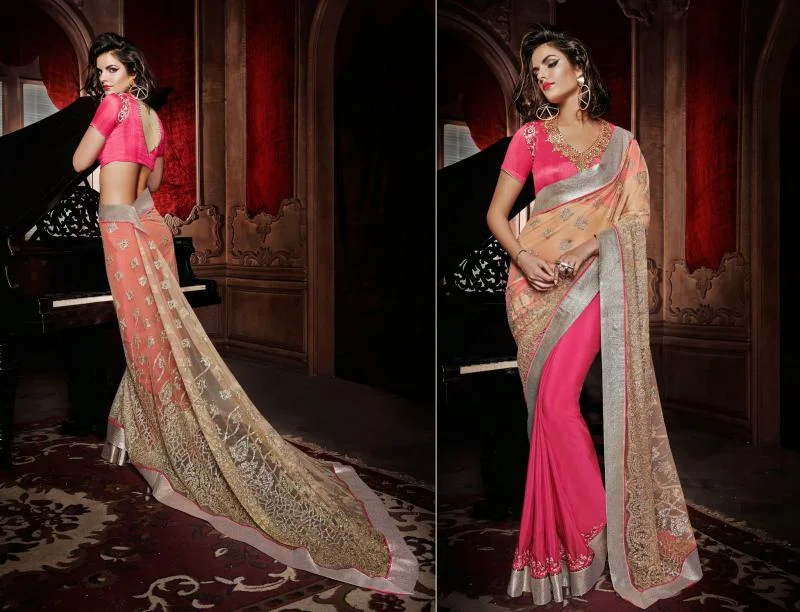
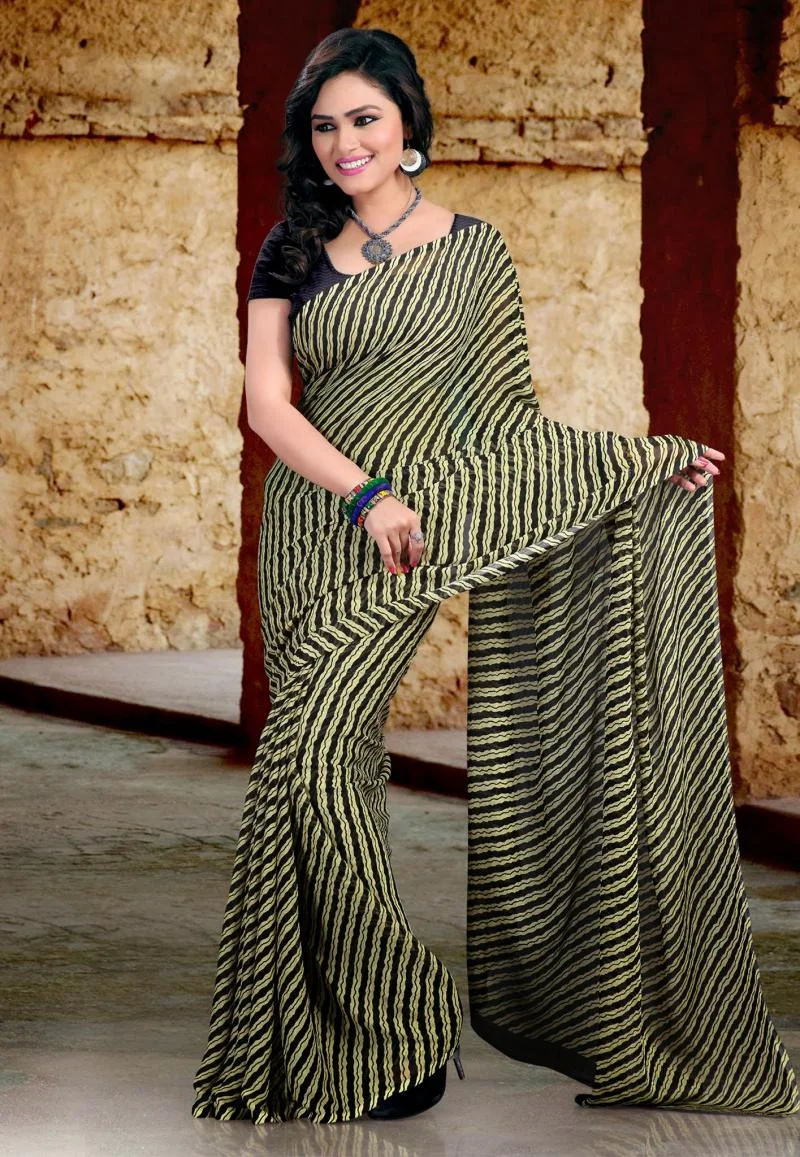
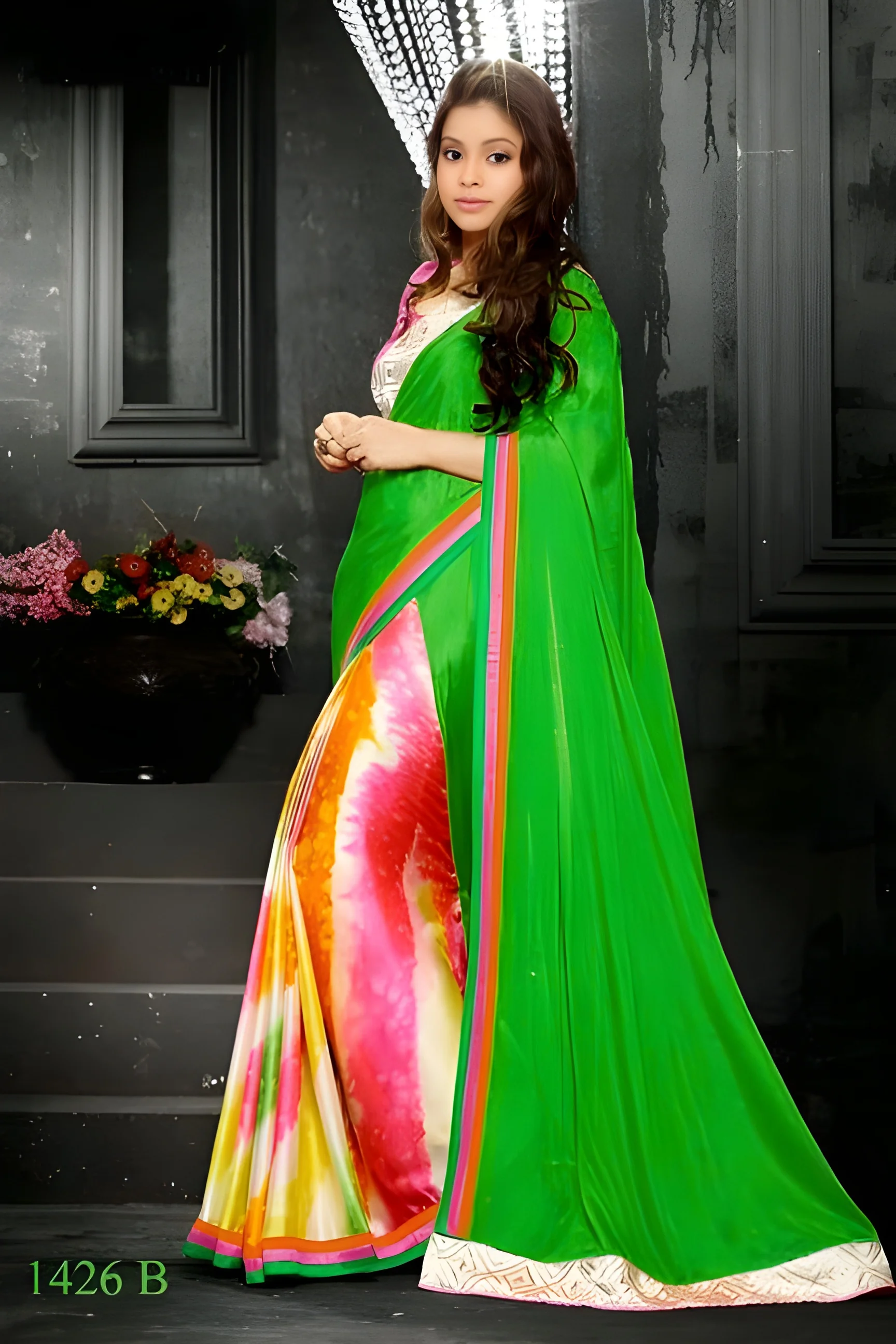
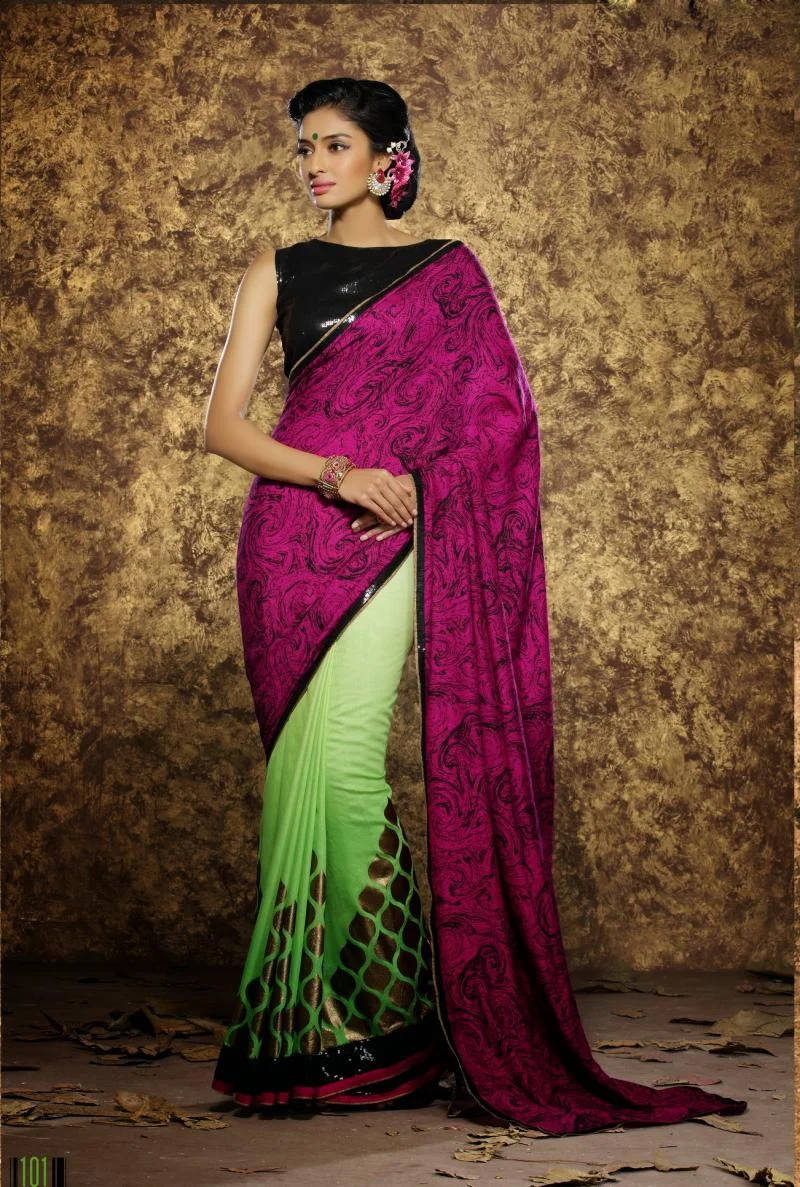
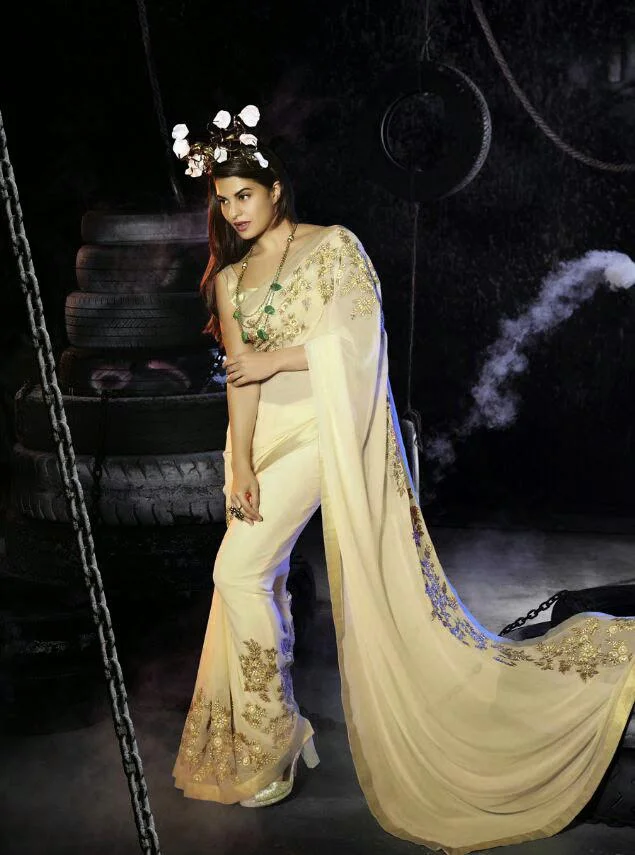
Sarees are traditional garments that consist of a long piece of fabric, elegantly draped around the body. They are available in various fabrics, designs, and lengths, making them suitable for both casual and formal events.
Lehengas
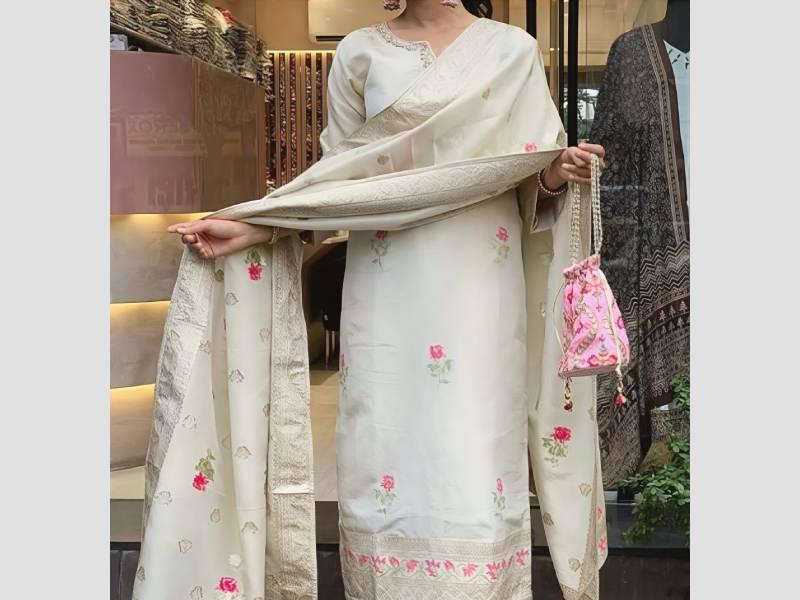
Lehengas are long skirts paired with a blouse and dupatta, often adorned with intricate embroidery. They are commonly worn at weddings and festive occasions, offering a regal appearance.
Kurtas
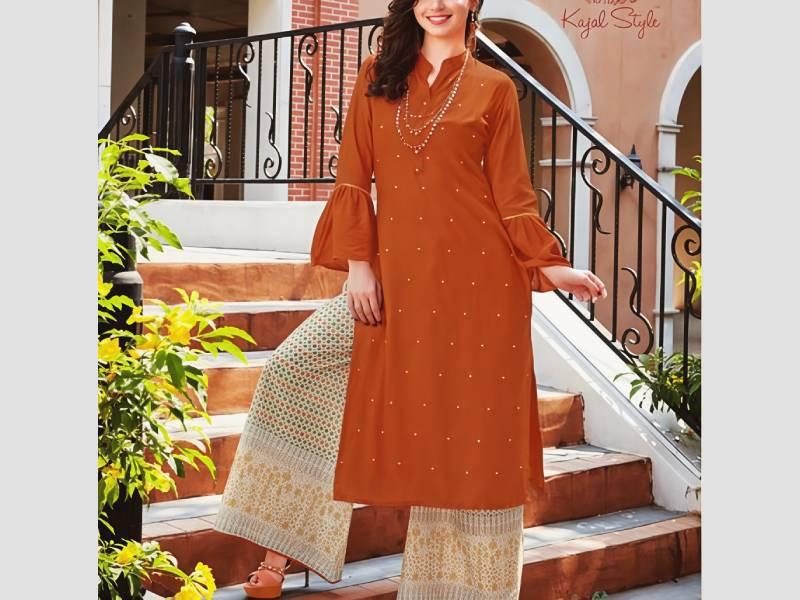
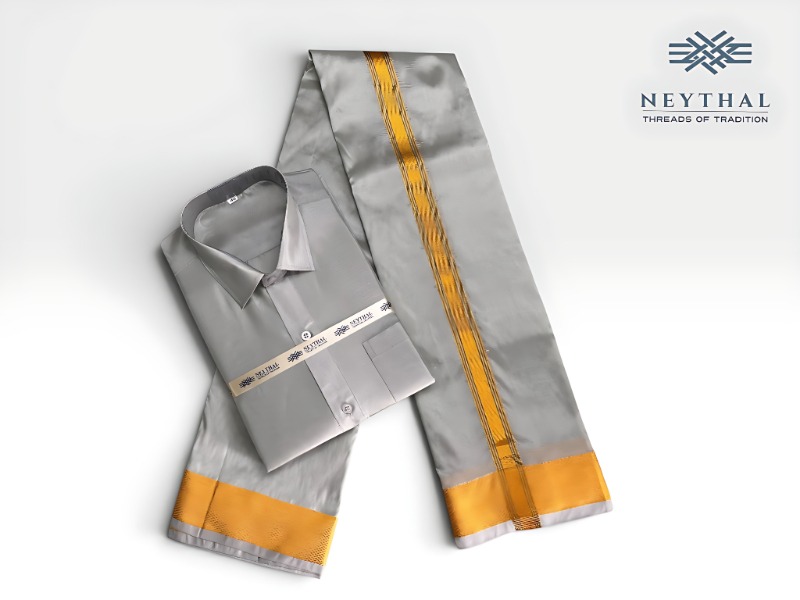
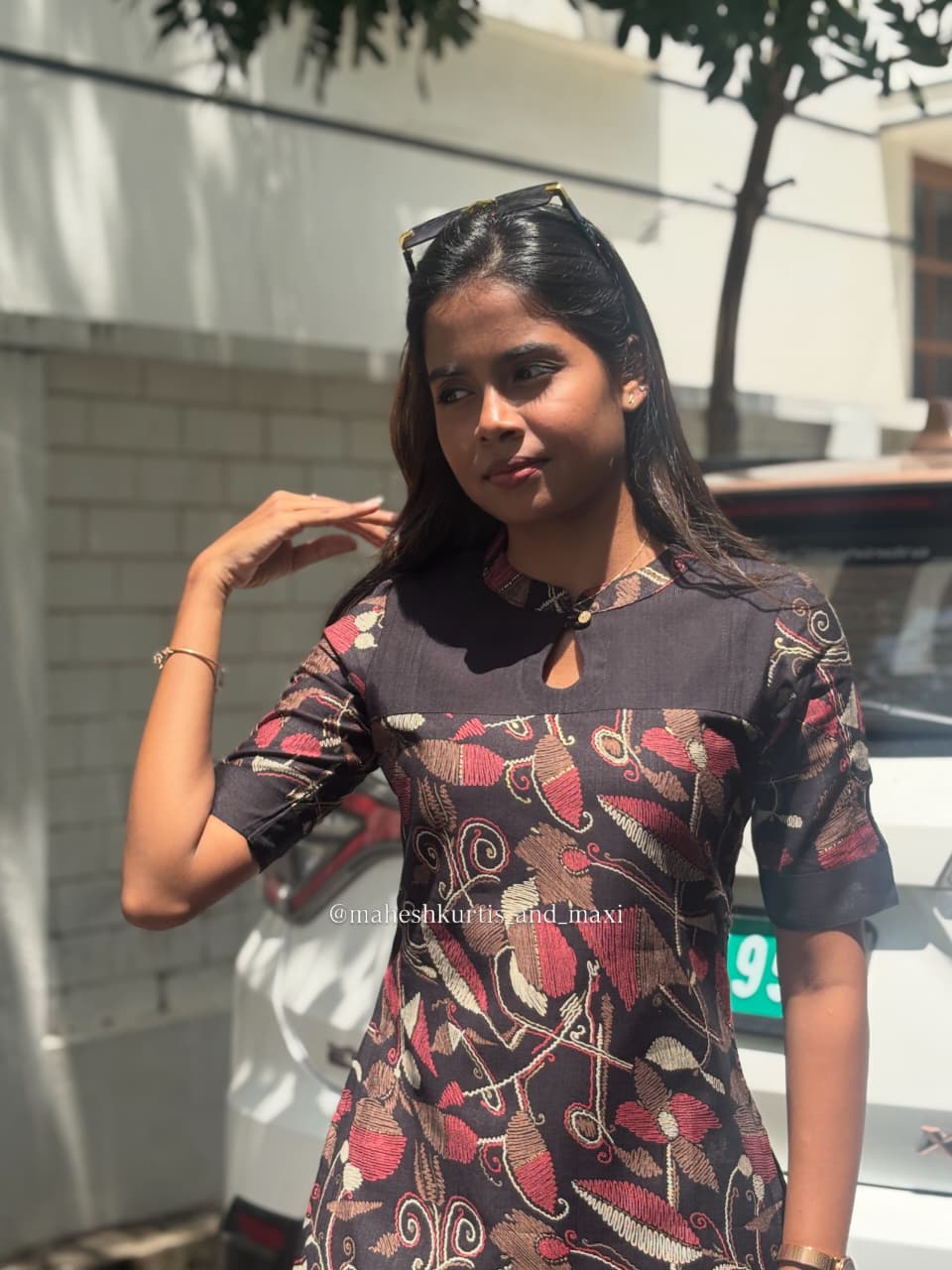
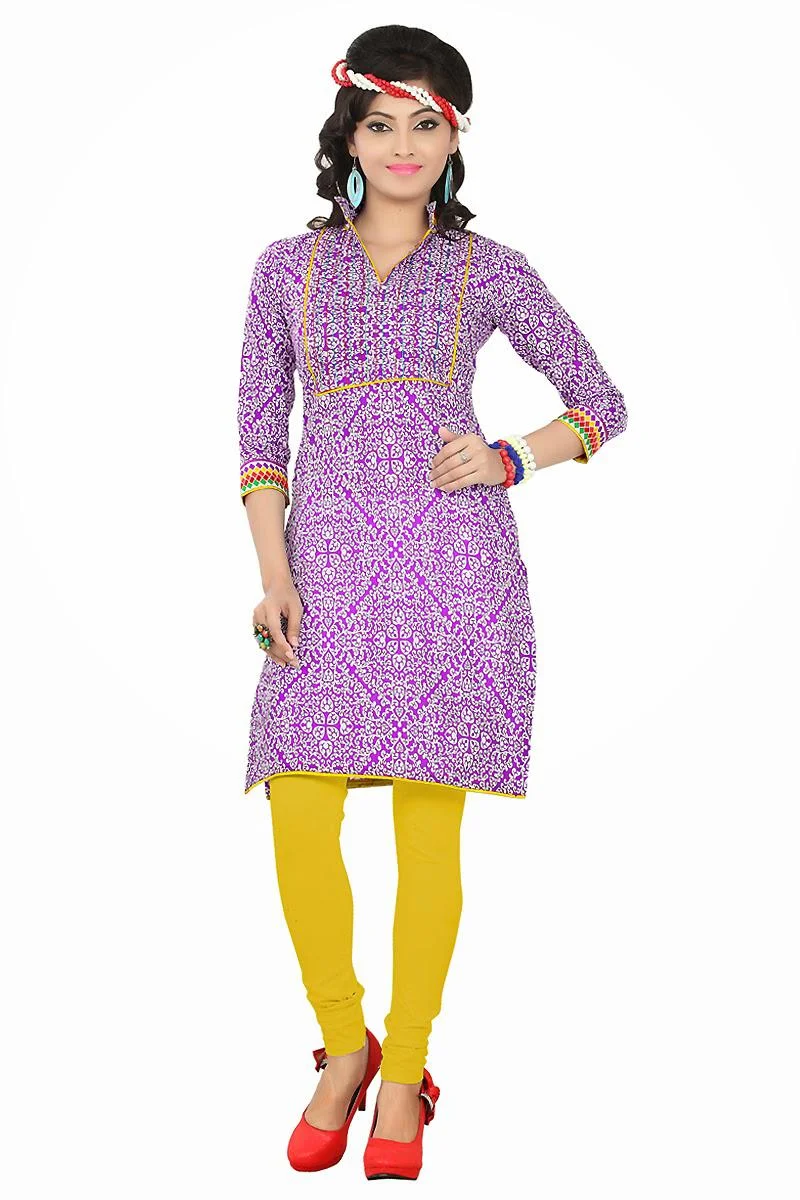
Kurtas are tunic-style garments that can be worn by both men and women. They are versatile and can be paired with various bottoms, making them ideal for both casual outings and formal events.
Sherwanis
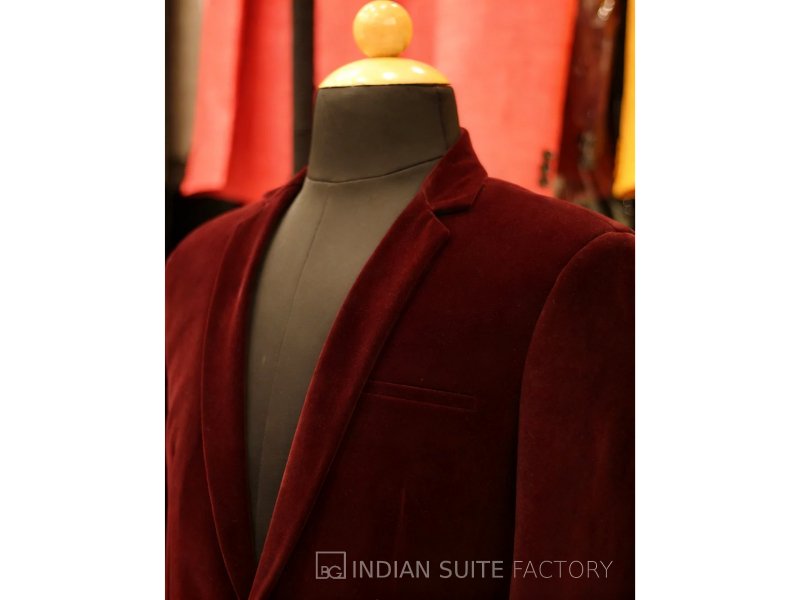
Sherwanis are traditional outfits for men, typically worn during weddings and special occasions. They feature elaborate designs and are usually made from luxurious fabrics.
𝗕𝗲𝗻𝗲𝗳𝗶𝘁𝘀 𝗮𝗻𝗱 𝗔𝗱𝘃𝗮𝗻𝘁𝗮𝗴𝗲𝘀
Party and ethnic wear offers numerous advantages for consumers and businesses alike.
1. Cultural Significance: Wearing ethnic garments helps individuals connect with their cultural roots and celebrate their heritage.
2. Versatility: Many styles are suitable for various occasions, from casual gatherings to formal events, providing value for money.
3. Quality Craftsmanship: Ethnic wear is often handcrafted, showcasing exceptional artistry and attention to detail.
4. Customization Options: Many suppliers offer customization, allowing businesses to meet specific customer preferences and sizes.
5. Trend Adaptability: The ability to blend traditional designs with modern trends ensures continuous relevance in the fashion market.
6. Sustainable Choices: Increasing availability of ethically sourced materials aligns with consumer preferences for sustainable fashion.
𝗕𝘂𝘆𝗶𝗻𝗴 𝗚𝘂𝗶𝗱𝗲 𝗳𝗼𝗿 𝗕𝟮𝗕 𝗕𝘂𝘆𝗲𝗿𝘀
When sourcing party and ethnic wear, there are several factors to consider to ensure a successful purchase.
1. Quality Assessment: Evaluate the fabric quality, craftsmanship, and design integrity to ensure the product meets your standards.
2. Supplier Verification: Vet potential suppliers by checking their reputation, customer reviews, and previous work to ensure reliable partnerships.
3. Pricing and MOQ: Understand the pricing structure and minimum order quantities to align your budget and procurement strategy.
4. Delivery and Lead Times: Discuss logistics and expected delivery times to avoid disruptions in your supply chain.
5. Compliance Requirements: Be aware of any regional regulations or certifications required for textiles to ensure compliance with industry standards.
𝗖𝗼𝗺𝗽𝗹𝗶𝗮𝗻𝗰𝗲 𝗮𝗻𝗱 𝗖𝗲𝗿𝘁𝗶𝗳𝗶𝗰𝗮𝘁𝗶𝗼𝗻𝘀
Compliance and certifications are crucial in the party and ethnic wear industry. Key quality standards such as ISO 9001 ensure that products meet international quality management criteria. Industry certifications, like CE, indicate compliance with health and safety regulations.
Safety and testing requirements must also be adhered to, particularly for garments that may be subjected to rigorous use. Additionally, regional compliance considerations may vary, necessitating awareness of local laws and regulations governing textile production and sales.
𝗪𝗵𝘆 𝗦𝗼𝘂𝗿𝗰𝗲 𝗣𝗮𝗿𝘁𝘆 / 𝗘𝘁𝗵𝗻𝗶𝗰 𝗪𝗲𝗮𝗿 𝗳𝗿𝗼𝗺 𝗣𝗲𝗽𝗮𝗴𝗼𝗿𝗮?
Pepagora offers a trusted platform for sourcing party and ethnic wear, providing several key advantages to B2B buyers.
Verified Supplier Network: Pepagora connects buyers with a network of verified suppliers, ensuring that quality and reliability are prioritized. This minimizes the risk of sourcing from untrustworthy vendors.
Streamlined RFQ Process: The request for quotation (RFQ) process is designed for efficiency, allowing buyers to receive timely responses and competitive pricing from multiple suppliers.
Trade Assurance and Support: Pepagora offers trade assurance, providing protection for buyers throughout the transaction process. This adds an extra layer of security and confidence when sourcing.
Regional Coverage: With a strong presence in India, the GCC, and Southeast Asia, Pepagora facilitates access to a diverse range of ethnic wear options, catering to various market needs and preferences.

 IN
IN