𝗪𝗵𝗮𝘁 𝗮𝗿𝗲 𝗘𝗿𝗴𝗼𝗻𝗼𝗺𝗶𝗰 𝗪𝗼𝗿𝗸𝘀𝗵𝗼𝗽 𝗙𝘂𝗿𝗻𝗶𝘁𝘂𝗿𝗲?
Ergonomic workshop furniture refers to specialized furniture designed to enhance comfort, productivity, and safety in industrial and workshop environments. This type of furniture is tailored to fit the needs of workers, reducing physical strain and promoting healthy postures during tasks. Ergonomic designs incorporate features such as adjustable heights, proper support for the back and arms, and materials that minimize fatigue over long working hours.
These furniture solutions are primarily used in settings where manual labor and repetitive tasks are common, such as manufacturing plants, assembly lines, and repair workshops. Businesses utilize ergonomic furniture to improve employee well-being, which can lead to increased efficiency and reduced absenteeism due to work-related injuries. In today's competitive market, investing in ergonomic solutions is becoming essential for companies aiming to retain skilled workers and enhance operational output.
The growing awareness of workplace safety and employee health has made ergonomic workshop furniture increasingly relevant across various industries. As organizations prioritize employee welfare, the demand for these products continues to rise. Manufacturers and suppliers are responding with innovative designs that meet the diverse needs of businesses in sectors such as automotive, electronics, and general manufacturing.
𝗞𝗲𝘆 𝗙𝗲𝗮𝘁𝘂𝗿𝗲𝘀 𝗮𝗻𝗱 𝗦𝗽𝗲𝗰𝗶𝗳𝗶𝗰𝗮𝘁𝗶𝗼𝗻𝘀
Ergonomic workshop furniture is characterized by several key features that enhance usability and comfort. Understanding these specifications is crucial for businesses looking to invest in these solutions.
Key specifications include:
1. Adjustable Height
- Allows customization according to the user’s preference.
- Typically ranges from 28 to 36 inches in height.
2. Load Capacity
- Designed to support varying weights based on application needs.
- Load capacities often range from 250 to 1,000 pounds.
3. Material Quality
- Constructed from durable materials such as steel, wood, or composite.
- Resistance to wear, chemicals, and impact is critical.
4. Surface Design
- Available in smooth or textured finishes to accommodate different tasks.
- Can include anti-slip and easy-to-clean surfaces.
5. Mobility Features
- Some variants come with wheels for easy relocation.
- Locking mechanisms ensure stability during use.
6. Ergonomic Design Elements
- Includes features such as padded surfaces and contoured shapes.
- Promotes proper posture and reduces muscle strain.
7. Accessories and Customization
- Options for adding drawers, shelves, or tool holders.
- Customization can enhance functionality based on specific tasks.
In summary, when selecting ergonomic workshop furniture, it is essential to consider these specifications to ensure the best fit for your workplace needs.
𝗖𝗼𝗺𝗺𝗼𝗻 𝗔𝗽𝗽𝗹𝗶𝗰𝗮𝘁𝗶𝗼𝗻𝘀 𝗮𝗻𝗱 𝗨𝘀𝗲 𝗖𝗮𝘀𝗲𝘀
Ergonomic workshop furniture serves a broad range of industries, ensuring that workers can perform their tasks comfortably and efficiently.
1. Manufacturing: In manufacturing environments, ergonomic workstations help reduce physical strain for assembly line workers, allowing for prolonged productivity without discomfort.
2. Automotive: Automotive repair shops benefit from adjustable workbenches and tool storage solutions that support various tasks, from repairs to inspections, while maintaining optimal posture for technicians.
3. Electronics: In electronics assembly, ergonomic furniture provides stability and comfort for workers who perform detailed, repetitive tasks, thereby enhancing precision and reducing fatigue.
4. Warehousing: Ergonomic solutions, such as adjustable shelving and work tables, facilitate the efficient handling of goods, reducing the risk of injury from lifting or reaching.
5. Laboratory: In laboratory settings, ergonomic furniture assists researchers and technicians in maintaining proper posture while conducting experiments, ensuring safety and effectiveness.
6. Retail: Retail environments utilize ergonomic checkout counters and display tables to enhance employee comfort during long hours of standing and customer interaction.
7. Construction: On construction sites, portable ergonomic workstations provide flexibility and comfort for workers engaged in various tasks, from measuring to assembling components.
𝗣𝗿𝗼𝗱𝘂𝗰𝘁 𝗩𝗮𝗿𝗶𝗮𝗻𝘁𝘀 𝗮𝗻𝗱 𝗦𝘂𝗯𝗰𝗮𝘁𝗲𝗴𝗼𝗿𝗶𝗲𝘀
The diversity of ergonomic workshop furniture allows businesses to select options that best meet their specific operational needs.
Adjustable Workbenches
These workbenches offer height adjustment features, allowing users to switch between sitting and standing positions. They are particularly useful in environments where workers perform tasks that require various postures throughout the day.
Heavy-Duty Workstations
Designed for robust applications, heavy-duty workstations provide high load capacities and durable surface materials. They are ideal for industries such as automotive and manufacturing, where strength and stability are critical.
Mobile Workstations
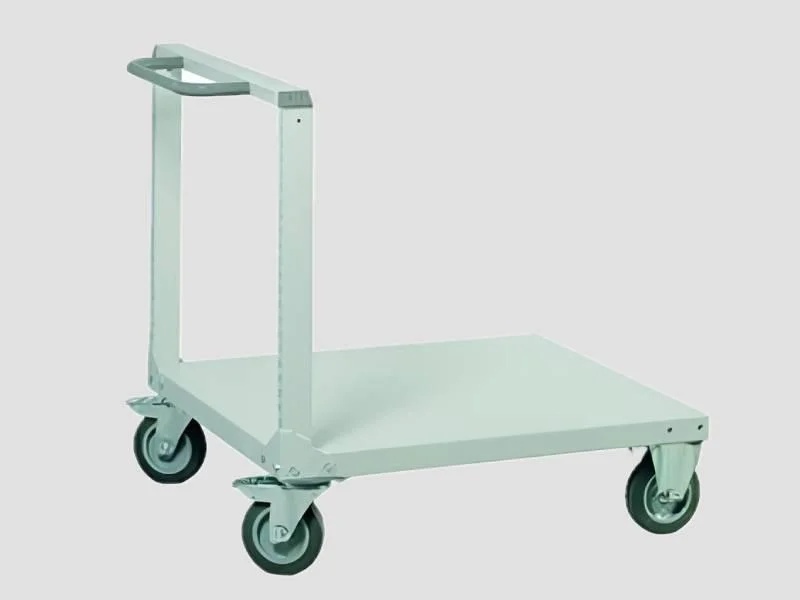
These mobile solutions come equipped with wheels and lockable features, offering flexibility in workspace configuration. They are perfect for dynamic environments where tasks frequently change.
𝗕𝗲𝗻𝗲𝗳𝗶𝘁𝘀 𝗮𝗻𝗱 𝗔𝗱𝘃𝗮𝗻𝘁𝗮𝗴𝗲𝘀
Investing in ergonomic workshop furniture presents numerous advantages for businesses and employees alike.
Key benefits include:
1. Improved Employee Health: Ergonomic designs minimize the risk of musculoskeletal disorders, leading to healthier workers and lower medical costs.
2. Enhanced Productivity: Comfort increases focus and efficiency, allowing employees to work longer hours without fatigue.
3. Reduced Absenteeism: By promoting a safer work environment, companies can decrease absenteeism caused by injuries.
4. Greater Job Satisfaction: Employees who feel comfortable and supported in their work environment are more likely to be satisfied with their jobs.
5. Long-Term Cost Savings: Investing in ergonomic solutions can lead to reduced turnover rates and training costs associated with hiring new staff.
6. Compliance with Regulations: Ergonomic furniture often meets industry safety standards, helping businesses maintain compliance with workplace regulations.
𝗕𝘂𝘆𝗶𝗻𝗴 𝗚𝘂𝗶𝗱𝗲 𝗳𝗼𝗿 𝗕𝟮𝗕 𝗕𝘂𝘆𝗲𝗿𝘀
When sourcing ergonomic workshop furniture, businesses should consider several important factors to make informed purchasing decisions.
1. Quality Assessment: Evaluate the materials and construction quality of furniture to ensure durability. Look for products that meet industry standards and have positive user reviews.
2. Supplier Verification: Conduct thorough background checks on suppliers to confirm their reputation and reliability. Verify their credentials and ask for references from previous clients.
3. Pricing and MOQ: Understand the pricing structure and minimum order quantities (MOQ) offered by suppliers. Compare quotes from multiple vendors to find the best value without compromising quality.
4. Delivery and Lead Times: Confirm the expected delivery times and logistics involved in shipping. Plan ahead to ensure that the furniture arrives when needed for operations.
5. Compliance Requirements: Be aware of any regional or industry-specific compliance needs for ergonomic furniture. Ensure that the products meet safety and regulatory standards applicable to your business.
𝗖𝗼𝗺𝗽𝗹𝗶𝗮𝗻𝗰𝗲 𝗮𝗻𝗱 𝗖𝗲𝗿𝘁𝗶𝗳𝗶𝗰𝗮𝘁𝗶𝗼𝗻𝘀
Ergonomic workshop furniture must adhere to various quality standards to ensure safety and reliability. Key standards include ISO 9001, which focuses on quality management systems, ensuring that manufacturers maintain high levels of quality in their production processes.
Additionally, industry-specific certifications such as CE mark indicate compliance with European health, safety, and environmental protection standards. This certification assures buyers that the products meet essential safety requirements.
Safety and testing requirements are crucial, especially in environments where heavy machinery or tools are used. Manufacturers often conduct rigorous testing to ensure that their products can withstand the demands of the workplace.
Regional compliance considerations may vary depending on the location of the business. Buyers should familiarize themselves with local regulations to ensure that their ergonomic furniture meets all necessary requirements.
𝗪𝗵𝘆 𝗦𝗼𝘂𝗿𝗰𝗲 𝗘𝗿𝗴𝗼𝗻𝗼𝗺𝗶𝗰 𝗪𝗼𝗿𝗸𝘀𝗵𝗼𝗽 𝗙𝘂𝗿𝗻𝗶𝘁𝘂𝗿𝗲 𝗳𝗿𝗼𝗺 𝗣𝗲𝗽𝗮𝗴𝗼𝗿𝗮?
Pepagora provides a trusted platform for sourcing ergonomic workshop furniture, offering several key advantages that benefit B2B buyers.
Verified Supplier Network: Pepagora connects businesses with a network of verified suppliers, ensuring that buyers can source high-quality ergonomic solutions from reputable manufacturers.
Streamlined RFQ Process: The request for quotation (RFQ) system simplifies the procurement process. Buyers can easily submit their requirements and receive competitive quotes from multiple suppliers, saving time and effort.
Trade Assurance and Support: Pepagora offers trade assurance to protect buyers during transactions. This support helps ensure that businesses receive the products they ordered and that any issues are handled efficiently.
Regional Coverage: With a wide geographic reach, Pepagora serves businesses across India, the GCC, and Southeast Asia. This extensive coverage allows companies to find ergonomic workshop furniture that meets their needs, regardless of their location.

 IN
IN
 India
India