What are Electronic Testing & Diagnosis Services?
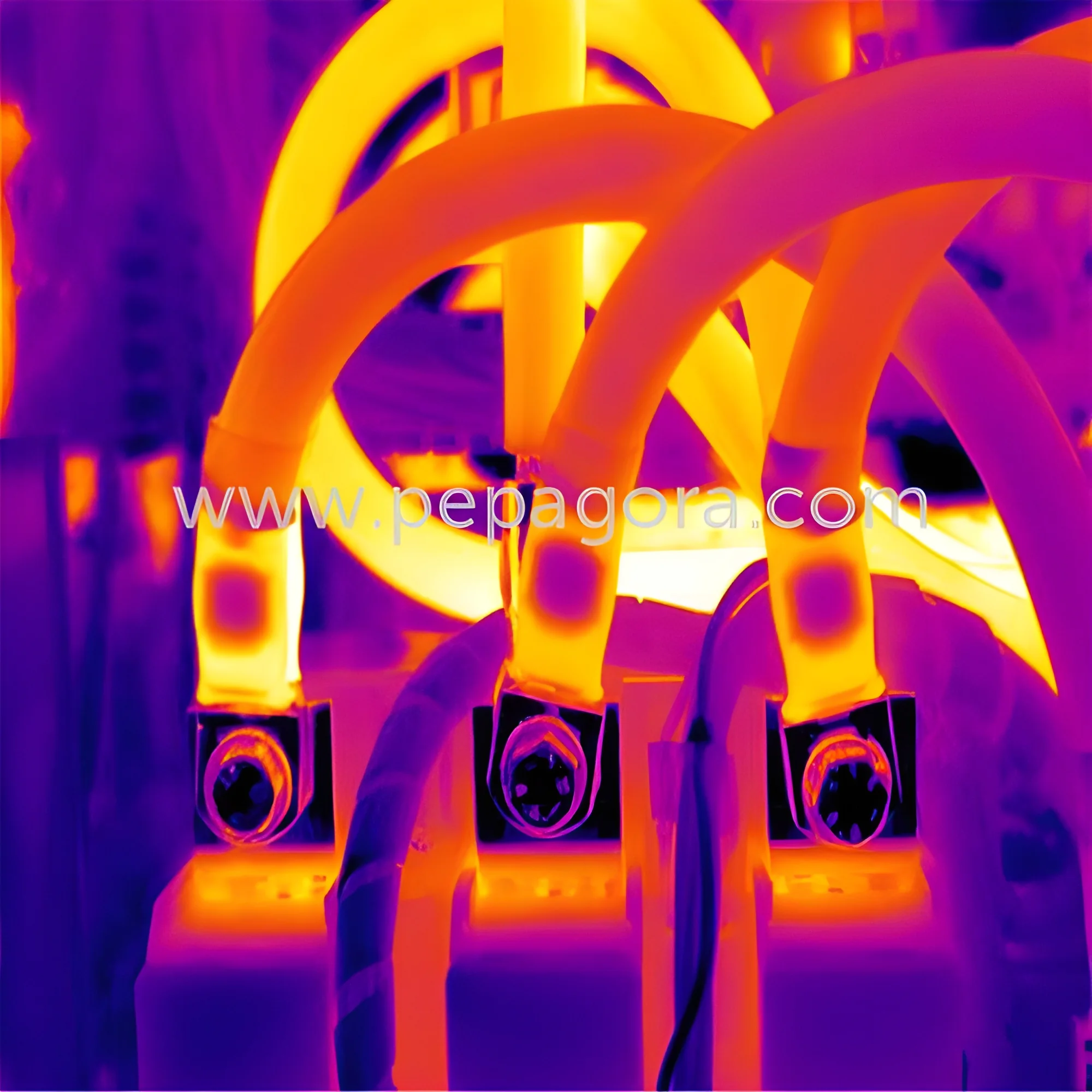
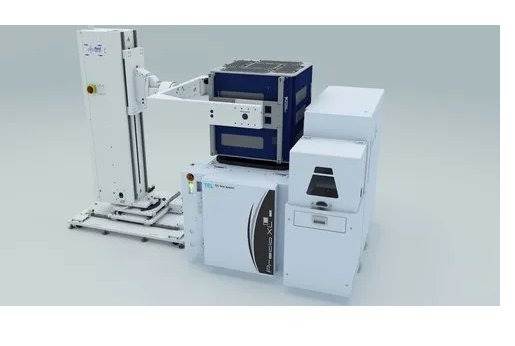
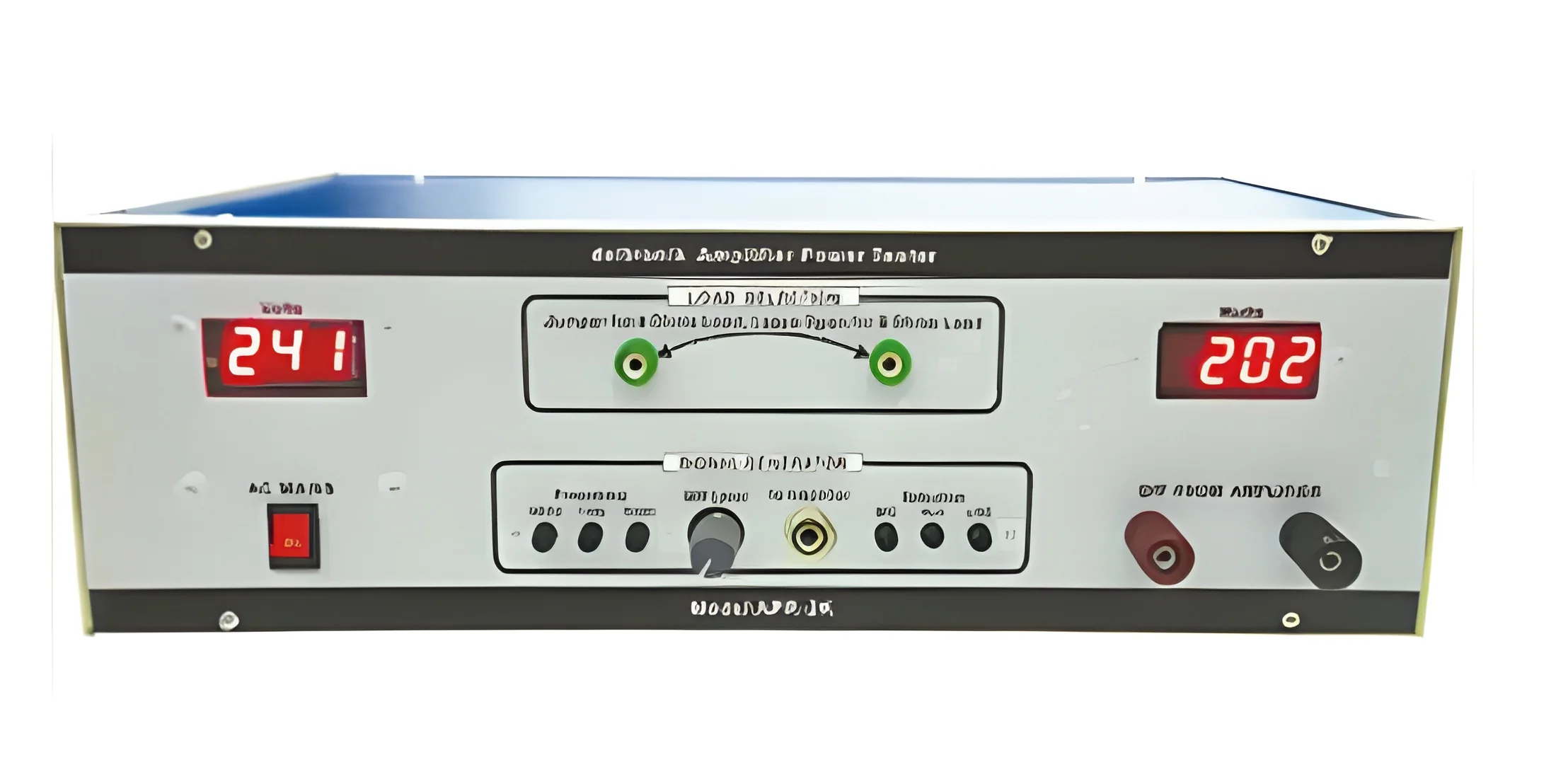
Electronic Testing & Diagnosis Services refer to a range of specialized services aimed at evaluating and analyzing electronic components and systems. These services encompass testing methodologies that identify faults, diagnose issues, and ensure the efficiency and safety of electronic products. They play a crucial role in maintaining the integrity of electronic devices, ensuring they function correctly and adhere to industry standards.
The primary uses of these services include quality assurance, product development, and compliance testing. Businesses utilize these services to verify the reliability of their electronic components before they are integrated into larger systems or brought to market. Industries such as telecommunications, automotive, and consumer electronics rely heavily on electronic testing to minimize defects and optimize performance. This increasing reliance highlights the growing importance of these services in various sectors.
In the current market context, electronic testing is integral to innovation and competitiveness. As technology evolves rapidly, the demand for thorough testing services increases. Companies that invest in comprehensive testing and diagnosis can reduce the risk of product failures, enhance customer satisfaction, and comply with regulatory requirements. The industry is witnessing advancements in testing techniques and tools, making these services more efficient and effective.
Key Features and Specifications
Electronic Testing & Diagnosis Services come with several key features that enhance their effectiveness. These features are designed to meet the diverse needs of industries requiring testing and diagnosis of electronic components.
Key specifications include:
1. Comprehensive Testing Capabilities
- Includes functional testing, performance testing, and safety evaluations.
- Ensures compliance with industry standards.
2. Advanced Diagnostic Tools
- Utilizes state-of-the-art equipment for accurate assessments.
- Provides detailed reports on findings and recommendations.
3. Compliance Testing
- Adheres to relevant safety and quality standards.
- Ensures products meet regulatory requirements across different markets.
4. Real-time Monitoring
- Offers live data analysis during testing processes.
- Improves the speed and accuracy of diagnostics.
5. Customizable Testing Solutions
- Tailored services to fit specific client needs.
- Flexibility in testing parameters and methodologies.
6. Experienced Technicians
- Services conducted by trained professionals with industry expertise.
- Ensures high-quality results and reliable outcomes.
7. Detailed Reporting
- Provides comprehensive reports that outline findings and next steps.
- Facilitates informed decision-making based on test results.
8. Continuous Improvement Processes
- Incorporates feedback and data for service enhancement.
- Supports ongoing quality assurance and product development.
These features collectively contribute to the reliability and efficiency of Electronic Testing & Diagnosis Services, making them essential for businesses in various sectors.
Common Applications and Use Cases
Electronic Testing & Diagnosis Services find applications across a wide range of industries, each benefiting from specialized testing methods.
1. Telecommunications: These services are vital for ensuring the performance and reliability of devices like routers and switches. They help identify potential issues before deployment.
2. Automotive: In the automotive industry, testing services are used to assess electronic control units (ECUs) and ensure safety standards are met for vehicle electronics.
3. Consumer Electronics: Manufacturers use testing services to verify the functionality of products like smartphones and laptops, ensuring they meet consumer expectations.
4. Aerospace: Rigorous testing is conducted on avionics and other electronic systems to adhere to strict safety regulations and performance standards.
5. Medical Devices: Electronic testing ensures that medical equipment functions correctly and safely, complying with healthcare regulations.
6. Industrial Automation: Testing services help in maintaining the reliability of control systems and sensors used in manufacturing processes.
7. Defense and Security: These services are critical for assessing the reliability of electronic systems used in defense applications, ensuring they perform under various conditions.
Product Variants and Subcategories
Electronic Testing & Diagnosis Services encompass various approaches tailored to different needs and industries. While specific subcategories are not available, the diversity within the offerings allows for customization and flexibility.
Comprehensive Testing Services
These services cover a broad spectrum of testing methodologies designed to meet the specific requirements of different industries. They ensure thorough evaluations of electronic systems.
Specialized Compliance Services
Focused on meeting regulatory standards, these services provide essential testing to ensure products adhere to industry-specific guidelines and safety regulations.
Rapid Prototyping Testing
This variant is aimed at companies in the development phase, allowing for quick assessments of prototypes to identify issues early in the design process.
Remote Testing Services
Leveraging digital technology, these services allow for remote diagnostics and monitoring, providing convenience and efficiency for businesses.
Benefits and Advantages
Investing in Electronic Testing & Diagnosis Services offers numerous advantages for businesses looking to enhance quality and compliance.
Key benefits include:
1. Improved Product Quality: Rigorous testing helps identify defects early, ensuring high-quality outputs that meet customer expectations.
2. Enhanced Compliance: These services ensure adherence to industry standards and regulations, reducing legal and financial risks.
3. Cost Efficiency: Early detection of issues minimizes costly recalls and repairs, leading to better resource allocation.
4. Increased Customer Satisfaction: Reliable products lead to higher customer trust and satisfaction, enhancing brand reputation.
5. Accelerated Time to Market: Streamlined testing processes allow for quicker product releases without compromising quality.
6. Competitive Advantage: Companies that prioritize testing can differentiate themselves in the marketplace, attracting more customers.
Buying Guide for B2B Buyers
When sourcing Electronic Testing & Diagnosis Services, several factors should be considered to ensure a successful partnership.
1. Quality Assessment: Look for suppliers with a proven track record of high-quality testing services. Check for certifications and customer testimonials that demonstrate reliability.
2. Supplier Verification: Vet potential suppliers by reviewing their credentials, experience, and technological capabilities. Ensure they have the necessary expertise in your specific industry.
3. Pricing and MOQ: Consider the pricing structure and minimum order quantities. Evaluate whether the costs align with your budget while ensuring quality is not compromised.
4. Delivery and Lead Times: Assess the supplier's ability to meet your timelines. Reliable service providers should offer clear delivery schedules and quick turnaround times.
5. Compliance Requirements: Ensure that the supplier adheres to necessary regulatory standards relevant to your industry. This will help mitigate risks associated with non-compliance.
Compliance and Certifications
Compliance and certifications are critical components of Electronic Testing & Diagnosis Services. Adhering to recognized quality standards ensures that testing processes meet industry requirements and customer expectations.
Relevant quality standards include ISO 9001, which focuses on quality management systems, and HACCP, which is applicable in food safety contexts. Additionally, Good Distribution Practice (GDP) certifications ensure that products are handled consistently across the supply chain.
Industry certifications, such as CE marking, indicate that products meet European health, safety, and environmental protection standards. These certifications are vital for market access in many regions.
Safety and testing requirements vary by industry, emphasizing the importance of thorough testing protocols. Regional compliance considerations should also be taken into account, as different markets may have unique regulatory demands.
Why Source Electronic Testing & Diagnosis Services from Pepagora?
Pepagora provides a trusted platform for sourcing Electronic Testing & Diagnosis Services, offering several key advantages for B2B buyers.
Verified Supplier Network: Pepagora connects you with a network of verified suppliers, ensuring that you work with reputable companies that meet your quality standards. This verification process helps mitigate risks associated with supplier reliability.
Streamlined RFQ Process: The request for quotation (RFQ) process on Pepagora is designed to be user-friendly, allowing buyers to quickly and efficiently obtain quotes from multiple suppliers. This streamlining saves time and enhances decision-making.
Trade Assurance and Support: Pepagora offers trade assurance programs that protect buyers throughout the transaction process. This support provides peace of mind, knowing that your interests are safeguarded.
Regional Coverage: With a focus on regions such as India, GCC, and Southeast Asia, Pepagora ensures that you have access to a diverse range of suppliers and services tailored to your geographic needs. This broad coverage enhances your sourcing options and operational flexibility.

 IN
IN
 India
India