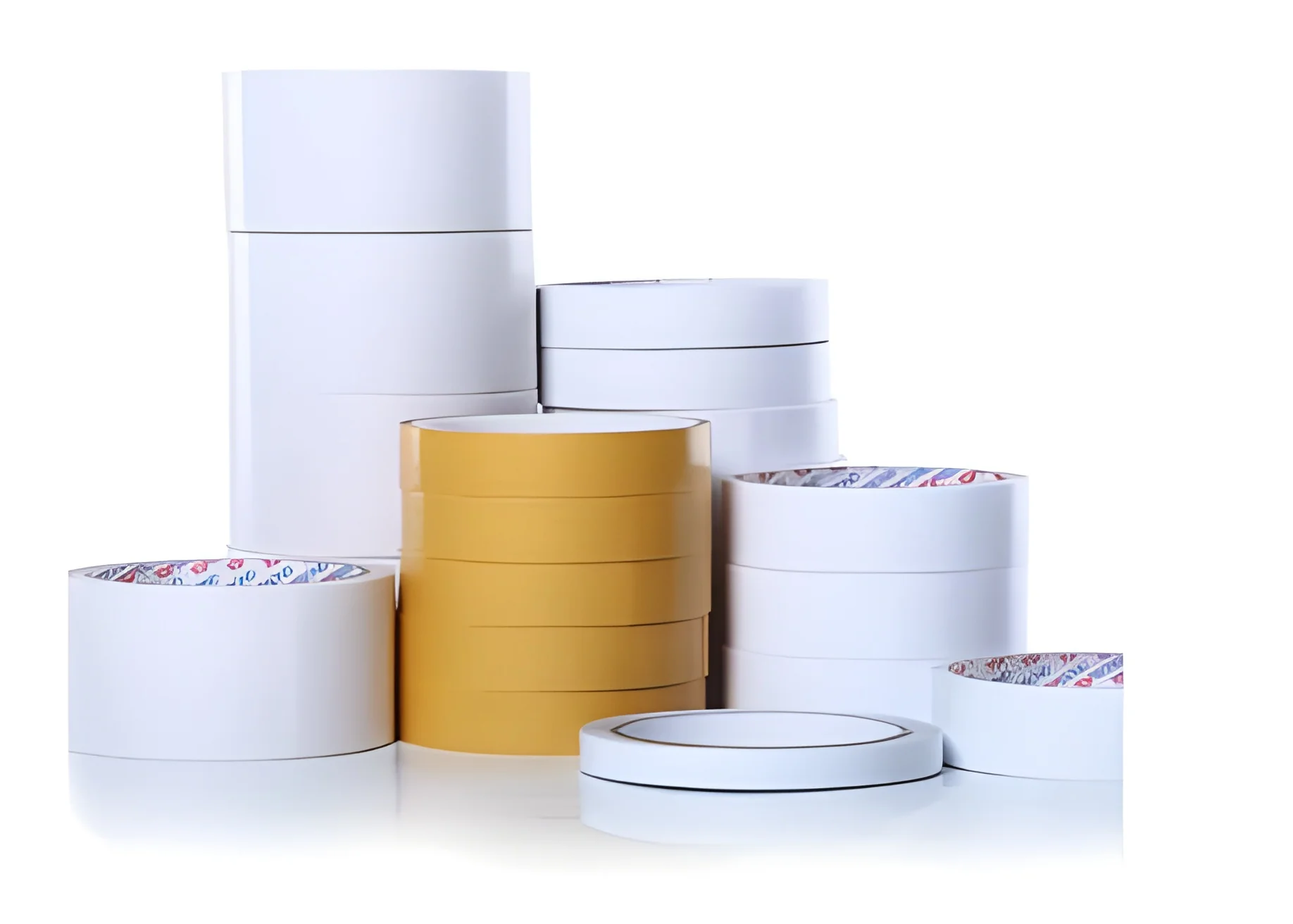
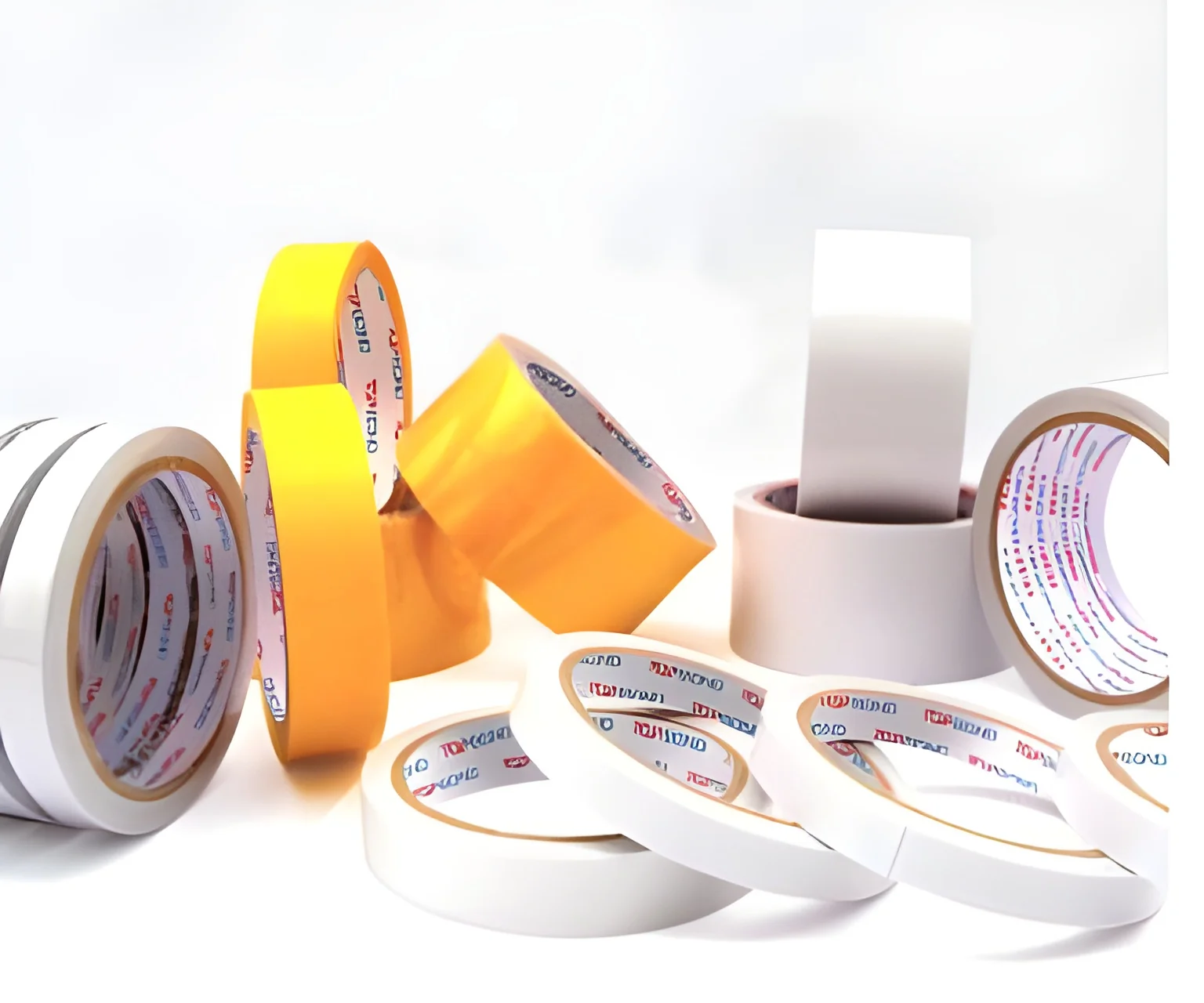
What are Double-Sided Tape?
Double-sided tape is an adhesive tape that has adhesive on both sides, allowing it to bond two surfaces together without being visible. This type of tape is designed for a variety of applications where a strong, reliable bond is required, while maintaining a clean aesthetic. Double-sided tape can be used on various materials, including paper, plastic, metal, and fabric, making it a versatile tool in many industries.
The primary uses of double-sided tape encompass mounting, securing, and attaching items where traditional adhesives or fasteners may not be suitable. Businesses often utilize it for applications such as assembling displays, securing carpets, and affixing components in manufacturing processes. This product is especially relevant in industries like retail, construction, and electronics, where a clean finish is essential and the need for efficient assembly methods is high.
In the industrial market, double-sided tape is increasingly being recognized for its role in enhancing productivity and efficiency. As manufacturers seek to streamline processes and reduce reliance on mechanical fasteners, double-sided tape has emerged as a practical solution. Its adaptability to various environments and materials supports the growing demand for innovative bonding solutions across multiple sectors.
Key Features and Specifications
Double-sided tape comes with a range of features designed to meet the needs of different applications. These specifications are crucial for businesses looking to select the right tape for their projects.
Key specifications include:
1. Adhesive Type
- This can vary from rubber to acrylic-based adhesives.
- Each type offers different levels of strength and temperature resistance.
2. Thickness
- Common thickness ranges from 0.5 mm to 3 mm.
- Thicker tapes provide more cushioning and bonding surface.
3. Temperature Resistance
- Suitable for applications ranging from -10°C to 100°C.
- Important for environments that experience temperature fluctuations.
4. Width Options
- Available in various widths, typically from 6 mm to 100 mm.
- Wider tapes are ideal for larger surfaces and heavier materials.
5. Liner Type
- Can have a paper or film liner.
- The type of liner impacts ease of use and application.
6. Bond Strength
- Measured in grams or pounds per inch.
- Indicates the force required to separate the bonded materials.
7. Application Method
- Can be hand-applied or machine-applied.
- The method of application can affect efficiency and accuracy.
8. Durability
- Varies based on the adhesive and backing material.
- Critical for long-term applications where longevity is needed.
Selecting the right specifications is key to ensuring optimal performance in diverse applications.
Common Applications and Use Cases
Double-sided tape serves various industries, demonstrating its versatility and widespread utility.
1. Retail: Used for mounting signage, displays, and promotional materials without visible fasteners, enhancing presentation and aesthetics.
2. Construction: Ideal for securing carpets, tiles, and fixtures, providing a strong hold without damaging surfaces during removal.
3. Electronics: Commonly used in the assembly of components, such as securing screens and circuit boards, where precise placement is critical.
4. Automotive: Employed for attaching trim, insulation, and other components, contributing to streamlined assembly processes.
5. Arts and Crafts: Favored by artists and crafters for its clean application, allowing for easy bonding of various materials without mess.
6. Packaging: Utilized for sealing and securing boxes and packages, ensuring they remain intact during transport.
7. Signage: Effective for mounting signs and displays, providing strong adhesion without the need for drilling or permanent fixtures.
Product Variants and Subcategories
Double-sided tape is available in several variants to cater to specific industry needs and applications.
Standard Double-Sided Tape
This is the most common variant and is suitable for general applications. It provides a reliable bond for a variety of materials and is easy to use.
High-Strength Double-Sided Tape
Designed for heavy-duty applications, this variant offers enhanced adhesion and durability. It is ideal for securing larger items or in environments with temperature fluctuations.
Foam Double-Sided Tape
This variant features a foam layer that adds cushioning and flexibility. It is particularly useful for uneven surfaces and can absorb shocks.
Low-Temperature Double-Sided Tape
Specifically formulated to perform in low-temperature environments, this tape is ideal for refrigeration and cold storage applications.
Benefits and Advantages
Double-sided tape offers numerous benefits that make it a preferred choice for businesses.
1. Clean Application: The invisible bond allows for a neat finish, making it ideal for aesthetic-focused projects.
2. Time Efficiency: Easy to apply, double-sided tape reduces assembly time compared to traditional methods, boosting productivity.
3. Versatile Use: It can bond a wide range of materials, making it suitable for diverse applications across various industries.
4. Strong Adhesion: Provides a reliable bond that can withstand significant stress and strain, ensuring durability.
5. Easy Removal: Many double-sided tapes can be removed without leaving residue, making them suitable for temporary applications.
6. Lightweight: Reduces the overall weight of products compared to mechanical fasteners, which is beneficial in many applications.
Buying Guide for B2B Buyers
When sourcing double-sided tape, several factors should be considered to ensure the right fit for your needs.
1. Quality Assessment: Evaluate the tape's specifications, including adhesive type and bond strength, to ensure it meets your application requirements.
2. Supplier Verification: Conduct due diligence on suppliers to confirm their reliability and product quality. Look for reviews and testimonials from other businesses.
3. Pricing and MOQ: Compare pricing across suppliers while considering minimum order quantities to ensure that costs align with your budget and usage needs.
4. Delivery and Lead Times: Factor in logistics and delivery schedules to ensure that the tape arrives when needed for production or projects.
5. Compliance Requirements: Ensure that the tape meets any industry-specific regulations or standards that may apply, especially in sensitive applications.
Compliance and Certifications
Compliance with relevant standards is critical in the manufacturing and use of double-sided tape. Key quality standards such as ISO 9001 ensure that products meet consistent quality benchmarks. Certifications like CE indicate that the product complies with European safety and health regulations.
Safety and testing requirements must also be met to ensure that the tape performs reliably in various applications. Additionally, regional compliance considerations may vary. It is essential to verify that the tape adheres to local regulations, particularly in industries such as food packaging or electronics.
Why Source Double-Sided Tape from Pepagora?
Pepagora provides a trusted platform for sourcing double-sided tape with several key advantages that benefit B2B buyers.
Verified Supplier Network: Pepagora features a network of verified suppliers, ensuring that buyers can trust the quality and reliability of the products they source.
Streamlined RFQ Process: The platform simplifies the request for quotation process, allowing buyers to easily compare options and select the best fit for their needs.
Trade Assurance and Support: Pepagora offers trade assurance, providing buyers with protection during transactions and support to address any issues that may arise.
Regional Coverage: With a strong presence in India, the GCC, and Southeast Asia, Pepagora ensures that businesses can access reliable suppliers and products across diverse markets.

 IN
IN