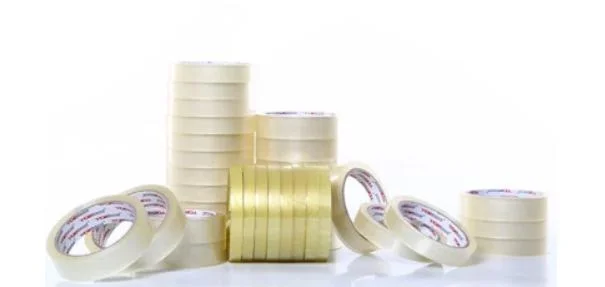
What are Cellophane Tape?
Cellophane tape is a versatile, transparent adhesive tape made from regenerated cellulose. It is designed to bond easily to a variety of surfaces, providing a reliable seal while remaining invisible. The tape is characterized by its smooth finish and flexible nature, allowing it to conform to different shapes and surfaces without losing adhesion.
In a business context, cellophane tape is commonly used for packaging, sealing, and mending tasks. It is an essential item in offices, warehouses, and manufacturing environments. Companies utilize it for labeling products, securing boxes, and even in arts and crafts applications. The demand for this product remains strong across various sectors due to its effectiveness and ease of use.
As a product, cellophane tape plays a crucial role in the packaging and shipping industries. Its ability to provide a secure, weather-resistant seal makes it relevant in both domestic and international shipping contexts. The market for cellophane tape is driven by the growing e-commerce sector and increased packaging needs.
Key Features and Specifications
Cellophane tape offers several essential features that cater to both industrial and commercial applications. Its specifications can influence the choice of tape for specific tasks, ensuring optimal performance.
Key specifications include:
1. Adhesive Type
- Generally, cellophane tape features a pressure-sensitive adhesive that allows for easy application.
- This tape adheres well to both paper and plastic surfaces.
2. Width
- Common widths range from 12mm to 50mm, catering to various sealing and packaging needs.
- Wider tapes are often preferred for larger packages.
3. Thickness
- The thickness of cellophane tape typically varies between 0.05mm to 0.1mm.
- Thicker tapes may provide enhanced durability for heavy-duty applications.
4. Tensile Strength
- This refers to the tape’s ability to withstand pulling forces without breaking.
- Tensile strengths usually range from 20-25 N/cm.
5. Temperature Resistance
- While specific data is not available, cellophane tape generally performs well under normal temperature conditions.
6. UV Resistance
- Some variants are designed to resist degradation when exposed to ultraviolet light.
7. Color Options
- Clear is the most common, but other colors may be available for specific branding needs.
8. Application Method
- Cellophane tape can be dispensed manually or with the help of tape dispensers for efficiency.
In summary, the features and specifications of cellophane tape make it suitable for a wide variety of industrial applications.
Common Applications and Use Cases
Cellophane tape serves various industries, providing solutions for packaging and sealing needs.
1. Retail Industry: In retail, cellophane tape is used for packaging products and securing labels on items. It ensures that packages remain sealed during transport.
2. Manufacturing Sector: Manufacturers often use cellophane tape for bundling products together or securing components during assembly.
3. Shipping and Logistics: In shipping, cellophane tape is essential for sealing boxes and ensuring that contents remain intact during transit.
4. Office Supplies: Offices utilize cellophane tape for everyday tasks such as securing documents, creating presentations, and crafting.
5. Arts and Crafts: Craft enthusiasts use cellophane tape for various projects, including scrapbooking and gift wrapping.
6. Food Packaging: Cellophane tape is sometimes used in food packaging to seal containers and maintain freshness.
7. Electronics: In electronics manufacturing, it can be used for securing components and insulating wires.
Product Variants and Subcategories
Cellophane tape comes in different variants to meet a range of needs in various applications.
Standard Clear Cellophane Tape
This is the most common type. It is transparent and suitable for general-purpose use, including packaging and sealing.
Colored Cellophane Tape
Available in various colors, this variant is used for decorative purposes and can enhance branding efforts. It is often utilized in gift wrapping and crafting.
Heavy-Duty Cellophane Tape
Designed for more demanding applications, this variant offers increased durability and adhesion, making it ideal for industrial purposes.
Double-Sided Cellophane Tape
This type features adhesive on both sides, allowing for seamless bonding between two surfaces. It is commonly used in manufacturing and craft projects.
Benefits and Advantages
Cellophane tape provides several advantages that make it a valuable product for businesses.
1. Ease of Use: The pressure-sensitive nature allows for quick application without the need for additional tools.
2. Versatility: It can be used on various surfaces, making it suitable for multiple applications across different industries.
3. Cost-Effective: Cellophane tape is generally affordable, providing an economical solution for packaging and sealing needs.
4. Transparency: Its clear design ensures that labels and branding can be seen without obstruction.
5. Lightweight: The lightweight nature of cellophane tape makes it easy to handle and transport without adding significant weight to packages.
6. Reliable Adhesion: It offers strong and durable adhesion, ensuring that packages remain securely sealed during storage and transit.
Buying Guide for B2B Buyers
When sourcing cellophane tape, consider several key factors to ensure the best purchase decision.
1. Quality Assessment: Evaluate the quality of the tape by checking for consistent adhesion and durability. Look for products that meet industry standards.
2. Supplier Verification: Vet suppliers to ensure they have a good reputation and provide quality products. Check reviews and certifications.
3. Pricing and MOQ: Understand the pricing structure and minimum order quantities (MOQ) required by suppliers. Compare prices to find competitive offers.
4. Delivery and Lead Times: Assess the logistics involved, including delivery timelines. Ensure the supplier can meet your scheduling needs.
5. Compliance Requirements: Be aware of any regulatory requirements that may pertain to the use of cellophane tape in your industry. Ensure products comply with safety and quality standards.
Compliance and Certifications
Compliance with quality standards is crucial for the performance and safety of cellophane tape. Relevant standards include ISO 9001, which outlines quality management systems, and CE certification, indicating that the product meets European safety requirements.
Additionally, companies may need to adhere to HACCP guidelines, which focus on food safety when cellophane tape is used in food packaging.
Testing requirements may also vary by region and industry. It is essential to check local regulations to ensure compliance with any specific standards that apply to your business.
Why Source Cellophane Tape from Pepagora?
Pepagora provides a trusted platform for sourcing cellophane tape with several key advantages.
Verified Supplier Network: Pepagora has a robust network of verified suppliers, ensuring that buyers can source high-quality products with confidence.
Streamlined RFQ Process: The platform features an efficient Request for Quotation (RFQ) system, allowing buyers to receive competitive quotes from multiple suppliers quickly.
Trade Assurance and Support: Buyers are protected through trade assurance policies, ensuring that transactions are secure and reliable.
Regional Coverage: Pepagora extends its services across India, the GCC, and Southeast Asia, providing extensive geographic reach for businesses looking to source cellophane tape efficiently.

 IN
IN