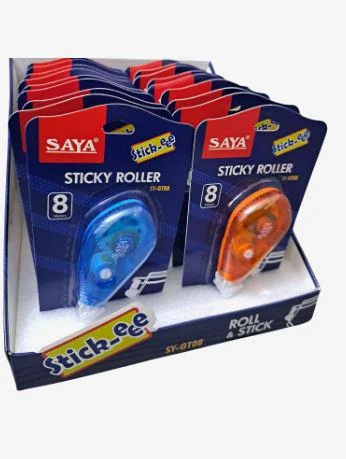
What are Adhesive Rollers?
Adhesive rollers are tools designed for applying adhesive materials in a controlled and efficient manner. They typically consist of a cylindrical roller coated with an adhesive surface that can be used to bond substrates together. The design allows for even application, minimizing mess and waste. Adhesive rollers are often used in various manufacturing and assembly processes, where precise adhesive application is essential.
These rollers find primary use in industries such as packaging, woodworking, and electronics. In packaging, they can be used to apply adhesive on boxes or labels, ensuring a strong bond that holds materials together. In woodworking, adhesive rollers help in assembly processes, providing strong adhesion in furniture production. In electronics, they are used to apply adhesive in the assembly of components, ensuring durability and reliability in final products. The demand for adhesive rollers continues to grow as industries seek efficient solutions for bonding processes, making them an integral part of modern manufacturing.
Key Features and Specifications
Adhesive rollers come with several key features and specifications that enhance their functionality and usability. Understanding these specifications is crucial for businesses looking to incorporate adhesive rollers into their operations.
Key specifications include:
1. Roller Width
- Typical widths range from 1 inch to 12 inches.
- Wider rollers are suitable for larger applications, while narrower ones offer precision.
2. Adhesive Type
- Common adhesive types include acrylic, rubber, and hot melt.
- The choice of adhesive depends on the materials being bonded and the environmental conditions.
3. Operating Temperature Range
- Adhesive rollers can generally operate effectively in temperatures ranging from -10°C to 80°C.
- Ensures functionality in various manufacturing environments.
4. Application Speed
- Speeds can vary from 5 to 20 meters per minute.
- Higher speeds increase productivity in high-volume applications.
5. Roll Diameter
- Standard diameters range from 1 to 6 inches.
- Larger diameters can hold more adhesive and provide longer application times.
6. Adhesive Coverage
- Typical coverage can range from 30 to 150 grams per square meter.
- Coverage affects the strength of the bond created.
7. Durability
- Adhesive rollers are designed for repeated use, typically lasting for thousands of applications.
- Durability is essential for cost-effectiveness in industrial settings.
8. Safety Features
- Many adhesive rollers come equipped with built-in safety mechanisms to prevent unintended adhesive application.
- Enhances workplace safety and reduces waste.
The specifications of adhesive rollers vary based on the application and industry needs, making it essential for buyers to assess their specific requirements before making a purchase.
Common Applications and Use Cases
Adhesive rollers are versatile tools used across multiple industries. They provide efficient adhesive application, enhancing productivity and ensuring quality in various processes.
1. Packaging: In the packaging industry, adhesive rollers are used to apply glue to boxes or labels, ensuring strong seals and secure closures.
2. Woodworking: These rollers are essential in furniture manufacturing, where they apply adhesive to joints, ensuring solid and lasting bonds in wooden products.
3. Electronics: In electronics assembly, adhesive rollers are used to bond components securely, enhancing the durability and reliability of electronic devices.
4. Textile Industry: Adhesive rollers can be used to apply adhesives in fabric lamination, ensuring that different materials adhere properly during manufacturing.
5. Automotive: In the automotive sector, these rollers assist in applying adhesives for interior and exterior components, contributing to the overall assembly process.
6. Construction: Adhesive rollers are utilized in the construction industry for bonding insulation materials and other components, ensuring effective adhesion in various applications.
7. Crafting and DIY: For smaller businesses and individuals, adhesive rollers are popular tools for crafting projects, allowing for clean and precise application of glue.
Product Variants and Subcategories
Adhesive rollers come in various forms to meet specific application needs. Their diversity allows businesses to choose the right tool for their unique processes.
Manual Adhesive Rollers: These are operated by hand and are ideal for small-scale applications or for use in locations where automation is not feasible. They offer precision and control, making them suitable for crafts and smaller production runs.
Electric Adhesive Rollers: Designed for larger operations, electric adhesive rollers automate the application process. They improve efficiency and consistency in high-volume settings, making them suitable for manufacturing and assembly lines.
Heavy-Duty Adhesive Rollers: These rollers are built for industrial applications and can handle thicker adhesives and high-speed operations. They offer durability and reliability for demanding environments, such as construction and automotive manufacturing.
Portable Adhesive Rollers: Compact and lightweight, these rollers are perfect for on-the-go applications. They are often used in fieldwork or by professionals who require mobility without sacrificing adhesive quality.
Benefits and Advantages
Adhesive rollers offer several advantages that make them a preferred choice in various industrial applications.
1. Efficient Application: Adhesive rollers provide a quick and even application of adhesive, reducing waste and improving productivity.
2. Versatility: They can be used with various adhesive types, making them suitable for a wide range of materials and applications.
3. Cost-Effectiveness: By minimizing adhesive waste and enhancing application efficiency, adhesive rollers help lower overall production costs.
4. Improved Quality Control: The consistent application of adhesive leads to better quality products, reducing the likelihood of defects or failures.
5. Ease of Use: Adhesive rollers are user-friendly, requiring minimal training for staff to operate efficiently.
6. Enhanced Safety: Many adhesive rollers come with safety features that prevent accidental adhesive application, promoting a safer work environment.
Buying Guide for B2B Buyers
When considering the purchase of adhesive rollers, B2B buyers should focus on several key factors to ensure they select the right product for their needs.
1. Quality Assessment: It is essential to evaluate the build quality of the adhesive rollers. Look for established manufacturers who meet industry standards for durability and performance.
2. Supplier Verification: Vetting suppliers is crucial. Check for reviews, certifications, and their history in the industry to ensure reliability and quality of service.
3. Pricing and MOQ: Understand the pricing structure, including bulk discounts. Minimum order quantities can vary, so confirm these details before making a commitment.
4. Delivery and Lead Times: Discuss delivery timelines with suppliers to ensure they align with your production schedules. Delays can impact your operations significantly.
5. Compliance Requirements: Ensure that the adhesive rollers comply with relevant industry standards and regulations, which can vary by region and application.
Compliance and Certifications
Adhesive rollers must adhere to various compliance standards to ensure they meet industry requirements. One of the critical standards is ISO 9001, which focuses on quality management systems. This certification ensures that manufacturers maintain consistent quality in their products.
Other relevant certifications include CE marking, which indicates that the product meets European safety, health, and environmental protection standards. Manufacturers should also consider safety and testing requirements specific to their industry, ensuring their products are safe for use in intended applications.
Additionally, regional compliance considerations may apply, particularly for products used in specific markets. Buyers should verify that the adhesive rollers they source are compliant with local regulations to avoid potential legal issues.
Why Source Adhesive Rollers from Pepagora?
Pepagora offers a trusted platform for sourcing adhesive rollers, providing key advantages to businesses looking to streamline their procurement process.
Verified Supplier Network: Pepagora boasts a robust network of verified suppliers, ensuring that buyers can access high-quality adhesive rollers from reputable manufacturers. This verification process helps mitigate risks associated with sourcing.
Streamlined RFQ Process: The platform features a simplified request for quotation (RFQ) process, allowing buyers to receive competitive quotes quickly. This efficiency enables businesses to make informed purchasing decisions without lengthy delays.
Trade Assurance and Support: Pepagora provides trade assurance and support, protecting buyers from potential disputes and ensuring a smooth transaction process. This buyer protection instills confidence in sourcing decisions.
Regional Coverage: With a strong presence in India, GCC, and Southeast Asia, Pepagora offers regional coverage that caters to diverse market needs. This geographic reach allows businesses to find local suppliers and reduce logistics costs, enhancing overall procurement efficiency.

 IN
IN