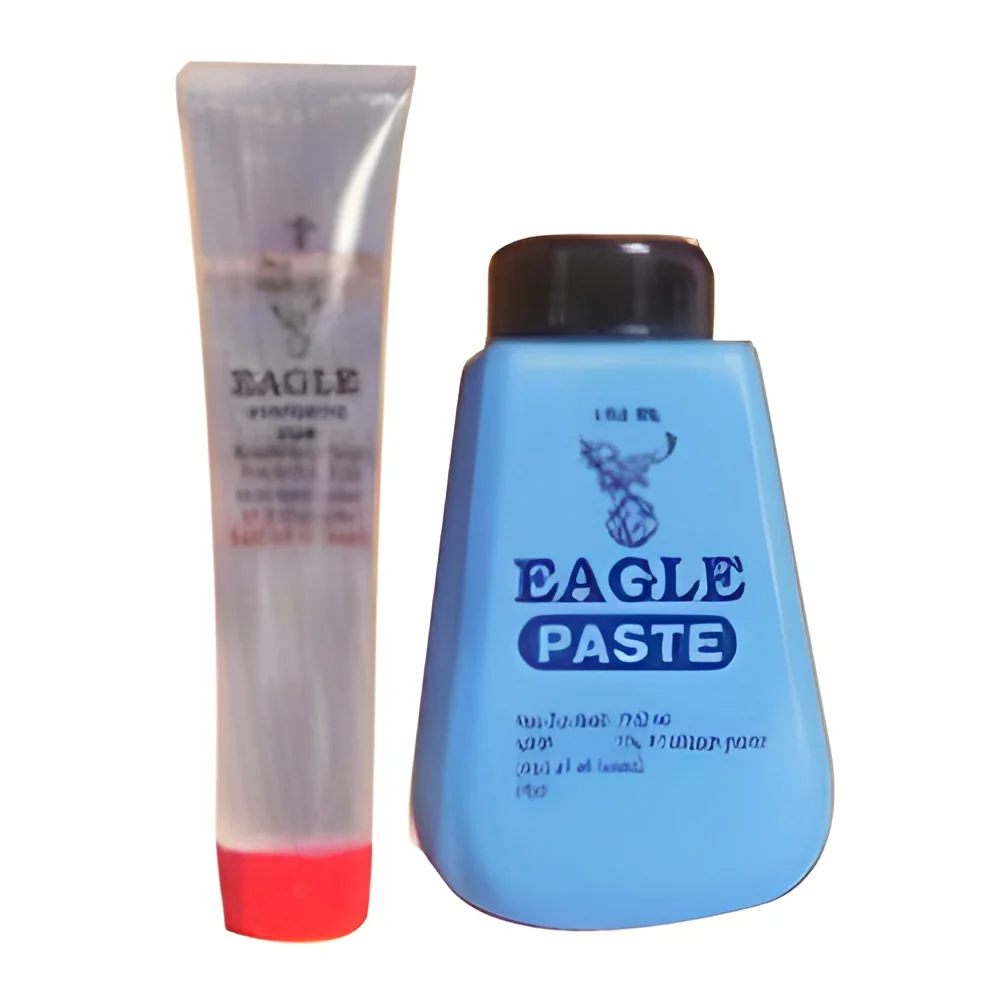
What are Liquid Glue?
Liquid glue is a versatile adhesive product that comes in a liquid form, allowing for easy application across various surfaces. It is designed to bond materials such as paper, wood, fabric, and some plastics, making it a vital component in numerous crafting and industrial applications. Liquid glue typically dries clear and forms a strong bond, providing durability and flexibility once cured. Its ease of use and effectiveness make it a preferred choice in both commercial and personal projects.
The primary uses of liquid glue span multiple industries, including manufacturing, construction, and arts and crafts. In manufacturing, it is often utilized for assembly tasks, ensuring parts are securely bonded. In construction, liquid glue is employed for various applications, such as flooring and cabinetry. Moreover, the arts and crafts sector relies heavily on liquid glue for projects that require precision and a clean finish. The growing market for DIY projects and home improvement has further fueled the demand for liquid glue products.
As industries continue to evolve, the relevance of liquid glue remains strong, with ongoing advancements in formulation to improve adhesion properties and environmental compliance. The market context indicates a steady growth trajectory for liquid glue, driven by innovations and the increasing need for reliable bonding solutions across different sectors.
Key Features and Specifications
Liquid glue is characterized by a range of features that enhance its usability and effectiveness. Understanding these specifications is essential for selecting the appropriate product for specific applications.
Key specifications include:
1. Viscosity
- The thickness of the liquid glue, which affects application ease.
- Typically ranges from low to high viscosity, depending on the intended use.
2. Drying Time
- The time required for the glue to set and cure completely.
- Varies from a few minutes for quick-drying formulations to several hours for stronger bonds.
3. Heat Resistance
- The ability of the glue to withstand high temperatures without losing adhesion.
- Often rated for temperatures up to 80 degrees Celsius or higher.
4. Water Resistance
- Indicates how well the glue can resist moisture after curing.
- Some variants are designed to be fully waterproof, suitable for outdoor use.
5. Flexibility
- The degree to which the bond can endure movement or bending.
- Essential for applications involving flexible materials.
6. Non-Toxic Formulation
- Many liquid glues are formulated to be safe for various environments.
- Especially relevant for products intended for use in schools or by children.
7. Shelf Life
- The duration for which the glue remains effective when stored properly.
- Typically ranges from one to three years, depending on the formulation.
8. Packaging Options
- Available in various container sizes, from small tubes to large bottles.
- Facilitates ease of use for different project scales.
These features collectively enhance the functionality and application scope of liquid glue, ensuring users can select the right product for their needs.
Common Applications and Use Cases
Liquid glue is employed in a multitude of applications across diverse industries.
1. Manufacturing: In the manufacturing sector, liquid glue is utilized for assembling components and securing parts, particularly in the production of furniture and electronic devices.
2. Construction: Contractors use liquid glue for bonding materials in flooring installations, cabinetry, and even some structural applications, where strong adhesives are paramount.
3. Arts and Crafts: The arts and crafts industry heavily relies on liquid glue for projects ranging from scrapbooking to model making, where precision and clarity are essential.
4. Education: Liquid glue is commonly found in educational settings, where it is used in various craft projects, providing a safe, easy-to-use adhesive for students.
5. Packaging: In packaging applications, liquid glue is used to secure boxes and containers, ensuring product safety during transport.
6. Automotive: Liquid glue is utilized in the automotive industry for interior assembly and securing trim pieces, offering a reliable bonding solution.
7. DIY Home Projects: Homeowners often use liquid glue for repairs and creative projects, enhancing their ability to tackle small renovations or craft activities.
Product Variants and Subcategories
Liquid glue is available in various forms to cater to different needs and preferences. The diversity in product offerings allows buyers to select the most suitable option for their specific applications.
Clear Liquid Glue
This variant is designed for transparency after drying, making it ideal for arts and crafts projects where aesthetics are important. It provides a strong bond while remaining invisible on the finished product.
White Liquid Glue
Often known as school glue, this variant dries to a white finish. It is commonly used in educational settings and is perfect for paper and craft projects due to its ease of use.
Stronghold Liquid Glue
This variant is formulated for heavy-duty applications, offering superior bonding strength for materials like wood and metal. It is often used in construction and manufacturing sectors.
Flexible Liquid Glue
Designed for use on materials that require movement, this variant maintains flexibility after curing. It is particularly useful in applications involving fabrics or other flexible materials.
Quick-Dry Liquid Glue
Ideal for fast-paced projects, this variant sets quickly, allowing users to complete tasks efficiently. It is commonly used in both industrial and crafting environments.
Benefits and Advantages
Liquid glue offers several benefits that make it an attractive choice for businesses and individuals alike.
1. Versatility: Liquid glue can bond a wide range of materials, making it suitable for various applications across multiple industries.
2. Easy Application: The liquid form allows for precise application, reducing waste and improving overall usability.
3. Strong Adhesion: Many formulations are designed to provide a robust bond, ensuring durability in both temporary and permanent applications.
4. Quick Drying Options: With quick-dry formulations available, users can complete projects more efficiently without sacrificing bond strength.
5. Non-Toxic Options: Many liquid glues are formulated to be safe for use in schools and homes, providing peace of mind for users.
6. Cost-Effective: Liquid glue is often an economical choice, offering strong performance at competitive prices.
Buying Guide for B2B Buyers
When sourcing liquid glue, B2B buyers should consider several key factors to ensure they select the right product for their needs.
1. Quality Assessment: Buyers should evaluate the quality of the glue based on performance metrics, including bond strength, drying time, and material compatibility. Requesting samples for testing can help make an informed decision.
2. Supplier Verification: It is essential to vet suppliers for their reliability and reputation in the market. Look for established companies with positive reviews and a track record of delivering quality products.
3. Pricing and MOQ: Understand the pricing structure and minimum order quantities (MOQ) required by suppliers. This information helps in budgeting and planning purchases effectively.
4. Delivery and Lead Times: Consider logistics, including delivery schedules and lead times. Ensuring timely delivery is crucial for maintaining operational efficiency.
5. Compliance Requirements: Ensure that the selected liquid glue meets relevant industry standards and regulatory requirements. This includes safety certifications and environmental compliance for specific applications.
Compliance and Certifications
Liquid glue products often adhere to various compliance standards and certifications to ensure safety and quality.
Relevant quality standards include ISO 9001, which ensures consistent quality management and production processes. Compliance with HACCP (Hazard Analysis Critical Control Point) is also important for products intended for food-related applications, ensuring safety throughout the supply chain.
Certification marks like CE signify that the product meets European safety, health, and environmental protection standards. Compliance with these certifications is critical for ensuring that liquid glue can be safely used in its intended application.
Safety and testing requirements for liquid glue may include assessments for toxicity, flammability, and environmental impact. Buyers should ensure that suppliers provide documentation verifying compliance with these standards.
Regional compliance considerations can vary based on local regulations. Buyers should be aware of specific requirements in their regions to ensure that the products they source are compliant.
Why Source Liquid Glue from Pepagora?
Pepagora provides a trusted platform for sourcing liquid glue, offering several key advantages that benefit B2B buyers.
Verified Supplier Network: Pepagora connects buyers with a network of verified suppliers, ensuring that all listed products meet quality standards. This network simplifies the sourcing process and builds trust in transactions.
Streamlined RFQ Process: The Request for Quotation (RFQ) process on Pepagora allows buyers to easily request quotes from multiple suppliers, facilitating competitive pricing and informed decision-making.
Trade Assurance and Support: Pepagora offers trade assurance, providing buyers with protection and support throughout the purchasing process. This feature enhances confidence when making significant purchases.
Regional Coverage: With a strong presence in markets such as India, the GCC, and Southeast Asia, Pepagora ensures that buyers can access high-quality liquid glue products tailored to their regional needs. This geographic reach allows for efficient sourcing and distribution, ultimately benefiting businesses across different sectors.

 IN
IN