
 IN
IN₹
Apparel & Fashion
Disinfection & Sanitization (COVID, Viral, etc.)
1 products available
Key Features and Specifications
Disinfection and sanitization products are designed with specific features and specifications to ensure effective pathogen control. Businesses should consider these specifications when selecting products for their needs.
Key specifications include:
1. Disinfectant Efficacy
- Must comply with recognized standards for pathogen reduction.
- Tested against a range of viruses and bacteria.
2. Application Method
- Options include spray, wipe, foam, or fogging systems.
- Each method may be suited for different environments and surfaces.
3. Drying Time
- Speed of drying after application varies by product.
- Influences the practicality of use in high-traffic areas.
4. Residual Effect
- Some products offer lasting protection beyond immediate application.
- Important for ongoing pathogen control in frequently touched areas.
5. Safety Profile
- Products should be non-toxic and safe for use in public environments.
- Considerations for skin contact and inhalation risks.
6. Environmental Impact
- Eco-friendly formulations are increasingly sought after.
- Certifications such as biodegradable or non-harmful to aquatic life.
7. Compatibility
- Must be compatible with various materials, including plastics, metals, and fabrics.
- Ensures no damage to surfaces during the disinfection process.
8. Concentration and Dilution
- Guidelines on concentration levels for effective use.
- Some products may require dilution before application.
Effective disinfection and sanitization solutions provide businesses with essential tools to ensure health and safety in their operations.
Common Applications and Use Cases
Disinfection and sanitization solutions are applicable across a range of industries, each with unique requirements and challenges.
1. Healthcare: Hospitals and clinics utilize disinfection products to maintain sterile environments, protect patients, and prevent healthcare-associated infections.
2. Food Service: Restaurants and food processing facilities implement sanitization protocols to ensure food safety and compliance with health regulations.
3. Hospitality: Hotels and resorts employ disinfection and sanitization methods to safeguard guests and staff, especially in common areas and guest rooms.
4. Education: Schools and universities focus on maintaining clean environments to protect students and staff during flu seasons and pandemics.
5. Manufacturing: Factories implement disinfection practices to maintain operational hygiene and prevent contamination of products.
6. Transportation: Airlines, public transport systems, and rideshare services utilize sanitization to enhance passenger safety and confidence.
7. Office Spaces: Corporate environments prioritize regular disinfection to create safe workspaces, particularly during outbreaks.
Product Variants and Subcategories
Disinfection and sanitization products come in various forms to cater to specific needs and applications.
Liquid Disinfectants
These are commonly used for surface cleaning and come in ready-to-use or concentrated forms. They are effective for high-touch areas and are typically applied with wipes or sprays.
Sanitizing Wipes
Convenient and portable, sanitizing wipes are ideal for on-the-go use. They offer quick cleaning for surfaces and are often used in offices and schools.
Fogging Solutions
Fogging products create a fine mist that can cover large areas quickly. This method is effective for disinfecting entire rooms or vehicles.
Ultraviolet (UV) Sanitization
UV light technology is used to eliminate pathogens without chemicals. This method is increasingly popular in settings where chemical residues are a concern.
Benefits and Advantages
Disinfection and sanitization processes offer multiple benefits to businesses and organizations.
Key benefits include:
1. Enhanced Safety: Regular disinfection reduces the risk of infection, protecting employees, customers, and the general public.
2. Compliance: Meeting health regulations helps businesses avoid penalties and maintain operational licenses.
3. Increased Confidence: A visible commitment to cleanliness fosters trust among customers and employees, enhancing brand reputation.
4. Cost-Effectiveness: Preventing illness through effective sanitization can reduce absenteeism and healthcare costs.
5. Versatility: Disinfection products can be used across various surfaces and environments, making them adaptable to different business needs.
6. Eco-Friendly Options: Many products now offer sustainable formulations that meet environmental standards, appealing to eco-conscious consumers.
Buying Guide for B2B Buyers
When sourcing disinfection and sanitization products, businesses should consider several key factors to ensure they select the right solutions.
1. Quality Assessment: Evaluate products based on efficacy against recognized pathogens and the manufacturer's adherence to quality standards.
2. Supplier Verification: Conduct thorough checks on suppliers to validate their credentials, including certifications and industry reputation.
3. Pricing and MOQ: Understand pricing structures and minimum order quantities to ensure budget alignment and supplier negotiation.
4. Delivery and Lead Times: Confirm logistics capabilities, including delivery timelines, to avoid supply chain disruptions.
5. Compliance Requirements: Ensure products meet all relevant local and international regulations, including safety and environmental standards.
Compliance and Certifications
Compliance with established quality standards is crucial for disinfection and sanitization products. These may include ISO 9001, which focuses on quality management systems, and HACCP, which ensures food safety. The CE certification indicates that products meet European health, safety, and environmental protection standards.
Safety and testing requirements often involve rigorous assessments to ensure products are effective and safe for use in various environments. Additionally, regional compliance considerations may vary, necessitating a thorough understanding of local regulations and standards.
Why Source Disinfection & Sanitization (COVID, Viral, etc.) from Pepagora?
Pepagora stands out as a trusted platform for sourcing disinfection and sanitization products, offering several key advantages to buyers.
Verified Supplier Network: Pepagora ensures that all suppliers are thoroughly vetted. This process guarantees that buyers can select from a range of reliable manufacturers committed to quality and compliance.
Streamlined RFQ Process: The Request for Quotation (RFQ) system simplifies the purchasing process, allowing buyers to easily compare quotes from multiple suppliers. This efficiency saves time and helps secure the best prices.
Trade Assurance and Support: Buyers benefit from trade assurance measures that protect their transactions. Pepagora also offers support throughout the purchasing process to address any concerns or issues that may arise.
Regional Coverage: With a presence across India, the GCC, and Southeast Asia, Pepagora provides extensive geographical reach. This allows businesses to source local products while accessing a diverse range of international suppliers.
Recently Added
Industrial Air Solutions LLP
Commercial Vehicle Sanitization Tunnel For Truck & Bus Disinfection
Industrial Air Solutions LLP
 India
India
India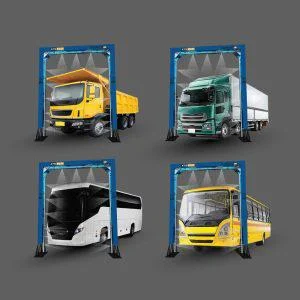
Frequently Asked Questions
1
What is Disinfection & Sanitization (COVID, Viral, etc.)?
Disinfection & Sanitization (COVID, Viral, etc.) is a product offered by global suppliers on Pepagora.
2
How do I find suppliers for Disinfection & Sanitization (COVID, Viral, etc.)?
Use Pepagora's search and filter options to find verified suppliers.
3
Can I request a quote for Disinfection & Sanitization (COVID, Viral, etc.)?
Yes, use the RFQ feature to request quotes from multiple suppliers.
4
Is Disinfection & Sanitization (COVID, Viral, etc.) available in multiple languages?
Pepagora supports multilingual catalogs for global buyers.
5
What trust signals are available for Disinfection & Sanitization (COVID, Viral, etc.)?
Look for TruBadge, RFQ, and multilingual support on supplier profiles.
Why Businesses Trust Pepagora
Thousands of companies trust Pepagora to source smarter and sell faster
Expand Your Sales Globally
25000+Products listed.Get discovered by global buyers
Tools to boost visibility
Build your own catalog

Source Smarter,Grow Faster
4000+Active RFQs
100+ Countries served
Easy Sourcing Tools
