
 IN
Bed Bug Treatment
3 products available
What are Bed Bug Treatment?
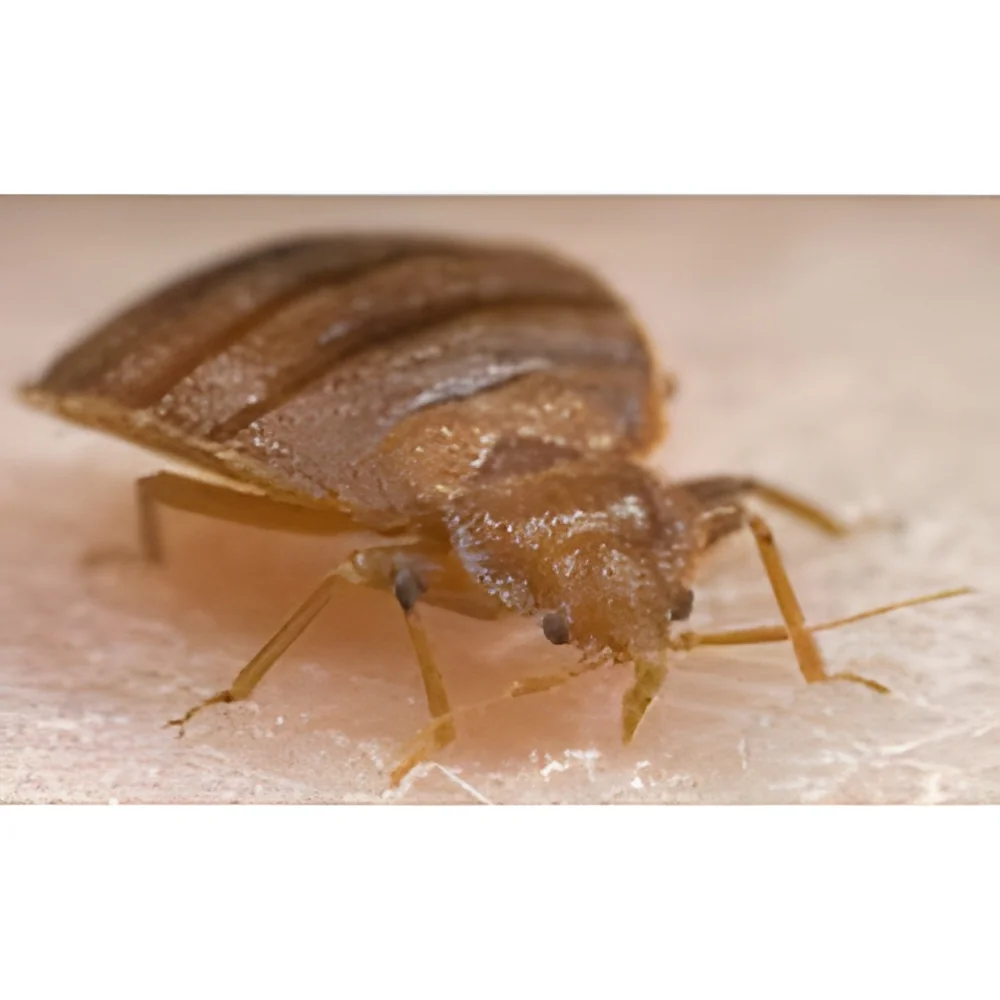
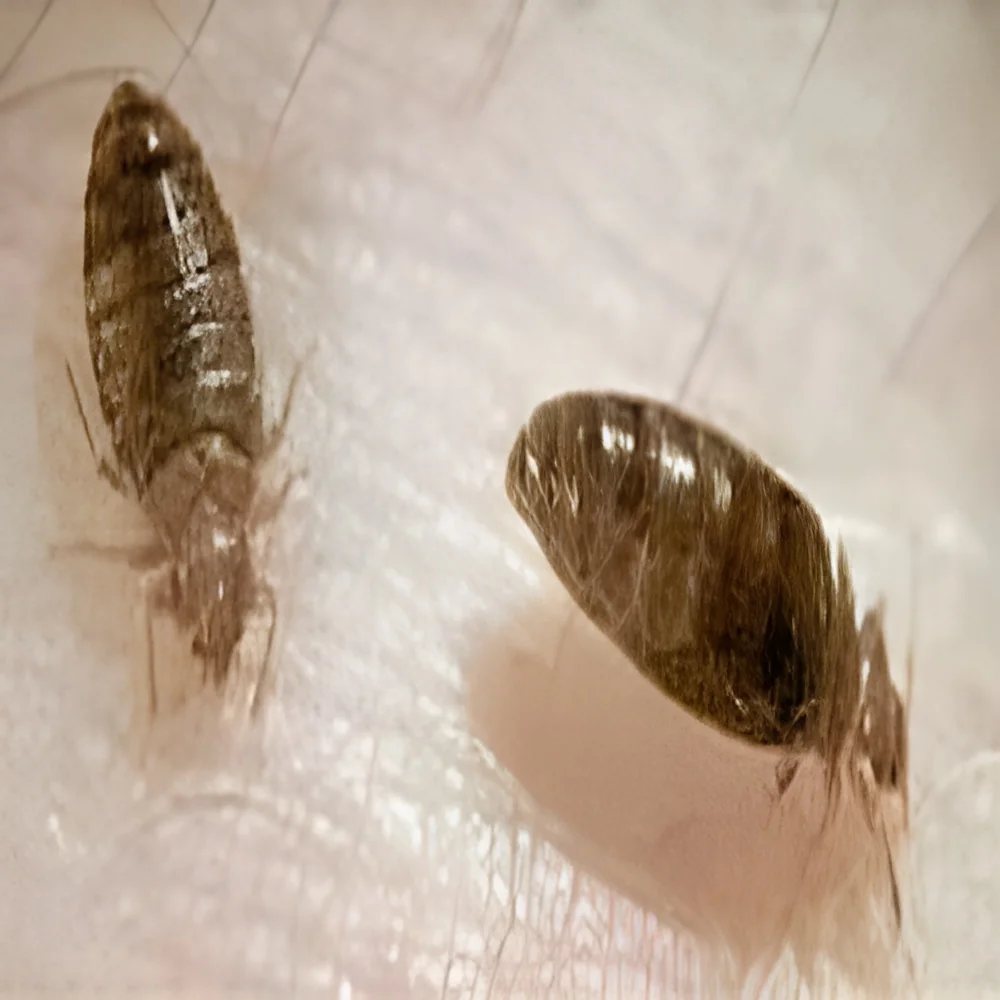
Bed Bug Treatment refers to a range of methods and products designed to eliminate bed bugs and prevent their return. Bed bugs are small, nocturnal insects that feed on human blood, causing discomfort and potential health risks. These pests are commonly found in residential and commercial settings, making effective treatment crucial for maintaining a healthy environment. Treatments can include chemical solutions, heat treatments, and integrated pest management strategies.
Primary uses of Bed Bug Treatment span various sectors, including hospitality, healthcare, and residential services. Hotels and motels invest in these treatments to protect their guests and maintain their reputations. Healthcare facilities utilize bed bug treatments to ensure patient safety and comfort. Residential property owners often seek these solutions to address infestations swiftly. As the demand for pest control grows, the market for bed bug treatments continues to expand, driven by increasing awareness of pest-related issues.
Key Features and Specifications
Bed Bug Treatments are characterized by several essential features that enhance their effectiveness and usability. Understanding these specifications helps businesses choose the right solution for their needs.
Key specifications include:
1. Active Ingredients
- Common active ingredients may include pyrethroids, neonicotinoids, and insect growth regulators.
- These ingredients are designed to target various stages of bed bug life cycles.
2. Application Methods
- Treatments can be applied via sprays, powders, or heat treatments.
- The application method can affect the speed and effectiveness of the treatment.
3. Residual Effect
- Many products offer a residual effect, meaning they provide continued protection after initial application.
- Residual activity can vary, typically lasting from days to several weeks.
4. Safety and Toxicity
- Products are often evaluated for safety in residential and commercial use.
- Toxicity levels are critical for ensuring the safety of humans and pets.
5. Efficacy Rate
- Efficacy rates indicate how successful a treatment is at eliminating bed bugs.
- Most products report efficacy rates of over 90% when used correctly.
6. Environmental Impact
- Eco-friendly formulations are becoming more popular, catering to environmentally conscious consumers.
- Products may be evaluated for their environmental safety.
In summary, understanding these features and specifications is crucial for businesses looking to implement effective bed bug treatments.
Common Applications and Use Cases
Bed Bug Treatment is utilized across multiple industries to address infestations and maintain hygiene standards.
1. Hospitality: Hotels and resorts prioritize bed bug treatments to protect guests and avoid negative reviews. Regular inspections and treatments are part of their pest control strategies.
2. Healthcare: Hospitals and nursing homes employ bed bug treatments to ensure patient safety. These facilities must maintain a pest-free environment to protect vulnerable populations.
3. Residential: Homeowners frequently seek treatments to address bed bug issues, ensuring a comfortable living space. Professional services often include thorough inspections and targeted treatments.
4. Education: Schools and universities implement bed bug treatments to safeguard students and staff. Preventative measures are crucial in shared living spaces.
5. Transportation: Public transportation systems are increasingly aware of bed bug risks. Regular treatments and inspections help prevent infestations in buses and trains.
6. Retail: Retail environments, particularly in bedding and furniture stores, must address bed bug concerns to protect their inventory and customer experience.
7. Real Estate: Property management companies use bed bug treatments to maintain property values and tenant satisfaction. Quick response to infestations is essential in rental situations.
Product Variants and Subcategories
Bed Bug Treatments come in various forms, each tailored to specific needs and environments.
Chemical Treatments
These include insecticides available in sprays or powders. They are designed for direct application and can be effective in killing adult bed bugs and their eggs.
Heat Treatments
Utilizing high temperatures to exterminate bed bugs, heat treatments are effective in reaching areas where chemicals may not penetrate. This method is often used in conjunction with other treatments for comprehensive control.
Monitoring Devices
While not treatments per se, monitoring devices help detect bed bug presence early. These devices can alert users to infestations before they become severe.
Benefits and Advantages
Implementing Bed Bug Treatments offers significant advantages to businesses and property owners.
1. Effective Pest Control: Treatments effectively eliminate bed bug populations, reducing health risks and discomfort.
2. Enhanced Reputation: Businesses, especially in hospitality, benefit from maintaining a pest-free environment, which enhances customer trust and satisfaction.
3. Long-term Protection: Many treatments provide residual effects that help prevent future infestations, leading to long-term cost savings.
4. Compliance with Regulations: Effective pest management helps businesses comply with health and safety regulations, avoiding potential fines and closures.
5. Increased Property Value: Regular pest control measures can enhance property values, making them more attractive to potential buyers or renters.
6. Peace of Mind: Knowing that a comprehensive treatment plan is in place provides reassurance to both business owners and customers.
Buying Guide for B2B Buyers
When sourcing Bed Bug Treatment, businesses should consider several critical factors to ensure they select the most appropriate solutions.
1. Quality Assessment: Evaluate the quality of products based on active ingredients and effectiveness. Look for products with proven efficacy and safety records.
2. Supplier Verification: Vet suppliers by checking their credentials, reviews, and certifications. A reliable supplier should have a solid reputation in the industry.
3. Pricing and MOQ: Understand the pricing structure and minimum order quantities (MOQ) required. Comparing prices from different suppliers can help secure a good deal.
4. Delivery and Lead Times: Consider logistics, including delivery times and availability of products. Timely delivery is essential, especially for urgent infestations.
5. Compliance Requirements: Ensure that products meet local regulatory standards and safety requirements. Compliance with industry regulations is crucial for legal and operational reasons.
Compliance and Certifications
Compliance with industry standards and certifications is vital for Bed Bug Treatments. Common quality standards include ISO 9001, which focuses on quality management systems, and other relevant safety and health regulations.
Certifications such as CE indicate that products meet European safety and environmental requirements. This compliance assures buyers of product safety and effectiveness.
Additionally, safety and testing requirements are crucial to ensure that products do not pose risks to humans or pets. Manufacturers must conduct thorough testing to demonstrate the efficacy and safety of their treatments.
Regional compliance considerations are also important, as regulations may vary by country or region. Businesses must stay informed about local laws governing pest control products to avoid penalties.
Why Source Bed Bug Treatment from Pepagora?
Pepagora offers a reliable platform for sourcing Bed Bug Treatment, providing numerous advantages for B2B buyers.
Verified Supplier Network: Pepagora connects buyers with verified suppliers, ensuring that all vendors meet stringent quality and safety standards. This network helps businesses find reputable sources for their pest control needs.
Streamlined RFQ Process: The Request for Quotation (RFQ) process at Pepagora simplifies sourcing. Buyers can easily request quotes from multiple suppliers, allowing for informed decision-making based on pricing and availability.
Trade Assurance and Support: Pepagora offers trade assurance, providing protection for buyers throughout the purchasing process. This support fosters confidence in transactions and helps resolve any issues that may arise.
Regional Coverage: With a presence in India, the GCC, and Southeast Asia, Pepagora provides extensive regional coverage. This geographic reach allows businesses to access a diverse range of suppliers and products tailored to their specific needs.


Frequently Asked Questions
What are Bed Bug Treatment?
Bed Bug Treatment refers to various methods and products used to eliminate bed bugs from infested areas. These treatments can include chemical solutions, heat treatments, and pest control services designed to eradicate bed bugs and prevent their return.
What are the different types of Bed Bug Treatment?
There are several types of Bed Bug Treatment, including chemical pesticides, heat treatment, steam treatment, and vacuuming. Each method varies in effectiveness, application, and safety, allowing for tailored approaches based on the severity of the infestation.
How do I choose the right Bed Bug Treatment?
Choosing the right Bed Bug Treatment involves assessing the level of infestation, the sensitivity of the environment, and the specific treatment methods available. Consulting with pest control professionals can provide insights into the most effective solutions for your situation.
What are the standard specifications for Bed Bug Treatment?
Standard specifications for Bed Bug Treatment typically include effectiveness against various life stages of bed bugs, safety for humans and pets, and application methods. Additionally, products should comply with local regulatory standards governing pest control.
What is the price range for Bed Bug Treatment?
The price range for Bed Bug Treatment can vary widely based on the method used and the scale of the infestation. On average, treatments can cost anywhere from a few hundred to several thousand Indian Rupees, depending on the complexity and required resources.
What quality standards apply to Bed Bug Treatment?
Quality standards for Bed Bug Treatment often include efficacy, safety, and compliance with pest control regulations. Treatments should be tested and approved by relevant authorities to ensure they meet health and environmental safety guidelines.
Where can I find Bed Bug Treatment suppliers in India?
You can find Bed Bug Treatment suppliers in India through online B2B marketplaces like Pepagora.com, industry trade shows, and local pest control companies. These platforms can connect you with manufacturers and distributors offering a range of bed bug treatment solutions.
Can Bed Bug Treatment be customized?
Yes, many Bed Bug Treatment solutions can be customized based on specific needs and circumstances. Suppliers often offer tailored formulations or treatment plans that address particular infestation challenges or environmental considerations.
What is the typical minimum order quantity for Bed Bug Treatment?
The typical minimum order quantity (MOQ) for Bed Bug Treatment can vary depending on the supplier and the type of product. Generally, MOQs for bulk purchases can range from a few units to several cartons, depending on the manufacturer’s policies.
What is the typical lead time for Bed Bug Treatment?
The typical lead time for Bed Bug Treatment orders can vary based on the supplier and the availability of products. Generally, lead times can range from a few days to several weeks, particularly if customization or bulk orders are involved.
Why Businesses Trust Pepagora
Thousands of companies trust Pepagora to source smarter and sell faster
Expand Your Sales Globally

Source Smarter,Grow Faster
