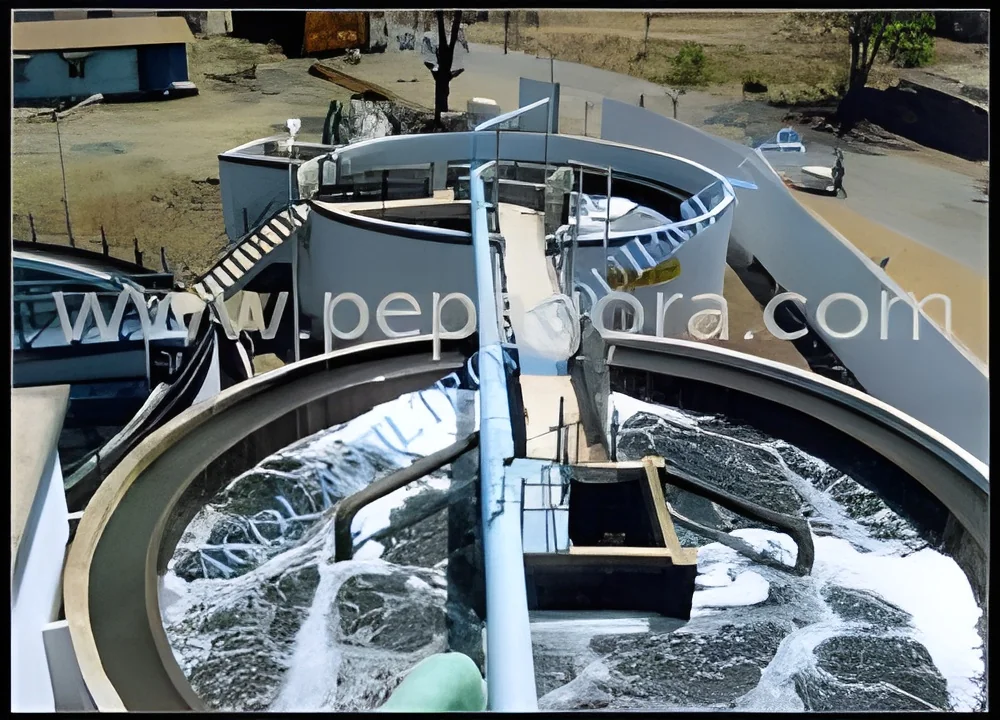
What are Water-Conserving Cleaning Techniques?
Water-Conserving Cleaning Techniques refer to a range of methods and processes designed to minimize water usage while maintaining effective cleaning standards. These techniques utilize innovative equipment, biodegradable cleaning agents, and optimized cleaning protocols to reduce water waste. By focusing on efficiency, these methods not only conserve water but also promote sustainability in various industries.
The primary applications of water-conserving cleaning techniques span across multiple sectors, including manufacturing, healthcare, food service, and hospitality. Businesses in these industries are increasingly adopting these methods to enhance their environmental responsibility and comply with stringent regulations on water usage. As water scarcity becomes a pressing global issue, the demand for these cleaning techniques is expected to rise, making them a relevant and necessary investment for forward-thinking companies.
In the current market context, industries are under pressure to adopt sustainable practices. Water-conserving cleaning techniques align with these efforts, providing both ecological benefits and cost savings. As organizations strive to improve their sustainability profiles, integrating these cleaning techniques can position them as leaders in their respective fields.
Key Features and Specifications
Water-Conserving Cleaning Techniques come equipped with several key features designed to enhance efficiency and effectiveness while reducing water usage. Understanding these specifications is crucial for businesses seeking to implement these techniques.
Key specifications include:
1. Efficiency Rate
- This specification measures the amount of cleaning achieved per unit of water used.
- Typical ranges may vary based on the specific technique or equipment used.
2. Eco-Friendly Cleaning Agents
- These agents are designed to minimize environmental impact while providing effective cleaning.
- They often include biodegradable and non-toxic components.
3. Automated Systems
- Automation reduces the need for manual intervention, ensuring consistent water conservation.
- Systems may include sensors and timers to optimize water use.
4. Versatility
- Water-conserving techniques can be adapted for various surfaces and applications.
- This includes hard floors, carpets, and delicate surfaces.
5. Temperature Control
- Some methods may require specific temperature settings for optimal cleaning performance.
- Details on temperature ranges are not specified.
6. Monitoring Features
- Advanced systems may include features for tracking water usage and cleaning effectiveness.
- Data on monitoring capabilities is not available.
In summary, these specifications highlight the importance of choosing water-conserving cleaning techniques that not only meet industry standards but also align with corporate sustainability goals.
Common Applications and Use Cases
Water-Conserving Cleaning Techniques find applications across a diverse range of industries, each with specific needs and cleaning challenges.
1. Manufacturing: In manufacturing facilities, these techniques help maintain equipment and workspace cleanliness while minimizing water waste, promoting a safer work environment.
2. Healthcare: Hospitals and clinics utilize water-conserving cleaning methods to sanitize surfaces effectively, ensuring patient safety while adhering to stringent hygiene standards.
3. Food Service: Restaurants and food processing plants benefit from these techniques, as they help maintain cleanliness in food preparation areas without excessive water use.
4. Hospitality: Hotels and resorts adopt water-conserving cleaning techniques to enhance guest experiences while promoting sustainability initiatives.
5. Automotive: Car washes and maintenance facilities use these methods to clean vehicles efficiently, reducing water consumption and operational costs.
6. Retail: Retail spaces implement these techniques to maintain cleanliness and hygiene in high-traffic areas without wasting resources.
7. Educational Institutions: Schools and universities leverage these techniques to keep campuses clean and safe, all while being mindful of environmental impact.
Product Variants and Subcategories
Water-Conserving Cleaning Techniques encompass a range of products tailored to meet various cleaning needs. Different variants provide flexibility and specialization for specific applications.
High-Efficiency Floor Cleaners: These machines are designed to clean large floor areas using minimal water. They often feature advanced scrubbing technology that enhances cleaning performance while conserving resources.
Eco-Friendly Pressure Washers: These devices use innovative technology to deliver powerful cleaning with reduced water consumption. They are suitable for outdoor applications, such as cleaning vehicles and building exteriors.
Biodegradable Cleaning Solutions: These products are formulated to be environmentally friendly while still providing effective cleaning capabilities. They are ideal for businesses looking to reduce their ecological footprint.
Automated Cleaning Systems: These systems offer automated solutions for cleaning various surfaces with minimal water usage. They incorporate advanced sensors and controls to optimize cleaning processes.
Benefits and Advantages
Implementing Water-Conserving Cleaning Techniques offers numerous benefits for businesses aiming to enhance their operational efficiency and sustainability.
Key benefits include:
1. Cost Savings: Reduced water usage leads to lower utility bills, providing significant cost savings over time.
2. Environmental Impact: These techniques contribute to environmental protection by conserving water resources and reducing wastewater generation.
3. Compliance: Implementing these methods helps businesses meet regulatory requirements related to water usage and environmental standards.
4. Enhanced Reputation: Companies that adopt sustainable practices can improve their brand image and appeal to environmentally conscious consumers.
5. Improved Cleaning Efficiency: Water-conserving techniques often employ advanced technology that enhances cleaning performance while minimizing resource use.
6. Employee Satisfaction: A cleaner work environment can lead to increased employee morale and productivity, contributing to overall business success.
Buying Guide for B2B Buyers
When sourcing Water-Conserving Cleaning Techniques, B2B buyers should consider several important factors to ensure they make informed purchasing decisions.
1. Quality Assessment: Evaluate the quality of cleaning products and equipment by reviewing manufacturer specifications and customer testimonials. Look for products that meet recognized industry standards for performance.
2. Supplier Verification: Conduct thorough research on potential suppliers. Check their background, customer reviews, and certifications to ensure they are reputable and reliable.
3. Pricing and MOQ: Analyze the pricing structure and minimum order quantities offered by suppliers. Compare quotes to ensure competitive pricing while considering the total cost of ownership.
4. Delivery and Lead Times: Discuss logistics with suppliers, including delivery schedules and lead times. Ensure that their capabilities align with your operational requirements.
5. Compliance Requirements: Verify that the products meet relevant regulatory standards and certifications, such as CE marking. This will help ensure that the cleaning techniques are safe and effective for use in your industry.
Compliance and Certifications
Compliance with industry standards and certifications is critical for Water-Conserving Cleaning Techniques. Organizations often seek products that adhere to recognized quality standards, such as ISO 9001, which ensures consistent quality management practices.
Additionally, certifications like CE mark indicate that products meet European Union safety and environmental requirements. Businesses should prioritize sourcing products that have these certifications to ensure safety and compliance in their operations.
Safety and testing requirements are also essential to consider. Products should undergo rigorous testing to ensure they perform effectively and safely in various environments. Attention to regional compliance considerations is crucial, as regulations may vary by location.
By ensuring that the cleaning techniques sourced comply with these standards, businesses can mitigate risks and enhance their credibility in the marketplace.
Why Source Water-Conserving Cleaning Techniques from Pepagora?
Pepagora stands out as a trusted platform for sourcing Water-Conserving Cleaning Techniques, offering several key advantages to B2B buyers.
Verified Supplier Network: Pepagora connects buyers with a network of verified suppliers, ensuring that all listings meet high standards of quality and reliability. This reduces the risk of sourcing from unverified vendors.
Streamlined RFQ Process: The platform features a streamlined Request for Quotation (RFQ) process, allowing buyers to easily compare quotes from multiple suppliers. This simplifies decision-making and helps secure the best pricing.
Trade Assurance and Support: Pepagora provides trade assurance and support, offering buyer protection and assistance throughout the sourcing process. This ensures a secure transaction experience for all parties involved.
Regional Coverage: With a strong presence in India, the GCC, and Southeast Asia, Pepagora offers extensive regional coverage. This geographic reach enables buyers to find suitable suppliers tailored to their specific markets and operational needs.
By choosing Pepagora, businesses can confidently source Water-Conserving Cleaning Techniques that align with their sustainability goals and operational requirements.

 IN
IN