What are Marble & Tile Polishing?
Marble and tile polishing refers to the process of restoring and enhancing the surface of marble and tile flooring. This typically involves the application of specific polishing compounds and techniques that smooth out the surface, removing scratches and stains, and bringing back the original shine. The polishing process can vary depending on the type of material and the desired finish, but it generally aims to improve aesthetics and prolong the life of the flooring.
The primary uses of marble and tile polishing can be found in both residential and commercial settings. Businesses such as hotels, restaurants, and office buildings often require regular polishing to maintain a professional appearance. Additionally, homeowners may seek out polishing services to enhance the beauty of their living spaces. The relevance of this service is significant in the flooring and maintenance industry, as polished surfaces are not only visually appealing but also more resistant to dirt and wear.
Key Features and Specifications
Marble and tile polishing products come with a variety of features tailored to meet the demands of different surfaces and conditions. Understanding these specifications is crucial for businesses looking to invest in effective polishing solutions.
Key specifications include:
1. Polishing Compound Type
- Various types of compounds are available, including diamond pads and chemical solutions.
- Each type is designed for specific surface materials and finishes.
2. Surface Compatibility
- Products are formulated to work on different types of marble and tile.
- Compatibility ensures optimal results and prevents damage.
3. Granularity Levels
- Polishing compounds come in different grits, ranging from coarse to fine.
- The grit level determines the aggressiveness of the polishing process.
4. Application Method
- Products can be utilized manually or with machines.
- Different methods may yield different results based on the surface condition.
5. Drying Time
- Varies among products, affecting the overall workflow.
- Fast-drying options help minimize downtime.
6. Packaging Sizes
- Available in various quantities to suit different project sizes.
- Larger packages may offer more economical options for businesses.
7. Environmental Safety
- Many products comply with environmental regulations.
- Safety data sheets are often provided to ensure safe handling.
8. Performance Lifespan
- The durability of the polishing effect can vary.
- Long-lasting solutions reduce the frequency of required maintenance.
In summary, understanding these features and specifications helps businesses select the right marble and tile polishing products to ensure effective and efficient results.
Common Applications and Use Cases
Marble and tile polishing is applicable across various industries, each with unique needs.
1. Hospitality Industry: Hotels and resorts often require regular polishing to maintain a pristine appearance in lobbies and guest rooms. This enhances guest experience and reflects a commitment to quality.
2. Commercial Spaces: Office buildings and retail environments benefit from polished floors that create a welcoming atmosphere. Regular maintenance helps to uphold brand image and cleanliness.
3. Residential Homes: Homeowners seek polishing services to enhance the aesthetic appeal of their living spaces. Polished marble and tile floors can increase property value and improve overall ambiance.
4. Healthcare Facilities: Hospitals and clinics require hygienic and easy-to-clean surfaces. Polished floors help reduce the accumulation of dirt and bacteria, contributing to a cleaner environment.
5. Educational Institutions: Schools and universities utilize polished surfaces in common areas for durability and ease of maintenance. This ensures a safe and pleasant atmosphere for students.
6. Industrial Settings: Manufacturing facilities may use polishing to ensure safety and efficiency. Smooth surfaces can reduce accidents and facilitate easier cleaning.
7. Retail Stores: Polished flooring in retail environments attracts customers and enhances product presentation. This can significantly impact sales and customer satisfaction.
Product Variants and Subcategories
Marble and tile polishing products come in various forms to suit different applications and preferences.
Diamond Polishing Pads
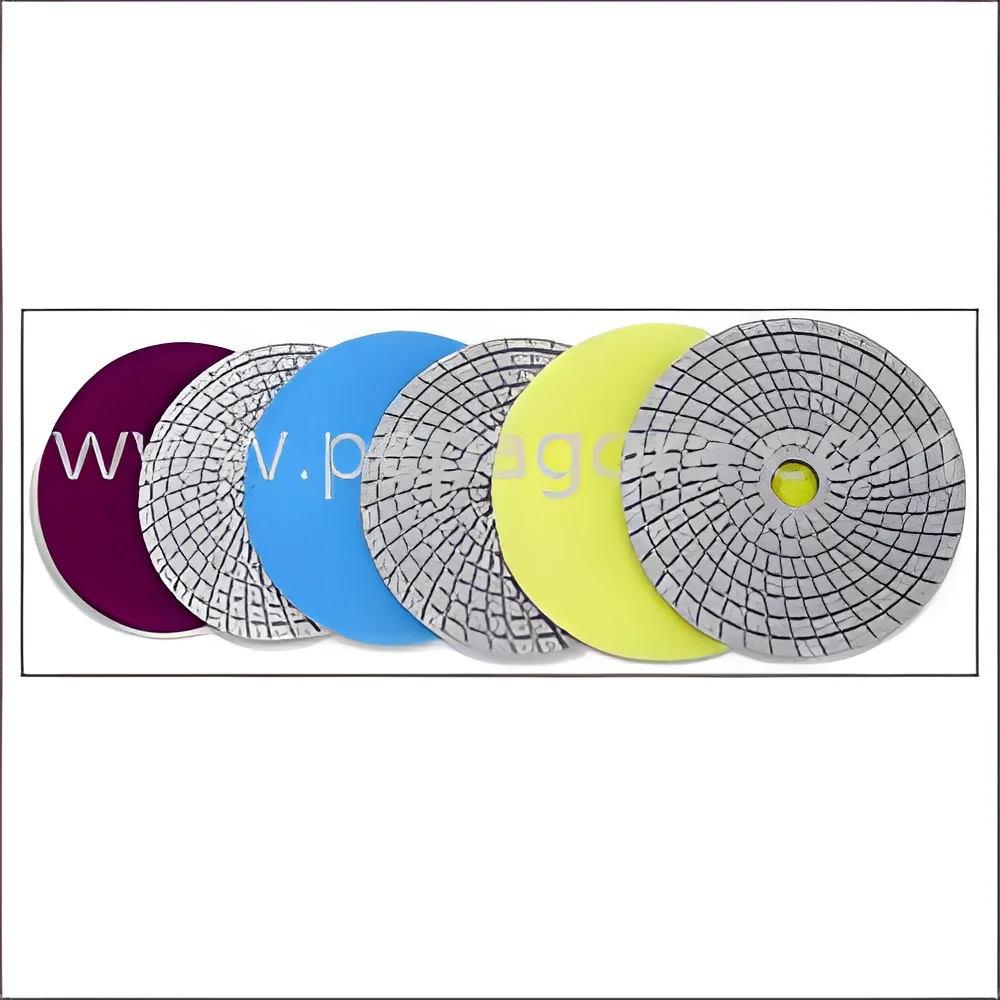
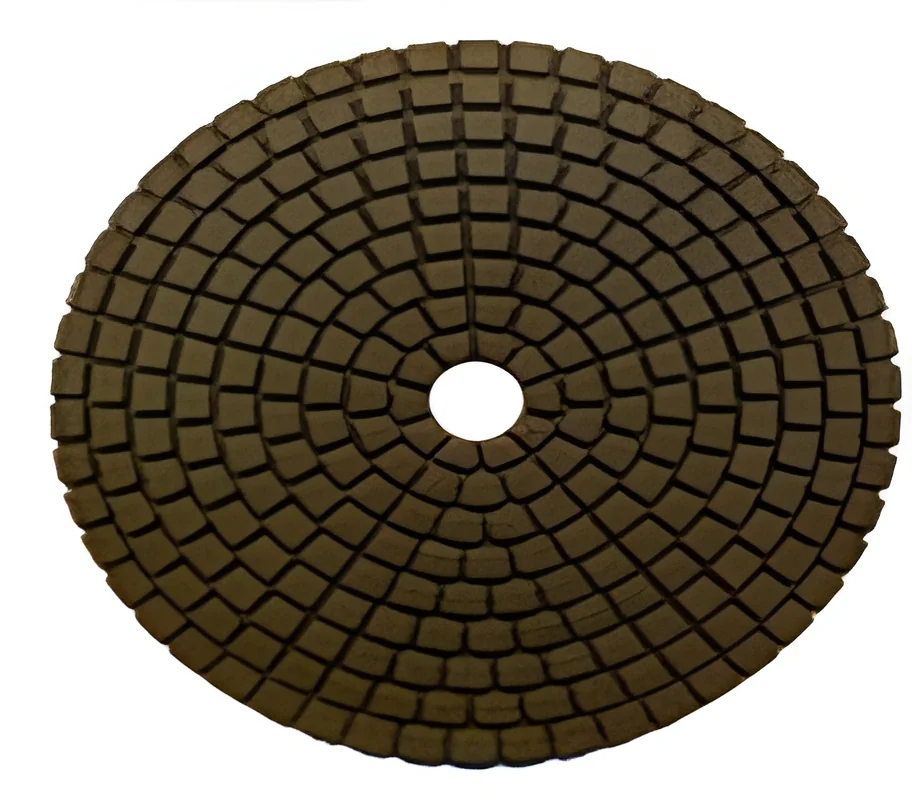
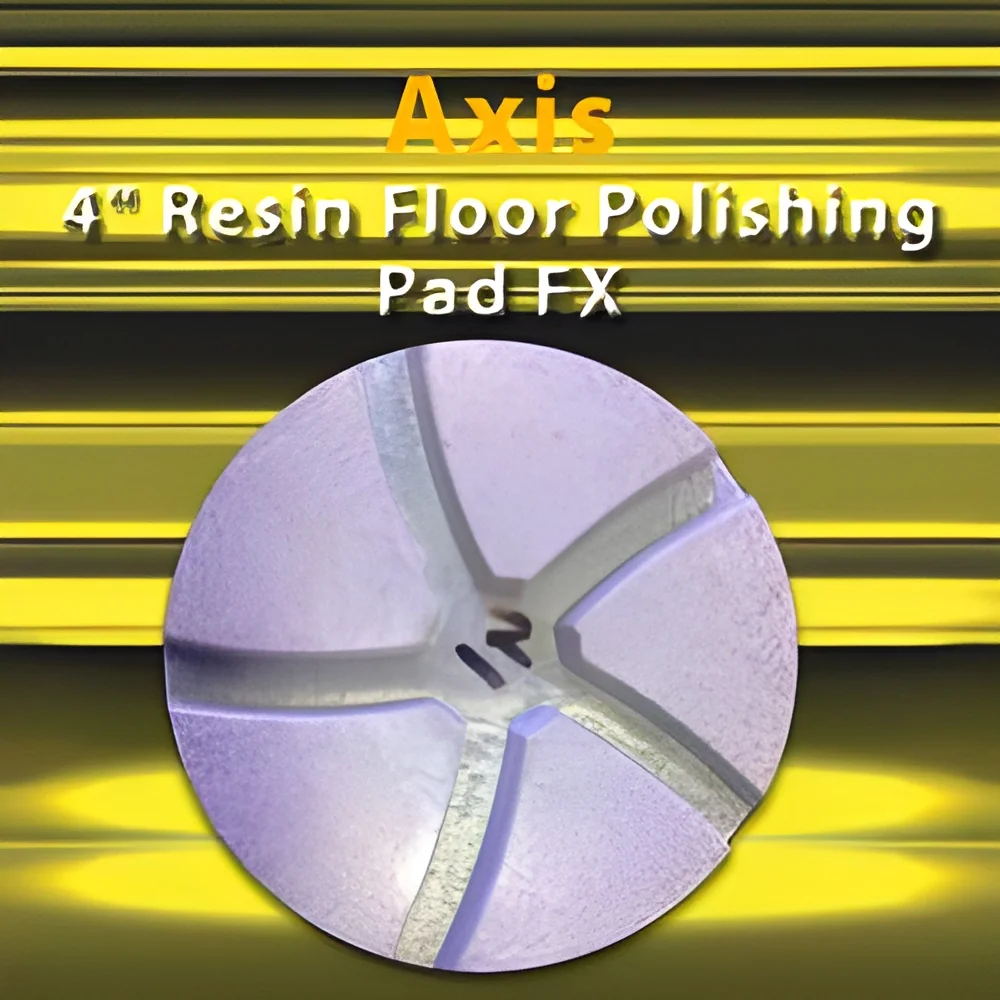
These pads are designed for heavy-duty polishing on marble and tile surfaces. They effectively remove scratches and restore shine, making them suitable for both professional and DIY use.
Chemical Polishing Solutions
These liquid products are ideal for enhancing gloss and protection. They are often used in conjunction with mechanical methods for a comprehensive finish that protects against stains and wear.
Polishing Machines
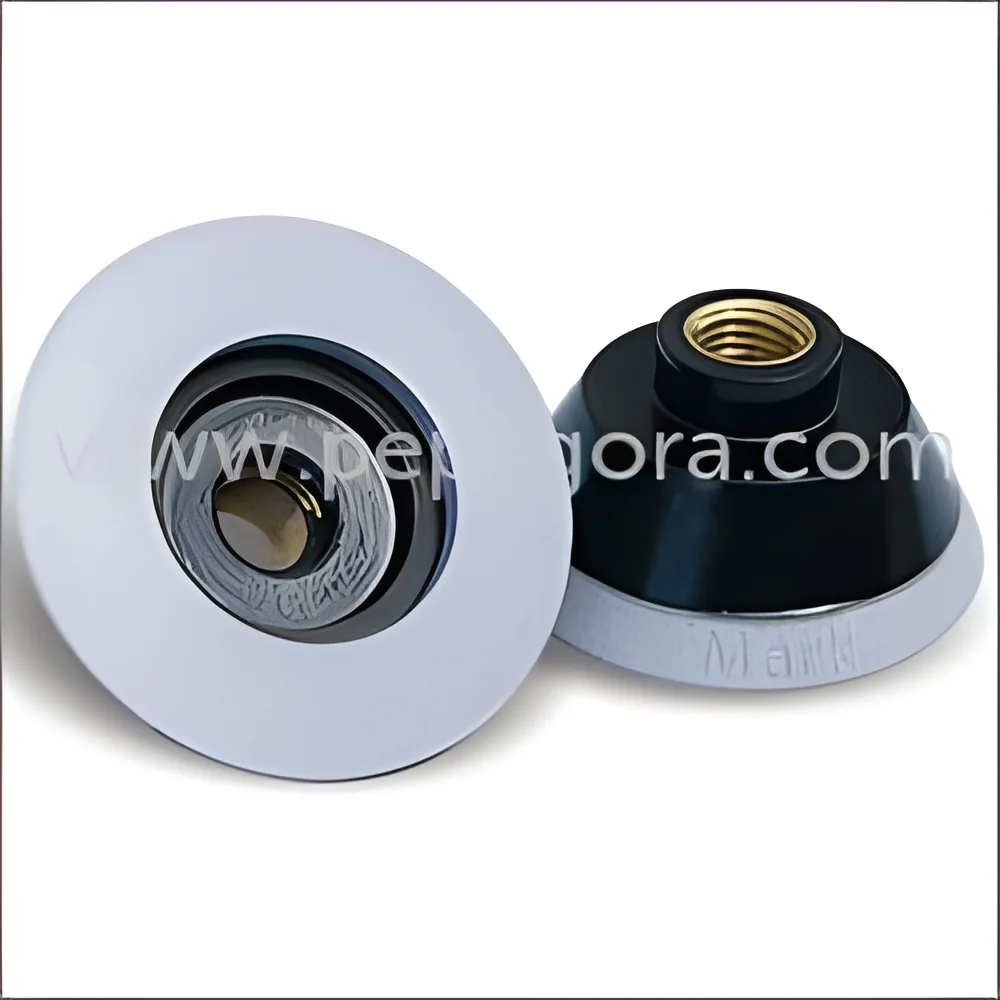
Specialized machines equipped with pads and brushes streamline the polishing process. They are essential for large areas and commercial applications, offering efficiency and consistency in results.
Benefits and Advantages
Choosing marble and tile polishing offers several advantages for businesses and property owners.
1. Enhanced Appearance: Regular polishing restores the natural beauty of marble and tile surfaces, making them shine and look new.
2. Increased Durability: Polished surfaces are more resistant to wear and tear, extending the lifespan of flooring.
3. Easier Maintenance: Smooth surfaces are easier to clean, requiring less effort to maintain cleanliness and hygiene.
4. Stain Resistance: Polishing can add a protective layer that reduces the likelihood of stains, making surfaces look pristine for longer.
5. Cost-Effective: Investing in polishing can reduce the need for expensive repairs or replacements, ultimately saving costs over time.
6. Improved Safety: Polished floors can be less prone to slips and falls, contributing to a safer environment for occupants.
Buying Guide for B2B Buyers
When sourcing marble and tile polishing products, B2B buyers should consider several key factors.
1. Quality Assessment: Evaluate the quality of polishing products based on performance, durability, and user reviews. High-quality products yield better results and require less frequent application.
2. Supplier Verification: Ensure that suppliers are reputable and provide products that meet industry standards. Look for certifications and customer testimonials to gauge reliability.
3. Pricing and MOQ: Understand the pricing structure and minimum order quantities. Compare offers from different suppliers to find the best value without compromising on quality.
4. Delivery and Lead Times: Assess logistical factors such as delivery times and shipping options. Timely delivery is crucial for businesses relying on consistent maintenance schedules.
5. Compliance Requirements: Be aware of any relevant regulatory standards or certifications that products must meet. This ensures that all materials used are safe and compliant with industry regulations.
Compliance and Certifications
Marble and tile polishing products must adhere to various quality standards and regulations to ensure safety and performance.
ISO 9001 is a widely recognized standard that focuses on quality management systems. Products that comply with this standard demonstrate a commitment to consistent quality and customer satisfaction.
CE certification indicates that products meet European health, safety, and environmental protection standards. This certification is essential for companies exporting products to Europe.
Safety and testing requirements are critical in the marble and tile polishing industry. Products should undergo rigorous testing to ensure they are safe for use in residential and commercial environments.
Regional compliance considerations may vary. Buyers should be aware of local regulations that affect the sourcing and use of polishing products in their respective markets.
Why Source Marble & Tile Polishing from Pepagora?
Pepagora provides a trusted platform for sourcing marble and tile polishing products, offering several key advantages that benefit B2B buyers.
Verified Supplier Network: Pepagora connects buyers with a network of verified suppliers, ensuring that the products offered are of high quality and meet industry standards. This reduces the risk associated with sourcing from unknown suppliers.
Streamlined RFQ Process: The request for quotation process on Pepagora is designed to be efficient and user-friendly. Buyers can easily compare quotes from multiple suppliers, allowing them to make informed decisions based on pricing and specifications.
Trade Assurance and Support: Pepagora offers trade assurance to protect buyers during transactions. This support includes assistance with dispute resolution and guidance throughout the procurement process, enhancing buyer confidence.
Regional Coverage: Pepagora's platform has a wide geographic reach, covering regions such as India, the GCC, and Southeast Asia. This extensive network allows buyers to access a diverse range of products and suppliers tailored to their local markets.

 IN
IN