
 IN
Diesel Generators
136 products available
What are Diesel Generators?
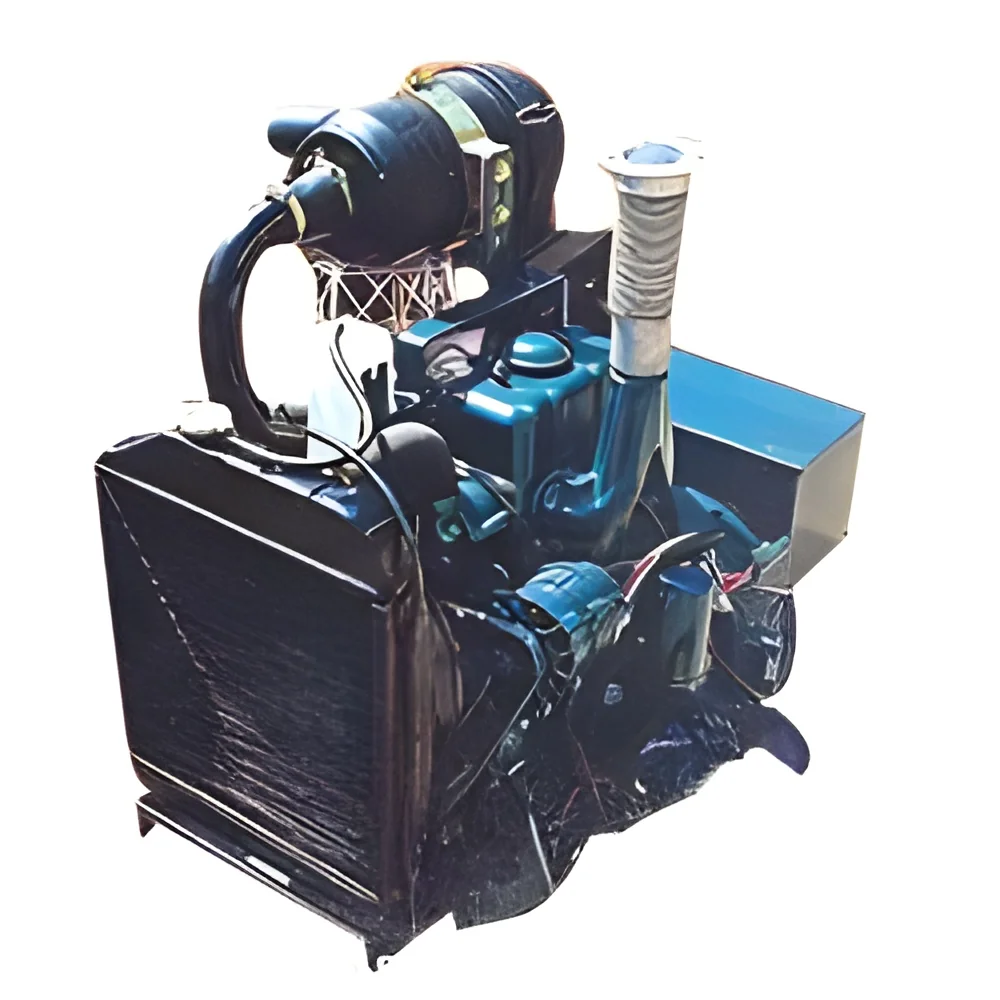
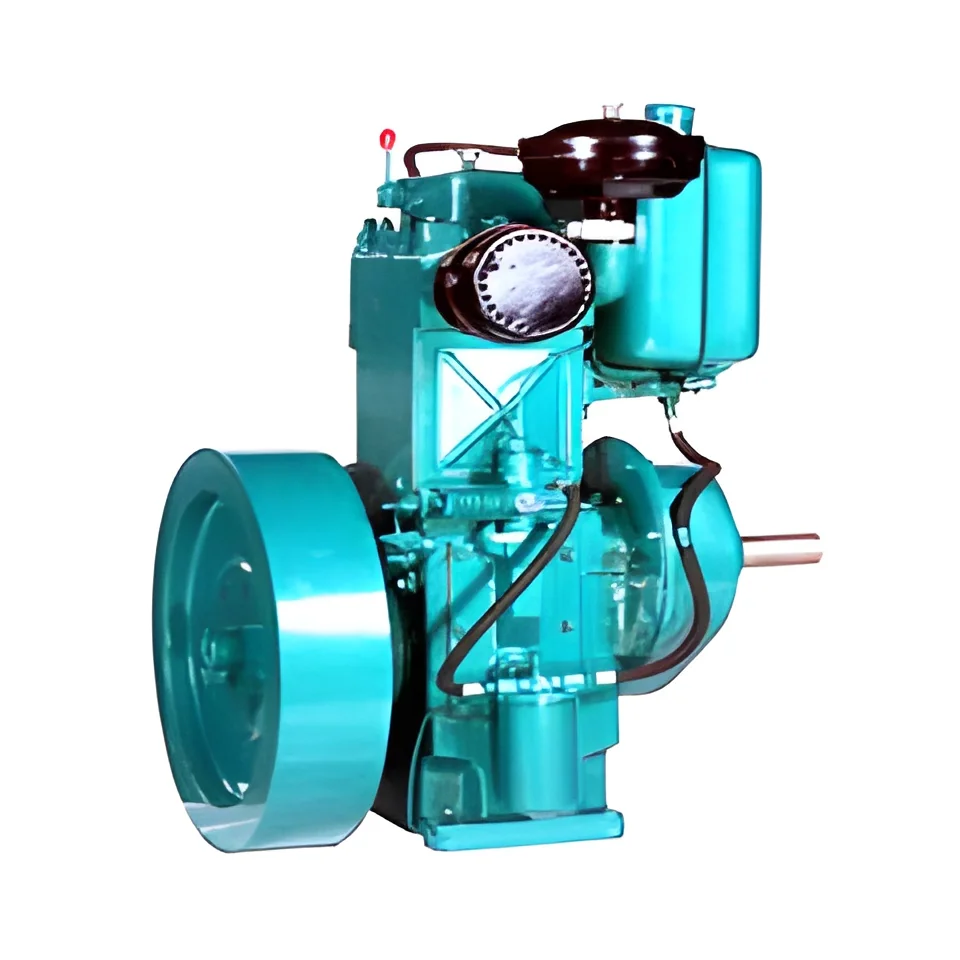
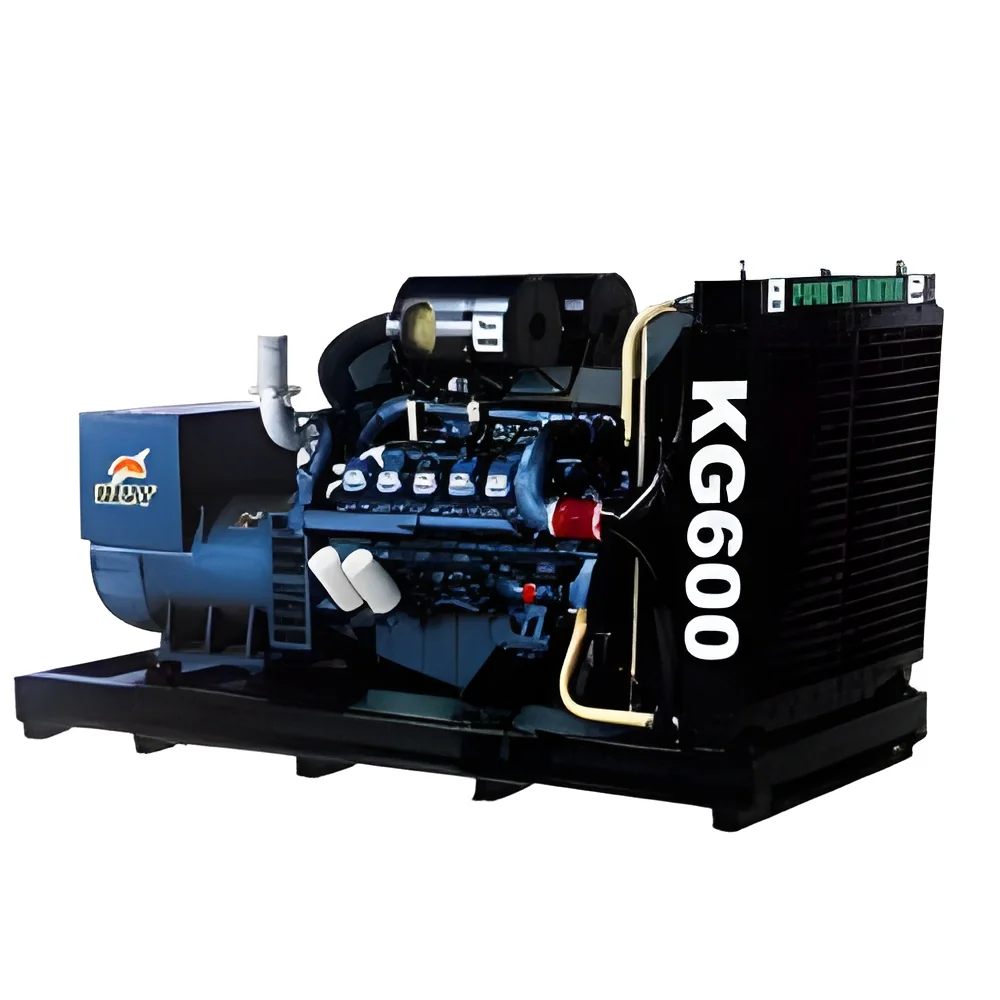
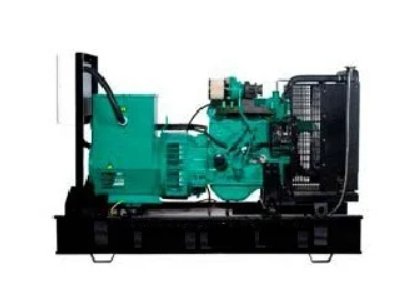
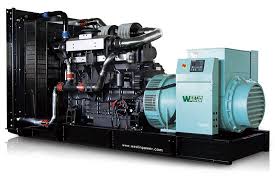
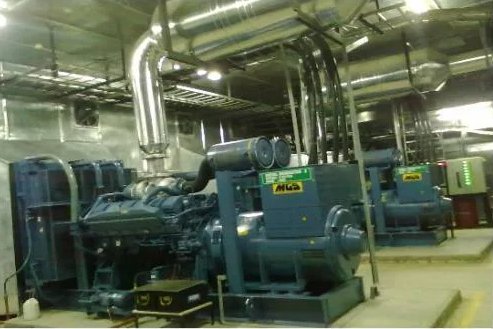
Diesel generators are robust machines that convert diesel fuel into electrical energy. They consist of an engine, an alternator, a fuel system, a control panel, and a cooling system. The engine generates mechanical energy, which the alternator converts into electrical energy. Diesel generators are known for their reliability, efficiency, and durability, making them a popular choice for both temporary and permanent power supply needs.
These generators are commonly used in various applications, including construction sites, remote locations, and as backup power for businesses. They are essential in industries that require a continuous power supply, such as healthcare, telecommunications, and manufacturing. In today's market, diesel generators hold a significant position due to their ability to offer stable power solutions in environments where electrical grids are unreliable or non-existent. The growing demand for uninterrupted power supply across sectors has further solidified their relevance.
Key Features and Specifications
Diesel generators come equipped with several features designed to enhance performance, efficiency, and user convenience. Understanding these specifications can help businesses make informed choices when selecting a generator.
Key specifications include:
1. Power Output
- Typically ranges from 5 kW to 2,500 kW
- Suitable for small to large-scale applications
2. Fuel Consumption
- Average consumption varies based on load
- Typically measured in liters per hour
3. Engine Type
- Options include air-cooled and liquid-cooled engines
- Liquid-cooled engines are often more efficient
4. Noise Level
- Generally ranges from 60 dB to 75 dB
- Soundproof enclosures can be added to reduce noise
5. Dimensions
- Size varies depending on power output
- Compact models are available for limited spaces
6. Control Panel Features
- Digital displays for monitoring performance
- Remote start and stop capabilities
7. Emission Standards
- Compliance with international environmental regulations
- Reduces harmful emissions
8. Maintenance Interval
- Typically recommended every 500 hours of operation
- Regular maintenance ensures optimal performance
In summary, diesel generators offer a range of features and specifications that cater to diverse industrial needs. Understanding these details is crucial for businesses to select the right generator for their operations.
Common Applications and Use Cases
Diesel generators are versatile and find applications across multiple industries. They are particularly valuable in sectors that require reliable power supply under various conditions.
1. Construction Industry: Diesel generators provide essential power to construction sites, enabling tools and equipment to operate efficiently, especially in remote locations.
2. Healthcare Sector: Hospitals rely on diesel generators as backup power sources to ensure that critical medical equipment remains operational during outages.
3. Telecommunications: Communication towers use diesel generators to maintain service continuity, especially in areas prone to power interruptions.
4. Manufacturing: Factories utilize diesel generators to power machinery and production lines, minimizing downtime and maximizing productivity.
5. Oil and Gas: Diesel generators are used in oil fields and refineries, where they power drilling equipment and processing plants.
6. Data Centers: These facilities depend on diesel generators for backup power to prevent data loss and ensure uninterrupted service.
7. Events and Entertainment: Temporary power solutions for concerts and large events are often provided by diesel generators, accommodating various lighting and sound equipment.
Product Variants and Subcategories
While specific subcategories are not available, diesel generators can be classified based on their features and applications. This diversity allows businesses to choose the most suitable option for their needs.
Portable Diesel Generators
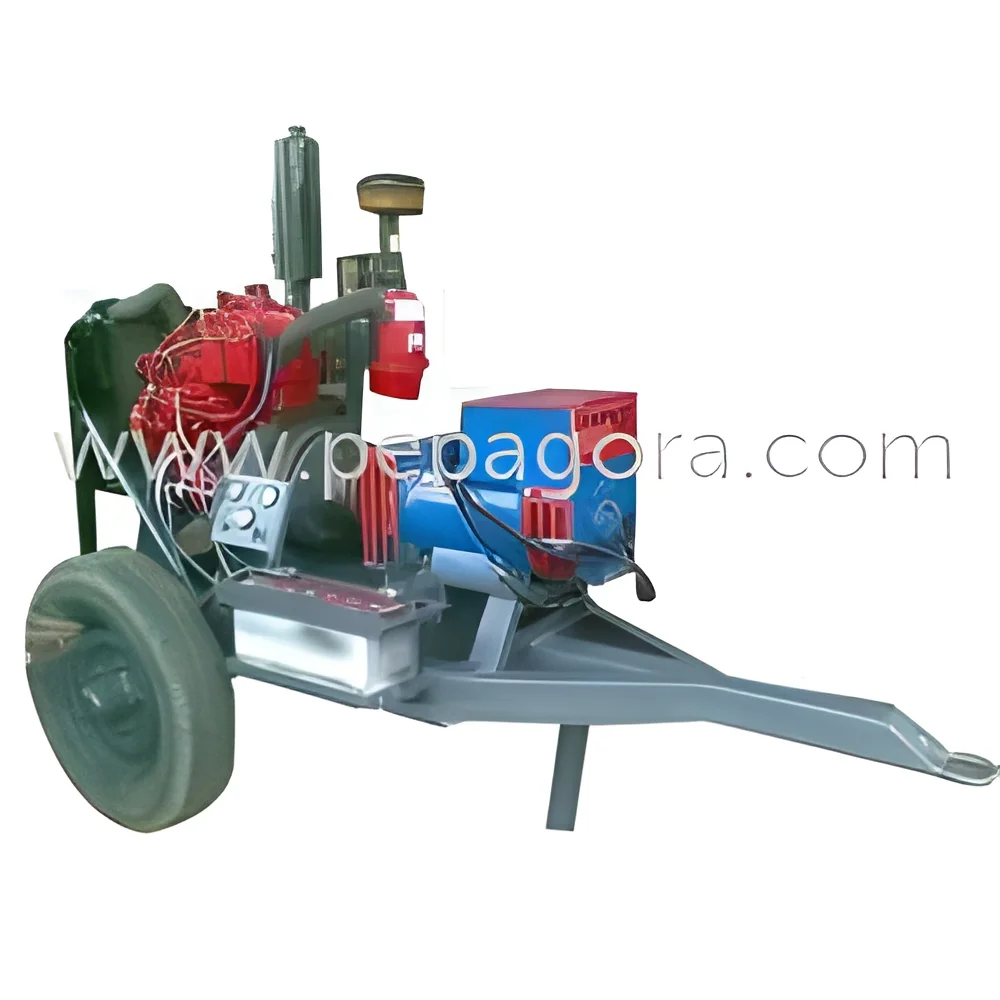
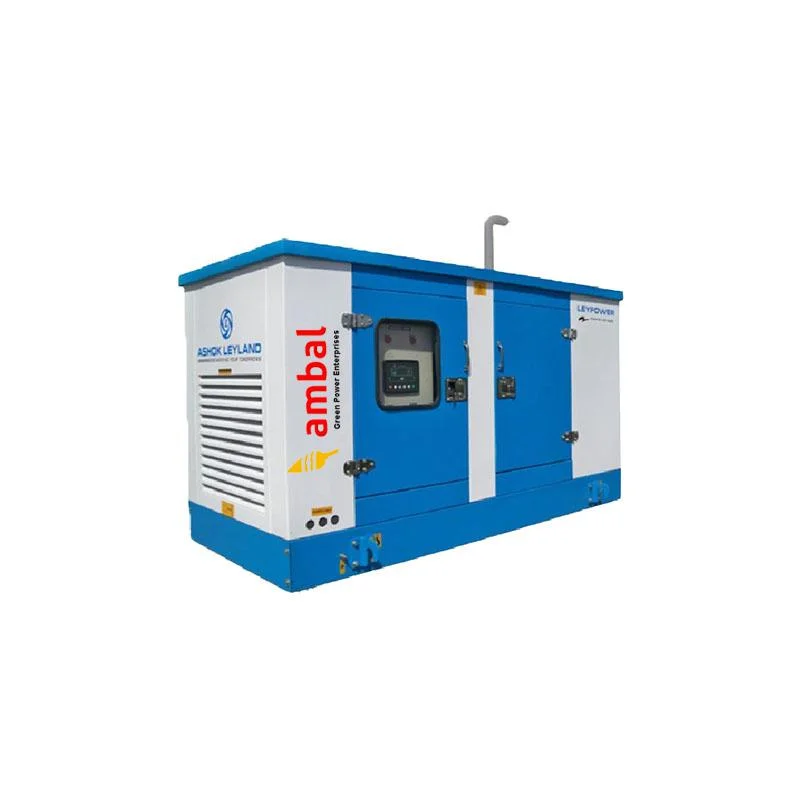
These compact models are designed for mobility, making them ideal for construction sites and outdoor events. They typically offer lower power outputs but can be easily transported.
Industrial Diesel Generators
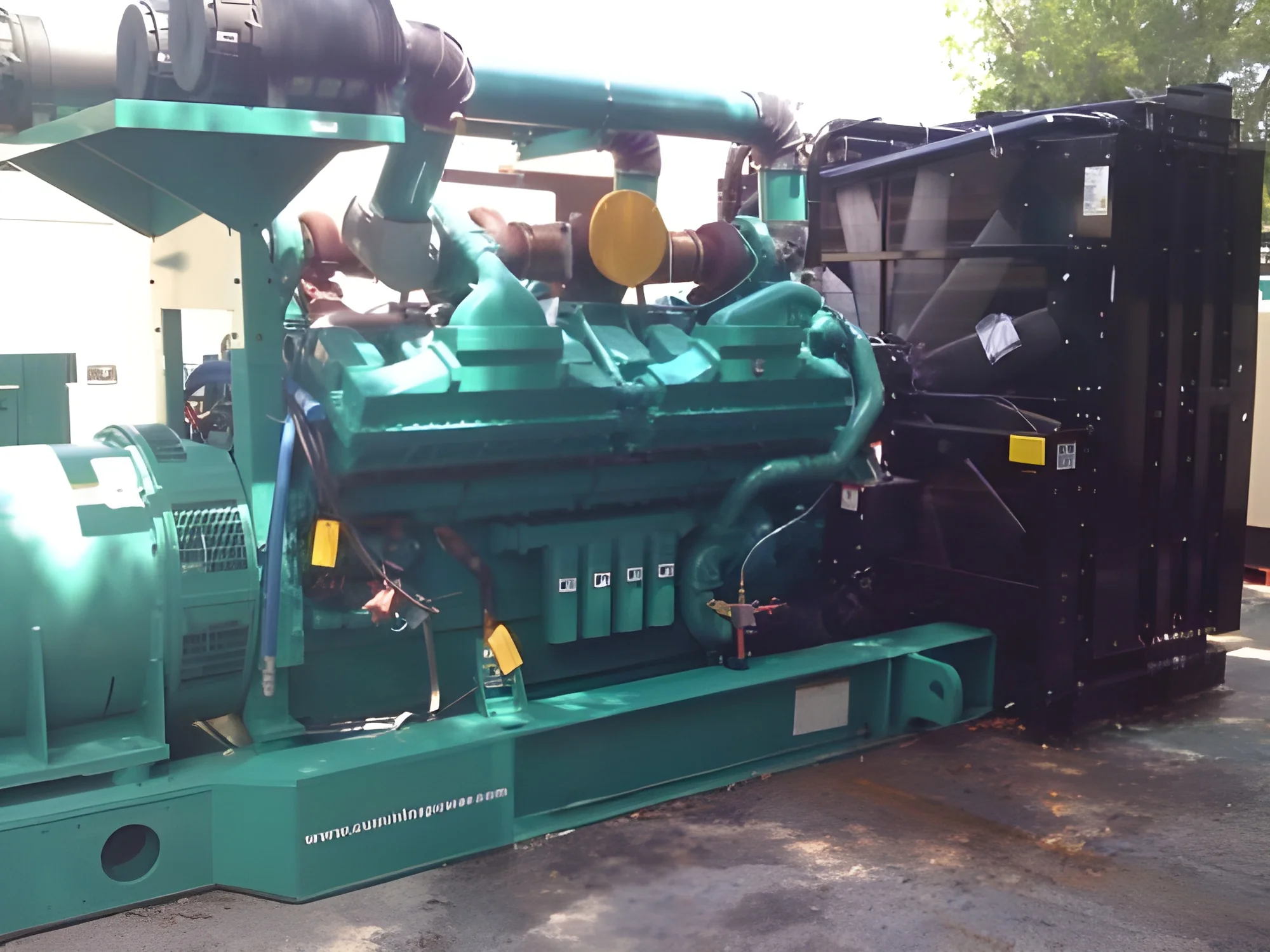
Designed for heavy-duty applications, these generators provide high power outputs and are used in manufacturing facilities and large infrastructure projects.
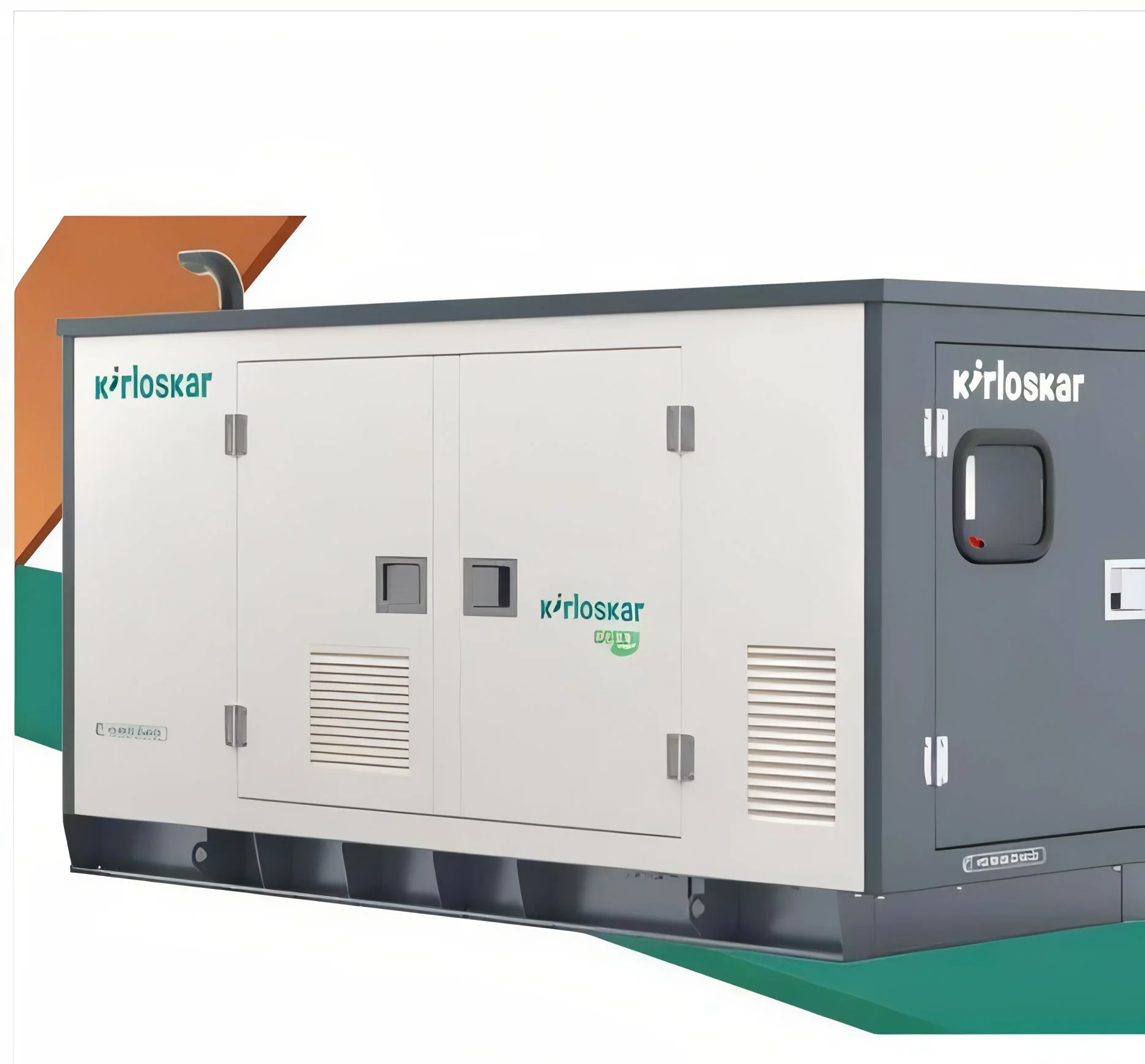
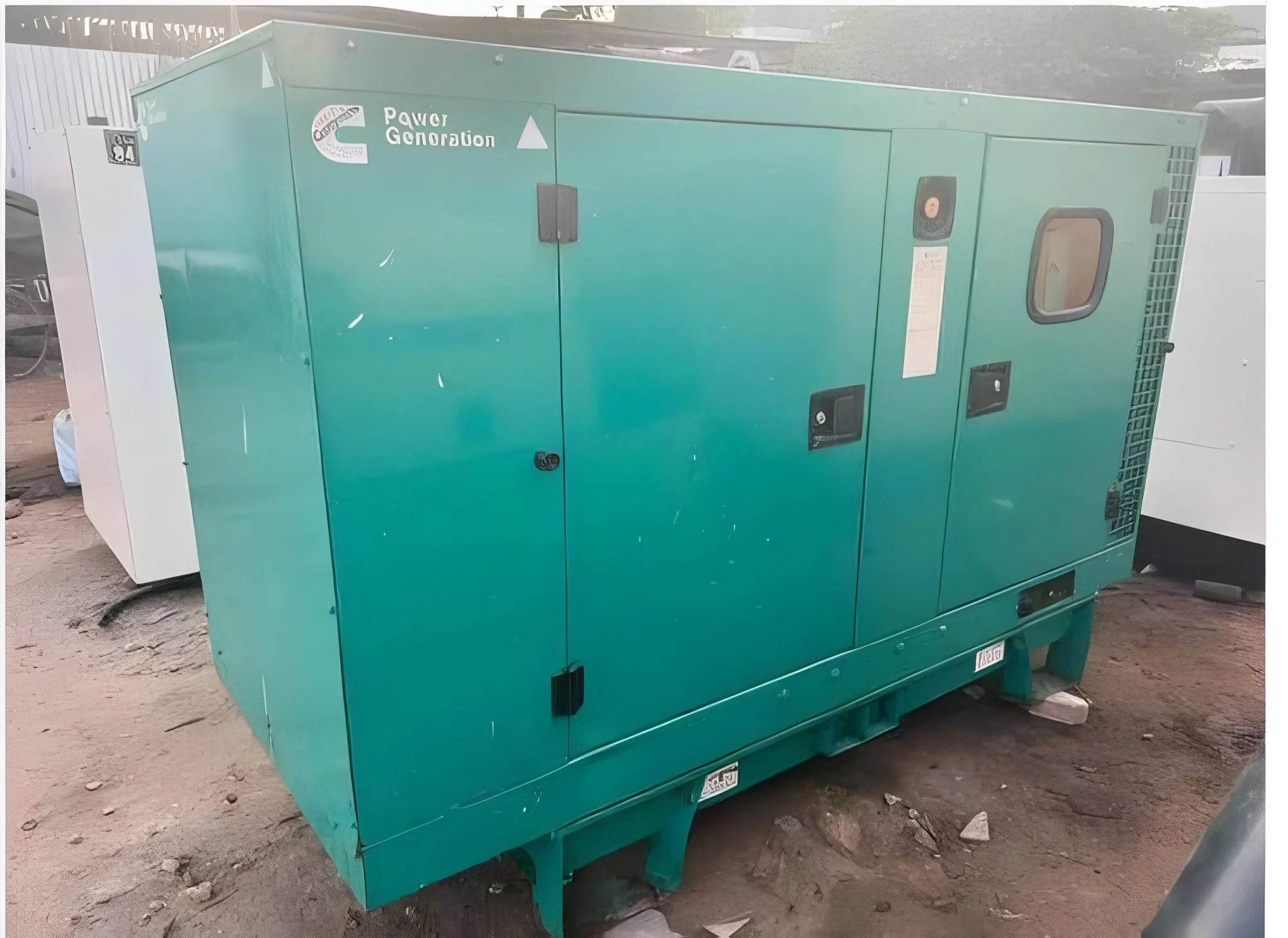
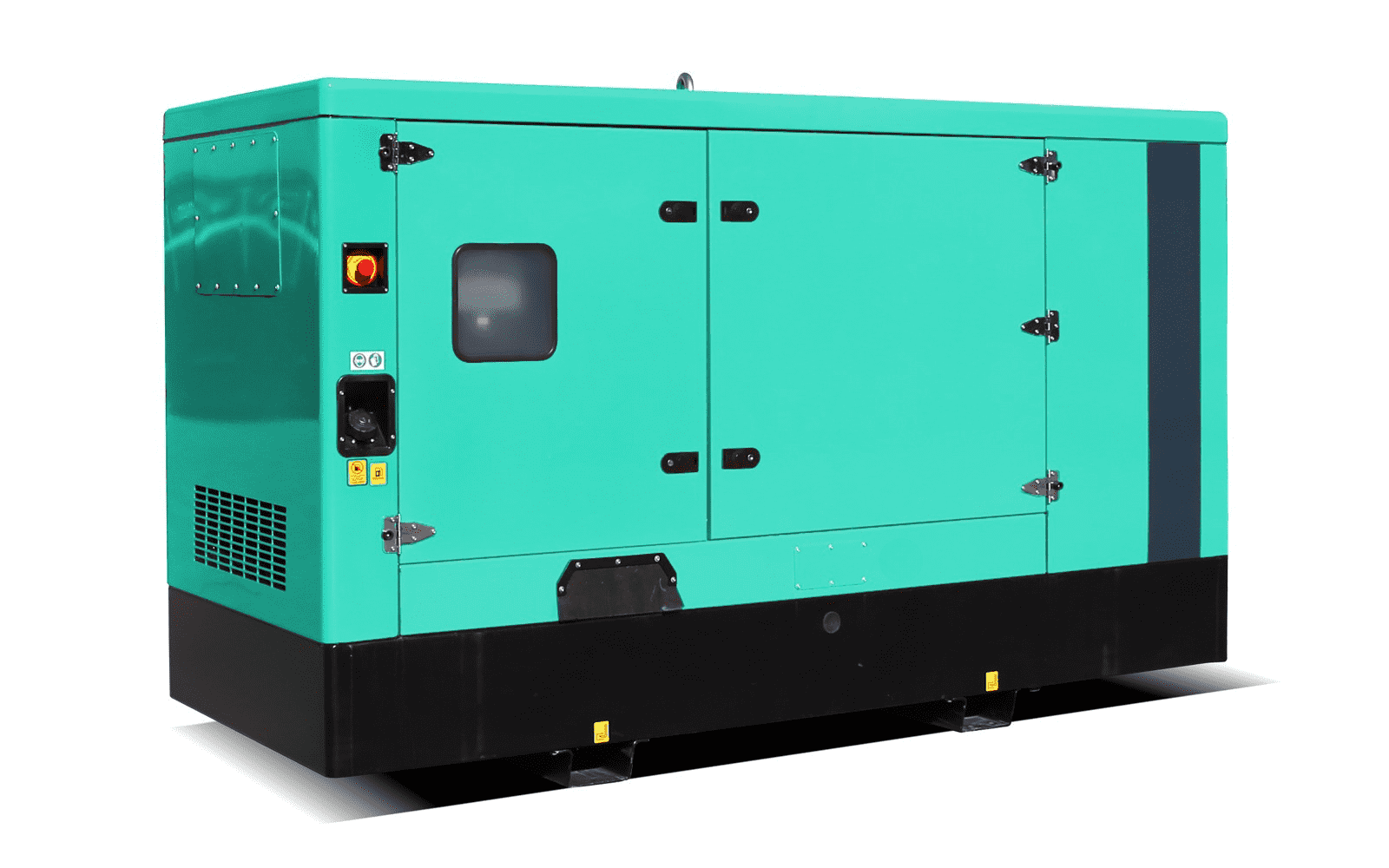
Silent Diesel Generators
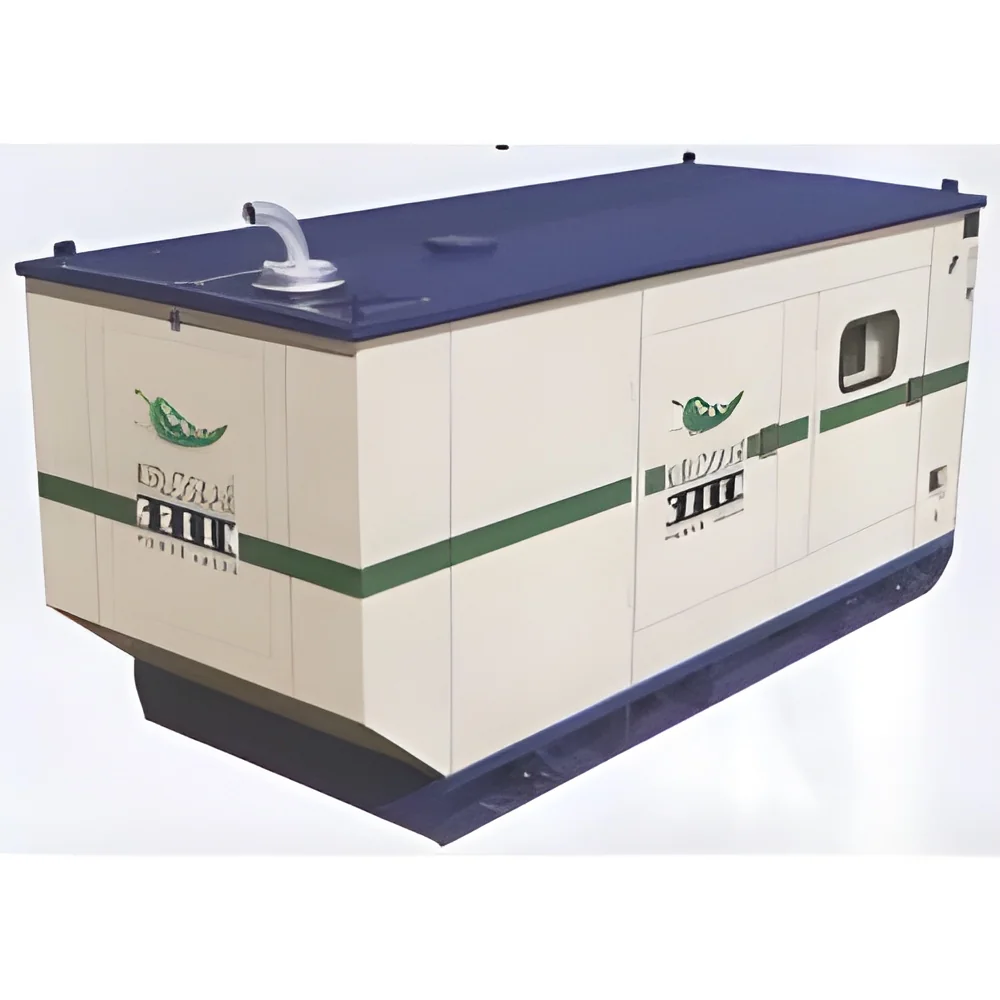
Engineered to operate at lower noise levels, silent diesel generators are perfect for use in residential areas or where noise restrictions are in place.
Standby Diesel Generators
These generators are used as backup power sources in businesses and institutions, automatically activating during outages to maintain operations.
Benefits and Advantages
Investing in diesel generators offers numerous advantages for businesses seeking reliable power solutions.
1. Reliability: Diesel generators are known for their robustness and dependability, providing a consistent power supply even in challenging conditions.
2. Efficiency: They typically have higher fuel efficiency compared to gasoline generators, resulting in lower operating costs over time.
3. Durability: Built to withstand harsh environments, diesel generators often have longer lifespans, making them a cost-effective investment.
4. Maintenance: Diesel engines generally require less frequent maintenance compared to other types, reducing downtime and service costs.
5. Fuel Availability: Diesel fuel is widely available, making it easier for businesses to source the fuel they need for operation.
6. Power Output: Diesel generators can deliver substantial power outputs, suitable for both small and large-scale applications.
Buying Guide for B2B Buyers
When sourcing diesel generators, businesses should consider several critical factors to ensure they select the right product for their needs.
1. Quality Assessment: Evaluate the generator's build quality and performance ratings. Look for models that meet industry standards to ensure reliability.
2. Supplier Verification: Vet potential suppliers by checking their reputation, customer reviews, and certifications. Ensure they are established and trustworthy.
3. Pricing and MOQ: Understand the pricing structure and minimum order quantities. Compare quotes from different suppliers to find the best value.
4. Delivery and Lead Times: Inquire about delivery schedules and lead times. Ensure that the supplier can meet your timelines, especially for urgent projects.
5. Compliance Requirements: Check for compliance with local regulations and standards. Ensure that the generator meets necessary safety and emission requirements.
Compliance and Certifications
Diesel generators must adhere to various quality standards and industry certifications to ensure safety and efficiency. Key standards include ISO 9001, which focuses on quality management systems, and CE certification, indicating compliance with European safety directives.
Manufacturers should also consider safety and testing requirements relevant to their specific regions. Compliance with environmental regulations is increasingly important, as businesses aim to minimize their carbon footprint.
Regional compliance considerations may vary, so it is essential to understand the specific requirements in the areas where the generators will be used. This ensures that the products meet both operational and regulatory needs.
Why Source Diesel Generators from Pepagora?
Pepagora provides a trusted platform for sourcing diesel generators, offering several key advantages for B2B buyers.
Verified Supplier Network: Pepagora connects buyers with a network of verified suppliers, ensuring that businesses can source high-quality diesel generators from reputable manufacturers. This reduces the risk associated with sourcing and enhances buyer confidence.
Streamlined RFQ Process: The platform simplifies the request for quotation (RFQ) process, allowing buyers to quickly receive quotes from multiple suppliers. This efficiency saves time and helps businesses make informed purchasing decisions.
Trade Assurance and Support: Pepagora offers trade assurance and support to protect buyers throughout the procurement process. This includes assistance with negotiations and post-purchase support to ensure satisfaction.
Regional Coverage: With a focus on markets in India, the GCC, and Southeast Asia, Pepagora provides extensive geographic coverage. This regional reach enables businesses in these areas to find suitable diesel generator solutions tailored to their local needs.

Frequently Asked Questions
What are Diesel Generators?
Diesel Generators are standalone power generation systems that convert diesel fuel into electrical energy. They are commonly used as backup power sources in various applications, including residential, commercial, and industrial settings.
What are the different types of Diesel Generators?
The main types of Diesel Generators include portable generators, stationary generators, and standby generators. Portable generators are designed for mobility, while stationary generators are fixed installations that provide a continuous power supply. Standby generators automatically activate during power outages.
How do I choose the right Diesel Generators?
To choose the right Diesel Generator, consider factors such as power requirements, application type, and fuel efficiency. It's also essential to evaluate the generator's features, noise levels, and maintenance requirements to ensure it meets your specific needs.
What are the standard specifications for Diesel Generators?
Standard specifications for Diesel Generators typically include power output (measured in kVA or kW), engine type, fuel consumption rate, and noise level. Additionally, specifications may cover dimensions, weight, and operational features such as automatic start and stop functions.
What is the price range for Diesel Generators?
The price range for Diesel Generators can vary significantly based on power output, brand, and features. Generally, prices may start from around INR 30,000 and can go up to several lakhs for high-capacity or specialized units.
What quality standards apply to Diesel Generators?
Diesel Generators are subject to various quality standards, including ISO certifications and emission regulations. Compliance with standards like ISO 8528 and IS 1460 ensures that generators meet performance, safety, and environmental requirements.
Where can I find Diesel Generators suppliers in India?
You can find Diesel Generators suppliers in India through B2B marketplaces like Pepagora.com, trade shows, and industry directories. It's advisable to check supplier credentials and customer reviews to ensure reliability.
Can Diesel Generators be customized?
Yes, Diesel Generators can be customized to meet specific power requirements and application needs. Customization options may include modifications in size, power output, and additional features such as soundproof enclosures.
What is the typical minimum order quantity for Diesel Generators?
The typical minimum order quantity (MOQ) for Diesel Generators can vary among suppliers, but it often ranges from one unit for smaller generators to several units for larger commercial models. It's best to consult with suppliers for their specific MOQ policies.
What is the typical lead time for Diesel Generators?
The typical lead time for Diesel Generators can range from a few days to several weeks, depending on the supplier, customization requests, and stock availability. It's advisable to confirm lead times with your chosen supplier before placing an order.
Why Businesses Trust Pepagora
Thousands of companies trust Pepagora to source smarter and sell faster
Expand Your Sales Globally

Source Smarter,Grow Faster
