
 IN
Custom Product Labels
18 products available
What are Custom Product Labels?
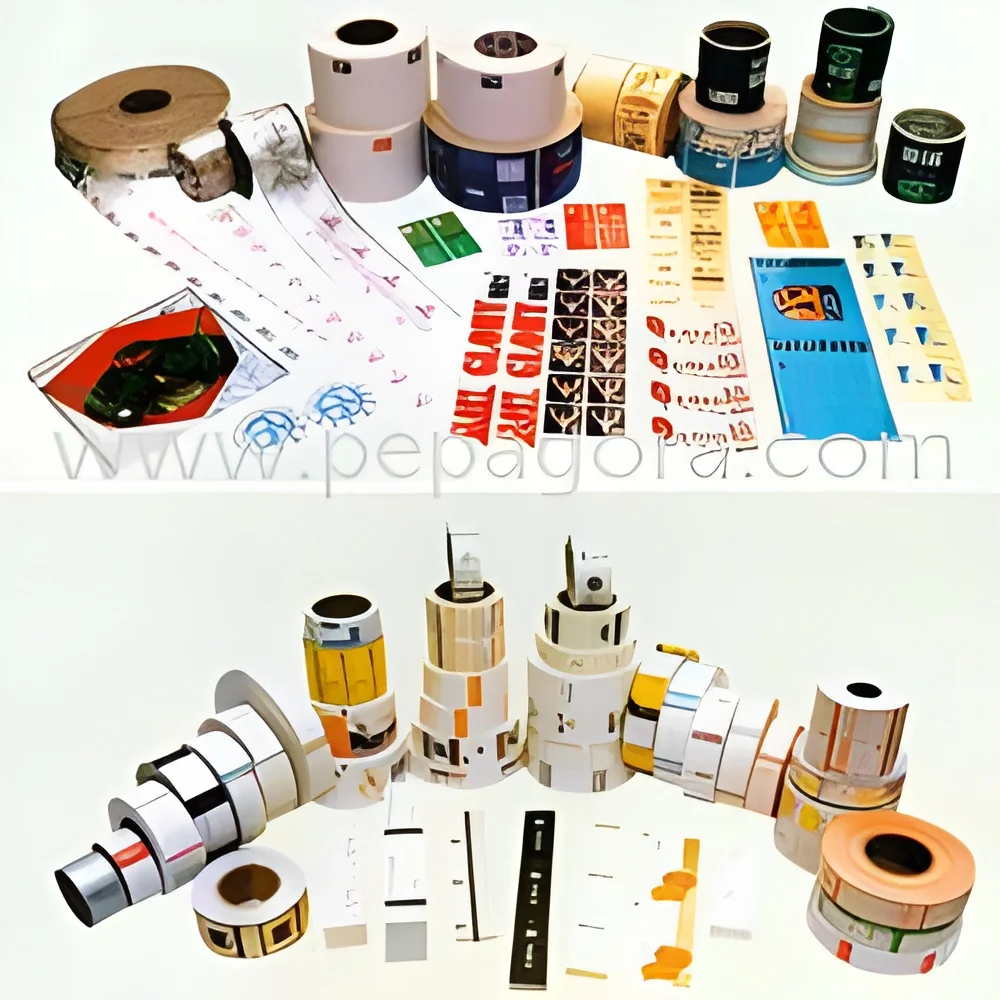
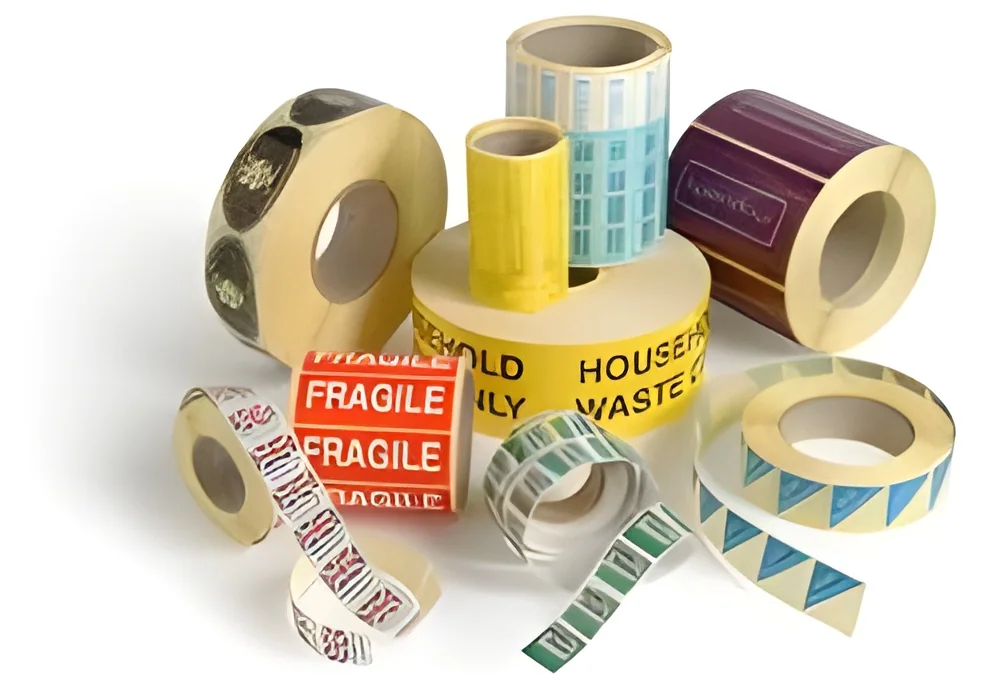
Custom product labels are tailored identification tags designed to convey essential information about a product. These labels can include details such as branding, ingredients, usage instructions, and compliance information. Businesses can create labels that fit their specific needs, ensuring that they stand out in the marketplace. The customization aspect allows for various materials, shapes, sizes, and finishes to be chosen based on the product’s requirements.
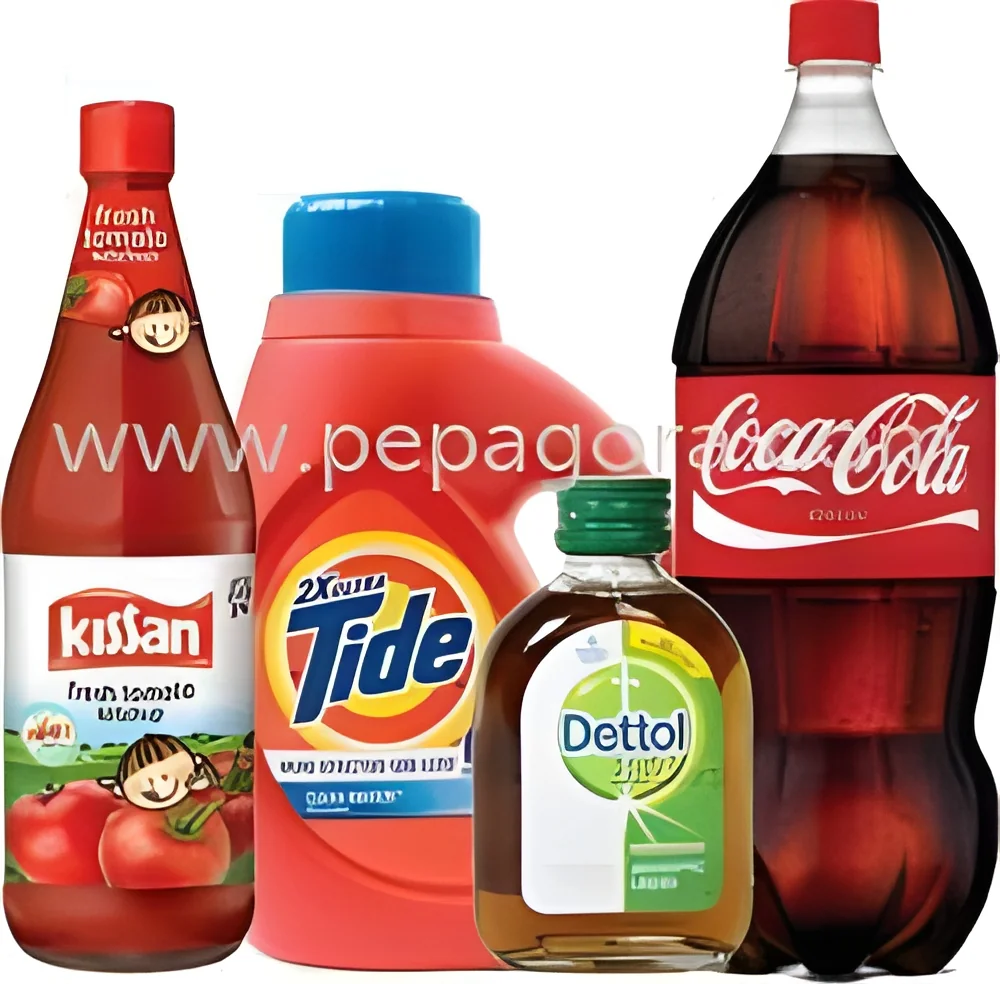
These labels are primarily used across multiple industries, including food and beverage, pharmaceuticals, cosmetics, and manufacturing. They play an essential role in product packaging by enhancing brand visibility and providing customers with necessary information. Custom labels also assist in compliance with regulations, ensuring that products meet industry standards. With the growing emphasis on branding and consumer awareness, the demand for custom product labels continues to rise, making them a vital component in the marketing strategy of many businesses.
In the current market context, custom product labels are relevant not only for their practical applications but also for their role in branding and consumer engagement. Companies are increasingly aware of the importance of packaging, as it serves as the first point of contact with potential customers. As a result, investing in high-quality custom labels can significantly impact a brand's perception and market competitiveness.
Key Features and Specifications
Custom product labels come with a variety of features and specifications tailored to meet different business needs. Understanding these features can help businesses select the right labels for their products.
Key specifications include:
1. Material Type
- Options include paper, vinyl, and polyester.
- Each material has unique benefits related to durability and application.
2. Adhesive Strength
- Labels can be designed with permanent or removable adhesives.
- This specification affects usability and product rebranding.
3. Print Quality
- High-resolution printing options available for clear graphics and text.
- Essential for brand recognition and product information.
4. Size and Shape
- Customizable sizes and shapes to fit various product packaging.
- Important for aesthetic appeal and functionality.
5. Finish Options
- Choices include matte, gloss, or transparent finishes.
- The finish can enhance visual appeal and protect the label.
6. Compliance Markings
- Ability to include barcodes, QR codes, and regulatory symbols.
- Important for tracking and meeting industry standards.
7. Temperature Resistance
- Labels can be designed to withstand specific temperature ranges.
- Critical for products that are stored in varying conditions.
8. Color Customization
- Options for full-color printing to match brand identity.
- Affects both visibility and consumer engagement.
In summary, selecting custom product labels involves considering various features and specifications that align with business needs and product requirements.
Common Applications and Use Cases
Custom product labels are versatile and serve numerous industries effectively.
1. Food and Beverage: Labels provide essential information such as ingredients, nutritional facts, and expiration dates. They also enhance branding on shelves, attracting consumer attention.
2. Pharmaceuticals: These labels are crucial for displaying dosage instructions, safety warnings, and compliance information. They ensure that consumers have access to necessary information for safe usage.
3. Cosmetics: Custom labels in the cosmetics industry highlight product benefits and ingredients, enhancing brand identity while ensuring compliance with beauty industry regulations.
4. Manufacturing: Labels are used on machinery and equipment to display safety information, usage instructions, and compliance marks, helping maintain operational standards.
5. Logistics and Shipping: Custom labels facilitate tracking and inventory management, providing essential information about the contents and handling instructions.
6. Retail: Labels help in pricing and promotions, allowing retailers to communicate offers and product details effectively.
7. Health and Wellness: Labels on supplements and health products provide important information about ingredients and benefits, guiding consumer choice.
Product Variants and Subcategories
Custom product labels offer a diverse range of options to cater to different needs and applications.
Label Types: One option is waterproof labels, which are ideal for products that may be exposed to moisture. These labels are designed to maintain their integrity and readability even in wet conditions.
Eco-Friendly Labels: Another variant includes biodegradable or recyclable labels, catering to businesses focused on sustainability. These labels appeal to environmentally conscious consumers and help brands enhance their green credentials.
Specialty Labels: Specialty labels include those that are tamper-evident or holographic, providing added security and authentication for products. These labels are particularly useful in industries where product integrity is paramount.
Benefits and Advantages
Custom product labels offer several advantages that can significantly impact business operations.
Key benefits include:
1. Brand Differentiation: Custom labels help businesses stand out in a crowded market, allowing for unique branding that attracts consumers.
2. Enhanced Customer Engagement: Well-designed labels can capture attention and convey important information, improving customer interaction with the product.
3. Compliance Assurance: Labels can be tailored to meet industry regulations, helping businesses avoid legal issues and ensuring consumer safety.
4. Versatility: Custom labels can be adapted for various products, making them suitable for multiple applications across industries.
5. Quality Perception: High-quality labels can enhance the perceived value of a product, influencing consumer purchase decisions.
6. Cost-Effectiveness: Investing in custom labels can lead to better product presentation, potentially increasing sales and return on investment.
Buying Guide for B2B Buyers
When sourcing custom product labels, businesses should consider several important factors to ensure they make informed decisions.
1. Quality Assessment: Evaluate the materials and printing technologies used by suppliers. High-quality materials and advanced printing techniques are crucial for durability and visual appeal.
2. Supplier Verification: Conduct background checks on potential suppliers. Look for reviews, certifications, and industry reputation to ensure reliability.
3. Pricing and MOQ: Understand the pricing structure and minimum order quantities. Compare quotes to ensure you are getting a competitive rate without compromising quality.
4. Delivery and Lead Times: Inquire about the supplier's delivery capabilities and lead times. Timely delivery is essential to maintain product launch schedules and inventory levels.
5. Compliance Requirements: Ensure that labels meet all necessary regulatory standards for your industry. This includes safety certifications and compliance with local laws.
Compliance and Certifications
Compliance and certifications are critical components in the production of custom product labels.
Relevant quality standards such as ISO 9001 ensure that manufacturers adhere to quality management principles, leading to consistent products and services. These standards are vital for maintaining operational efficiency and meeting customer expectations.
Industry certifications like CE indicate that products meet European safety standards, which is crucial for products sold in European markets. This certification can enhance consumer trust and expand market reach.
Safety and testing requirements are also paramount. Labels must undergo testing to ensure that they do not adversely affect the products they are applied to, especially in sensitive industries like food and pharmaceuticals.
Regional compliance considerations may vary; therefore, businesses must be aware of local regulations concerning labeling and packaging to avoid potential legal issues.
Why Source Custom Product Labels from Pepagora?
Pepagora provides a trusted platform for sourcing custom product labels, offering several key advantages to B2B buyers.
Verified Supplier Network: Pepagora has a thorough vetting process for suppliers, ensuring that buyers have access to reputable manufacturers. This network helps businesses find reliable partners for their labeling needs.
Streamlined RFQ Process: The platform offers an efficient request for quotation (RFQ) system, allowing buyers to receive competitive quotes quickly. This process simplifies sourcing and aids in decision-making.
Trade Assurance and Support: Pepagora provides trade assurance to protect buyers throughout the purchasing process. This assurance includes support in case of disputes, giving buyers peace of mind.
Regional Coverage: With a strong presence in India, the GCC, and Southeast Asia, Pepagora connects buyers with suppliers across multiple regions. This geographic reach allows for better sourcing options and market access for businesses looking to expand.

 India
 India
 India
 India

 India
 India
 India

 India


Frequently Asked Questions
What are Custom Product Labels?
Custom Product Labels are specially designed labels that can be tailored to meet specific branding, informational, or functional needs of businesses. These labels can include various elements such as logos, product information, barcodes, and images, and are used across different industries to enhance product visibility and compliance.
What are the different types of Custom Product Labels?
There are several types of Custom Product Labels, including adhesive labels, hang tags, shrink sleeves, and waterproof labels. Each type serves different purposes, such as branding, product identification, or regulatory compliance, and can be customized in size, shape, and material.
How do I choose the right Custom Product Labels?
Choosing the right Custom Product Labels involves considering factors such as the type of product, the environment in which the labels will be used, and design elements like color and typography. It's also important to assess the label material and adhesive options to ensure durability and adherence to the product.
What are the standard specifications for Custom Product Labels?
Standard specifications for Custom Product Labels typically include size, shape, material, adhesive type, and ink quality. Additionally, specifications may involve printing techniques, finish (such as matte or glossy), and compliance with industry standards for safety and durability.
What is the price range for Custom Product Labels?
The price range for Custom Product Labels varies widely based on factors such as material, size, quantity, and printing complexity. Generally, prices can start from a few rupees per label for basic designs and go up to several hundred rupees for more intricate, specialty labels.
What quality standards apply to Custom Product Labels?
Quality standards for Custom Product Labels often include adherence to ISO guidelines for labeling and packaging. Additionally, labels may need to meet specific industry requirements, such as FDA regulations for food labeling or UL standards for electrical products.
Where can I find Custom Product Labels suppliers in India?
You can find Custom Product Labels suppliers in India through various online B2B marketplaces like Pepagora, industry directories, and trade shows. It's advisable to compare suppliers based on their product offerings, customer reviews, and quality certifications.
Can Custom Product Labels be customized?
Yes, Custom Product Labels can be extensively customized to fit the branding and functional needs of your products. Customization options may include size, shape, material, color, graphics, and text to ensure the labels effectively represent your brand.
What is the typical minimum order quantity for Custom Product Labels?
The typical minimum order quantity (MOQ) for Custom Product Labels can vary depending on the manufacturer and the complexity of the design. Generally, MOQs can range from as low as 100 labels to several thousand for more customized or specialty labels.
What is the typical lead time for Custom Product Labels?
The typical lead time for Custom Product Labels varies based on the supplier and order size, but it usually ranges from 5 to 15 business days. Factors such as design complexity, production capacity, and shipping methods can also influence the lead time.
Why Businesses Trust Pepagora
Thousands of companies trust Pepagora to source smarter and sell faster
Expand Your Sales Globally

Source Smarter,Grow Faster
