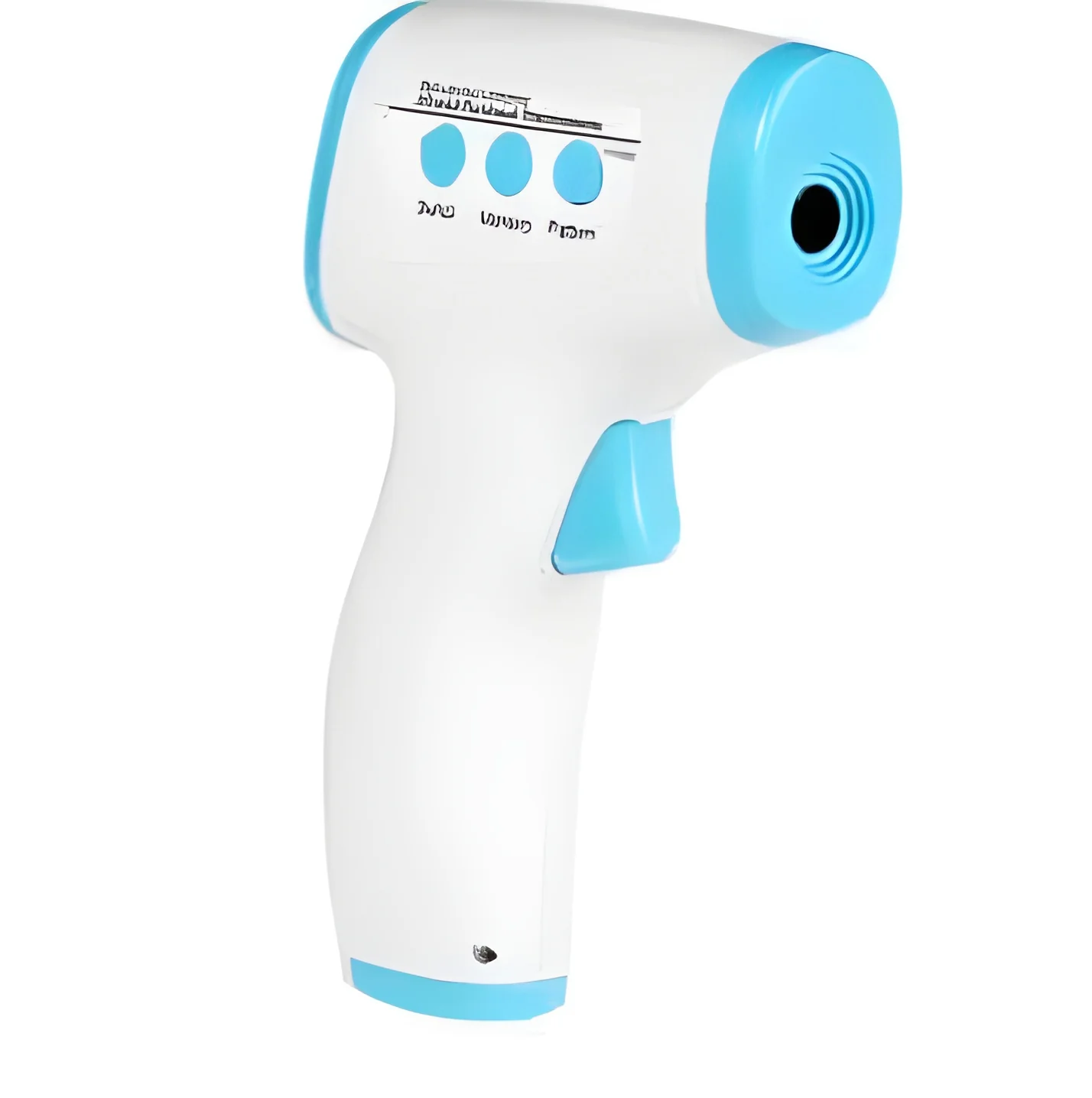
What are Contactless Fever Scanners?
Contactless fever scanners are advanced devices designed to measure the body temperature of individuals without any physical contact. Utilizing infrared technology, these scanners provide quick and accurate temperature readings, which are crucial for identifying potential fevers, a common symptom of various illnesses. The non-invasive nature of these devices allows for rapid screening in high-traffic areas, making them ideal for various settings where health monitoring is essential.
These scanners are primarily used in healthcare settings, educational institutions, corporate offices, and public spaces. Their ability to quickly assess the health status of individuals helps organizations maintain a safe environment, especially during health crises like pandemics. With the increasing demand for health safety measures, contactless fever scanners have become a vital tool for businesses aiming to protect employees and customers alike.
The relevance of contactless fever scanners has surged in recent years due to global health concerns. As countries focus on controlling the spread of infectious diseases, these devices have found a significant market presence. The industrial shift towards automated health monitoring solutions further emphasizes the importance of integrating such technologies into everyday operations across various sectors.
Key Features and Specifications
Contactless fever scanners come equipped with several advanced features that enhance their functionality and user experience. The specifications of these devices can vary widely depending on the model and manufacturer.
Key specifications include:
1. Measurement Range
- Typically ranges from 32°C to 42.9°C
- Ensures accurate readings for various body temperatures
2. Response Time
- Generally less than one second
- Enables quick assessments to manage traffic flow in busy environments
3. Accuracy
- Usually within ±0.5°C
- Guarantees reliable results for effective health monitoring
4. Power Source
- Commonly battery-operated or USB rechargeable
- Offers flexibility for both stationary and mobile use
5. Display Type
- Digital displays with backlighting for easy reading
- Some models feature audible alerts for high temperatures
6. Temperature Unit Options
- Supports Celsius and Fahrenheit readings
- Provides versatility for different user preferences
7. Body and Surface Temperature Measurement
- Capable of measuring both body and surface temperatures
- Useful for diverse applications beyond just fever detection
8. Storage and Data Logging
- Some models include memory functions for storing data
- Facilitates tracking and reporting of temperature trends
In summary, these specifications highlight the technological advancements in contactless fever scanners, making them essential tools for health monitoring in various industries.
Common Applications and Use Cases
Contactless fever scanners are versatile devices that serve multiple industries, ensuring health safety on various fronts.
1. Healthcare: Hospitals and clinics utilize these scanners to screen patients and visitors before entry, helping to prevent the spread of infections within healthcare facilities.
2. Education: Schools and universities implement contactless fever scanners at entrances to monitor students and staff, ensuring a safe learning environment.
3. Corporate Offices: Businesses use these devices to check employees and visitors, maintaining workplace health and compliance with safety regulations.
4. Retail: Retailers deploy scanners at store entrances to quickly assess customers, enhancing safety measures while ensuring a seamless shopping experience.
5. Transportation: Airports and train stations utilize contactless fever scanners to monitor travelers, reducing the risk of disease transmission in crowded areas.
6. Events: Large gatherings and conferences employ these scanners to screen attendees, ensuring safety protocols are followed during events.
7. Government Facilities: Public institutions use contactless fever scanners to monitor visitors and employees, reinforcing health measures in government buildings.
Product Variants and Subcategories
Contactless fever scanners come in various models, each designed to meet specific needs and applications.
Infrared Fever Scanner
This model features advanced infrared technology for quick temperature assessments. It is widely used in healthcare and public settings due to its high accuracy and user-friendly interface.
Handheld Fever Scanner
Portable and lightweight, handheld scanners are ideal for mobile health checks. They are often used in field operations and temporary setups, providing flexibility in monitoring.
Wall-Mounted Fever Scanner
Designed for fixed installations, wall-mounted scanners are perfect for high-traffic areas. They allow for hands-free operation, enabling continuous monitoring without disrupting movement.
Thermal Imaging Fever Scanner
This advanced variant uses thermal imaging technology to detect temperature variations across larger groups. It is particularly useful in crowded environments like airports and large events.
Benefits and Advantages
Contactless fever scanners offer numerous advantages that enhance their appeal to businesses and organizations.
1. Rapid Screening: These devices enable quick assessments, allowing organizations to process large volumes of individuals efficiently.
2. Non-Invasive: The contactless nature ensures safety and comfort for users, reducing the risk of cross-contamination.
3. Enhanced Safety: By identifying individuals with elevated temperatures, businesses can take immediate action to protect employees and customers.
4. Cost-Effective: Investing in these scanners can reduce healthcare costs by minimizing the spread of illnesses within facilities.
5. User-Friendly: Most models feature simple interfaces, making them easy to operate for staff without extensive training.
6. Data Recording: Many scanners offer data logging capabilities, allowing for effective tracking and analysis of temperature trends over time.
Buying Guide for B2B Buyers
When sourcing contactless fever scanners, it is vital for buyers to consider several important factors to ensure they make informed decisions.
1. Quality Assessment: Buyers should evaluate the build quality and performance specifications of the scanners. Look for models that meet industry standards for accuracy and reliability.
2. Supplier Verification: It is essential to vet suppliers thoroughly. Check for certifications, reviews, and their track record in providing quality products.
3. Pricing and MOQ: Understand the pricing structure and minimum order quantities required by suppliers. Compare prices across different vendors to ensure competitive rates.
4. Delivery and Lead Times: Consider the logistics involved in obtaining the scanners. Ensure that suppliers can meet your delivery timelines to avoid disruptions.
5. Compliance Requirements: Verify that the scanners meet relevant health and safety regulations in your region. Compliance with standards such as CE certification is crucial for legal and operational reasons.
Compliance and Certifications
Contactless fever scanners must adhere to various quality standards and certifications to ensure their effectiveness and safety in use.
Many manufacturers comply with ISO 9001 standards, which focus on quality management systems. This certification guarantees that the products meet customer and regulatory requirements consistently.
Additionally, CE certification is a common industry standard for medical devices in Europe. It indicates that the product meets the essential health and safety requirements mandated by EU legislation.
Safety and testing requirements vary by region, and it is important for manufacturers to conduct thorough testing to ensure their devices perform accurately and safely in real-world settings.
Regional compliance considerations also play a significant role in the acceptance of these devices. Buyers should be aware of local regulations concerning health monitoring equipment to ensure their scanners are compliant for use in their specific markets.
Why Source Contactless Fever Scanners from Pepagora?
Pepagora provides a trusted platform for sourcing contactless fever scanners, offering several key advantages to B2B buyers.
Verified Supplier Network: Pepagora connects buyers with a network of verified suppliers. Each supplier undergoes a rigorous vetting process to ensure the quality and reliability of their products.
Streamlined RFQ Process: The request for quotation (RFQ) system simplifies the sourcing process. Buyers can easily request quotes from multiple suppliers, allowing for quick comparisons and informed decision-making.
Trade Assurance and Support: Pepagora offers trade assurance to protect buyers. This includes support throughout the purchasing process to ensure satisfaction and mitigate risks.
Regional Coverage: With a broad geographic reach, including India, GCC, and Southeast Asia, Pepagora facilitates access to a diverse range of suppliers and products tailored to specific market needs.
By choosing Pepagora, businesses can enhance their procurement processes for contactless fever scanners while ensuring they meet health and safety standards effectively.

 IN
IN
 India
India