𝗪𝗵𝗮𝘁 𝗮𝗿𝗲 𝗔𝗶𝗿 𝗣𝘂𝗿𝗶𝗳𝗶𝗲𝗿𝘀 & 𝗛𝗲𝗮𝗹𝘁𝗵 𝗚𝗮𝗱𝗴𝗲𝘁𝘀?
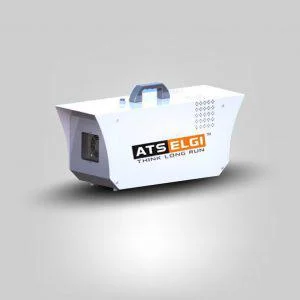
Air purifiers and health gadgets are devices designed to improve indoor air quality and promote health. An air purifier works by filtering out pollutants, allergens, and other harmful particles from the air, creating a cleaner and healthier environment. Health gadgets encompass a broader range of devices, including air quality monitors and other health-focused technology that support well-being.
These products find primary applications in various business settings, including offices, healthcare facilities, educational institutions, and industrial environments. They are essential for maintaining a safe indoor atmosphere, particularly in areas where air quality can directly impact health and productivity. In the current market context, the demand for air purifiers and health gadgets has surged due to rising awareness about air pollution and its effects on health.
The relevance of these products in multiple industries cannot be overstated. As businesses increasingly prioritize employee wellness and health standards, the air purifier and health gadget market continues to grow. This growth is driven by regulatory pressures, consumer demand for healthier environments, and ongoing technological advancements in air purification.
𝗞𝗲𝘆 𝗙𝗲𝗮𝘁𝘂𝗿𝗲𝘀 𝗮𝗻𝗱 𝗦𝗽𝗲𝗰𝗶𝗳𝗶𝗰𝗮𝘁𝗶𝗼𝗻𝘀
Air purifiers and health gadgets come with a range of features that enhance their effectiveness and usability. Understanding these specifications is crucial for businesses looking to invest in these products.
Key specifications include:
1. Filtration System
- High-efficiency particulate air (HEPA) filters capture 99.97% of particles as small as 0.3 microns.
- Carbon filters help reduce odors and volatile organic compounds (VOCs).
2. Air Change Rate
- Indicates how often the air purifier can completely filter the air in a specific space, measured in air changes per hour (ACH).
- Higher ACH rates indicate more effective air purification.
3. Noise Levels
- Measured in decibels (dB), lower noise levels are preferable for quieter environments.
- Ideal options range from 20 dB (whisper-quiet) to 60 dB (normal conversation levels).
4. Coverage Area
- The square footage the device can effectively purify, typically ranging from 200 to 1,500 square feet.
- Larger units are suitable for more expansive spaces.
5. Energy Efficiency
- Energy Star ratings indicate lower energy consumption, which is crucial for long-term operational costs.
- Units should ideally consume less than 50 watts of power.
6. Smart Features
- Wi-Fi connectivity allows for remote monitoring and control via smartphone apps.
- Real-time air quality monitoring provides data on current air quality levels.
7. Maintenance Indicators
- Alerts for filter replacement and maintenance ensure optimal performance.
- Easy-access filter compartments make replacements user-friendly.
8. Certifications
- CE marking indicates compliance with European safety and health standards.
- Consideration for additional certifications like Energy Star can support purchasing decisions.
In summary, understanding these specifications helps businesses select the right air purifiers and health gadgets that meet their specific needs, ensuring optimal air quality and health benefits.
𝗖𝗼𝗺𝗺𝗼𝗻 𝗔𝗽𝗽𝗹𝗶𝗰𝗮𝘁𝗶𝗼𝗻𝘀 𝗮𝗻𝗱 𝗨𝘀𝗲 𝗖𝗮𝘀𝗲𝘀
Air purifiers and health gadgets serve a wide variety of industries, each with unique applications.
1. Healthcare: In hospitals and clinics, air purifiers help reduce airborne pathogens, improving patient outcomes and safety.
2. Education: Schools utilize air purifiers to create healthier learning environments, minimizing allergens and improving concentration among students.
3. Hospitality: Hotels and restaurants deploy these devices to enhance guest comfort, ensuring clean air in guest rooms and dining areas.
4. Office Spaces: Businesses implement air purifiers to increase employee productivity and reduce sick days by minimizing exposure to harmful air pollutants.
5. Manufacturing: Factories use air quality monitors to ensure compliance with safety regulations while protecting workers from harmful airborne substances.
6. Retail: Retail stores benefit from improved air quality, enhancing customer experience and satisfaction.
7. Residential: Homeowners increasingly invest in air purifiers to combat allergens and improve indoor air quality, especially in urban areas.
𝗣𝗿𝗼𝗱𝘂𝗰𝘁 𝗩𝗮𝗿𝗶𝗮𝗻𝘁𝘀 𝗮𝗻𝗱 𝗦𝘂𝗯𝗰𝗮𝘁𝗲𝗴𝗼𝗿𝗶𝗲𝘀
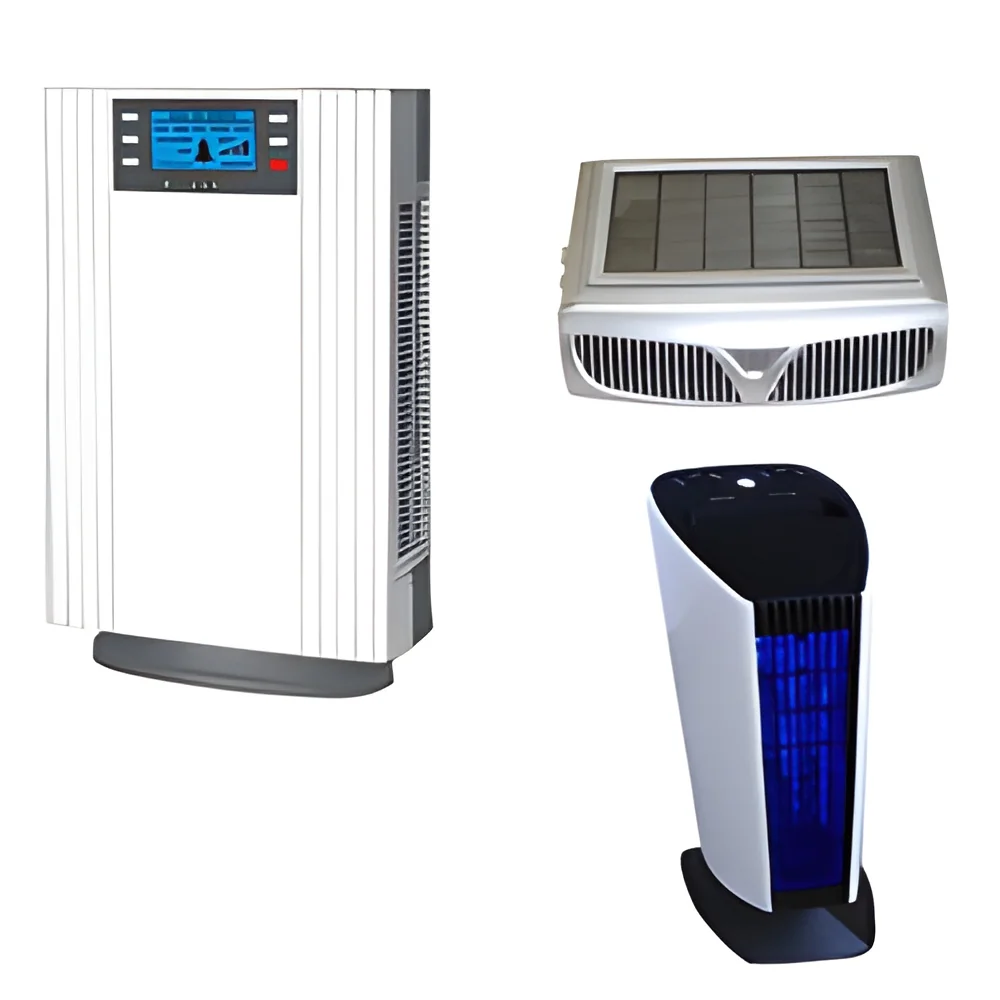
Air purifiers and health gadgets come in various forms to cater to different needs and environments.
Portable Air Purifiers
These compact units are designed for personal use and can be easily moved from one room to another. They are ideal for individuals who need clean air while traveling or in small spaces.
Commercial Air Purifiers
Larger and more powerful, these units are designed to purify the air in extensive areas such as offices and public spaces. They often come with advanced filtration systems and smart features to monitor air quality.
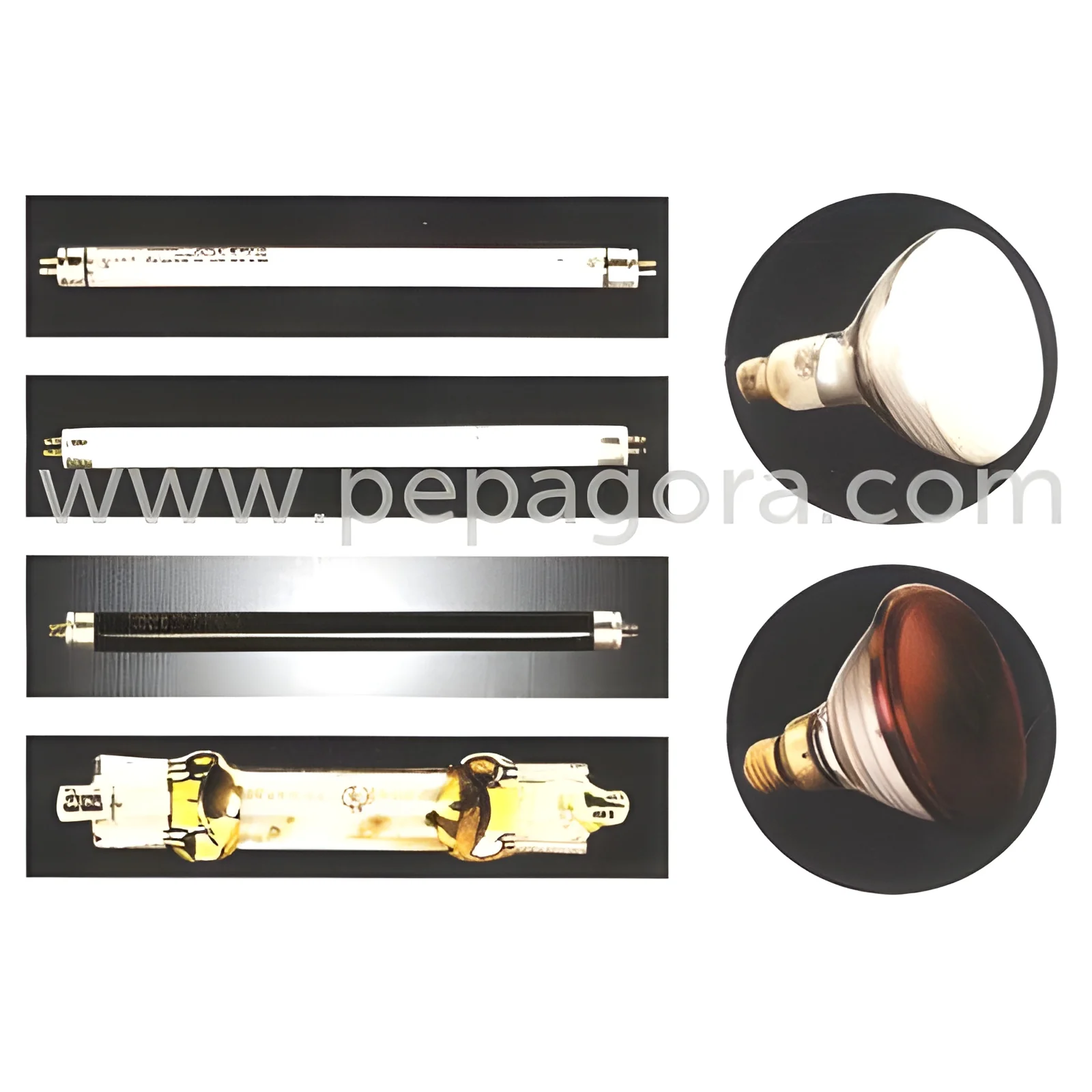
UV-C Air Purifiers
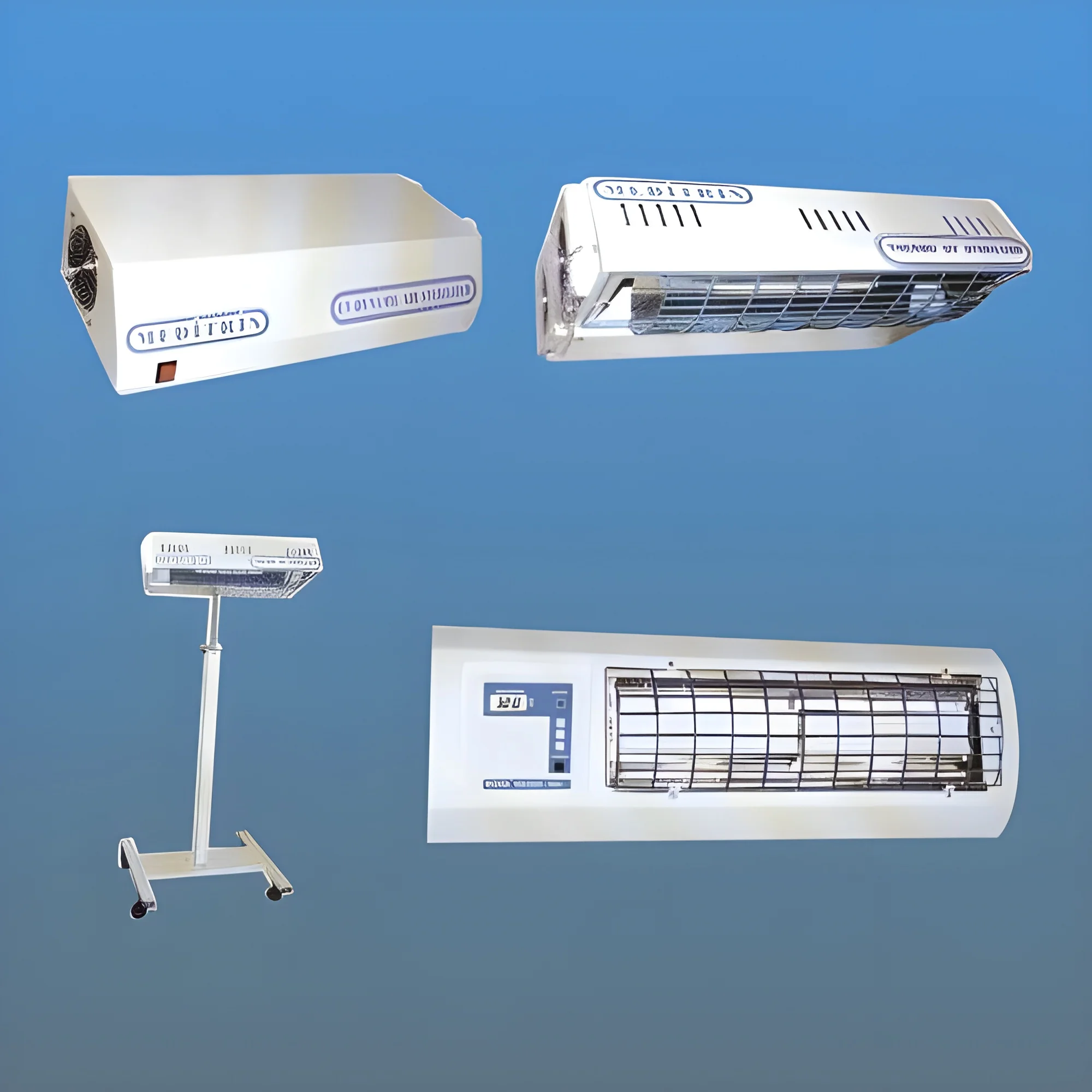
Utilizing ultraviolet light technology, these purifiers are effective in killing bacteria and viruses in the air. They are particularly suited for healthcare environments where maintaining sterile conditions is critical.
HEPA Air Purifiers
Known for their high-efficiency particulate air filters, these purifiers are favored for their ability to capture fine particles, making them ideal for homes with allergy sufferers.
𝗕𝗲𝗻𝗲𝗳𝗶𝘁𝘀 𝗮𝗻𝗱 𝗔𝗱𝘃𝗮𝗻𝘁𝗮𝗴𝗲𝘀
Investing in air purifiers and health gadgets offers numerous benefits for businesses and organizations.
1. Improved Air Quality: These devices significantly reduce allergens, pollutants, and harmful particles, creating a healthier environment.
2. Enhanced Productivity: Cleaner air leads to improved concentration and productivity among employees, translating to better business outcomes.
3. Health Benefits: Regular use can decrease respiratory issues and allergies, leading to fewer sick days and enhanced overall well-being.
4. Compliance with Regulations: Many industries face strict air quality regulations, and using these gadgets helps ensure compliance.
5. Increased Customer Satisfaction: For businesses in hospitality and retail, clean air enhances the customer experience, leading to increased loyalty and positive reviews.
6. Cost-Effective Solution: While there is an initial investment, the long-term savings on healthcare costs and increased productivity can justify the expense.
𝗕𝘂𝘆𝗶𝗻𝗴 𝗚𝘂𝗶𝗱𝗲 𝗳𝗼𝗿 𝗕𝟮𝗕 𝗕𝘂𝘆𝗲𝗿𝘀
When sourcing air purifiers and health gadgets, businesses should consider several critical factors to make informed decisions.
1. Quality Assessment: Look for products that meet reputable industry standards. Verify the durability and reliability of the devices through product reviews and testimonials.
2. Supplier Verification: Ensure that suppliers have a track record of delivering quality products. Check for certifications and customer feedback to confirm their credibility.
3. Pricing and MOQ: Understand the pricing structure and any minimum order quantities (MOQ) that may apply. Comparing quotes from multiple suppliers can help secure the best deal.
4. Delivery and Lead Times: Assess the logistics and delivery options offered by suppliers. Timely delivery is essential for businesses that depend on these devices.
5. Compliance Requirements: Be aware of any regulatory requirements related to air quality in your industry. Ensure that the products sourced meet all relevant compliance standards.
𝗖𝗼𝗺𝗽𝗹𝗶𝗮𝗻𝗰𝗲 𝗮𝗻𝗱 𝗖𝗲𝗿𝘁𝗶𝗳𝗶𝗰𝗮𝘁𝗶𝗼𝗻𝘀
Air purifiers and health gadgets must adhere to various quality standards and certifications to ensure safety and efficacy.
Relevant quality standards such as ISO 9001 focus on quality management systems and are essential for manufacturers to guarantee consistent product quality. HACCP (Hazard Analysis Critical Control Point) is also relevant, particularly in industries like food safety where air quality can impact product integrity.
Industry certifications such as CE signify that a product meets European health, safety, and environmental protection standards. This certification is crucial for gaining access to certain markets and ensuring consumer trust.
Safety and testing requirements are paramount, with many products undergoing rigorous evaluations to verify their effectiveness in removing harmful particles from the air.
Regional compliance considerations are essential, especially in diverse markets like India, GCC, and Southeast Asia. Adhering to local regulations can vary significantly, and it is vital for businesses to ensure that products are compliant with the specific requirements of their operating regions.
𝗪𝗵𝘆 𝗦𝗼𝘂𝗿𝗰𝗲 𝗔𝗶𝗿 𝗣𝘂𝗿𝗶𝗳𝗶𝗲𝗿𝘀 & 𝗛𝗲𝗮𝗹𝘁𝗵 𝗚𝗮𝗱𝗴𝗲𝘁𝘀 𝗳𝗿𝗼𝗺 𝗣𝗲𝗽𝗮𝗴𝗼𝗿𝗮?
Pepagora offers a reliable platform for sourcing air purifiers and health gadgets, providing several advantages to B2B buyers.
Verified Supplier Network: Pepagora has a robust network of verified suppliers, ensuring that buyers can trust the quality and authenticity of the products they purchase. This network helps to mitigate risks associated with sourcing.
Streamlined RFQ Process: The Request for Quotation (RFQ) process at Pepagora is designed to be user-friendly and efficient. Buyers can easily submit their requirements and receive competitive quotes from multiple suppliers, saving time and effort.
Trade Assurance and Support: Pepagora provides trade assurance, offering protection for buyers against potential issues during the purchasing process. This support can give buyers peace of mind when making significant investments.
Regional Coverage: With a presence in India, GCC, and Southeast Asia, Pepagora caters to a diverse range of markets. This geographic reach allows buyers to access products tailored to their specific regional needs while benefiting from local suppliers.

 IN
IN