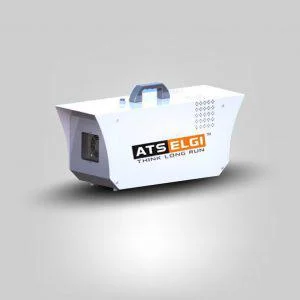
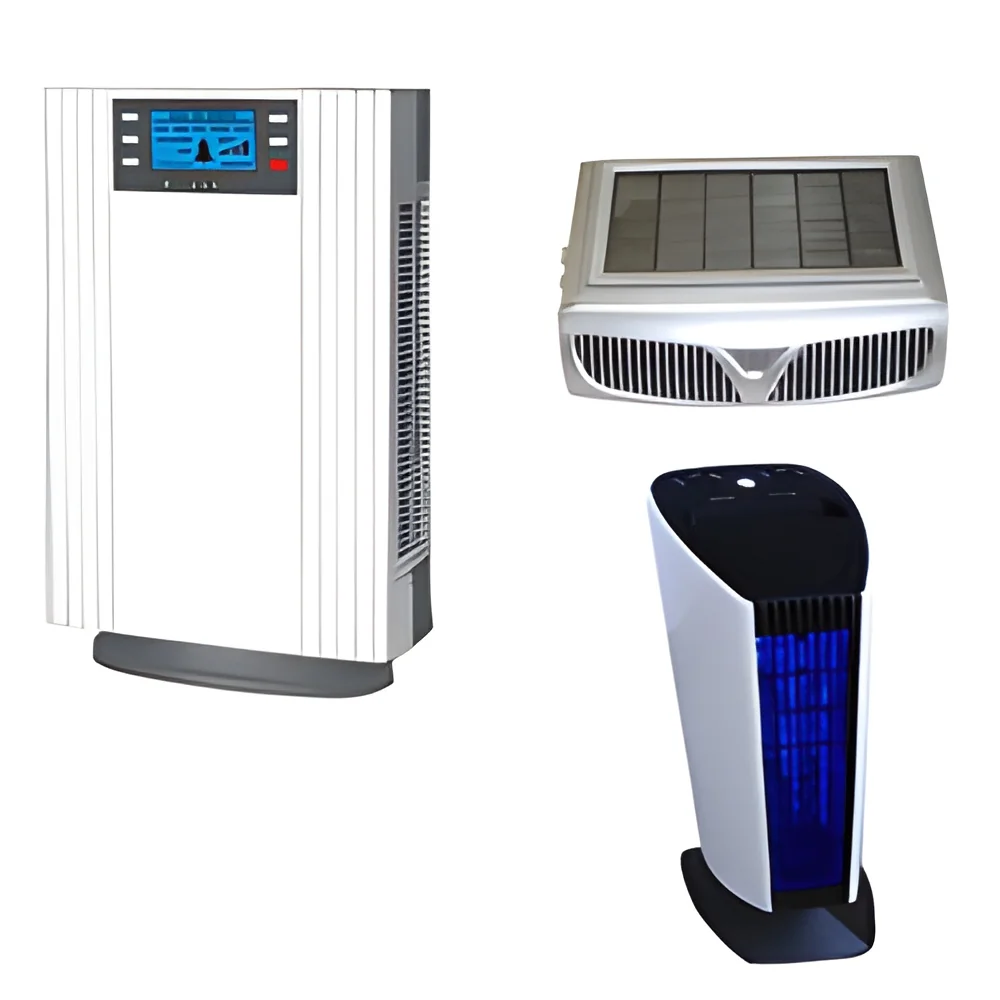
What are Ionic Air Purifiers?
Ionic air purifiers are advanced air cleaning devices that utilize ionization technology to improve indoor air quality. These purifiers work by emitting negatively charged ions into the air, which attract and neutralize airborne particles such as dust, pollen, smoke, and other pollutants. As these particles clump together due to the ionization process, they become heavier and fall to the ground or get trapped in filters, resulting in cleaner air.
Ionic air purifiers are primarily used in residential, commercial, and industrial settings to enhance air quality and create healthier environments. Businesses often deploy these purifiers in offices, healthcare facilities, and educational institutions to reduce allergens and harmful microorganisms. The increasing awareness of indoor air quality's impact on health has led to a growing demand for ionic air purifiers across various industries, making them a relevant choice in today's market.
Key Features and Specifications
Ionic air purifiers come with a variety of features that cater to different air purification needs. These features enhance their effectiveness and usability in various environments. Below are some key specifications that potential buyers should consider.
Key specifications include:
1. Airflow Rate
- Measures the volume of air processed by the purifier, typically expressed in cubic feet per minute (CFM).
- Higher airflow rates indicate faster air cleaning.
2. Coverage Area
- Indicates the maximum space the purifier can effectively clean, generally measured in square feet (sq. ft.).
- Larger coverage areas are suitable for open spaces.
3. Power Consumption
- Refers to the amount of electricity the unit uses, measured in watts (W).
- Efficient models use less power while maintaining performance.
4. Noise Level
- Measured in decibels (dB), this specification indicates how loud the unit operates.
- Quieter models are preferable for office and residential use.
5. Filter Type
- Identifies the type of filtration system used, such as HEPA, activated carbon, or pre-filters.
- Different filters target specific contaminants.
6. Maintenance Frequency
- Indicates how often filters need to be replaced or cleaned.
- Regular maintenance is essential for optimal performance.
7. Control Features
- Includes smart technology options like remote control, app connectivity, or air quality sensors.
- Advanced control features enhance user convenience.
8. Certification
- Indicates compliance with safety and performance standards, such as CE certification.
- Certifications assure buyers of the product's reliability.
In summary, understanding these key features and specifications will help businesses select the most suitable ionic air purifiers for their specific needs.
Common Applications and Use Cases
Ionic air purifiers have versatile applications across various industries, making them essential for maintaining healthy environments.
1. Healthcare: Hospitals and clinics use ionic air purifiers to reduce airborne pathogens and allergens, promoting a sterile environment for patients and staff.
2. Education: Schools and universities deploy these purifiers in classrooms and auditoriums to improve air quality and enhance student concentration and well-being.
3. Hospitality: Hotels and restaurants utilize ionic air purifiers to create a comfortable atmosphere for guests by reducing odors and airborne irritants.
4. Manufacturing: Factories employ these purifiers in production areas to minimize dust and other particulate matter, ensuring a safer workspace for employees.
5. Commercial Offices: Businesses install ionic air purifiers to improve employee health and productivity by providing cleaner air in workplaces.
6. Residential: Homes benefit from ionic air purifiers by reducing allergens, smoke, and odors, contributing to a healthier living environment.
7. Retail: Stores and shopping centers use these devices to enhance customer experience by maintaining a fresh and clean air quality.
Product Variants and Subcategories
While specific product variants for ionic air purifiers are not available, they can be categorized based on features and intended use.
Portable Ionic Air Purifier
This variant is designed for personal use and is compact enough to be moved easily. Ideal for use in small spaces like cars or offices, it provides efficient air purification on the go.
Commercial Ionic Air Purifier
Tailored for larger spaces, these purifiers are built to handle higher volumes of air and often come with advanced features like smart controls and industrial-grade filters. They are ideal for use in offices, schools, and healthcare facilities.
Whole-House Ionic Air Purifier
These systems are integrated into the HVAC system of a building, providing comprehensive air purification throughout the entire space. They are suitable for homes and large commercial buildings.
Benefits and Advantages
Ionic air purifiers offer several significant advantages that make them a valuable investment for businesses.
1. Improved Air Quality: Ionic air purifiers effectively reduce airborne pollutants, making the air cleaner and healthier to breathe.
2. Allergen Reduction: These devices help minimize allergens, which is especially beneficial for individuals with respiratory conditions or allergies.
3. Odor Elimination: Ionic technology neutralizes odors from cooking, pets, and smoke, creating a fresher indoor environment.
4. Low Maintenance: Many ionic air purifiers require minimal filter replacements, reducing the overall maintenance effort and cost.
5. Energy Efficiency: These purifiers often consume less power compared to traditional models, leading to lower energy bills.
6. Quiet Operation: Most ionic air purifiers operate quietly, making them suitable for use in sensitive environments like offices and bedrooms.
Buying Guide for B2B Buyers
When sourcing ionic air purifiers, B2B buyers should consider several essential factors to ensure they make informed purchasing decisions.
1. Quality Assessment: Evaluate the build quality and performance of the unit. Look for purifiers with certifications and a solid reputation in the market.
2. Supplier Verification: Vet potential suppliers by checking their credentials, customer reviews, and product offerings to ensure reliability and trustworthiness.
3. Pricing and MOQ: Consider pricing structures, including discounts for bulk orders, and understand the minimum order quantity (MOQ) that may apply.
4. Delivery and Lead Times: Assess the supplier's logistics capabilities to ensure timely delivery of the products to meet your operational needs.
5. Compliance Requirements: Ensure that the purifiers meet relevant regulatory standards and certifications for safety and performance in your region.
Compliance and Certifications
Ionic air purifiers must adhere to various compliance and certification standards to assure buyers of their safety and efficiency. Key standards include ISO 9001, which focuses on quality management systems, ensuring that the manufacturing processes meet high-quality benchmarks.
Additionally, the CE certification indicates that the product meets European safety and environmental requirements. This certification is essential for gaining market access in Europe and signifies compliance with relevant directives.
Safety and testing requirements are crucial in the manufacturing of ionic air purifiers, ensuring they do not emit harmful substances or pose risks to users. It is also important for manufacturers to keep abreast of regional compliance considerations, which may vary from one market to another, affecting the overall marketability of the product.
Why Source Ionic Air Purifiers from Pepagora?
Pepagora provides a trusted platform for sourcing ionic air purifiers, offering several key advantages to buyers looking for high-quality air purification solutions.
Verified Supplier Network: Pepagora ensures that all suppliers in its network are thoroughly vetted. This process guarantees that buyers can trust the quality and reliability of the products they purchase.
Streamlined RFQ Process: The platform simplifies the request-for-quotation process, allowing buyers to easily compare prices and specifications from multiple suppliers. This feature helps businesses make informed decisions quickly.
Trade Assurance and Support: Pepagora offers trade assurance, providing buyers with protection against potential issues. This support enhances confidence when sourcing products.
Regional Coverage: With a presence in India, the GCC, and Southeast Asia, Pepagora facilitates access to a wide range of suppliers and products, making it easier for businesses to find the right ionic air purifiers for their needs.

 IN
IN