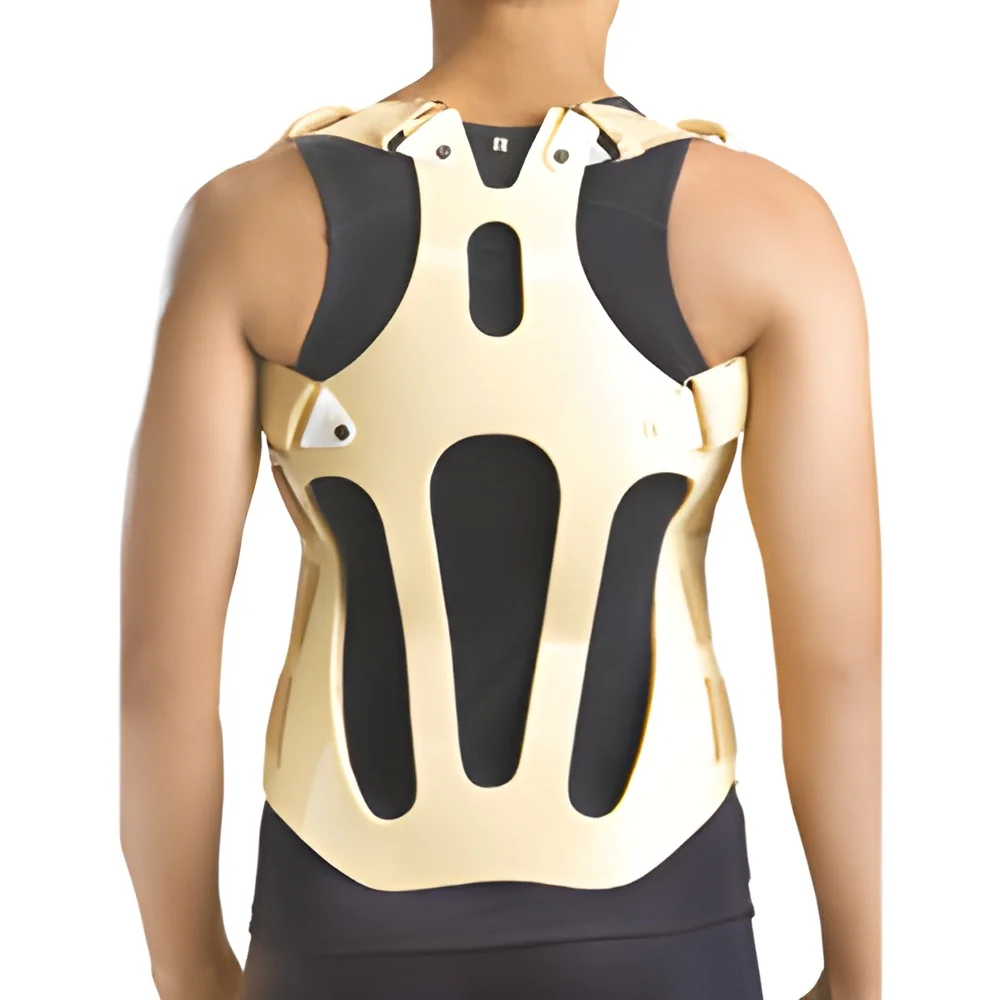
What are Posture Correction Devices?
Posture Correction Devices are specialized tools designed to assist individuals in maintaining proper posture while sitting, standing, or engaging in other activities. These devices can range from simple back braces to more advanced wearable technology that provides feedback on body positioning. The primary function of these devices is to mitigate the adverse effects of poor posture, which can lead to various health issues, including back pain, neck strain, and other musculoskeletal disorders.
In a business context, Posture Correction Devices are utilized in various sectors, particularly those that involve prolonged sitting, such as office environments, manufacturing, and healthcare. Companies are increasingly aware of the importance of employee well-being and productivity, leading them to integrate these devices into workplace wellness programs. This growing focus on ergonomics underscores the relevance of posture correction solutions in the market.
Key Features and Specifications
Posture Correction Devices come equipped with various features that enhance their effectiveness and usability. Understanding these specifications is essential for businesses looking to invest in these products.
Key specifications include:
1. Material Composition
- Typically made from breathable, durable fabrics
- Ensures comfort and longevity with daily use
2. Adjustability
- Many devices are adjustable to fit different body types
- Allows for customized support and comfort
3. Size Range
- Available in multiple sizes to accommodate various users
- Ensures proper fit for effective posture correction
4. Support Level
- Varies from light to firm support options
- Tailored for different user needs and preferences
5. Wearable Technology
- Some devices may include sensors for real-time feedback
- Encourages users to maintain proper posture throughout the day
6. Ease of Use
- Many devices are designed for quick and easy application
- Promotes user compliance and consistent use
7. Portability
- Lightweight and compact designs for easy transport
- Suitable for use at home, in the office, or on the go
In summary, selecting the right Posture Correction Device involves understanding these specifications to match the needs of users effectively.
Common Applications and Use Cases
Posture Correction Devices find applications across various industries, addressing specific requirements unique to each sector.
1. Office Environments: Employees spending long hours at desks benefit from posture correction to reduce discomfort and enhance productivity.
2. Manufacturing: Workers involved in repetitive tasks can use these devices to prevent musculoskeletal injuries.
3. Healthcare: Medical professionals often recommend posture correction devices to patients suffering from back and neck pain.
4. Education: Students can utilize these devices to promote better posture during long study sessions.
5. Fitness: Athletes may adopt posture correction solutions to improve performance and reduce injury risk during training.
6. Transportation: Drivers and pilots can employ these devices to maintain posture during extended periods of sitting.
7. Retail: Employees in retail settings can benefit from posture correction devices to alleviate strain from standing for long hours.
Product Variants and Subcategories
Posture Correction Devices come in various forms to meet diverse user needs. Each variant offers unique features tailored for specific applications.
Back Braces: These devices provide firm support to the lower back, helping to alleviate pain and promote proper alignment. They are particularly useful for individuals with existing back issues or those recovering from injuries.
Shoulder Supports: Designed to correct slumped shoulders, these supports gently pull the shoulders back to encourage a more upright posture. They are ideal for office workers and anyone who spends long periods sitting.
Posture Correcting Shirts: These garments integrate support into the fabric itself, providing a discreet way to maintain proper posture while wearing regular clothing. They are suitable for everyday use.
Benefits and Advantages
Posture Correction Devices offer numerous advantages that contribute to overall health and well-being.
Key benefits include:
1. Improved Posture: Regular use helps individuals develop muscle memory for maintaining proper posture.
2. Pain Relief: Alleviates discomfort associated with poor posture, particularly in the back and neck.
3. Enhanced Productivity: Proper posture can lead to increased comfort and focus, boosting workplace efficiency.
4. Injury Prevention: Reduces the risk of musculoskeletal injuries caused by prolonged poor posture.
5. Increased Confidence: Improved posture can lead to greater self-esteem and confidence in personal and professional settings.
6. Easy Integration: Many devices are designed for easy use, making them accessible for users across various environments.
Buying Guide for B2B Buyers
When sourcing Posture Correction Devices, several factors should be considered to ensure the best fit for your organization.
1. Quality Assessment: Evaluate materials and construction to ensure durability and comfort. Look for products that have been tested for effectiveness.
2. Supplier Verification: Research potential suppliers to verify their reputation and reliability. Consider checking customer reviews and industry feedback.
3. Pricing and MOQ: Understand the pricing structure and minimum order quantities to align with your budget and needs.
4. Delivery and Lead Times: Inquire about shipping options and expected delivery times to plan for implementation effectively.
5. Compliance Requirements: Ensure that the devices meet applicable regulatory standards and certifications for safety and performance.
Compliance and Certifications
Posture Correction Devices must adhere to several quality standards and certifications to ensure safety and effectiveness.
Relevant quality standards like ISO 9001 ensure that manufacturers maintain consistent quality management systems. Compliance with these standards signifies that the product has been produced through controlled processes.
Industry certifications, such as CE marking, indicate that the devices meet European health, safety, and environmental protection standards. This certification is crucial for international trade and consumer trust.
Safety and testing requirements are essential to confirm that the devices are safe for user wear. This may involve rigorous testing for durability, comfort, and effectiveness in posture correction.
Regional compliance considerations may vary, so businesses should ensure that the devices meet local regulations in their respective markets.
Why Source Posture Correction Devices from Pepagora?
Pepagora provides a trusted platform for sourcing Posture Correction Devices, offering several key advantages to B2B buyers.
Verified Supplier Network: Pepagora's extensive network of verified suppliers ensures that buyers can trust the quality of the products they purchase. This network also allows for direct communication with manufacturers, facilitating better negotiation and understanding of product features.
Streamlined RFQ Process: The request for quotation (RFQ) process on Pepagora is designed to be user-friendly, allowing buyers to quickly obtain pricing and availability information. This streamlined system saves time and simplifies the procurement process.
Trade Assurance and Support: Pepagora offers trade assurance to protect buyers during transactions, providing peace of mind when sourcing products. This support includes assistance with order fulfillment and dispute resolution.
Regional Coverage: With a strong presence in India, the GCC, and Southeast Asia, Pepagora ensures that businesses can source Posture Correction Devices from a geographically diverse supplier base. This broad reach helps buyers find the right products tailored to their local markets.

 IN
IN