
 IN
Cleaning Trolleys & Carts
2 products available
What are Cleaning Trolleys & Carts?
Cleaning trolleys and carts are essential tools designed to facilitate efficient cleaning in various environments. These mobile units come equipped with compartments and storage options, allowing cleaning personnel to transport necessary supplies, tools, and equipment seamlessly. Their design enhances mobility and organization, enabling staff to carry out cleaning tasks with greater ease and efficiency.
Primarily used in sectors such as hospitality, healthcare, and industrial facilities, cleaning trolleys and carts streamline the cleaning process. They can hold items like mops, brooms, cleaning chemicals, and waste disposal bags, making it easier for workers to maintain cleanliness and hygiene standards. By reducing the time spent retrieving supplies, these carts contribute significantly to overall productivity.
In today's market, cleaning trolleys and carts are increasingly relevant as businesses prioritize hygiene and sanitation. The rise in awareness regarding health standards and cleanliness across various industries has fueled demand for well-designed, functional cleaning solutions. This trend highlights the importance of investing in quality cleaning equipment to ensure a safe and clean environment.
Key Features and Specifications
Cleaning trolleys and carts come with a variety of features that enhance their functionality and usability. When selecting a cleaning trolley, it is crucial to consider specific specifications that align with operational needs.
Key specifications include:
1. Material Construction
- Typically made from durable plastics or stainless steel
- Resistance to corrosion and easy maintenance
2. Storage Capacity
- Designed with multiple shelves and compartments
- Varies from small units for light tasks to larger carts for extensive cleaning operations
3. Mobility Features
- Equipped with swivel wheels for easy maneuverability
- Locking wheels available for stability during use
4. Weight Capacity
- Designed to support a range of weights, generally between 100 to 250 pounds
- Ensures stability while transporting heavy cleaning supplies
5. Ergonomic Design
- Features handles that promote comfortable use
- Reduces strain on users during operation
6. Waste Disposal Options
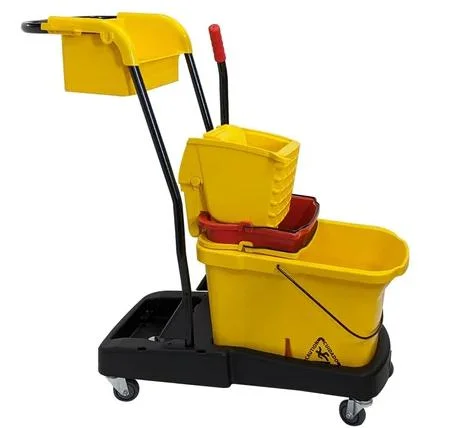
- Often includes a built-in waste bin or bag holder
- Facilitates efficient waste collection and disposal
7. Customization Options
- Some models offer features that allow for personalization
- Tailored options can include specific compartments or branding
8. Color-Coding Systems
- Many carts come with color-coded options to prevent cross-contamination
- Enhances hygiene practices by designating specific cleaning materials for different areas
In summary, understanding the key specifications of cleaning trolleys and carts can significantly aid in selecting the right unit for your business needs. The combination of durability, mobility, and functionality makes these tools indispensable in maintaining cleanliness.
Common Applications and Use Cases
Cleaning trolleys and carts find application across diverse industries, each with specific cleaning needs.
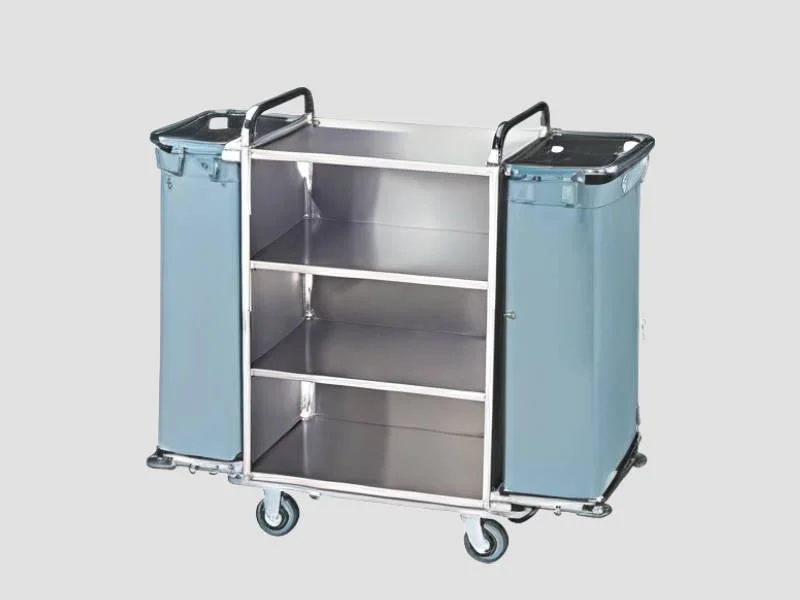
1. Hospitality: In hotels and restaurants, these trolleys are used for housekeeping and maintaining dining areas. They efficiently transport cleaning supplies, linens, and waste materials.
2. Healthcare: Hospitals and clinics utilize cleaning carts for infection control. They help in the organized transport of medical waste and cleaning agents to ensure a sterile environment.
3. Education: Schools and universities employ cleaning carts for regular maintenance of classrooms and facilities. They allow custodial staff to manage cleaning supplies effectively.
4. Manufacturing: In factories, cleaning trolleys are essential for maintaining cleanliness in production areas. They ensure that tools and cleaning materials are readily accessible.
5. Retail: Stores use cleaning carts to keep floors and displays clean. They facilitate quick clean-up during business hours without disrupting customers.
6. Transportation: Airports and bus stations employ cleaning carts for maintaining restrooms and waiting areas, ensuring a pleasant experience for travelers.
7. Office Spaces: Cleaning trolleys are vital for custodial teams in commercial buildings. They provide a streamlined way to manage cleaning supplies while maintaining professional spaces.
Product Variants and Subcategories
Cleaning trolleys and carts come in various configurations to meet diverse operational requirements.
Standard Cleaning Trolley: This variant typically features multiple shelves and compartments for cleaning supplies. It is ideal for general cleaning tasks in hospitality and office environments.
Healthcare Cleaning Cart: Designed specifically for medical settings, this variant includes specialized compartments for handling medical waste and cleaning agents. It ensures compliance with health and safety regulations.
Janitorial Service Cart: This variant is designed for commercial cleaning services. It usually includes a larger capacity for holding multiple cleaning tools and supplies, catering to extensive cleaning operations.
Utility Cart: A more versatile option, utility carts can be used for various purposes including cleaning, transporting goods, or as mobile workstations. They are adaptable to different tasks beyond cleaning alone.
Benefits and Advantages
Cleaning trolleys and carts provide several advantages that enhance operational efficiency.
1. Improved Organization: These carts help keep cleaning supplies organized, reducing time spent searching for items.
2. Enhanced Mobility: With wheels and ergonomic designs, cleaning carts are easy to maneuver, improving workflow during cleaning tasks.
3. Increased Productivity: By facilitating quick access to necessary tools and supplies, cleaning trolleys allow staff to focus on completing tasks efficiently.
4. Hygiene Maintenance: Cleaning carts often come with waste disposal options, promoting better hygiene practices in various settings.
5. Cost-Effectiveness: Investing in quality cleaning trolleys can lead to reduced labor costs and improved cleaning efficiency, resulting in long-term savings.
6. Customization Potential: Many carts can be tailored to meet specific needs, allowing businesses to create solutions that work best for their unique environments.
Buying Guide for B2B Buyers
When sourcing cleaning trolleys and carts, it is essential to consider several critical factors to ensure the right choice for your business.
1. Quality Assessment: Evaluate the materials and construction of the trolley. High-quality materials will ensure durability and longevity under heavy use.
2. Supplier Verification: Ensure that suppliers are reputable and have a history of providing reliable products. Check for customer reviews and industry reputation before making any commitments.
3. Pricing and MOQ: Consider the cost of the trolleys and any minimum order quantities that may apply. Balance quality with budget constraints to find the best options.
4. Delivery and Lead Times: Understand the expected delivery times and logistics involved in transporting the trolleys to your location. This will help in planning your operations effectively.
5. Compliance Requirements: Be aware of any industry-specific regulations regarding cleaning equipment. Ensure that the products meet necessary compliance and safety standards.
Compliance and Certifications
Cleaning trolleys and carts often adhere to various quality standards and regulations that ensure safety and effectiveness in their use. One of the most recognized standards is ISO 9001, which focuses on quality management systems. Compliance with such standards indicates that the manufacturing processes meet international quality benchmarks.
In addition to ISO certifications, cleaning trolleys may also comply with HACCP (Hazard Analysis Critical Control Point) standards, particularly in food service and healthcare environments. This ensures that the equipment used does not pose any risk of contamination.
Industry-specific certifications, such as CE marking, are also essential as they verify that products meet European health, safety, and environmental protection standards. Furthermore, companies must consider regional compliance issues, which may vary depending on local laws and regulations regarding cleaning equipment.
Why Source Cleaning Trolleys & Carts from Pepagora?
Pepagora offers a trusted platform for sourcing cleaning trolleys and carts, providing businesses with several key advantages.
Verified Supplier Network: Pepagora connects buyers with a network of verified suppliers, ensuring that users can access quality products from reputable manufacturers. This verification process enhances confidence in the purchasing decision.
Streamlined RFQ Process: The Request for Quotation (RFQ) system simplifies the procurement process. Buyers can quickly receive quotations from multiple suppliers, allowing for easy comparison and selection based on their specific needs.
Trade Assurance and Support: Pepagora provides trade assurance to protect buyer interests. This includes support during the purchasing process to ensure satisfaction with the selected products.
Regional Coverage: With a strong presence in India, the GCC, and Southeast Asia, Pepagora offers extensive geographic reach. This allows businesses across various regions to source cleaning trolleys and carts tailored to their operational requirements.



Frequently Asked Questions
What are Cleaning Trolleys & Carts?
Cleaning trolleys and carts are mobile units designed for cleaning tasks in various environments such as offices, hospitals, and hotels. They typically include compartments for holding cleaning supplies, tools, and waste, allowing for efficient transportation and organization during cleaning operations.
What are the different types of Cleaning Trolleys & Carts?
There are several types of cleaning trolleys and carts, including janitorial carts, utility carts, and laundry carts. Each type is designed for specific cleaning tasks, with features tailored to the needs of various cleaning environments.
How do I choose the right Cleaning Trolleys & Carts?
When choosing cleaning trolleys and carts, consider the size, weight capacity, and number of compartments you need. It's important to assess the specific cleaning tasks and environments where the trolley or cart will be used to ensure it meets your operational requirements.
What are the standard specifications for Cleaning Trolleys & Carts?
Standard specifications for cleaning trolleys and carts typically include dimensions, weight capacity, material (such as plastic or metal), and number of shelves or compartments. Additionally, features like wheels, handles, and additional storage options are important considerations for functionality.
What is the price range for Cleaning Trolleys & Carts?
The price range for cleaning trolleys and carts can vary widely based on factors such as size, material, and brand. Generally, prices can range from a few thousand to several tens of thousands of Indian Rupees.
What quality standards apply to Cleaning Trolleys & Carts?
Quality standards for cleaning trolleys and carts may include durability, stability, and ease of use. Many manufacturers adhere to industry standards and certifications to ensure their products meet specific safety and performance benchmarks.
Where can I find Cleaning Trolleys & Carts suppliers in India?
You can find cleaning trolleys and carts suppliers in India through B2B marketplaces like Pepagora.com, trade shows, and industry directories. It's advisable to research and compare suppliers to find those that meet your quality and pricing needs.
Can Cleaning Trolleys & Carts be customized?
Yes, many manufacturers offer customization options for cleaning trolleys and carts, allowing you to specify features such as size, color, and additional compartments. Customization can help tailor the trolley to your specific cleaning tasks and operational requirements.
What is the typical minimum order quantity for Cleaning Trolleys & Carts?
The typical minimum order quantity (MOQ) for cleaning trolleys and carts can vary by supplier, but it usually ranges from 5 to 20 units. It's best to check with individual suppliers for their specific MOQ policies.
What is the typical lead time for Cleaning Trolleys & Carts?
The typical lead time for cleaning trolleys and carts can range from 1 to 4 weeks, depending on the supplier and the availability of the product. Custom orders may require additional time for manufacturing and delivery.
Why Businesses Trust Pepagora
Thousands of companies trust Pepagora to source smarter and sell faster
Expand Your Sales Globally

Source Smarter,Grow Faster
