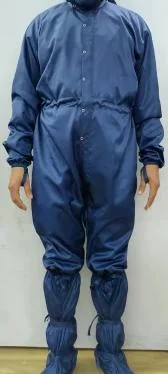
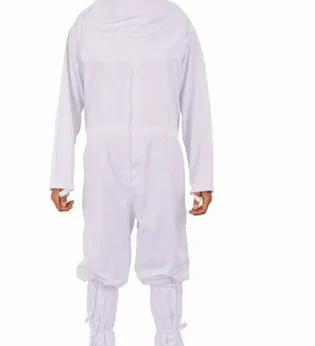
What are Gloves & Cleaning Apparel?
Gloves and cleaning apparel are essential protective gear used across various industries to ensure safety and hygiene. Gloves serve as a barrier between the hand and potentially harmful substances, while cleaning apparel, such as gowns and coveralls, protects the body from contaminants. These products are designed to offer comfort, dexterity, and durability, making them suitable for both industrial and medical environments.
The primary uses of gloves and cleaning apparel include protection against chemicals, biological agents, and other hazardous materials. They are widely used in healthcare settings, laboratories, food processing plants, and manufacturing facilities. Their importance extends beyond safety; they also help maintain cleanliness, which is vital for compliance with industry regulations.
In the current market, gloves and cleaning apparel are increasingly relevant due to heightened awareness of health and safety standards. With industries facing stricter regulations and consumers demanding higher quality, businesses must invest in reliable protective gear to safeguard their employees and ensure operational efficiency. The ongoing global emphasis on workplace safety has further driven the demand for these products.
Key Features and Specifications
Gloves and cleaning apparel come with a variety of features and specifications that cater to different industry needs. Understanding these specifications is crucial when selecting the right products for your business.
Key specifications include:
1. Material Composition
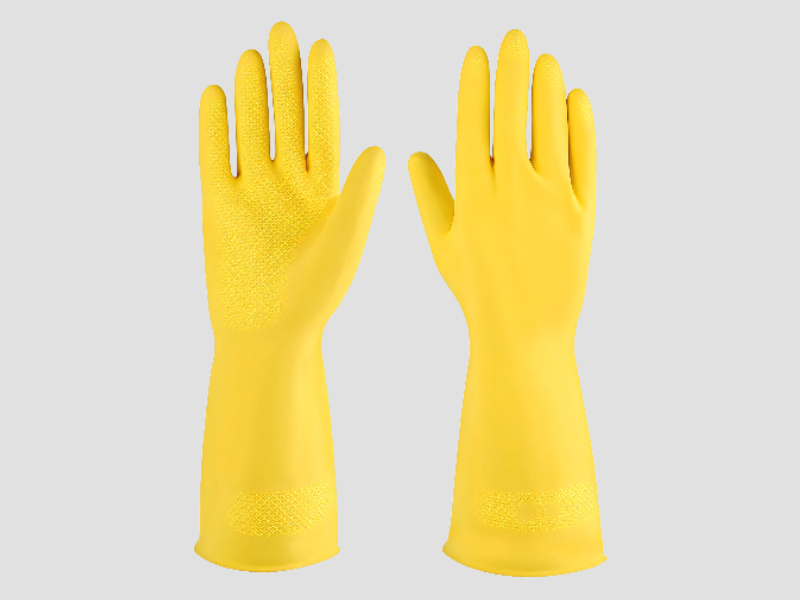
- Common materials include latex, nitrile, vinyl, and polyethylene.
- Each material offers unique properties such as elasticity, chemical resistance, and comfort.
2. Size Options
- Gloves are typically available in various sizes to ensure a proper fit.
- Sizing is crucial for dexterity and comfort, impacting overall performance.
3. Thickness and Strength
- Varies based on intended use, with thicker gloves providing more protection.
- Strength is critical for handling sharp objects or hazardous materials.
4. Puncture and Tear Resistance
- Essential for environments dealing with sharp or abrasive materials.
- Higher resistance ratings indicate enhanced safety.
5. Grip and Texture
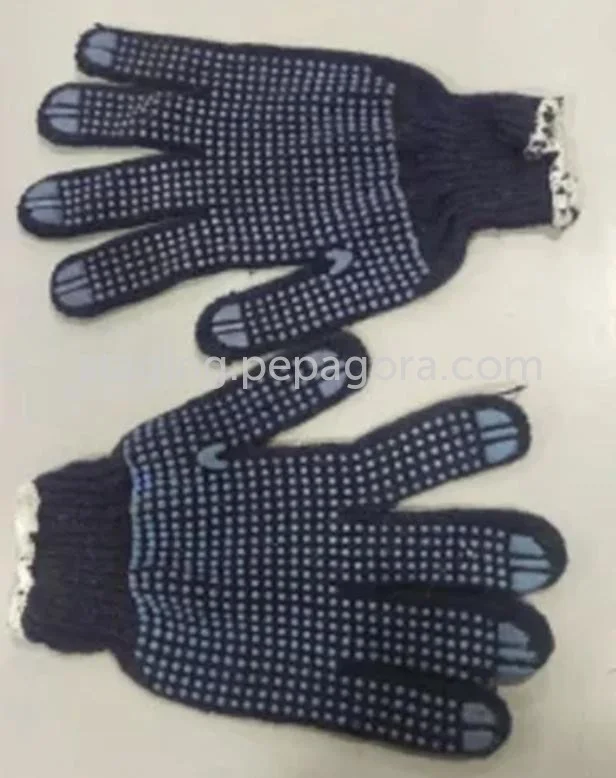
- Textured surfaces offer better grip for handling tools or materials.
- Smooth finishes may be preferred for applications requiring precision.
6. Cleanroom Compatibility
- Some cleaning apparel is designed for cleanroom environments.
- Ensures minimal contamination and meets industry standards.
7. Chemical Resistance Ratings
- Indicates the level of protection against specific chemicals.
- Important for industries such as pharmaceuticals and chemicals.
8. Compliance and Certification
- Products may be certified to various safety standards such as CE.
- Compliance ensures that they meet industry-specific safety requirements.
In summary, selecting the right gloves and cleaning apparel involves understanding these key specifications. This knowledge helps businesses ensure safety and compliance in their operations.
Common Applications and Use Cases
Gloves and cleaning apparel serve various industries, each with specific applications that highlight their importance.
1. Healthcare: In hospitals and clinics, gloves are essential for preventing cross-contamination during medical procedures. Cleaning apparel helps maintain sterile environments.
2. Food Processing: Gloves are used to prevent food contamination during handling. Cleaning apparel protects workers from spills and food residues, ensuring hygiene standards are met.
3. Manufacturing: In factories, gloves protect workers from machinery and hazardous materials. Cleaning apparel is needed to keep employees safe from dust and debris.
4. Pharmaceuticals: Gloves ensure the safe handling of drugs and chemicals, while specialized cleaning apparel maintains a contamination-free environment.
5. Janitorial Services: Cleaning apparel protects workers from exposure to cleaning chemicals and ensures a professional appearance.
6. Research Laboratories: Gloves provide necessary protection against chemicals and biological agents, while cleaning apparel helps maintain sterile conditions.
7. Construction: Gloves protect workers from cuts and abrasions, while cleaning apparel helps to keep clothing clean from dust and dirt.
Product Variants and Subcategories
Gloves and cleaning apparel come in various variants to meet specific industry needs. Each variant offers unique features tailored for different applications.
Disposable Gloves: These gloves are designed for single-use applications, providing convenience and hygiene. They are often used in healthcare, food service, and cleaning industries.
Nitrile Gloves: Known for their chemical resistance and durability, nitrile gloves are ideal for industries handling hazardous materials. They offer excellent tactile sensitivity and puncture resistance.
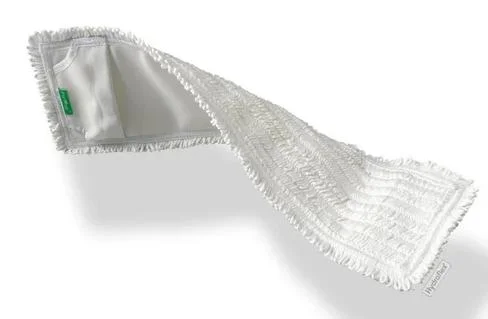
Reusable Cleaning Apparel: This category includes coveralls and gowns designed for multiple uses. They are typically made from durable materials that can withstand repeated washing, making them suitable for various industrial settings.
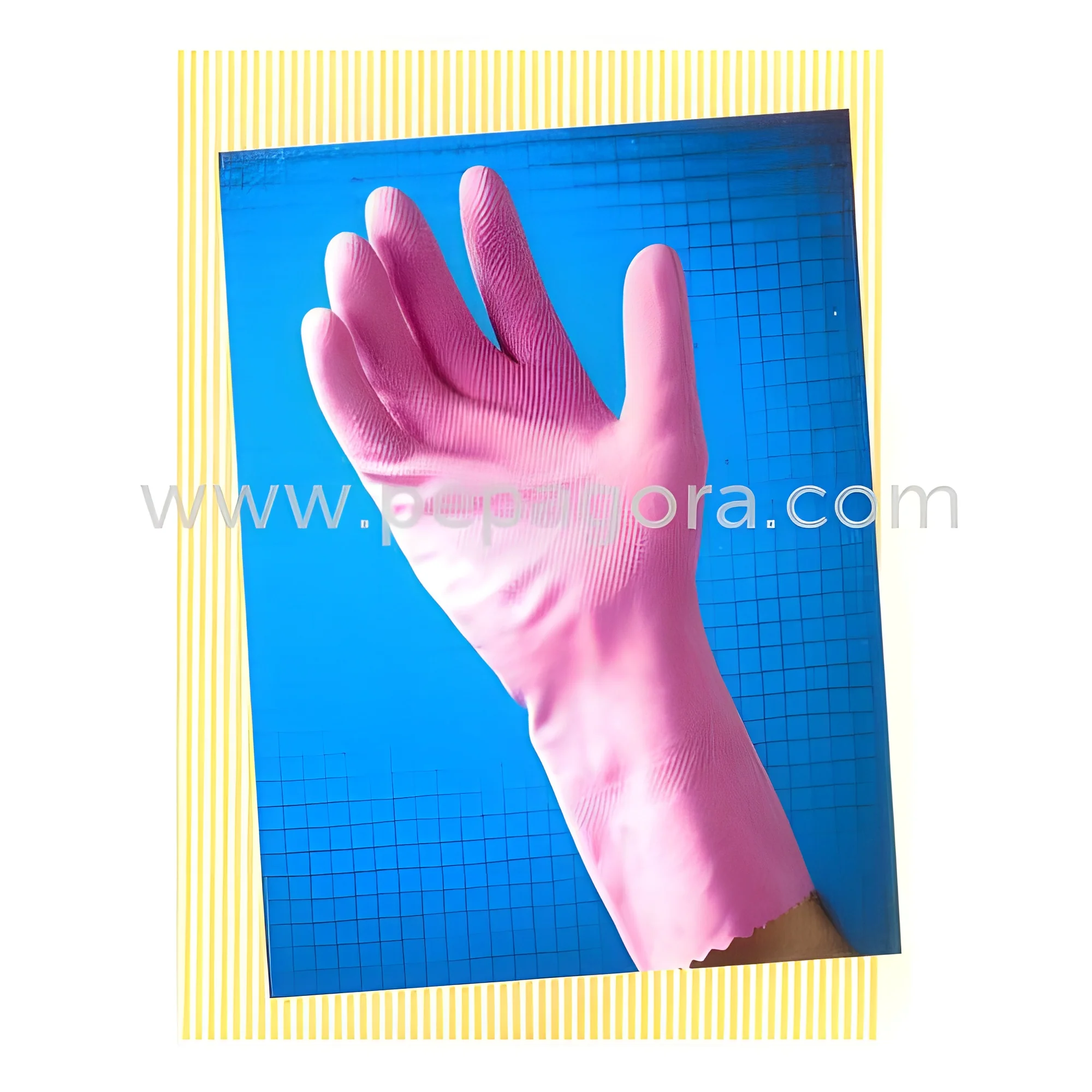
Chemical-Resistant Gloves: Specifically engineered to protect against exposure to harmful chemicals, these gloves are essential in laboratories and manufacturing environments.
Benefits and Advantages
Choosing the right gloves and cleaning apparel offers several key benefits to businesses.
1. Enhanced Safety: Gloves and cleaning apparel provide essential protection against hazardous substances, reducing the risk of workplace injuries.
2. Compliance with Regulations: Using certified protective gear helps businesses meet industry safety standards, avoiding potential fines and legal issues.
3. Increased Productivity: Comfortable and well-fitting gloves allow workers to perform tasks efficiently without compromising safety.
4. Improved Hygiene: In environments like healthcare and food processing, maintaining hygiene is crucial. Proper apparel helps prevent contamination.
5. Cost-Effectiveness: Investing in high-quality gloves and cleaning apparel can reduce the frequency of workplace accidents, leading to lower insurance costs.
6. Versatility: With a range of materials and designs, gloves and cleaning apparel can be adapted for various applications, making them suitable for multiple industries.
Buying Guide for B2B Buyers
When sourcing gloves and cleaning apparel, several factors should be considered to ensure the right choice for your business needs.
1. Quality Assessment: Look for products that meet relevant safety standards and have proven durability. Conduct assessments based on material and manufacturing quality.
2. Supplier Verification: It is important to vet suppliers thoroughly. Check their certifications, customer reviews, and track record in the industry.
3. Pricing and MOQ: Understand the pricing structure and minimum order quantities (MOQ) to ensure that you are getting competitive rates without compromising on quality.
4. Delivery and Lead Times: Consider the logistics involved, including delivery schedules and lead times. Ensure that suppliers can meet your business timelines.
5. Compliance Requirements: Be aware of any regulatory standards that apply to your industry. Ensure that the products you source comply with these regulations to avoid legal issues.
Compliance and Certifications
Compliance and certifications are critical components of gloves and cleaning apparel, ensuring that products meet safety and quality standards.
Relevant quality standards such as ISO 9001 and HACCP ensure that manufacturing processes are controlled and meet high-quality benchmarks. These certifications demonstrate a commitment to quality and safety, which is essential for industries like healthcare and food processing.
Industry certifications, such as CE marking, indicate that products meet European safety and health requirements. This certification is vital for businesses operating in the EU or exporting to European markets.
Safety and testing requirements vary by industry but typically include evaluations for chemical resistance, puncture resistance, and overall durability. Products must undergo rigorous testing to ensure they can withstand intended use in hazardous environments.
Additionally, regional compliance considerations may apply depending on local regulations. Businesses must stay informed about these requirements to maintain compliance and safeguard their operations.
Why Source Gloves & Cleaning Apparel from Pepagora?
Pepagora provides a trusted platform for sourcing gloves and cleaning apparel with several key advantages.
Verified Supplier Network: Pepagora collaborates with a network of verified suppliers, ensuring that businesses have access to quality products. Each supplier is vetted for compliance and reliability.
Streamlined RFQ Process: The platform offers a streamlined Request for Quotation (RFQ) process, allowing buyers to quickly obtain quotations from multiple suppliers. This efficiency helps businesses make informed decisions.
Trade Assurance and Support: Pepagora's trade assurance policies protect buyers against potential issues during transactions. This support fosters confidence in purchasing decisions.
Regional Coverage: With a strong presence in India, the GCC, and Southeast Asia, Pepagora is well-positioned to serve businesses across these regions. This geographic reach ensures that buyers can access local suppliers and timely deliveries.

 IN
IN