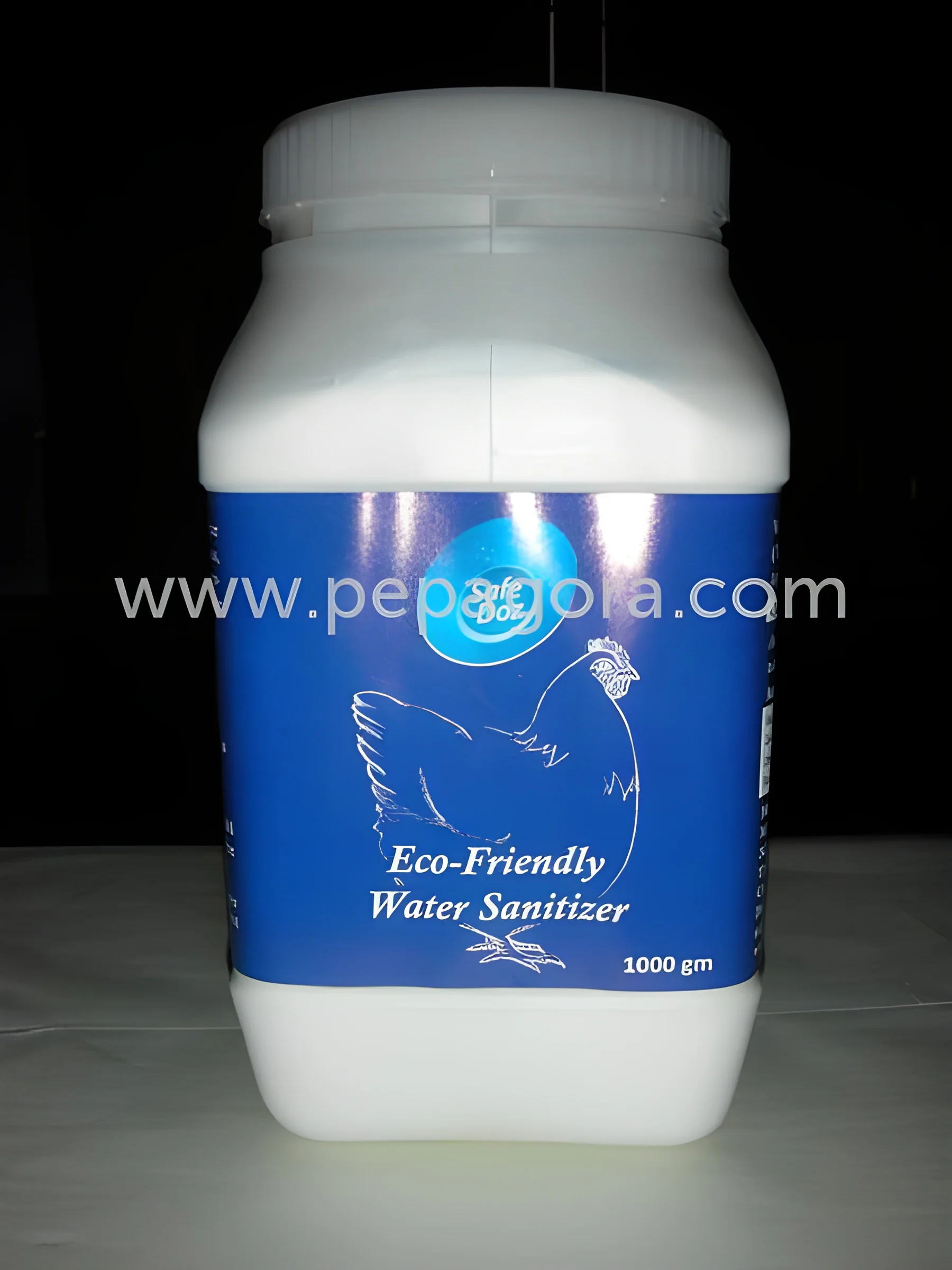
What are Disinfectants & Sanitizers?
Disinfectants and sanitizers are chemical agents designed to eliminate or reduce harmful microorganisms on surfaces and objects. Disinfectants typically contain stronger active ingredients that kill bacteria, viruses, and fungi, making them suitable for high-risk environments. On the other hand, sanitizers focus on reducing the number of germs to a safe level, primarily used in food preparation areas and healthcare settings.
These products find extensive applications across various industries, including healthcare, food service, and manufacturing. In healthcare, disinfectants are crucial in preventing infections in hospitals and clinics. In food service, sanitizers ensure food safety by controlling microbial growth on surfaces and equipment. Manufacturing facilities use these products to maintain cleanliness and hygiene, thereby protecting employees and ensuring product quality.
With the growing awareness of health and safety, the demand for disinfectants and sanitizers has surged. Market trends indicate an increasing focus on environmentally friendly and non-toxic formulations, as businesses strive to create safer environments for employees and customers alike.
Key Features and Specifications
Disinfectants and sanitizers come with various features and specifications that cater to different applications. Understanding these specifications is essential for effective selection and usage.
Key specifications include:
1. Active Ingredients
- Commonly include alcohol, chlorine, quaternary ammonium compounds, or hydrogen peroxide.
- Concentration levels typically range from 60% to 90% for alcohol-based products.
2. Contact Time
- The time required for the product to effectively eliminate pathogens.
- Ranges from 30 seconds to 10 minutes depending on the formulation.
3. Surface Compatibility
- Must be suitable for various surfaces such as plastics, metals, and fabrics.
- Compatibility ensures no damage or degradation occurs upon application.
4. pH Level
- Affects the efficacy and stability of the disinfectant or sanitizer.
- Generally, pH levels range from 6 to 9 for optimal performance.
5. Fragrance
- Some products include fragrances to enhance user experience.
- Fragrance-free options are available for sensitive environments.
6. Shelf Life
- Indicates how long the product remains effective before losing potency.
- Shelf life can vary from one to three years based on formulation and storage conditions.
7. Packaging Options
- Available in various sizes, including spray bottles, bulk containers, and wipes.
- Allows flexibility for different use cases and environments.
8. Certifications
- Many products are certified for effectiveness against specific pathogens.
- Certification ensures compliance with health and safety standards.
In summary, understanding the features and specifications of disinfectants and sanitizers helps businesses choose the right products for their needs, ensuring safety and compliance.
Common Applications and Use Cases
Disinfectants and sanitizers serve various industries, each with unique applications that enhance safety and hygiene.
1. Healthcare: In hospitals and clinics, disinfectants are essential for cleaning surfaces, medical equipment, and patient areas to prevent infections.
2. Food Service: Restaurants and kitchens use sanitizers to maintain food safety standards by disinfecting countertops, utensils, and food preparation areas.
3. Manufacturing: Production facilities implement disinfectants to clean machinery and workspaces, ensuring a safe environment for employees and preventing product contamination.
4. Education: Schools and universities utilize sanitizers to disinfect classrooms, restrooms, and shared spaces, protecting students and staff from illness.
5. Hospitality: Hotels and resorts use disinfectants for cleaning guest rooms and common areas, ensuring a safe and pleasant experience for visitors.
6. Transportation: Public transport systems apply disinfectants to seats, handles, and ticket machines to minimize the spread of germs among commuters.
7. Retail: Stores and shopping centers employ sanitizing solutions to clean surfaces, shopping carts, and checkout areas, enhancing customer safety.
Product Variants and Subcategories
Disinfectants and sanitizers come in various forms, each designed for specific applications and environments.
Liquid Disinfectants: These are versatile solutions that can be sprayed or wiped onto surfaces for effective disinfection. They are commonly used in healthcare and food service industries.
Foam Sanitizers: Designed for easy application, foam sanitizers provide thorough coverage on surfaces. They are often used in restrooms and food preparation areas.
Wipes: Disinfecting wipes offer convenience and portability, making them ideal for quick cleaning in offices and public spaces. They are pre-moistened and ready to use.
Gel Sanitizers: These alcohol-based gels are popular for hand sanitization, especially in healthcare and public settings. They provide effective germ elimination without water.
Benefits and Advantages
Investing in disinfectants and sanitizers provides numerous benefits to businesses and organizations.
1. Enhanced Safety: Disinfectants and sanitizers significantly reduce the risk of infections, promoting a safer environment for employees and customers.
2. Compliance Assurance: Using certified products helps businesses meet health and safety regulations, avoiding potential fines and penalties.
3. Improved Productivity: A clean and sanitized workplace minimizes sick days, allowing employees to remain healthy and productive.
4. Versatile Applications: Disinfectants and sanitizers can be used across various industries, making them essential for diverse business operations.
5. Cost-Effective Solutions: Many products are available in bulk, providing cost savings for businesses that require large quantities for regular use.
6. Positive Brand Image: Maintaining a clean and hygienic environment enhances customer trust and loyalty, contributing to a positive reputation.
Buying Guide for B2B Buyers
When sourcing disinfectants and sanitizers, B2B buyers should consider several critical factors to ensure they make informed decisions.
1. Quality Assessment: Evaluate the quality of products based on active ingredients, certifications, and efficacy against specific pathogens.
2. Supplier Verification: Vet suppliers to ensure they adhere to industry standards and provide reliable products, including checking for certifications and references.
3. Pricing and MOQ: Understand the pricing structure and minimum order quantities to align purchases with budget constraints and operational needs.
4. Delivery and Lead Times: Consider logistics and delivery schedules to ensure timely availability of products, particularly in high-demand situations.
5. Compliance Requirements: Stay informed about regulatory requirements related to disinfectants and sanitizers in your region to ensure compliance with health and safety standards.
Compliance and Certifications
Compliance with relevant quality standards and certifications is crucial for disinfectants and sanitizers. Products may adhere to ISO 9001, ensuring consistent quality management systems. HACCP (Hazard Analysis Critical Control Point) is essential in food-related applications, promoting food safety through systematic controls.
Additionally, CE certification indicates that products meet European health, safety, and environmental protection standards. Businesses must also consider safety and testing requirements to ensure that products are effective and safe for use.
Regional compliance considerations are vital, as regulations may differ across countries and regions. Ensuring that products meet local regulations helps businesses avoid legal issues and ensures consumer safety.
Why Source Disinfectants & Sanitizers from Pepagora?
Pepagora provides a trusted platform for sourcing disinfectants and sanitizers, offering several key advantages for B2B buyers.
Verified Supplier Network: Pepagora ensures that all suppliers are thoroughly vetted, providing buyers with confidence in the quality and reliability of the products. This network includes manufacturers and distributors who comply with industry standards.
Streamlined RFQ Process: The quotation system at Pepagora simplifies the process of obtaining pricing and product information, allowing buyers to compare options quickly and efficiently. This feature reduces the time spent on procurement.
Trade Assurance and Support: Buyers benefit from trade assurance programs that protect their purchases, ensuring that products meet the agreed-upon specifications and quality. Support services are available to address any concerns or issues throughout the purchasing process.
Regional Coverage: With a strong presence in India, GCC, and Southeast Asia, Pepagora offers extensive regional coverage, facilitating access to disinfectants and sanitizers in diverse markets. This geographic reach ensures that buyers can find suitable products for their specific needs.

 IN
IN