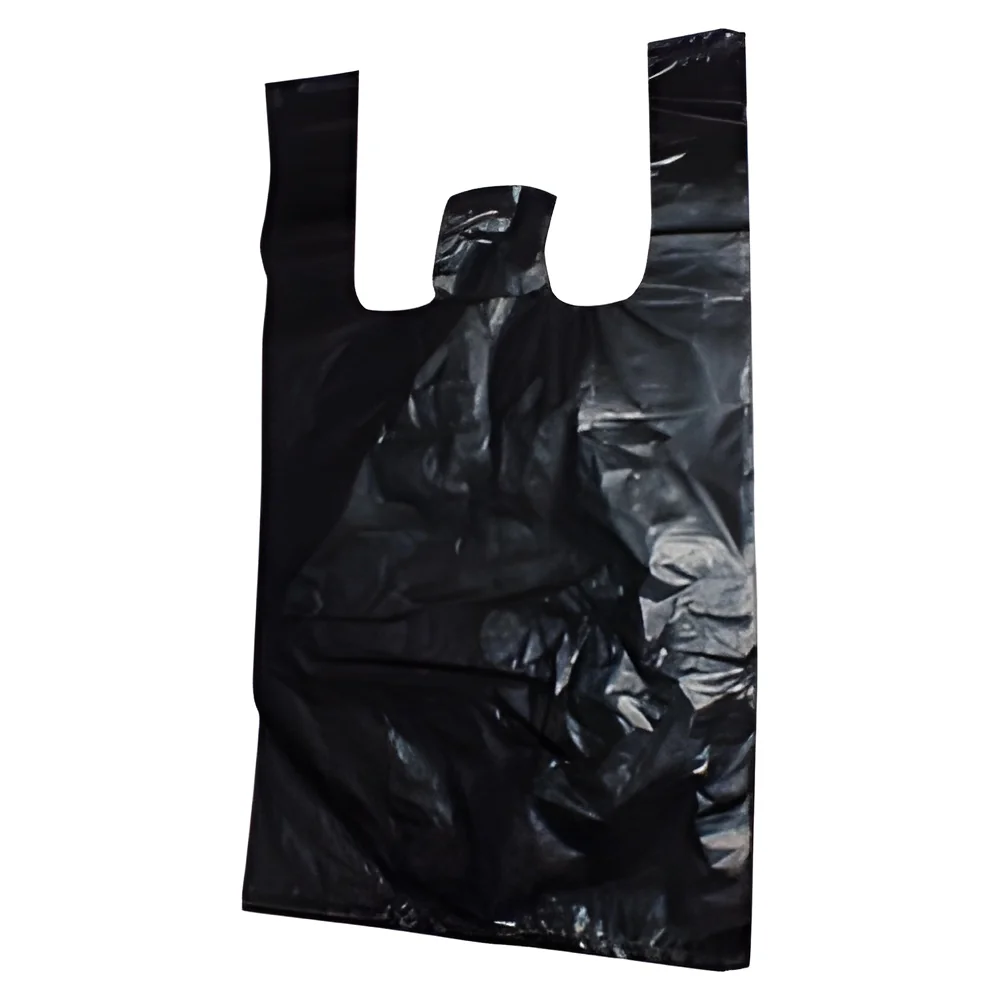
What are Garbage Bags & Liners?
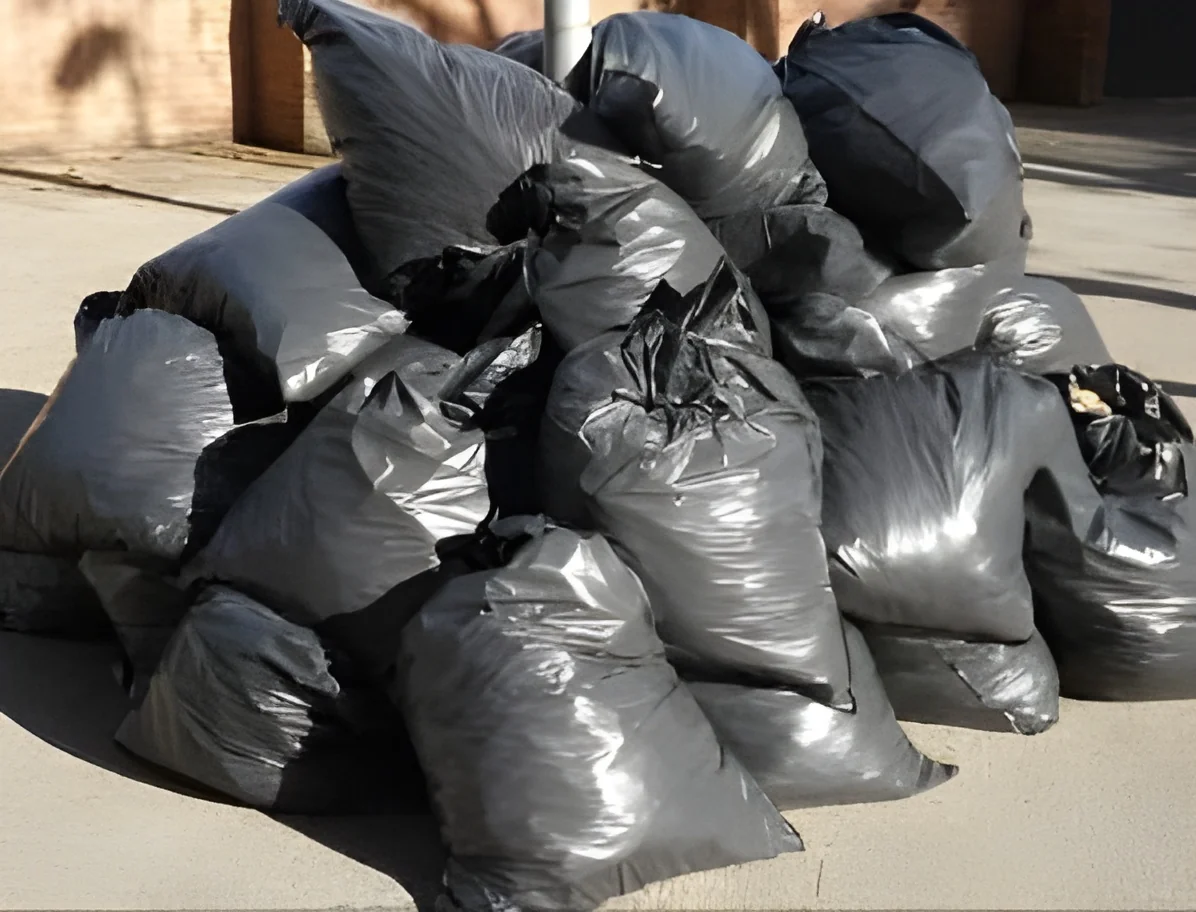
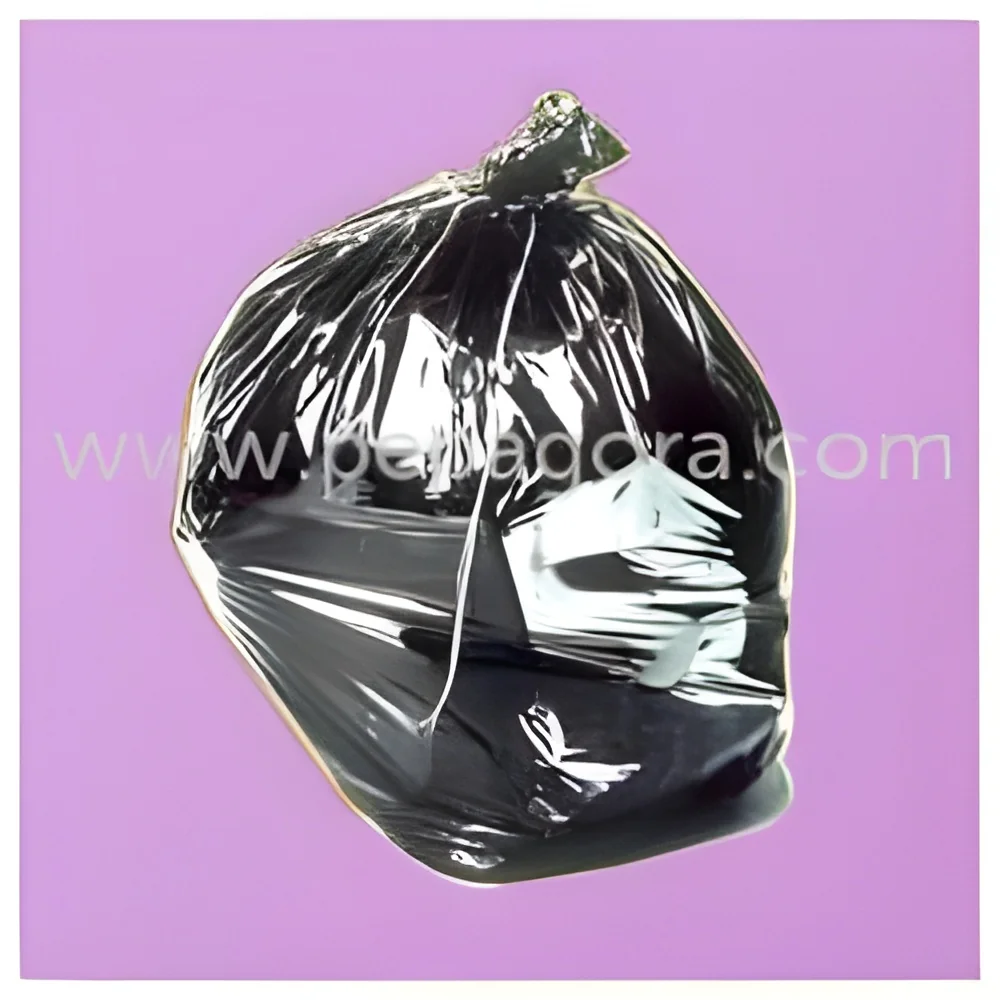
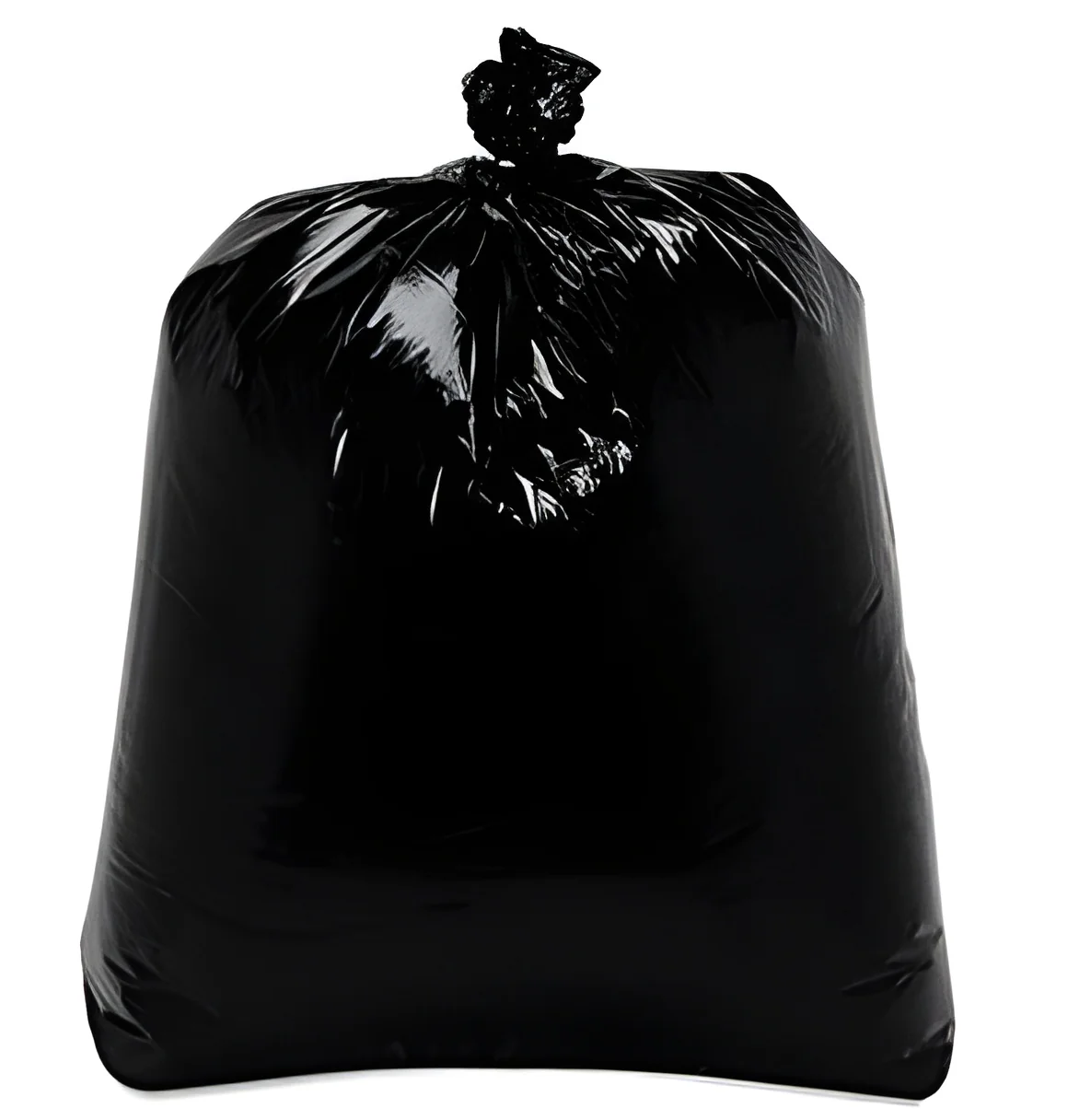
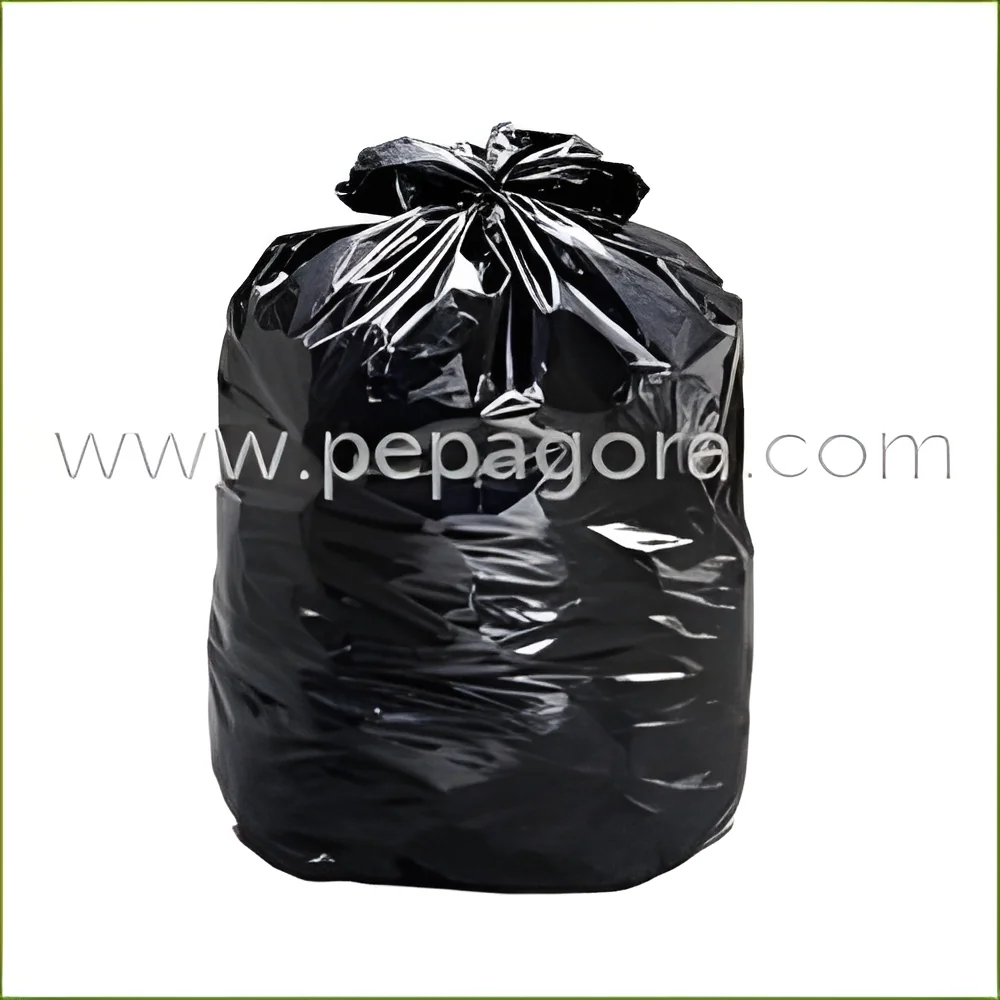
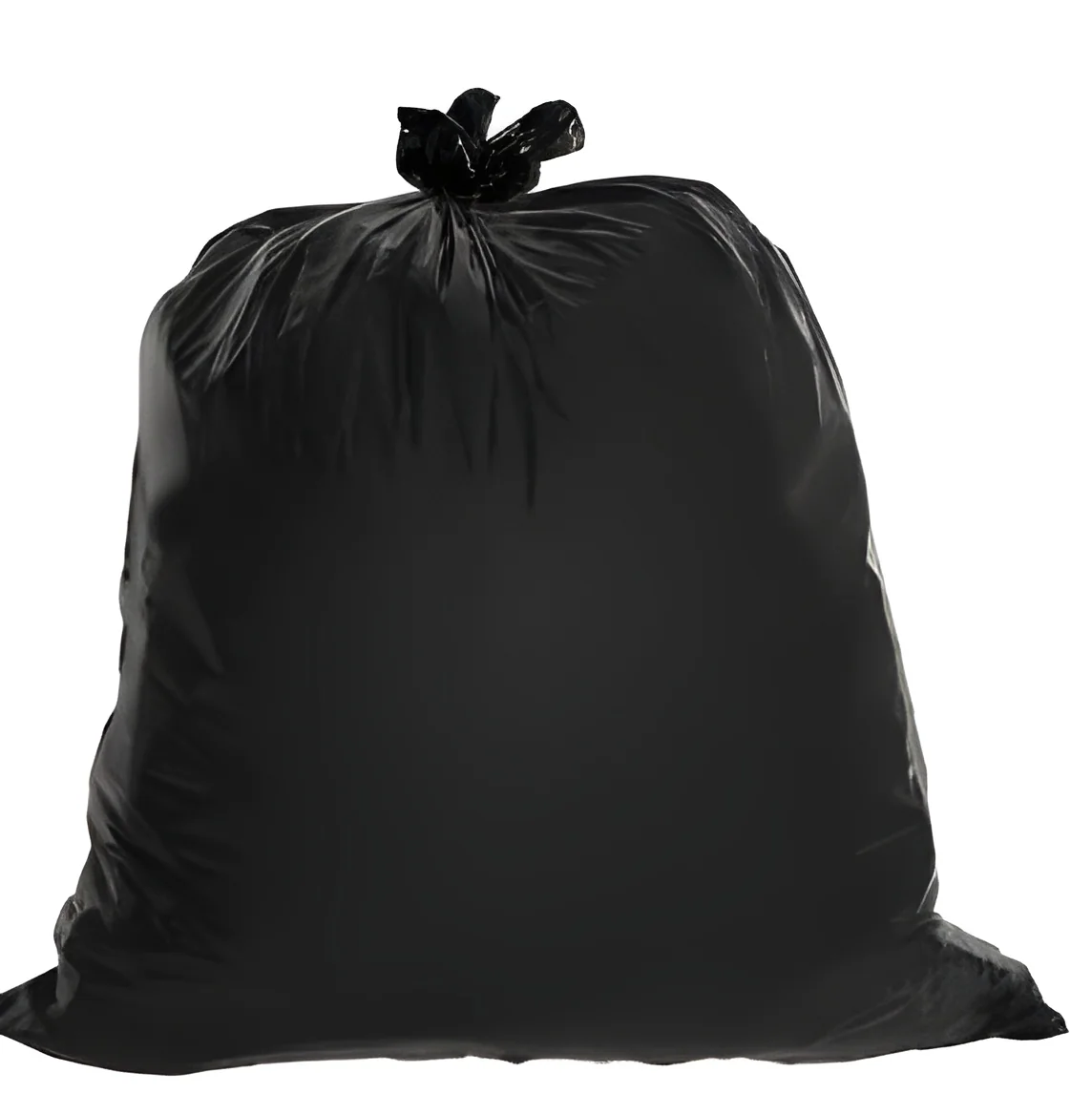
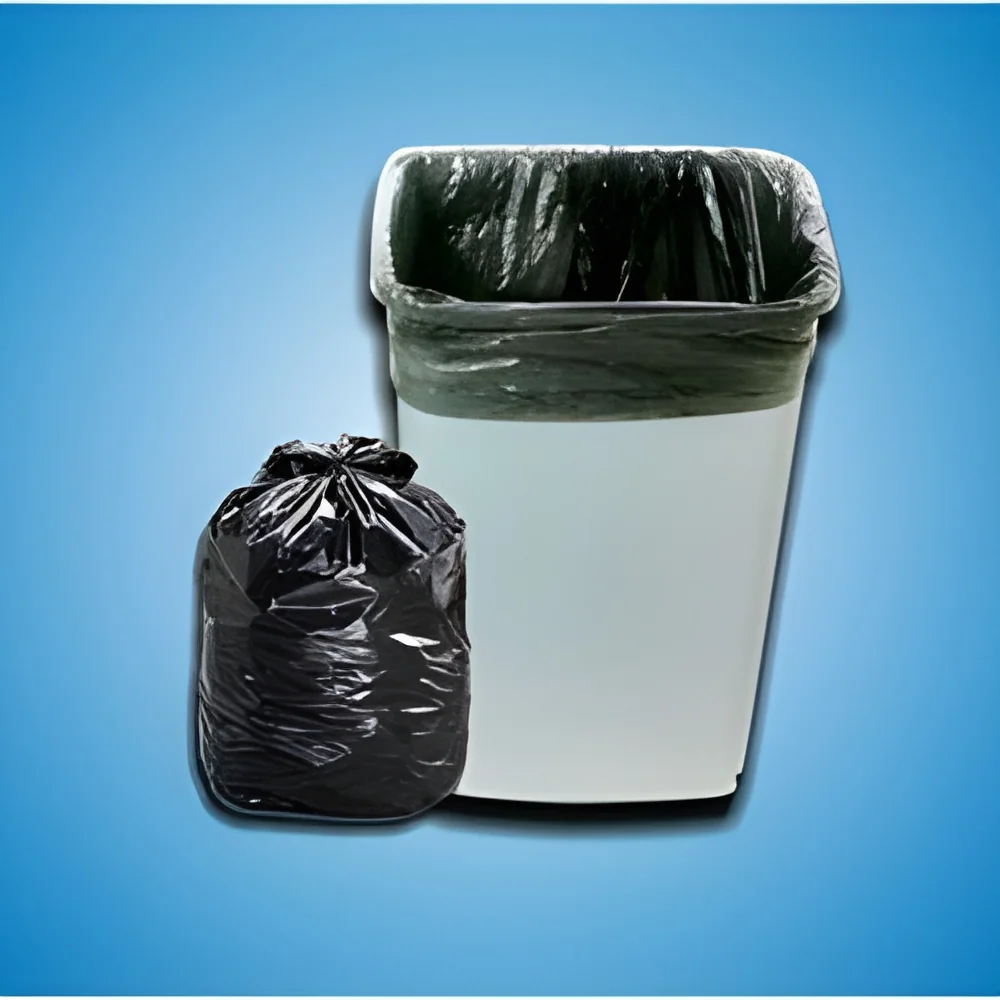
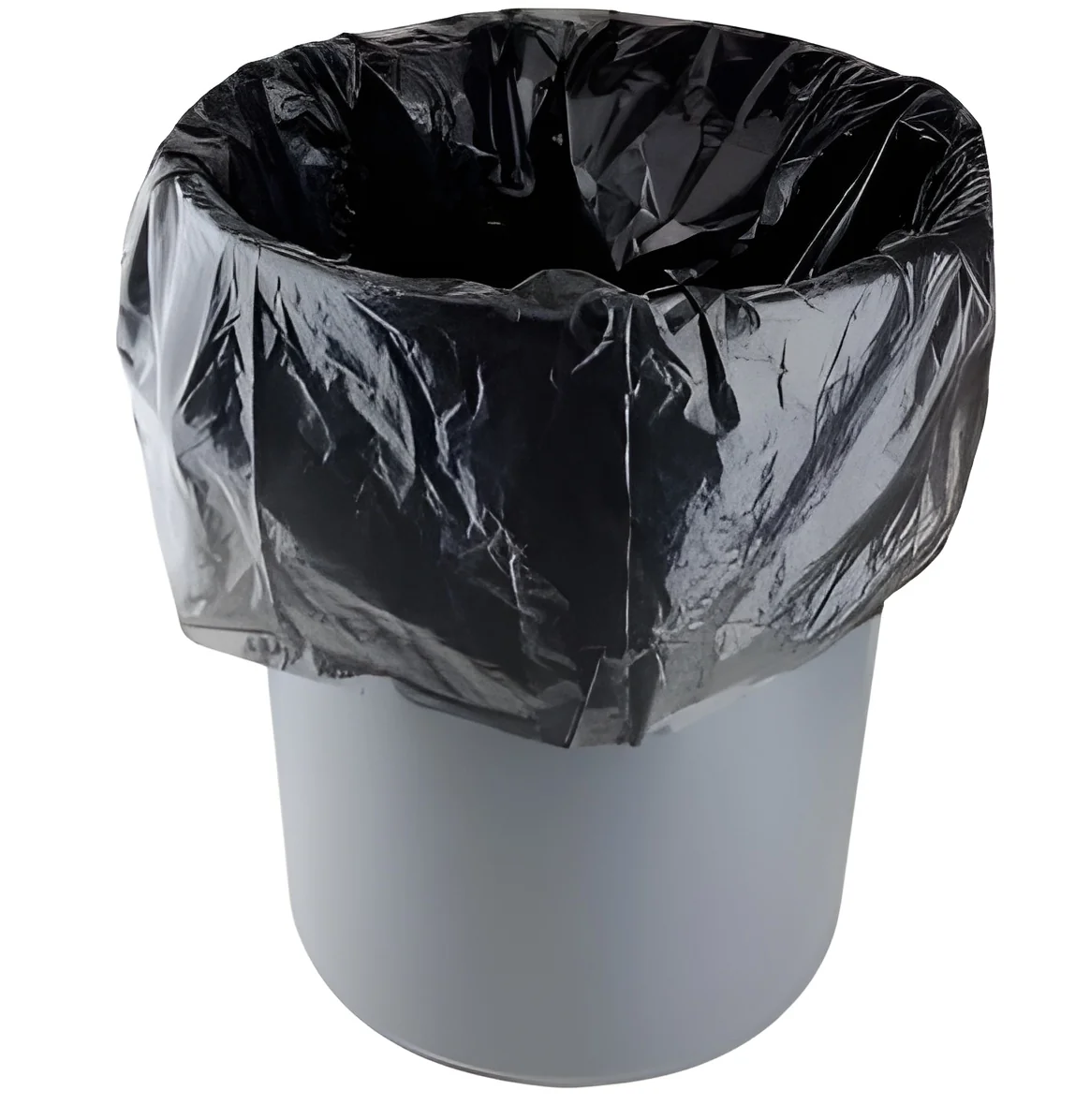
Garbage bags and liners are essential products designed to contain waste and maintain cleanliness in various environments. Typically made from durable plastic materials, these bags are available in different sizes and thicknesses to accommodate various waste disposal needs. Their primary function is to hold trash securely, preventing leaks and spills while simplifying the waste collection process.
Businesses across multiple industries utilize garbage bags and liners for efficient waste management. Common applications include use in offices, restaurants, hospitals, and manufacturing facilities. These products help organizations comply with health and safety regulations while ensuring a hygienic environment. The demand for high-quality garbage bags and liners continues to grow as businesses place greater emphasis on sustainability and waste reduction.
In the current market, garbage bags and liners represent a significant segment of the disposable product industry. With increasing environmental awareness, many manufacturers are innovating to create eco-friendly options. This trend reflects a broader commitment to sustainability and responsible waste management practices across various sectors.
Key Features and Specifications
Garbage bags and liners offer a range of features designed to meet diverse waste disposal needs. Understanding these specifications is crucial for businesses to select the right products.
Key specifications include:
1. Material Type
- Common materials include high-density polyethylene (HDPE) and low-density polyethylene (LDPE).
- These materials vary in strength and thickness, affecting durability and puncture resistance.
2. Size Options
- Available sizes typically range from small 4-gallon bags to large 55-gallon liners.
- Sizing should match the waste receptacle to ensure a proper fit and effective containment.
3. Thickness
- Thickness is measured in mils, with options ranging from 0.5 mil to 3 mil or more.
- Thicker bags provide enhanced durability, reducing the risk of tears and leaks.
4. Color Coding
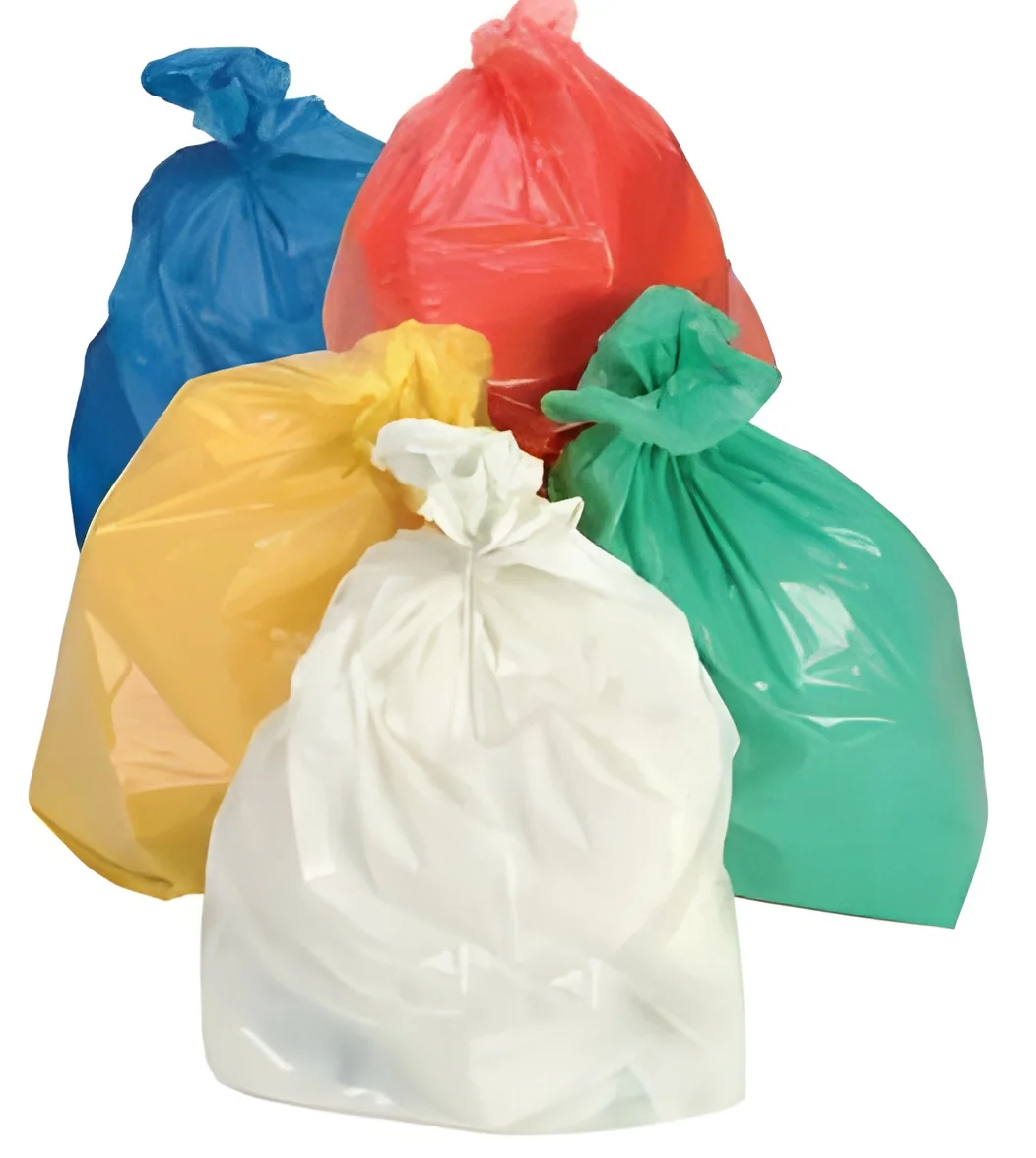
- Garbage bags come in various colors for easy identification of waste types.
- Color coding can help streamline recycling efforts and promote waste separation.
5. Closure Type
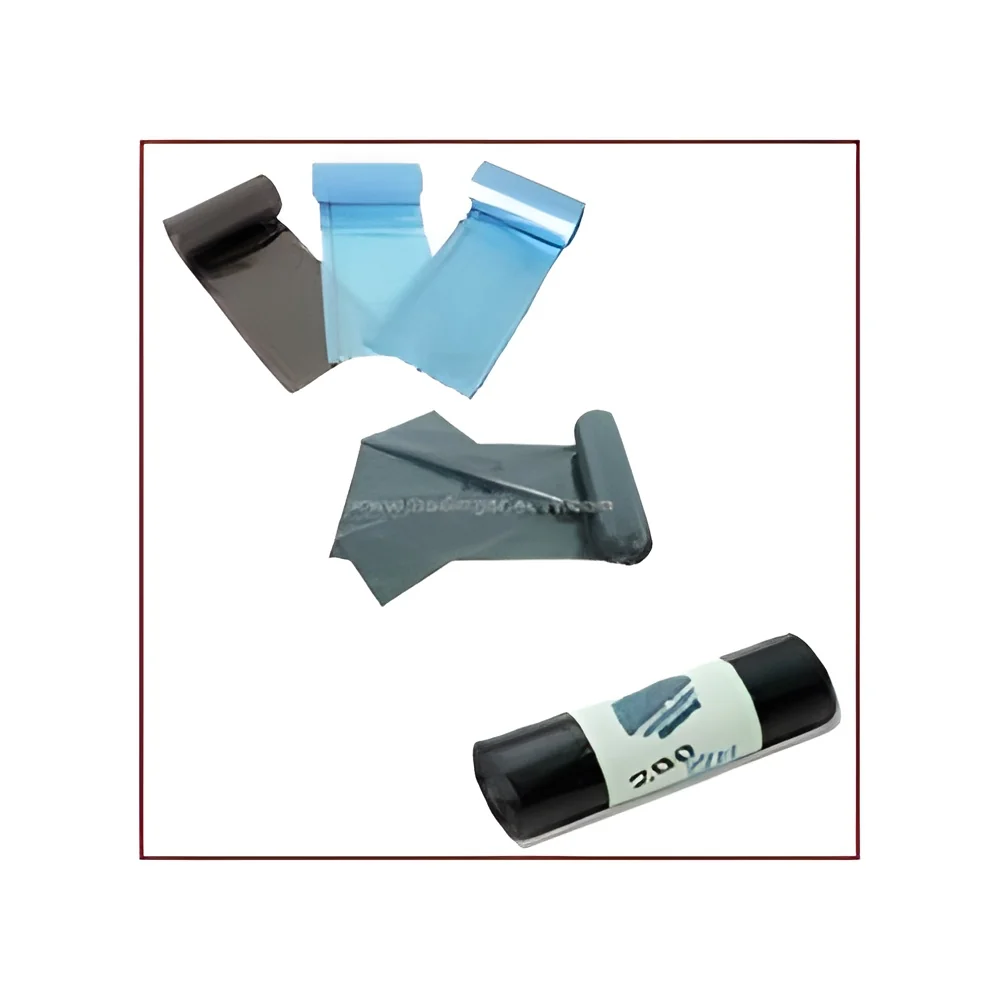
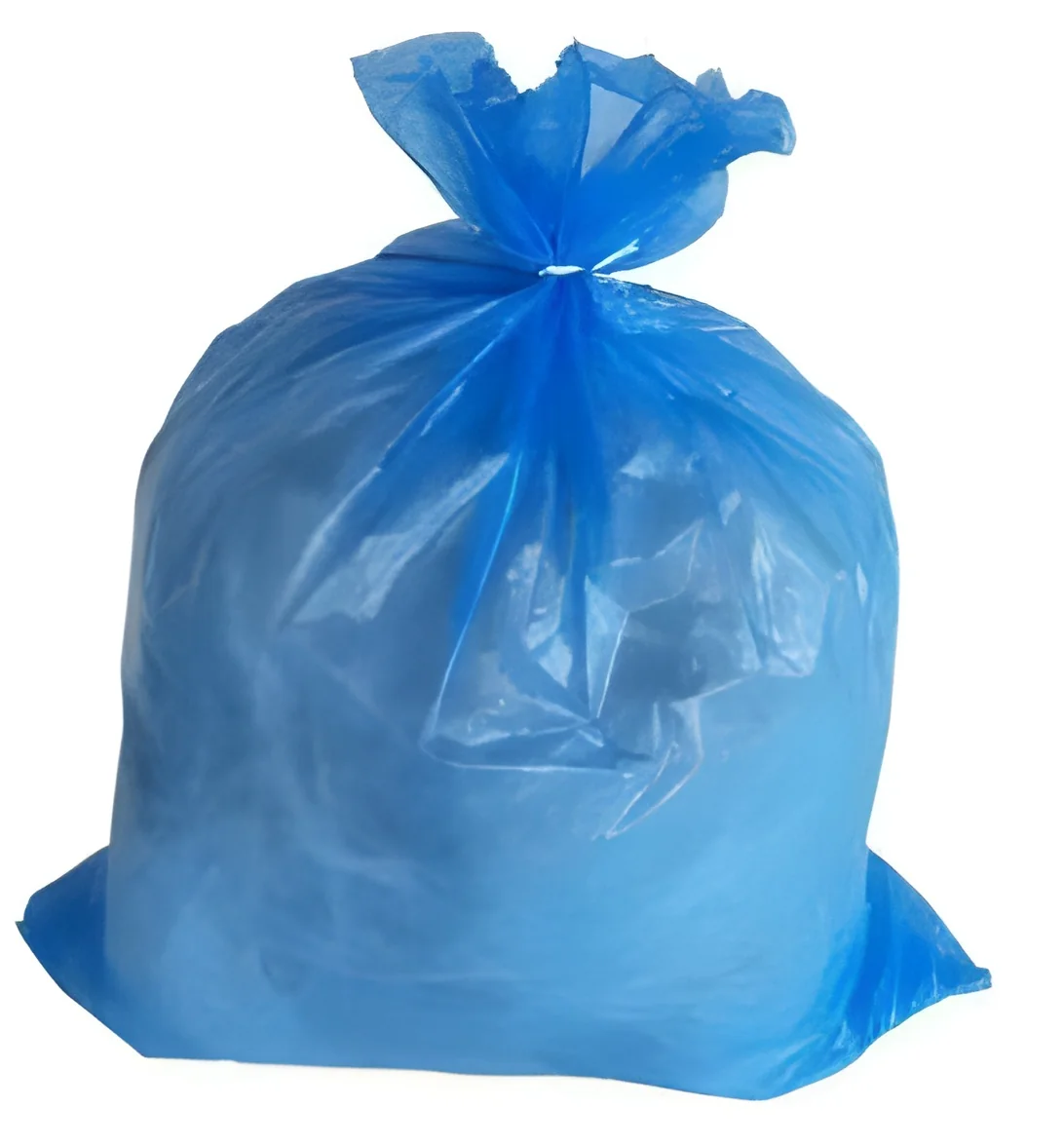
- Options include drawstring, twist tie, or flap ties for easy closure and handling.
- Closure types should align with user convenience and waste type.
6. Strength Rating
- Bags are often rated for their load-bearing capacity, such as light, medium, or heavy-duty.
- This rating helps businesses choose bags that can handle their specific waste volume.
7. Eco-Friendly Options
- Biodegradable and compostable options are available for environmentally conscious businesses.
- These alternatives help reduce landfill waste and promote sustainability.
8. Certifications
- Some bags may have certifications for safety and environmental impact, such as CE certification.
- Choosing certified products can enhance trust and compliance with regulations.
In summary, garbage bags and liners come with various features and specifications that cater to different waste management needs. Businesses should consider these factors to select the most suitable products for their operations.
Common Applications and Use Cases
Garbage bags and liners serve a multitude of industries, each with specific waste disposal requirements.
1. Hospitality Industry: Restaurants and hotels use garbage bags to manage food waste and general refuse, ensuring cleanliness and hygiene in dining and kitchen areas.
2. Healthcare Sector: Hospitals and clinics require specialized bags for biohazardous waste, helping maintain safety and compliance with health regulations.
3. Retail Environment: Stores and shopping centers utilize garbage bags for waste collection from customer areas and back-office functions, promoting efficient waste management.
4. Manufacturing Facilities: Factories generate various forms of waste, requiring durable liners to handle heavy-duty materials and keep workspaces safe and organized.
5. Construction Sites: Construction companies rely on heavy-duty bags to manage debris and refuse, ensuring compliance with safety standards and maintaining clean job sites.
6. Educational Institutions: Schools and universities use garbage bags in classrooms and cafeterias to facilitate waste collection and maintain a clean learning environment.
7. Residential Services: Waste management companies provide garbage bags and liners to households for efficient trash disposal, contributing to community cleanliness.
Product Variants and Subcategories
Garbage bags and liners are available in several variants to meet specific needs and applications.
Standard Garbage Bags: These are the most commonly used bags, suitable for general waste disposal in homes and offices. They come in various sizes and thicknesses, making them versatile for everyday use.
Heavy-Duty Liners: Designed for industrial applications, heavy-duty liners are thicker and stronger. They are ideal for managing construction debris or sharp objects, ensuring safety and durability.
Biodegradable Bags: These eco-friendly options are made from materials that break down more easily in landfills. They cater to environmentally conscious businesses looking to reduce their ecological footprint.
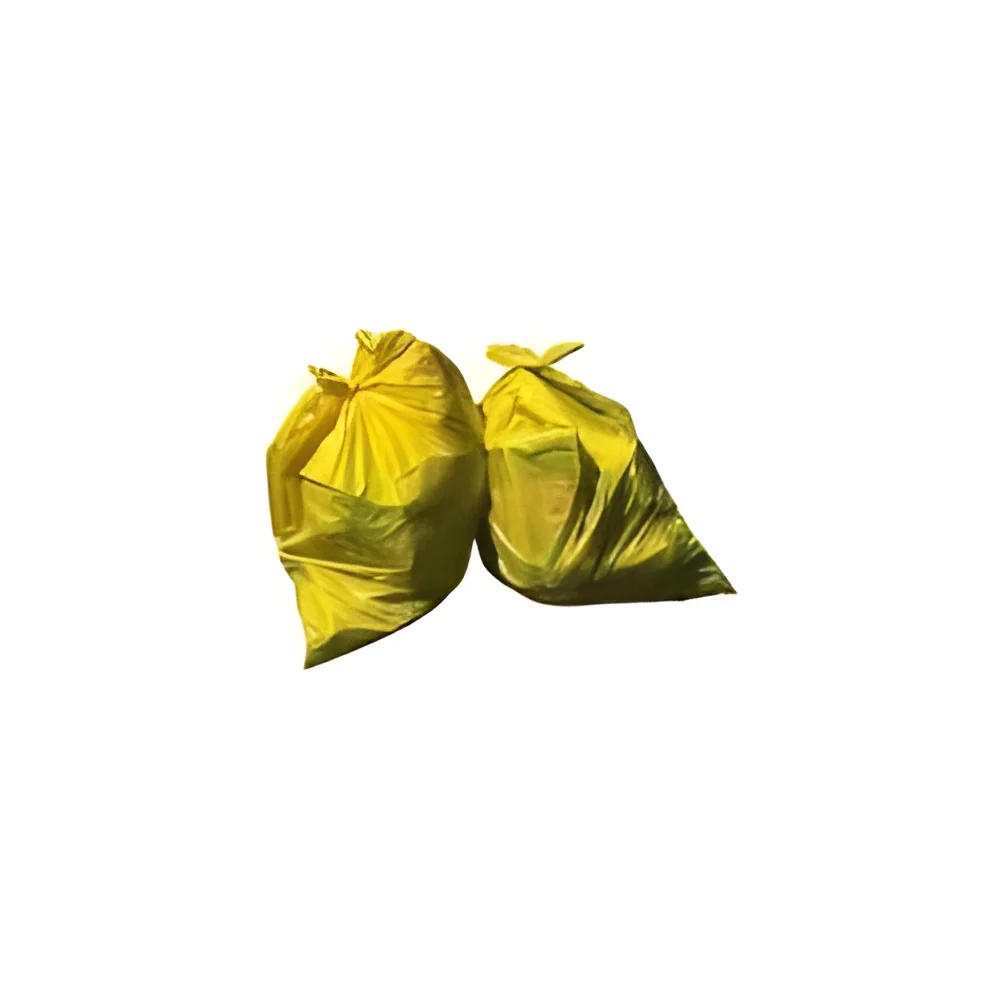
Color-Coded Waste Bags: These bags are available in various colors to help separate waste types, enhancing recycling efforts in both commercial and residential settings.
Benefits and Advantages
Using garbage bags and liners provides several key advantages for businesses.
1. Hygiene Maintenance: Garbage bags help contain waste, preventing unpleasant odors and exposure to harmful materials, which is vital in maintaining cleanliness.
2. Cost Efficiency: High-quality garbage bags reduce the need for frequent replacements, resulting in cost savings for businesses in waste management.
3. Convenience: The various sizes and closure types of garbage bags enhance user convenience, making waste disposal easier for employees.
4. Environmental Responsibility: Eco-friendly garbage bags support sustainability efforts, allowing businesses to demonstrate their commitment to environmental stewardship.
5. Compliance Support: Using certified garbage bags helps businesses comply with health regulations, ensuring they meet industry standards for waste disposal.
6. Enhanced Safety: Heavy-duty bags reduce the risk of tears and spills, providing a safer work environment, especially in industrial settings.
Buying Guide for B2B Buyers
When sourcing garbage bags and liners, businesses should evaluate several critical factors to make informed decisions.
1. Quality Assessment: Buyers should review the material quality and thickness of garbage bags to ensure they meet their specific waste management needs. High-quality bags reduce the risk of leaks and tears.
2. Supplier Verification: It is essential to vet suppliers for reliability and quality assurance. Checking certifications and customer reviews can help ensure that the supplier meets industry standards.
3. Pricing and MOQ: Buyers should consider pricing structures and minimum order quantities (MOQ). Understanding these factors can help in budgeting and determining the feasibility of bulk purchases.
4. Delivery and Lead Times: Logistics play a crucial role in successful procurement. Buyers should inquire about delivery times to ensure that products arrive as needed for efficient operations.
5. Compliance Requirements: Understanding regional regulations and compliance needs is essential. This ensures that the selected garbage bags and liners adhere to necessary health and safety standards.
Compliance and Certifications
Garbage bags and liners must adhere to various quality standards to ensure their efficacy and safety. Relevant standards include ISO 9001, which focuses on quality management systems, ensuring manufacturers maintain consistent quality in production.
Industry certifications such as CE signify that products meet European safety standards. This certification provides confidence to buyers regarding the product's reliability and safety for use.
Additionally, safety and testing requirements are crucial in the production of garbage bags. Manufacturers often conduct tests to ensure that bags can withstand specific weight limits and environmental conditions.
Regional compliance considerations can vary significantly, depending on local waste management regulations. Buyers should familiarize themselves with these requirements to ensure their products are compliant in their specific markets.
Why Source Garbage Bags & Liners from Pepagora?
Pepagora provides a trusted platform for sourcing garbage bags and liners, offering several key advantages to B2B buyers.
Verified Supplier Network: Pepagora has established a robust network of verified suppliers. This network ensures that buyers have access to high-quality products from reliable manufacturers.
Streamlined RFQ Process: The quotation system at Pepagora simplifies the procurement process. Buyers can easily request quotes from multiple suppliers, facilitating comparison and informed decision-making.
Trade Assurance and Support: Pepagora offers trade assurance, providing buyers with protection against potential issues with orders. This support enhances buyer confidence and security in their purchasing decisions.
Regional Coverage: With a focus on regions like India, the GCC, and Southeast Asia, Pepagora facilitates access to garbage bags and liners across diverse markets. This geographic reach ensures businesses can find suitable products regardless of location.

 IN
IN