
 IN
Beds
68 products available
What are Beds?
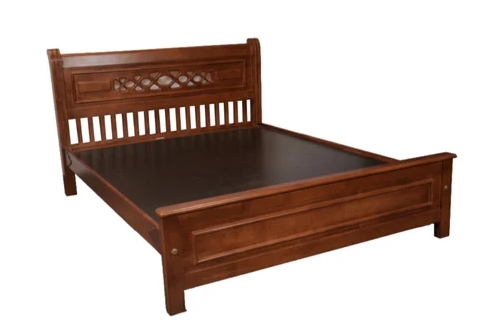
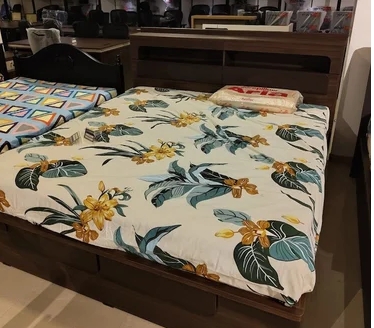
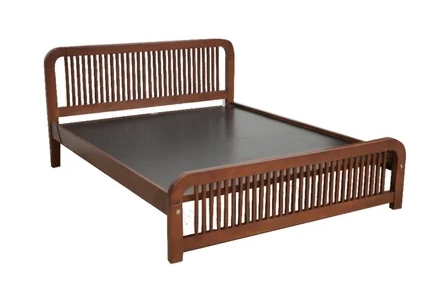
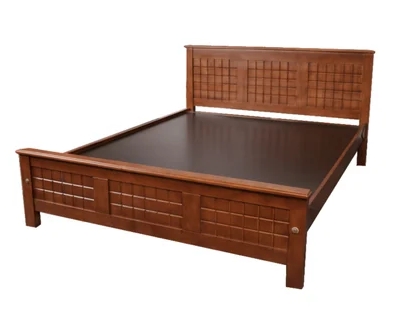
Beds are essential pieces of furniture designed for sleeping and resting. They typically consist of a frame, a mattress, and sometimes additional components such as headboards or footboards. The primary function of a bed is to provide a comfortable and supportive surface for individuals to sleep on, contributing to overall health and well-being. In a business context, beds are used in a variety of settings, from hotels and hospitals to residential care facilities and military barracks.
The versatility of beds makes them applicable across numerous industries. In hospitality, for instance, beds are crucial for creating a comfortable experience for guests. In healthcare, they provide necessary support for patients during recovery. Additionally, beds play a role in residential settings, where they contribute to personal comfort and relaxation. As the market continues to evolve, the demand for high-quality, durable beds has risen, driven by trends in health, design, and functionality.
Key Features and Specifications
When evaluating beds for industrial or commercial applications, it is important to understand their key features and specifications. These specifications can vary depending on the intended use and industry requirements.
Key specifications include:
1. Frame Material
- Common materials include wood, metal, and composite materials.
- Each material offers different levels of durability and aesthetics.
2. Mattress Type
- Options include innerspring, memory foam, and latex.
- Each type offers varying levels of support and comfort.
3. Size Dimensions
- Standard sizes include twin, full, queen, and king.
- Custom sizes may be available for specific applications.
4. Weight Capacity
- Beds are rated for different weight limits based on their construction.
- Important for ensuring safety and durability.
5. Assembly Requirements
- Some beds come pre-assembled while others require setup.
- Ease of assembly can impact operational efficiency.
6. Customization Options
- Many manufacturers offer options for custom designs and features.
- Customization can address specific client needs or branding.
7. Warranty Information
- Warranties typically range from 1 to 10 years.
- Important for ensuring long-term investment security.
8. Safety Standards
- Compliance with safety standards is crucial for certain industries.
- Ensures beds are safe for use, especially in healthcare settings.
In summary, knowing the key features and specifications of beds helps businesses make informed purchasing decisions based on their specific needs.
Common Applications and Use Cases
Beds are utilized in a variety of commercial and industrial contexts.
1. Hospitality: In hotels and resorts, beds are designed to provide comfort and enhance guest experiences. High-quality mattresses and stylish designs are often prioritized.
2. Healthcare: Hospitals and clinics use specialized beds for patient care. These beds can include features such as adjustable heights and built-in mobility aids.
3. Military: Barracks utilize durable beds that can withstand heavy use and provide comfort for personnel during their service.
4. Education: Dormitories and student housing require beds that are space-efficient and easy to maintain, often with built-in storage solutions.
5. Senior Care: Assisted living facilities and nursing homes need beds that offer safety features and comfort for elderly residents, such as adjustable bases and easy access.
6. Residential: In residential settings, beds are chosen for personal comfort and style, with a focus on aesthetics and functionality.
7. Recreational: Campgrounds and vacation rentals may use portable beds or foldable options for convenience and space-saving.
Product Variants and Subcategories
Beds come in various styles and configurations to meet diverse needs across industries.
Standard Bed
The standard bed is designed for general use, featuring a robust frame and a comfortable mattress. It is suitable for homes, hotels, and dormitories.
Adjustable Bed
Adjustable beds allow users to change the position of the mattress for enhanced comfort and support. These are particularly useful in healthcare settings, providing ease for patients and caregivers.
Bunk Bed
Bunk beds maximize space, making them ideal for dormitories and children's rooms. They can accommodate multiple users while being compact.
Sofa Bed
Sofa beds serve dual purposes, functioning as both seating and sleeping arrangements. They are popular in small apartments and guest rooms.
Murphy Bed
Murphy beds fold up against the wall when not in use, making them perfect for maximizing space in multifunctional rooms.
Benefits and Advantages
Choosing the right bed offers numerous benefits for businesses and organizations.
1. Enhanced Comfort: High-quality beds contribute to better sleep quality, which can improve productivity and well-being.
2. Durability: Investing in well-constructed beds ensures long-term use, reducing replacement costs.
3. Customization: Many manufacturers offer customizable options, allowing businesses to tailor beds to their specific needs.
4. Safety Features: Beds designed for specific industries often include safety features, such as non-slip surfaces and adjustable heights.
5. Aesthetic Appeal: Stylish bed designs can enhance the overall look of a space, contributing to brand image.
6. Versatility: Different bed types cater to a range of applications, from residential to commercial use.
Buying Guide for B2B Buyers
When sourcing beds for business needs, it is crucial to consider several factors.
1. Quality Assessment: Always inspect the quality of materials and construction. Look for beds that offer durability and support, as these are key to long-term satisfaction.
2. Supplier Verification: Vet potential suppliers by checking their reputations, customer reviews, and industry certifications. This ensures reliable and trustworthy partnerships.
3. Pricing and MOQ: Understand the pricing structure and minimum order quantities. Ensure that costs align with your budget and business requirements.
4. Delivery and Lead Times: Confirm the logistics of delivery, including lead times and shipping options. Timely delivery is essential for operational efficiency.
5. Compliance Requirements: Be aware of any regulatory standards that apply to your industry, ensuring that the beds meet all necessary compliance and safety guidelines.
Compliance and Certifications
Compliance with industry standards is critical when sourcing beds. Beds may need to adhere to quality standards such as ISO 9001, which ensures consistent quality management practices. Additionally, certain sectors, especially healthcare, may require adherence to specifications like HACCP and GDP for safety and quality assurance.
Certifications, such as CE marking, indicate that products meet European safety and health regulations. This is particularly relevant for beds used in healthcare settings. Safety testing is another essential aspect, as beds must be tested for durability, stability, and overall safety to prevent accidents.
Regional compliance considerations can vary widely. It is crucial for buyers to familiarize themselves with local regulations and standards to ensure that the beds they purchase comply with all relevant laws and guidelines.
Why Source Beds from Pepagora?
Pepagora provides a trusted platform for sourcing beds, equipped with several key advantages that cater to B2B buyers.
Verified Supplier Network: Pepagora connects buyers with a network of verified suppliers, ensuring that all partners meet high standards of quality and reliability. This reduces risks associated with procurement.
Streamlined RFQ Process: The request for quotation system simplifies the procurement process, allowing buyers to quickly compare options and make informed decisions. This efficiency can save time and resources.
Trade Assurance and Support: Pepagora offers trade assurance to protect buyers from potential disputes, providing peace of mind during transactions. Additionally, customer support is available to assist with any inquiries or issues.
Regional Coverage: With a focus on markets such as India, GCC, and Southeast Asia, Pepagora offers regional expertise and access to a wide range of products. This geographic reach ensures that buyers can find beds suited to their specific market needs.

Frequently Asked Questions
What are Beds?
Beds are essential pieces of furniture designed for sleeping or resting. They typically consist of a frame, a mattress, and sometimes a headboard or footboard, providing comfort and support to the user.
What are the different types of Beds?
There are several types of beds available, including single beds, double beds, queen beds, king beds, bunk beds, and sofa beds. Each type varies in size, design, and functionality to cater to different needs and preferences.
How do I choose the right Beds?
To choose the right bed, consider factors such as size, material, design, and your specific comfort preferences. Additionally, think about the available space in your room and how the bed will fit with your existing decor.
What are the standard specifications for Beds?
Standard specifications for beds typically include dimensions (length, width, and height), weight capacity, and construction materials. Common materials include wood, metal, and upholstered designs, each offering different levels of durability and aesthetic appeal.
What is the price range for Beds?
The price range for beds can vary significantly based on factors like size, material, and brand. Generally, you can find basic models starting from a few thousand rupees, while premium options may exceed several tens of thousands.
What quality standards apply to Beds?
Quality standards for beds often relate to material durability, safety, and comfort. Manufacturers may adhere to various industry standards to ensure that the beds are free from harmful substances and meet structural integrity requirements.
Where can I find Beds suppliers in India?
You can find bed suppliers in India through various online B2B marketplaces like Pepagora, industry trade shows, and local furniture retailers. These platforms provide a range of options to compare suppliers and products.
Can Beds be customized?
Yes, many manufacturers offer customization options for beds, allowing you to choose specific dimensions, materials, and designs. This is particularly useful for businesses looking to meet unique customer requirements or preferences.
What is the typical minimum order quantity for Beds?
The typical minimum order quantity (MOQ) for beds can vary by supplier but generally ranges from 5 to 50 units. It is advisable to check with individual manufacturers for their specific MOQ policies.
What is the typical lead time for Beds?
The typical lead time for beds can range from 2 to 8 weeks, depending on factors such as the supplier's production capacity and whether the beds are customized. It is best to confirm lead times directly with the supplier when placing an order.
Why Businesses Trust Pepagora
Thousands of companies trust Pepagora to source smarter and sell faster
Expand Your Sales Globally

Source Smarter,Grow Faster
