
 IN
Barcode Scanners (1D & 2D)
20 products available
Key Features and Specifications
Barcode scanners are equipped with various features that enhance their functionality and usability. When selecting a barcode scanner, it is essential to understand its specifications to ensure it meets your business needs.
Key specifications include:
1. Scanning Technology
- Laser, CCD, or imaging technology
- Determines the scanner's ability to read different barcode types
2. Scan Rate
- The number of scans per second
- A higher scan rate improves efficiency during high-volume tasks
3. Connectivity Options
- USB, Bluetooth, or Wi-Fi connectivity
- Ensures compatibility with existing systems and devices
4. Reading Distance
- The distance from which the scanner can read a barcode
- Affects usability in various environments
5. Durability and Design
- IP ratings for dust and moisture resistance
- Ergonomic designs for ease of use during prolonged operation
6. Supported Barcode Types
- Compatibility with various barcode standards (e.g., UPC, QR Code, Data Matrix)
- Important for businesses that use multiple barcode formats
7. Power Source
- Battery-operated or wired options
- Affects mobility and usage scenarios
8. Operating Temperature Range
- The temperature range in which the scanner operates effectively
- Important for use in diverse environments
In summary, understanding these features and specifications is crucial for selecting the right barcode scanner for your business needs, ensuring optimal performance and integration.
Common Applications and Use Cases
Barcode scanners are versatile tools applied across various sectors to enhance operational efficiency.
1. Retail: In retail environments, barcode scanners streamline checkout processes, manage inventory, and track sales data, leading to improved customer experiences.
2. Warehousing: In warehouses, barcode scanners are used for inventory management and order fulfillment, allowing for real-time tracking of goods and reducing errors.
3. Healthcare: In healthcare settings, barcode scanners help in medication administration, patient identification, and tracking medical equipment, ensuring compliance and safety.
4. Manufacturing: In manufacturing, these scanners facilitate the tracking of parts and products through the production line, improving efficiency and quality control.
5. Logistics: In logistics and shipping, barcode scanners are crucial for tracking shipments, managing logistics data, and ensuring timely delivery.
6. Food Industry: In the food industry, barcode scanners are used for tracking inventory, managing expiration dates, and ensuring compliance with safety regulations.
7. Library Systems: In libraries, barcode scanners simplify check-outs and returns, making inventory management more efficient.
Product Variants and Subcategories
Barcode scanners come in various forms to cater to different business needs.
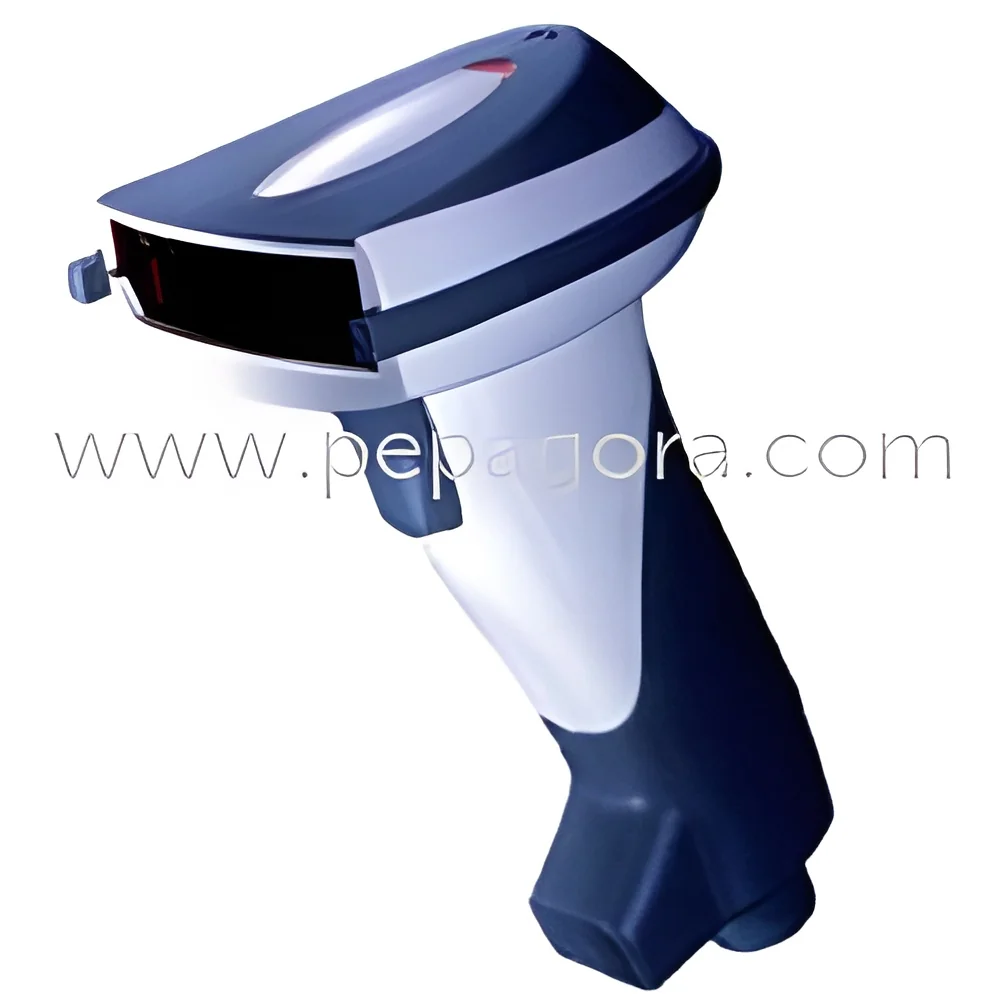
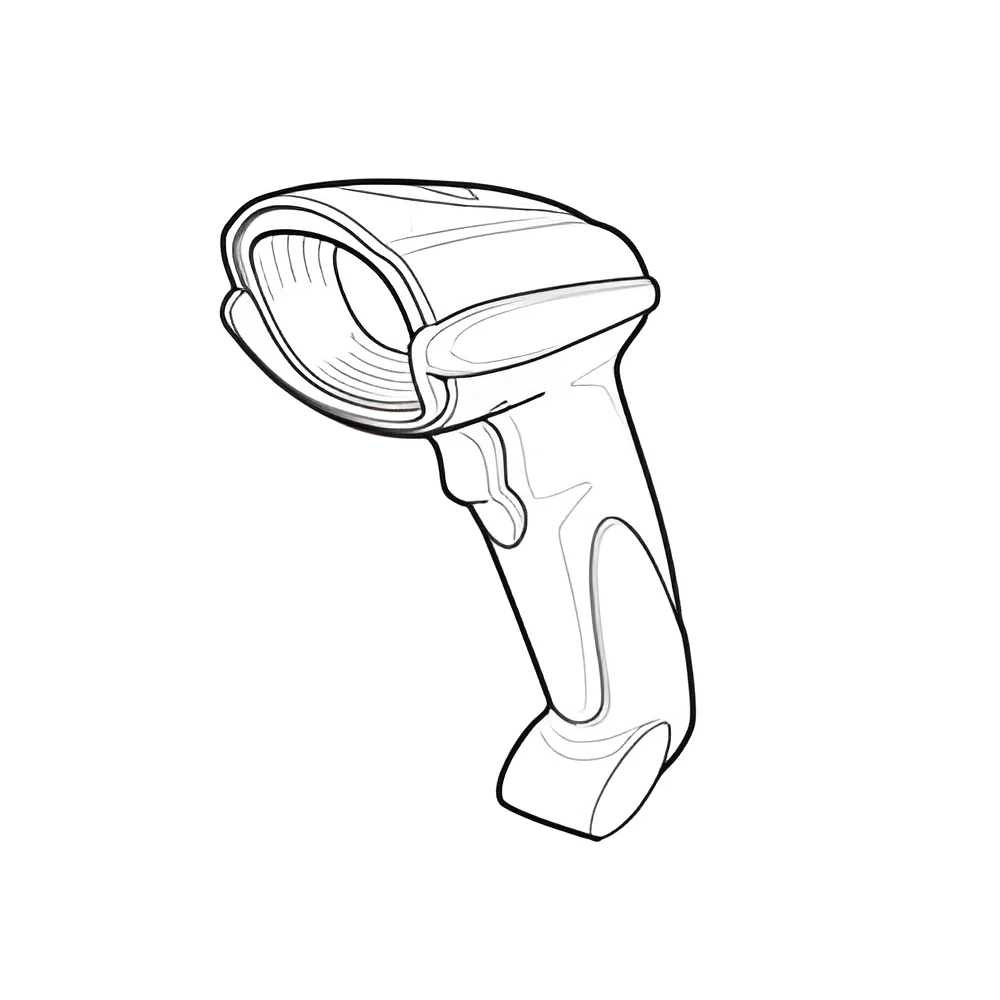
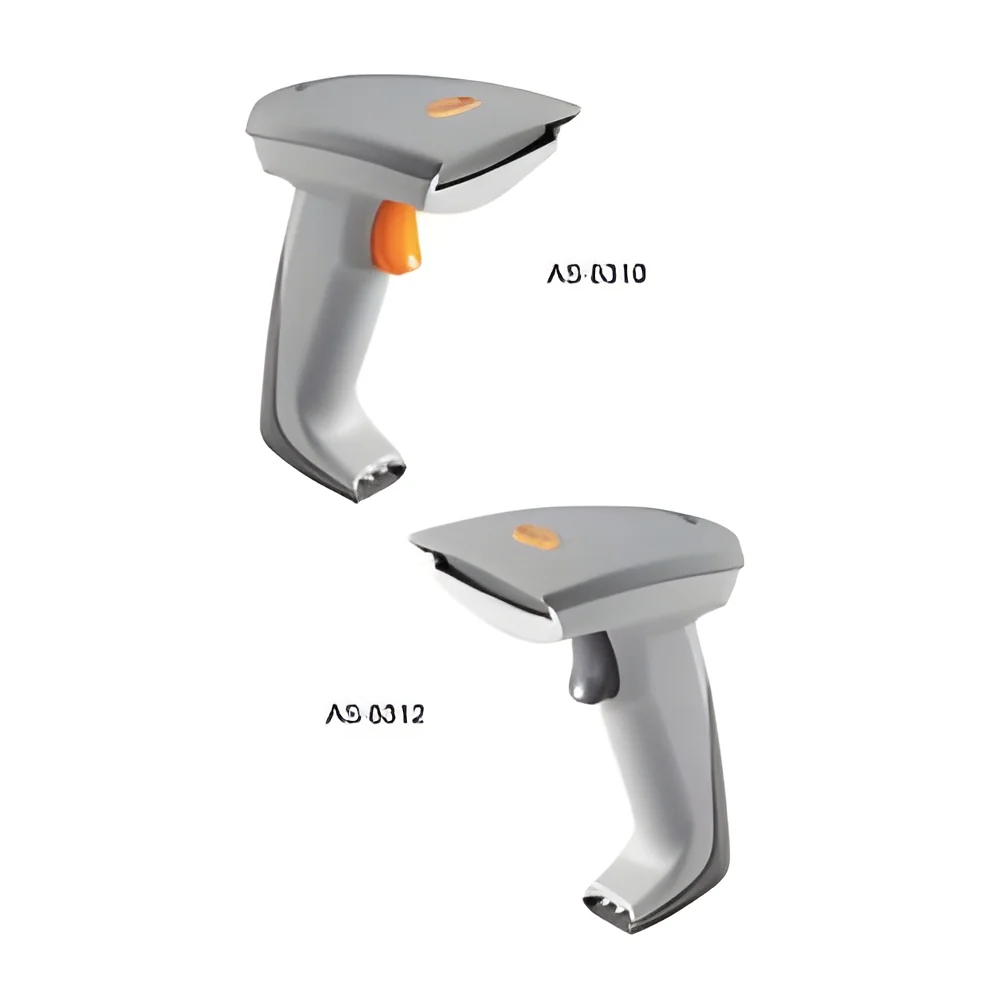
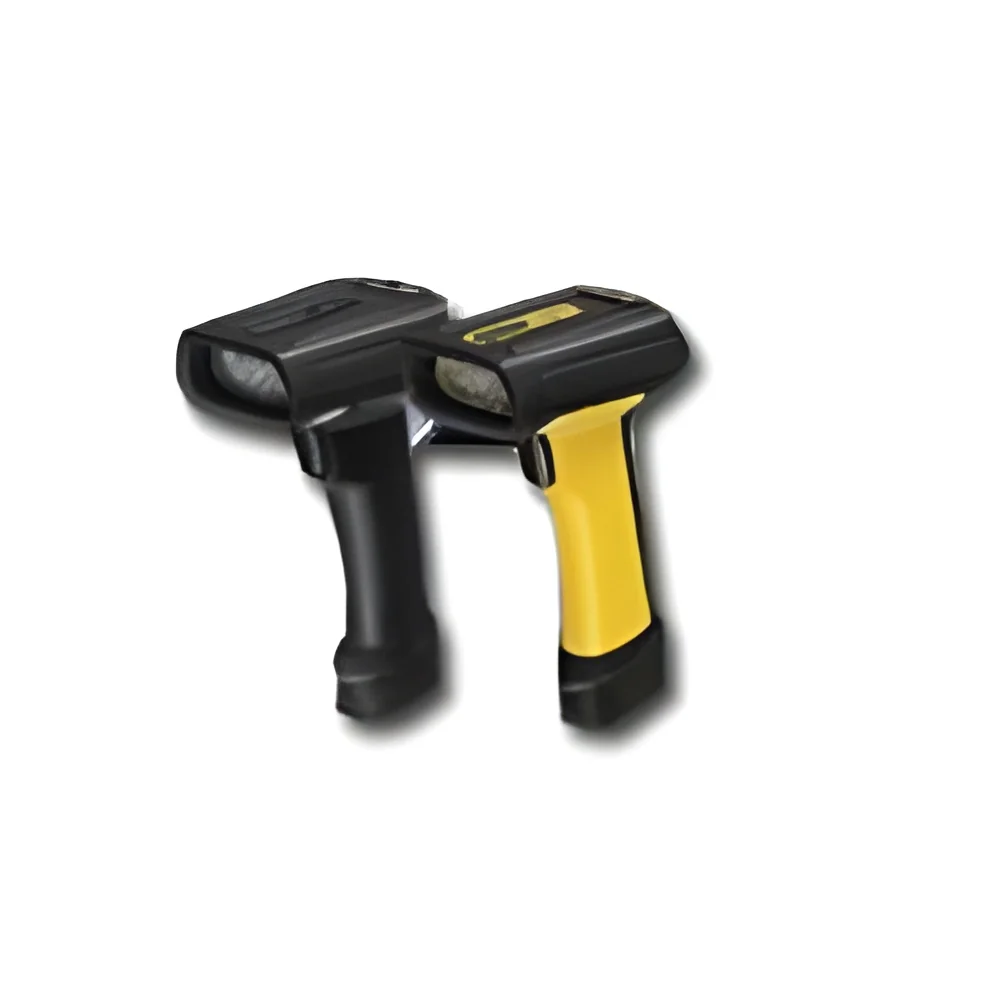
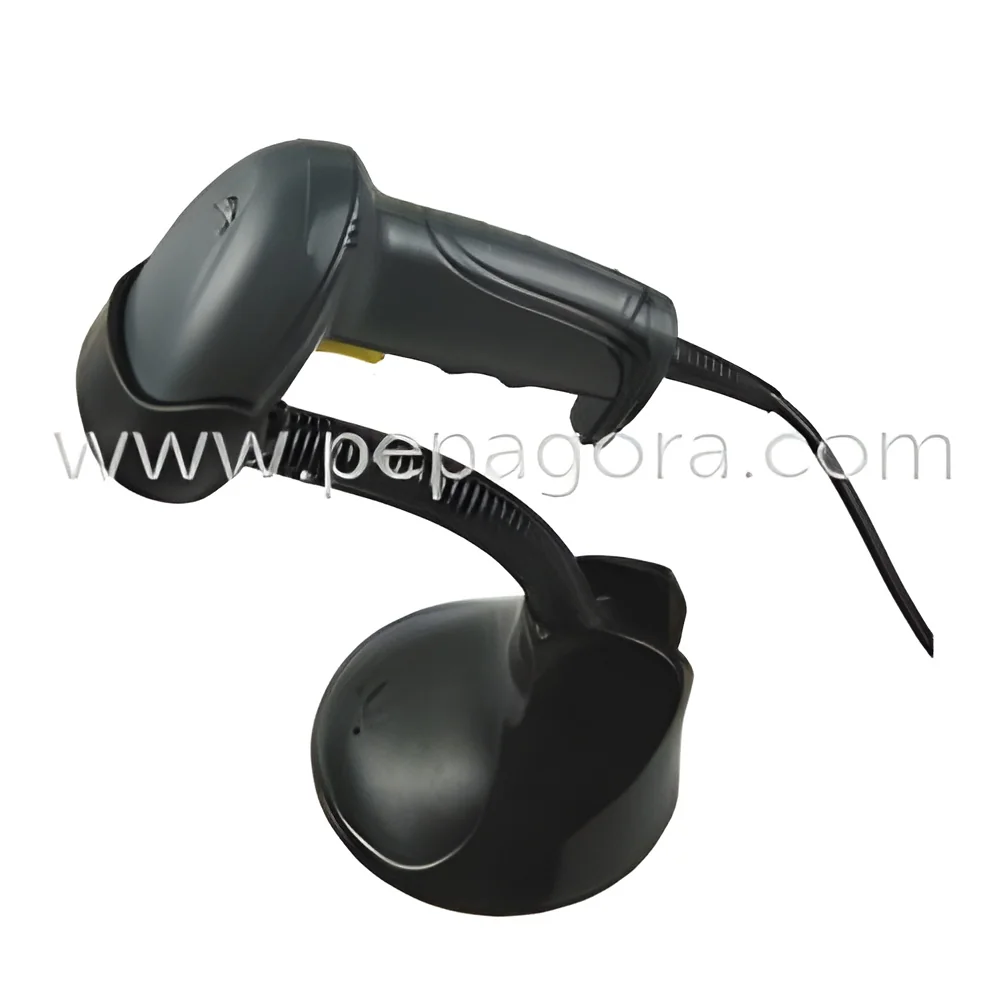
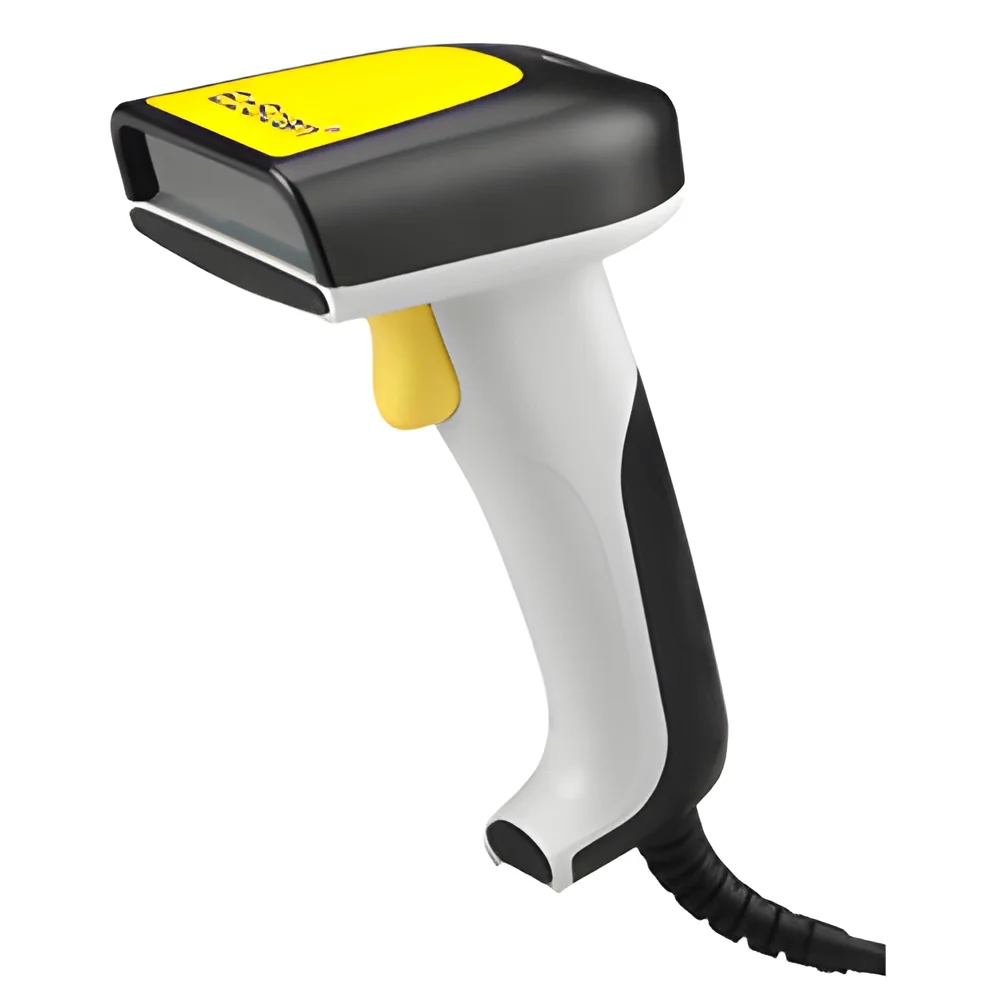
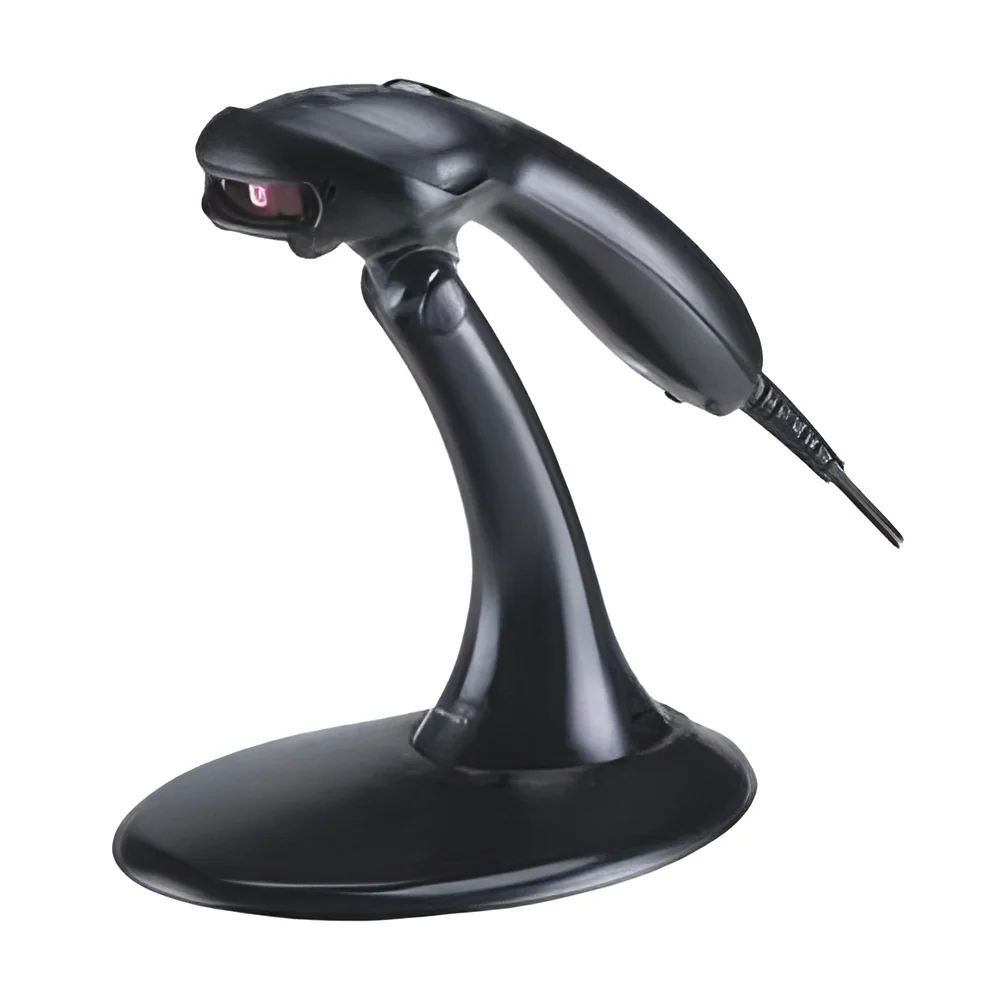
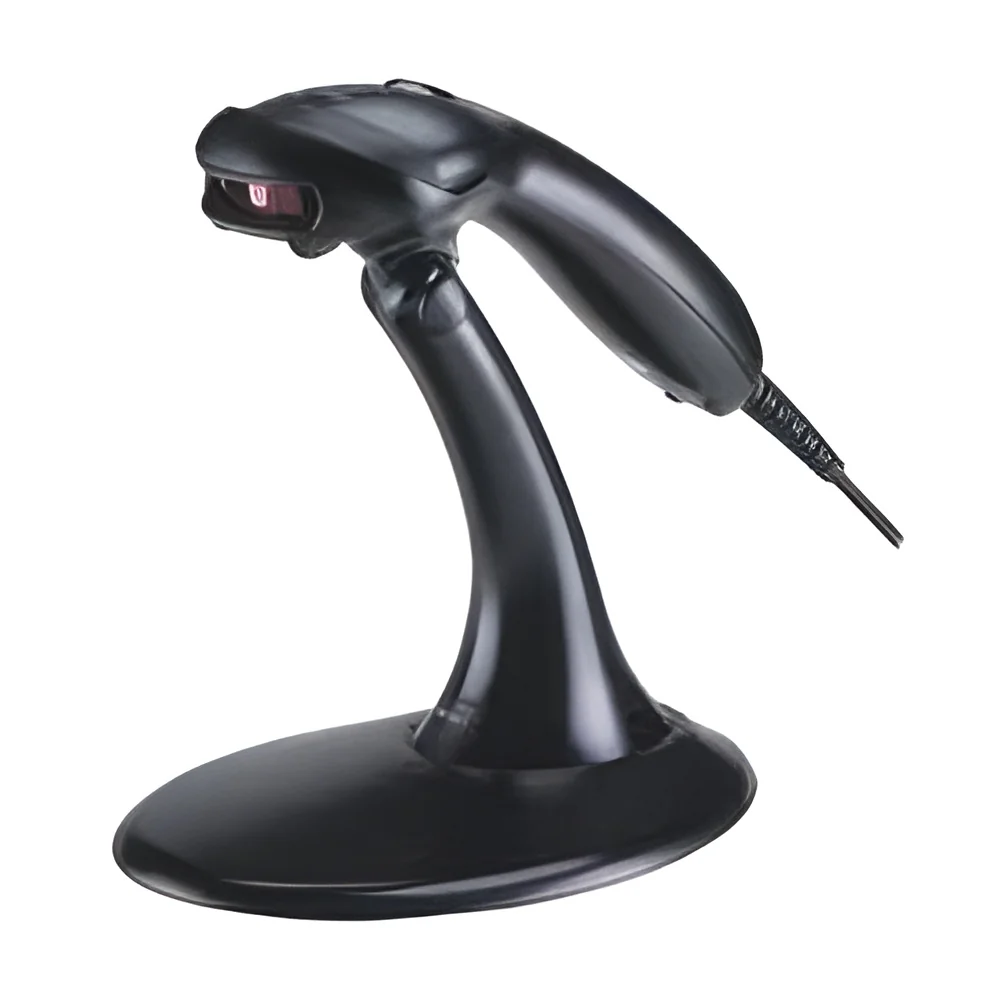
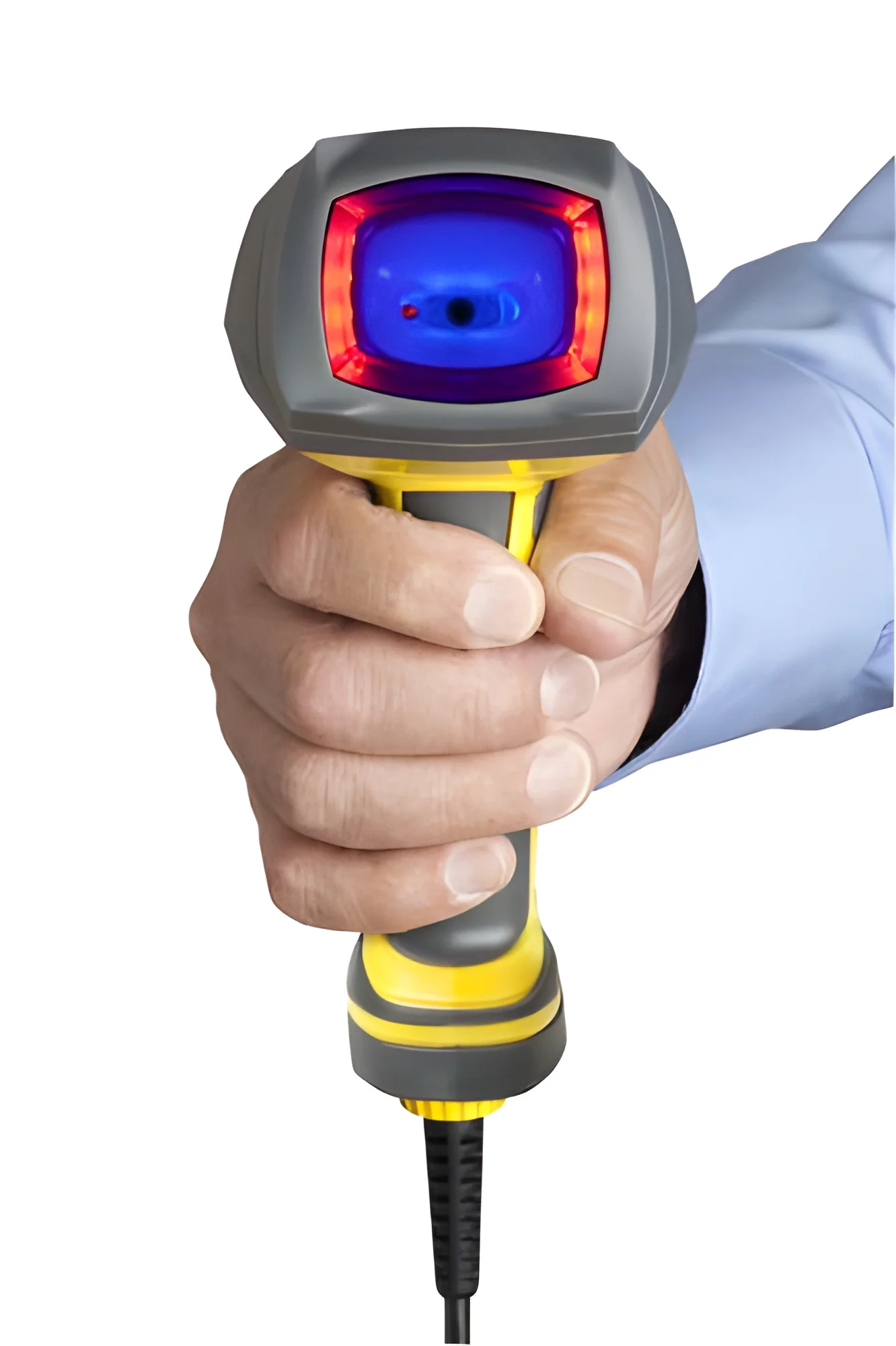
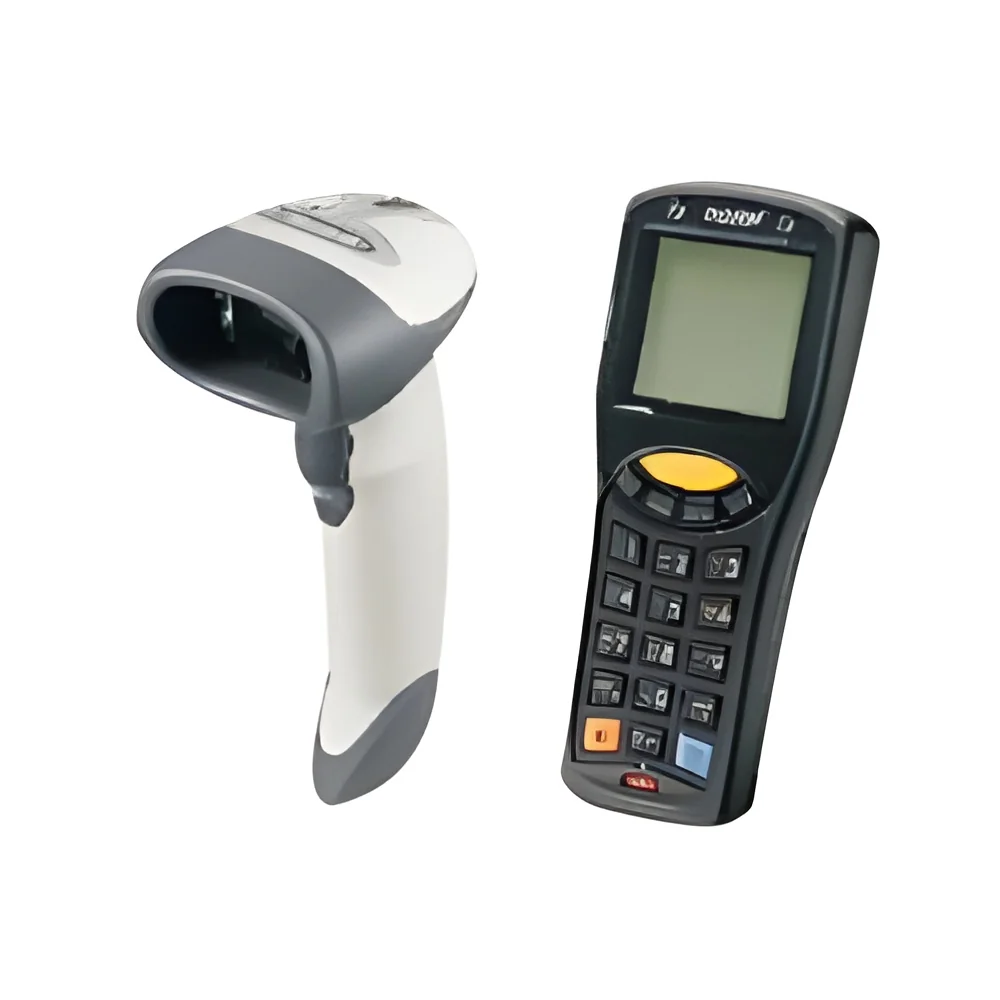
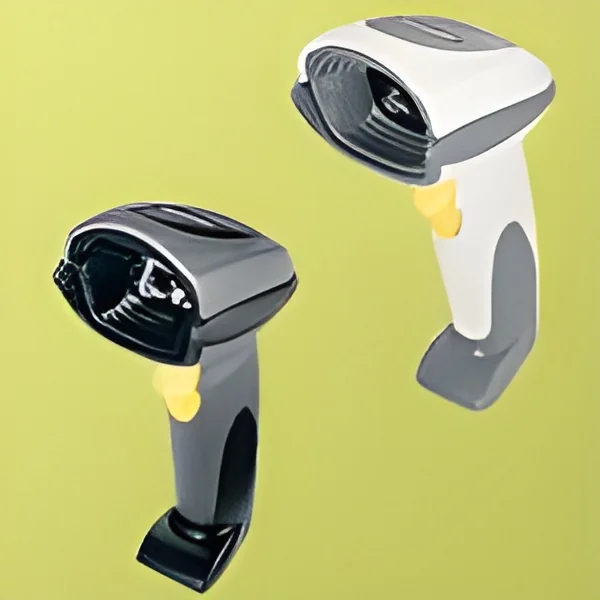
Handheld Scanners: These are portable devices that offer flexibility and ease of use. They are ideal for retail and warehouse applications where mobility is essential.
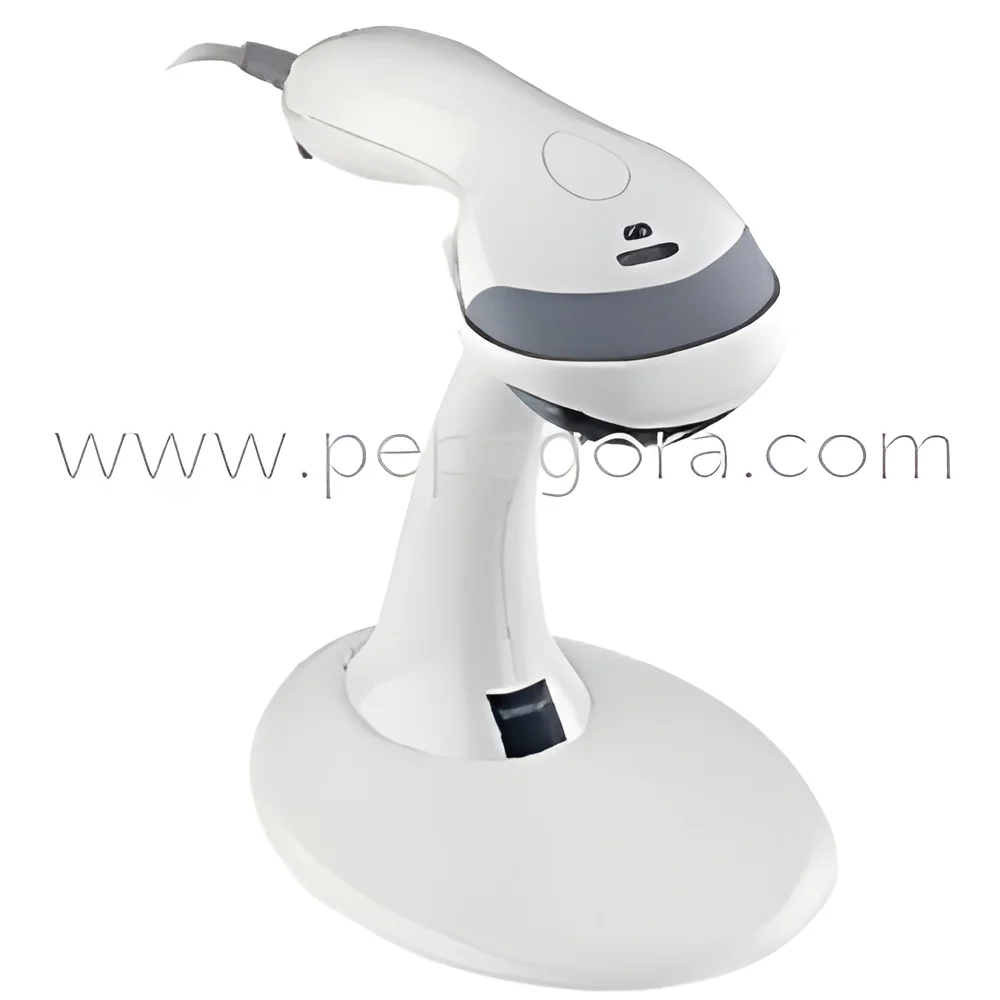
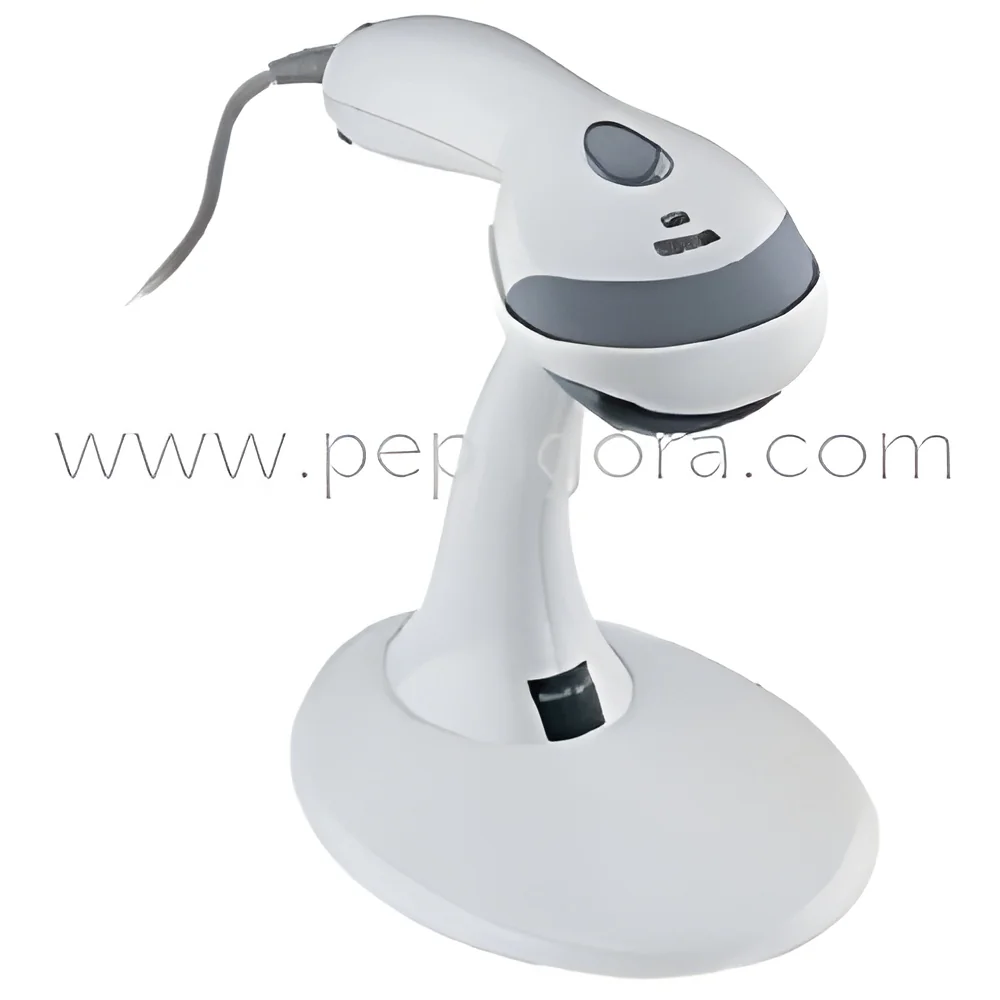
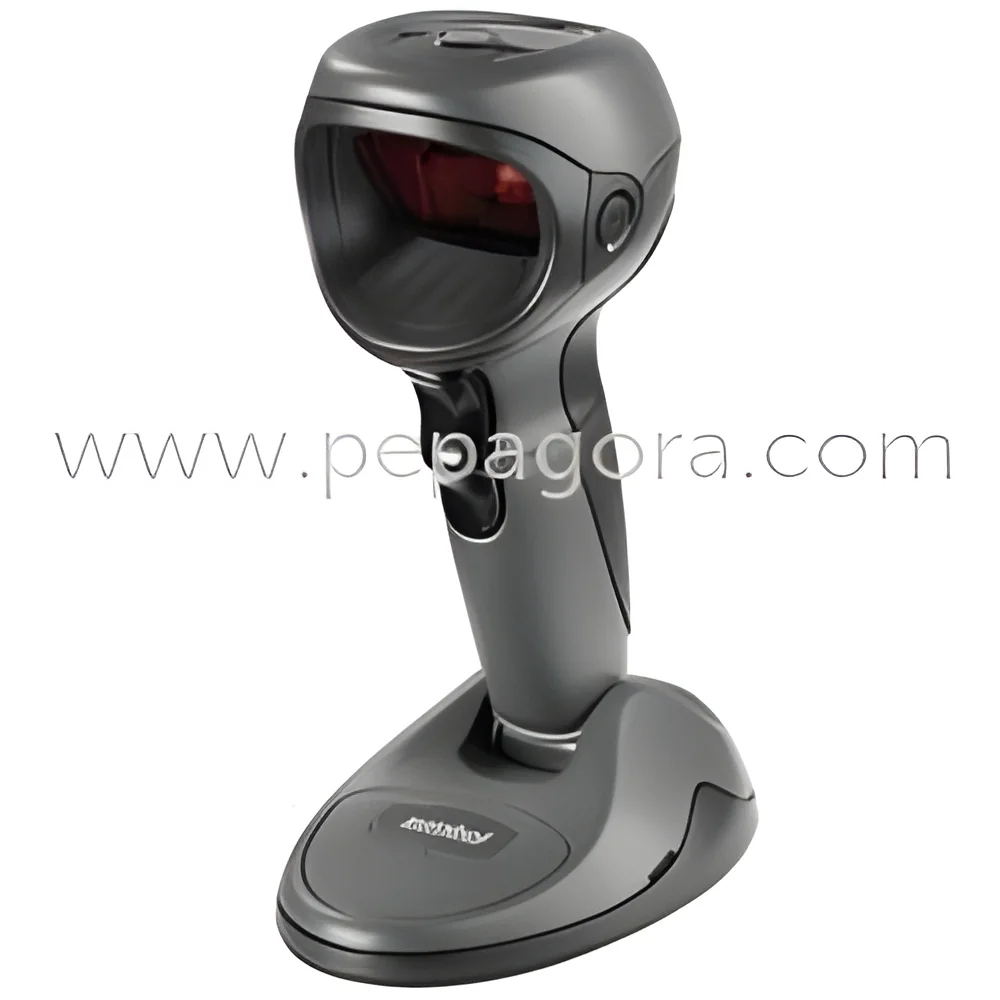
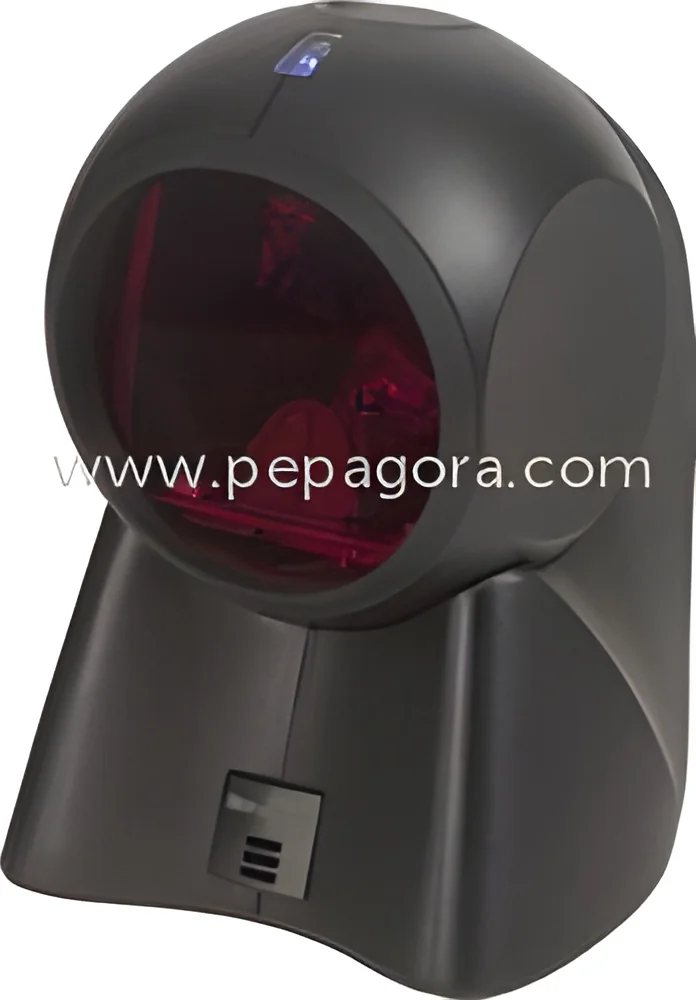
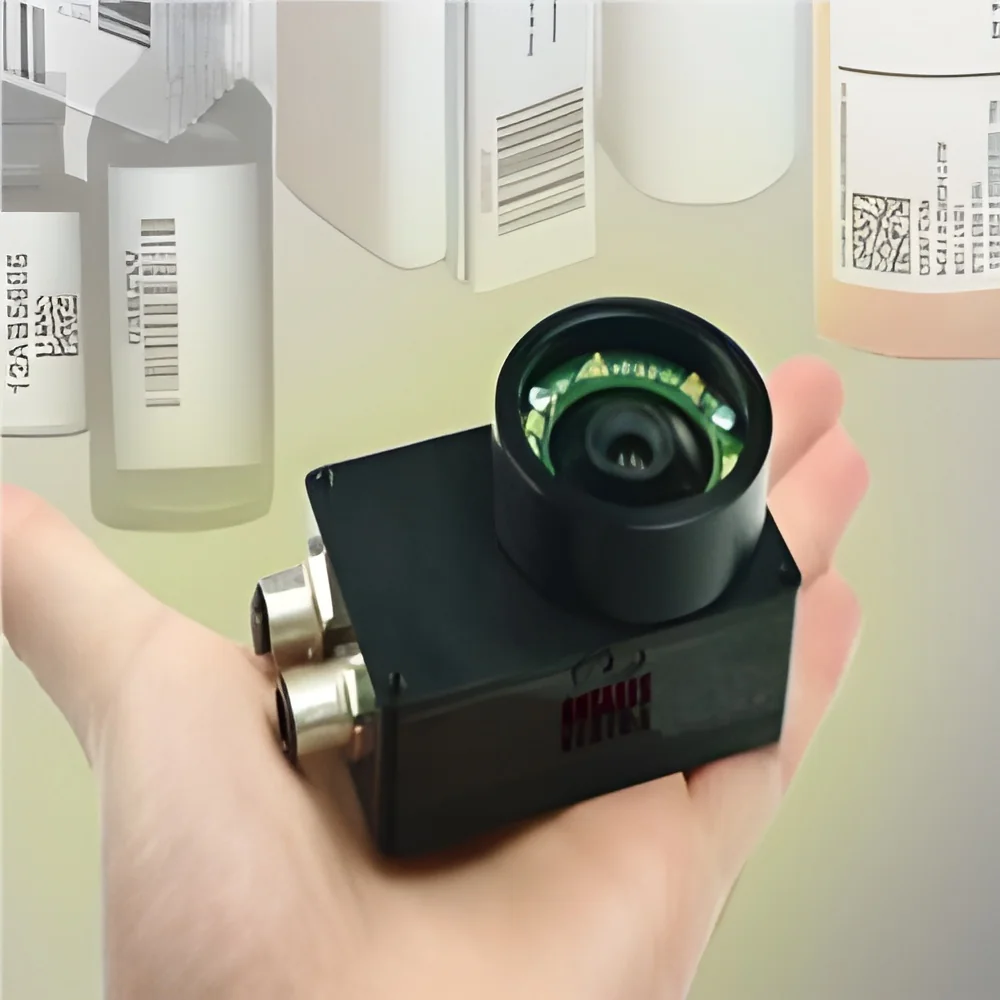
Fixed-Mount Scanners: Designed for stationary use, these scanners are commonly found at checkout counters and in automated systems. They offer high-speed scanning for high-volume tasks.
Wireless Scanners: These scanners provide the convenience of mobility without the clutter of wires. They are particularly useful in large warehouses and retail environments.
Benefits and Advantages
Investing in barcode scanners offers numerous benefits for businesses.
1. Enhanced Accuracy: Barcode scanning significantly reduces human error in data entry, leading to more accurate inventory management and transactions.
2. Increased Efficiency: Scanning speeds up the process of data capture, improving overall workflow and productivity in various applications.
3. Cost Savings: By minimizing errors and enhancing efficiency, businesses can reduce operational costs associated with manual data entry and inventory management.
4. Real-Time Data Access: Barcode scanners enable real-time updates to inventory and sales data, allowing businesses to make informed decisions quickly.
5. Improved Customer Experience: Faster checkouts and accurate inventory tracking enhance customer satisfaction and loyalty.
6. Compliance and Traceability: Barcode scanners help businesses maintain compliance with industry regulations by providing accurate data tracking and reporting.
Buying Guide for B2B Buyers
When sourcing Barcode Scanners (1D & 2D), there are several critical factors to consider.
1. Quality Assessment: Evaluate the quality of the barcode scanners by reviewing product specifications, customer reviews, and manufacturer reputation. High-quality devices ensure durability and reliability.
2. Supplier Verification: Vet suppliers thoroughly to ensure they have a proven track record of providing quality products and reliable customer service. Request references and check for certifications.
3. Pricing and MOQ: Understand the pricing structure and minimum order quantities (MOQ) required by suppliers. Compare costs across different vendors to find the best value for your budget.
4. Delivery and Lead Times: Discuss delivery options and lead times with suppliers to ensure timely receipt of your order. Consider logistics capabilities and shipping methods.
5. Compliance Requirements: Verify that the barcode scanners meet relevant industry standards and certifications. Compliance with regulations ensures that the devices are safe and effective for use.
Compliance and Certifications
Barcode scanners must adhere to various quality standards and certifications to ensure reliability and safety. Key standards include ISO 9001, which focuses on quality management systems, and HACCP, which addresses food safety protocols.
Industry certifications such as CE signify that the products meet European health, safety, and environmental protection standards. It is crucial for businesses to source barcode scanners that comply with these regulations to avoid potential legal issues.
Additional safety and testing requirements may vary by region, making it essential to consider local compliance standards. Businesses should also be aware of any specific regional requirements that apply to barcode scanning devices in their operational areas.
Why Source Barcode Scanners (1D & 2D) from Pepagora?
Pepagora offers a trusted platform for sourcing Barcode Scanners (1D & 2D) with several key advantages.
Verified Supplier Network: Pepagora connects buyers with a network of verified suppliers, ensuring that you receive quality products from reputable manufacturers. This network helps mitigate risks associated with sourcing.
Streamlined RFQ Process: The Request for Quotation (RFQ) system simplifies the procurement process, allowing buyers to easily compare offers from multiple suppliers. This efficiency saves time and enhances decision-making.
Trade Assurance and Support: Pepagora provides trade assurance, which protects buyers against potential issues with orders. Additionally, dedicated support teams are available to assist you throughout the purchasing process.
Regional Coverage: With a strong presence in India, the GCC, and Southeast Asia, Pepagora offers regional coverage that facilitates sourcing across diverse markets. This geographic reach ensures that you can find the right barcode scanners to meet your specific needs.

 India
 India
 India
 India
 India
 India
 India
 India
 India

Frequently Asked Questions
What are Barcode Scanners (1D & 2D)?
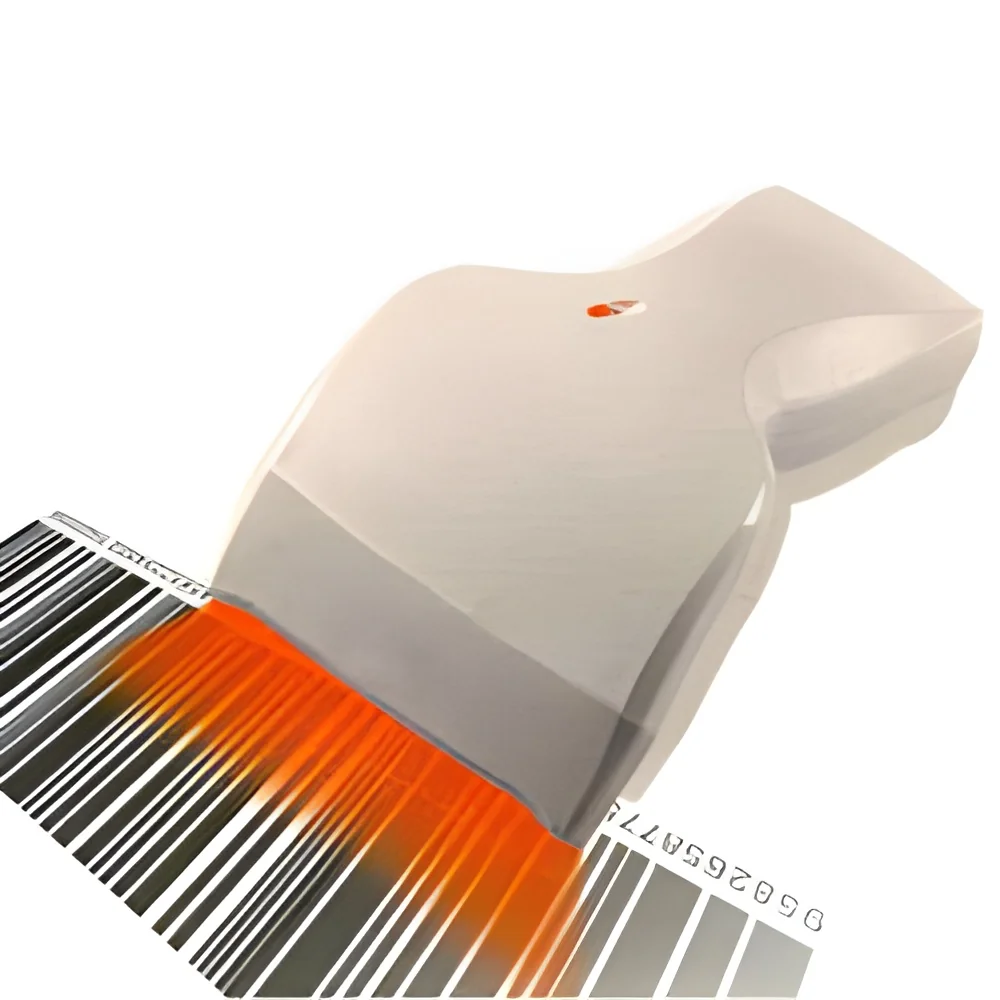
Barcode Scanners (1D & 2D) are devices used to read barcodes, which are optical machine-readable representations of data. 1D barcodes consist of a series of vertical lines, while 2D barcodes, such as QR codes, can store more information in a two-dimensional format.
What are the different types of Barcode Scanners (1D & 2D)?
The different types of Barcode Scanners include handheld scanners, fixed-mount scanners, and mobile scanners. Handheld scanners are portable and often used in retail, while fixed-mount scanners are typically used in conveyor systems. Mobile scanners allow for scanning on the go and often integrate with mobile devices.
How do I choose the right Barcode Scanners (1D & 2D)?
Choosing the right Barcode Scanner involves considering factors such as the type of barcodes you need to read, the environment in which the scanner will be used, and the required scanning speed. Additionally, assess the connectivity options, such as USB or Bluetooth, and whether the scanner is user-friendly for your specific application.
What are the standard specifications for Barcode Scanners (1D & 2D)?
Standard specifications for Barcode Scanners typically include scanning speed, resolution, and the range of barcode types supported. Most scanners offer a minimum resolution of 1D and 2D barcode accuracy, with scanning speeds ranging from 100 to 1000 scans per second, depending on the model.
What is the price range for Barcode Scanners (1D & 2D)?
The price range for Barcode Scanners (1D & 2D) can vary significantly based on the type and features. Basic handheld scanners may start around INR 2,000, while advanced models with extensive features can cost upwards of INR 30,000.
What quality standards apply to Barcode Scanners (1D & 2D)?
Barcode Scanners are subject to various quality standards, including ISO/IEC standards for barcode quality and performance. Additionally, manufacturers often comply with safety and electromagnetic compatibility standards to ensure reliability and safety in operation.
Where can I find Barcode Scanners (1D & 2D) suppliers in India?
You can find Barcode Scanners (1D & 2D) suppliers in India through online B2B marketplaces like Pepagora, trade shows, and industry-specific directories. It is advisable to compare multiple suppliers to evaluate their offerings and reliability.
Can Barcode Scanners (1D & 2D) be customized?
Yes, many manufacturers offer customization options for Barcode Scanners (1D & 2D) to suit specific business needs. Customizations can include branding, software integration, and hardware modifications to enhance functionality.
What is the typical minimum order quantity for Barcode Scanners (1D & 2D)?
The typical minimum order quantity (MOQ) for Barcode Scanners can vary by supplier but generally ranges from 5 to 100 units. It is advisable to discuss MOQ with suppliers to accommodate your purchasing needs.
What is the typical lead time for Barcode Scanners (1D & 2D)?
The typical lead time for Barcode Scanners (1D & 2D) can range from a few days to several weeks, depending on the supplier's inventory and customization requirements. It is recommended to confirm lead times at the time of order placement.
Why Businesses Trust Pepagora
Thousands of companies trust Pepagora to source smarter and sell faster
Expand Your Sales Globally

Source Smarter,Grow Faster
