
 IN
Bamboo & Jute Blinds
5 products available
What are Bamboo & Jute Blinds?
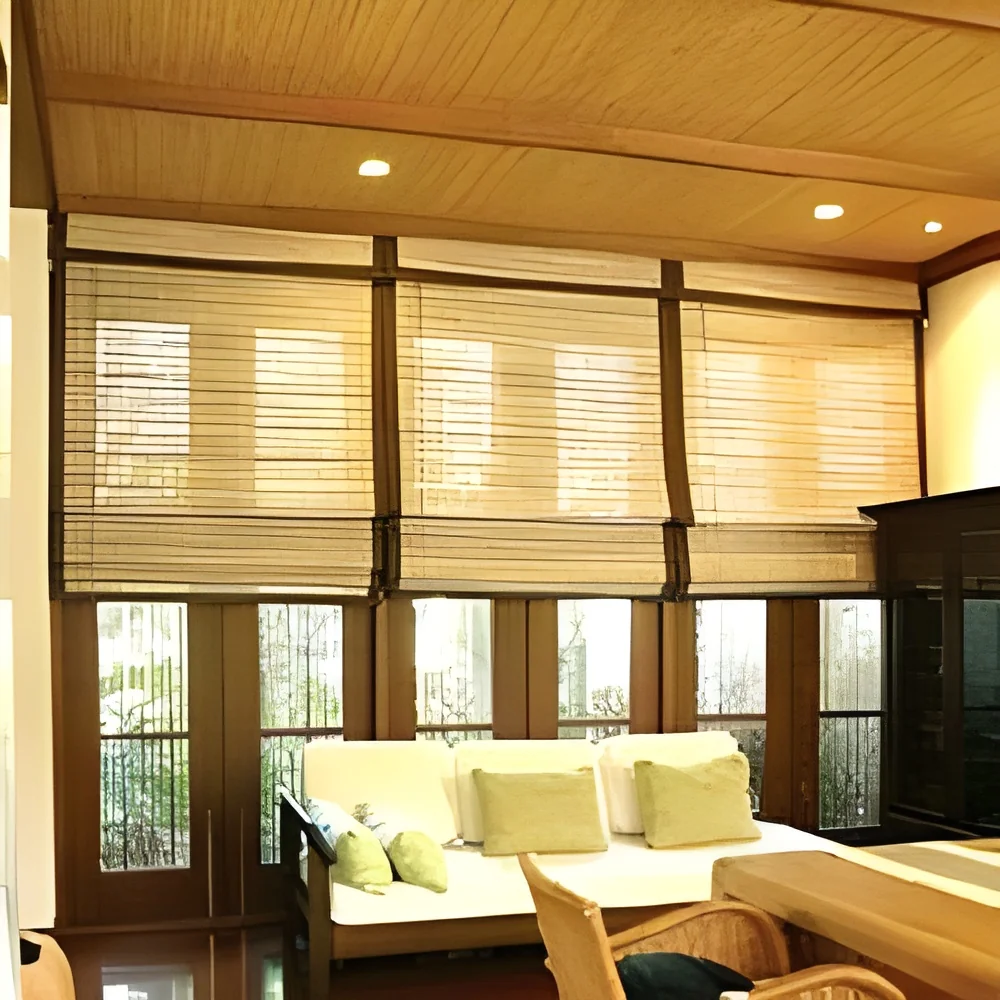
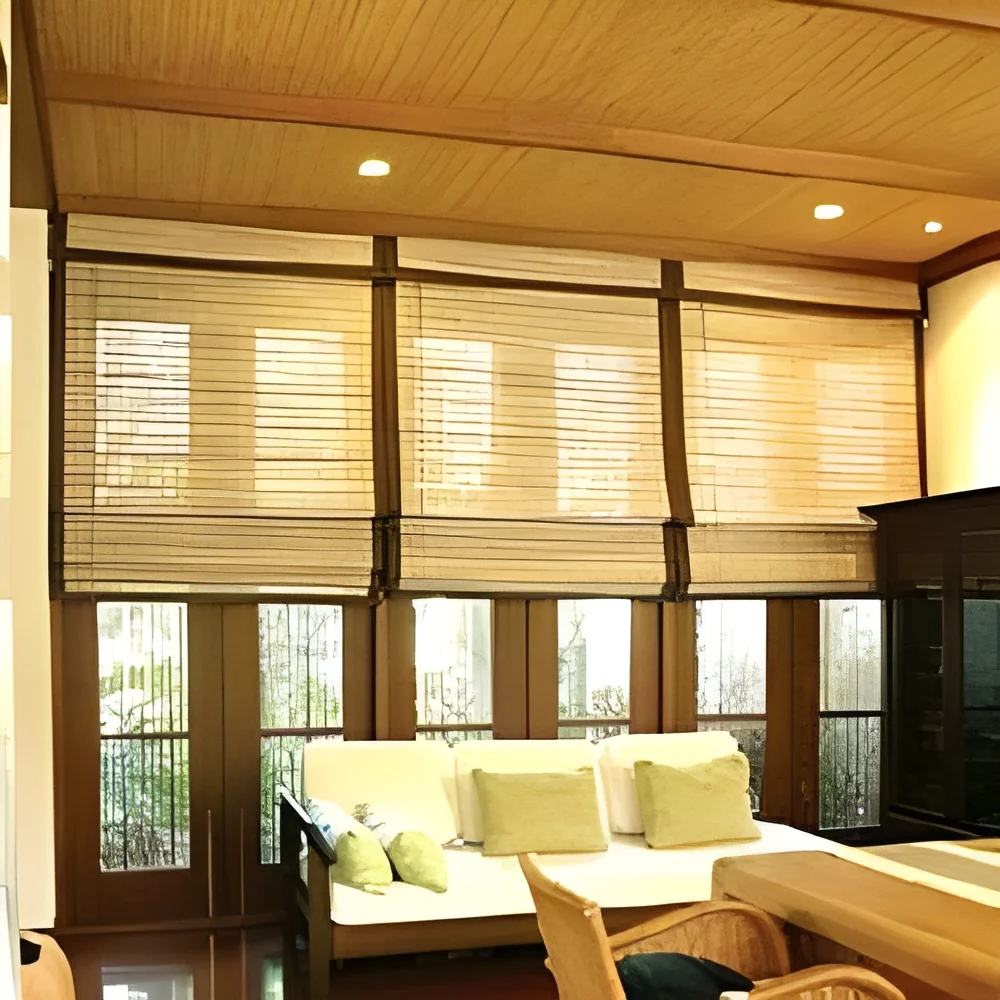
Bamboo and jute blinds are eco-friendly window coverings made from natural materials, specifically bamboo and jute fibers. These materials are known for their durability, aesthetic appeal, and sustainability. Bamboo blinds are typically woven to create a natural look that allows light filtration while providing privacy. Jute blinds, on the other hand, offer a rustic charm and are often used in combination with bamboo to enhance texture and design.
These blinds are widely used in various business applications, including offices, restaurants, and retail spaces. Their natural properties make them suitable for both indoor and outdoor settings. They are often chosen for their ability to control light and temperature while contributing to a green building initiative. As businesses increasingly seek sustainable options, the demand for bamboo and jute blinds is rising in the market.
In the context of industry relevance, bamboo and jute blinds align with global trends towards eco-consciousness and sustainable design. The market for green building materials is expanding, and these blinds represent a significant part of that movement. Companies looking to improve their sustainability profile often consider integrating bamboo and jute products into their designs.
Key Features and Specifications
Bamboo and jute blinds come with a range of features that enhance their functionality and appeal. These materials are not only attractive but also practical for various applications. Here are some key specifications to consider:
1. Material Composition
- Made from natural bamboo and jute fibers
- Environmentally friendly and biodegradable
2. Light Control
- Available in different weaves for varying light filtration
- Provides privacy while allowing natural light into spaces
3. Durability
- Resistant to wear and tear
- Capable of withstanding humidity and temperature changes
4. Installation Options
- Can be fitted inside or outside window frames
- Various mounting hardware available for easy installation
5. Customization
- Available in different colors and textures
- Can be tailored to specific sizes and designs
6. Maintenance
- Easy to clean with a damp cloth
- Requires minimal upkeep compared to synthetic blinds
7. Energy Efficiency
- Helps maintain indoor temperature
- Reduces energy costs associated with heating and cooling
8. Aesthetic Appeal
- Offers a natural and rustic look
- Complements various interior design styles
These features make bamboo and jute blinds a versatile choice for businesses looking to enhance their environment.
Common Applications and Use Cases
Bamboo and jute blinds serve a wide range of industries due to their versatility and sustainability.
1. Hospitality: Hotels and restaurants often use these blinds to create a warm and inviting atmosphere while providing light control for guest comfort.
2. Retail: Stores utilize bamboo and jute blinds to enhance visual merchandising and create a unique shopping experience that aligns with eco-friendly branding.
3. Offices: Many corporate environments are adopting these blinds to promote a sustainable work culture while improving employee well-being through natural light management.
4. Residential: Homeowners choose bamboo and jute blinds for their aesthetic appeal and energy-saving properties in living spaces.
5. Interior Design: Designers frequently incorporate these materials into projects for their organic textures and sustainable credentials.
6. Outdoor Spaces: Patios and sunrooms benefit from bamboo and jute blinds, which provide shade and privacy without compromising the natural feel of the outdoors.
7. Educational Institutions: Schools and colleges are increasingly selecting these blinds to create sustainable learning environments that reflect green values.
Product Variants and Subcategories
Bamboo and jute blinds come in various styles and designs, making them suitable for diverse applications.
Natural Bamboo Blinds: These blinds feature a straightforward design that showcases the natural grain of bamboo. They are lightweight, easy to install, and provide excellent light control, making them popular for both residential and commercial spaces.
Jute Roller Blinds: Jute roller blinds offer a unique texture and are ideal for spaces that require a softer aesthetic. They can be used in homes, offices, and cafes to create a cozy atmosphere while maintaining functionality.
Bamboo Roman Shades: These shades provide a sophisticated look with their elegant folds. They are perfect for more formal settings and are available in various patterns and colors to match different decor styles.
Benefits and Advantages
Bamboo and jute blinds offer numerous benefits that make them an appealing choice for businesses and homeowners alike.
1. Eco-Friendly: Made from renewable resources, these blinds contribute to sustainability efforts and reduce environmental impact.
2. Aesthetic Versatility: Their natural appearance complements various design themes, from rustic to modern.
3. Energy Efficiency: By regulating indoor temperatures, these blinds can lead to reduced heating and cooling costs.
4. Improved Indoor Air Quality: Bamboo and jute are less likely to harbor dust mites and allergens compared to synthetic materials, promoting a healthier environment.
5. Durability: These materials are known for their strength and resilience, providing long-lasting performance with minimal maintenance.
6. Customizable Options: The ability to customize size, color, and style allows businesses to tailor their window treatments to specific needs.
Buying Guide for B2B Buyers
When sourcing bamboo and jute blinds, B2B buyers should consider several important factors.
1. Quality Assessment: Evaluate the material quality, craftsmanship, and overall finish. Look for suppliers that adhere to industry standards to ensure longevity and performance.
2. Supplier Verification: Research potential suppliers thoroughly. Check their reputation, customer reviews, and any certifications they may hold to ensure reliability.
3. Pricing and MOQ: Understand the cost structure, including any minimum order quantities. Get quotes from multiple suppliers to compare pricing effectively.
4. Delivery and Lead Times: Inquire about shipping options and expected delivery times. Timely delivery can be crucial for project timelines.
5. Compliance Requirements: Be aware of any regional regulations regarding materials used in construction and interior design. Ensure that the blinds meet necessary compliance standards.
Compliance and Certifications
Bamboo and jute blinds must adhere to various quality standards to assure buyers of their safety and performance. Relevant certifications such as ISO 9001 help ensure consistent quality management systems are in place. CE certification may also be applicable, particularly in the European market, signifying compliance with health, safety, and environmental protection standards.
Safety and testing requirements are crucial in establishing trust with customers. It is advisable to ensure that the products have been tested for durability and environmental impact. Additionally, regional compliance considerations may vary, so it is essential to consult local regulations when sourcing these materials.
Why Source Bamboo & Jute Blinds from Pepagora?
Pepagora offers a trusted platform for sourcing bamboo and jute blinds, providing several key advantages to B2B buyers.
Verified Supplier Network: Pepagora connects buyers with a network of verified suppliers. This reduces the risk of sourcing low-quality materials and ensures a reliable supply chain.
Streamlined RFQ Process: The platform simplifies the request for quotation process, allowing buyers to easily obtain prices and specifications from multiple suppliers, saving time and effort.
Trade Assurance and Support: Pepagora offers trade assurance policies that protect buyers during transactions, ensuring that they receive the products as promised and on schedule.
Regional Coverage: With a broad geographic reach across India, the GCC, and Southeast Asia, Pepagora caters to businesses looking for bamboo and jute blinds in diverse markets. This regional focus enables efficient logistics and local supplier connections, enhancing the sourcing experience.

 India
 India
 India
Frequently Asked Questions
What are Bamboo & Jute Blinds?
Bamboo & Jute Blinds are window coverings made from natural materials, primarily bamboo and jute fibers. They are known for their eco-friendly properties, durability, and aesthetic appeal, providing a natural look to any space.
What are the different types of Bamboo & Jute Blinds?
There are various types of Bamboo & Jute Blinds, including roll-up blinds, vertical blinds, and roman shades. Each type offers different functionalities and styles, allowing for versatility in interior design.
How do I choose the right Bamboo & Jute Blinds?
To choose the right Bamboo & Jute Blinds, consider factors such as the size of your windows, the level of light filtering you desire, and the overall decor of your space. Additionally, assess the quality of materials and the ease of installation.
What are the standard specifications for Bamboo & Jute Blinds?
Standard specifications for Bamboo & Jute Blinds typically include dimensions, material thickness, and weight. Common sizes may vary, so it's important to check individual product specifications for accurate measurements.
What is the price range for Bamboo & Jute Blinds?
The price range for Bamboo & Jute Blinds can vary widely based on factors such as size, quality, and design. Generally, prices may start as low as INR 500 and can go up to INR 5,000 or more per blind.
What quality standards apply to Bamboo & Jute Blinds?
Quality standards for Bamboo & Jute Blinds include durability, resistance to moisture, and the absence of harmful chemicals. Compliance with environmental and safety regulations is also essential to ensure the product is safe for indoor use.
Where can I find Bamboo & Jute Blinds suppliers in India?
You can find Bamboo & Jute Blinds suppliers in India through online B2B marketplaces like Pepagora, local home improvement stores, or specialized window treatment retailers. It's advisable to compare different suppliers for quality and pricing.
Can Bamboo & Jute Blinds be customized?
Yes, Bamboo & Jute Blinds can often be customized to meet specific size and design requirements. Many manufacturers offer options for color, pattern, and additional features to suit individual preferences.
What is the typical minimum order quantity for Bamboo & Jute Blinds?
The typical minimum order quantity (MOQ) for Bamboo & Jute Blinds can vary by supplier and may range from a single unit to several dozen. It's best to check with the supplier regarding their specific MOQ policies.
What is the typical lead time for Bamboo & Jute Blinds?
The typical lead time for Bamboo & Jute Blinds can range from 1 to 4 weeks, depending on the supplier and availability of materials. Custom orders may require additional time for production and delivery.
Why Businesses Trust Pepagora
Thousands of companies trust Pepagora to source smarter and sell faster
Expand Your Sales Globally

Source Smarter,Grow Faster
