
 IN
Armoires & Wardrobes
1 products available
What are Armoires & Wardrobes?
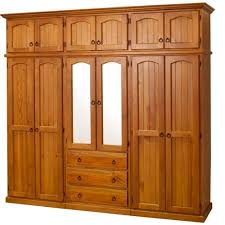
Armoires and wardrobes are essential storage solutions designed for organizing clothing, accessories, and other personal items. Typically standing furniture, armoires are characterized by their large, cabinet-like structure featuring doors that open to reveal ample storage space. Wardrobes, while similar, may include additional features such as integrated drawers or shelving, making them versatile for various storage needs. Both types of furniture serve to declutter living spaces while providing aesthetic appeal in residential and commercial settings.
In business applications, armoires and wardrobes are commonly found in retail environments, hospitality sectors, and residential spaces. They are vital in hotels for guest room organization, in retail to display clothing, and in residential homes for personal storage. The demand for stylish and functional storage solutions is significant across various sectors, reflecting trends toward space optimization and efficient organization.
The market for armoires and wardrobes continues to grow, driven by increasing consumer interest in home organization and interior design. As furniture manufacturers adapt to evolving trends, these storage solutions are becoming more customized, catering to the specific needs of different industries. This has led to a more competitive landscape, with businesses seeking innovative designs and durable materials that enhance the user experience.
Key Features and Specifications
Armoires and wardrobes come with a variety of features that enhance their functionality and appeal. These features can vary widely based on the intended use, materials, and design preferences.
Key specifications include:
1. Size and Dimensions
- Vary based on model and design
- Standard heights range from 5 to 7 feet, widths from 3 to 6 feet
2. Material Composition
- Commonly made from wood, metal, or composite materials
- Durability and finish options available to suit different environments
3. Storage Capacity
- Varies by design, with options for hanging space, shelves, and drawers
- Can accommodate various item sizes, from clothing to accessories
4. Customization Options
- Many manufacturers offer bespoke designs
- Features can include additional shelving, mirrors, or integrated lighting
5. Finishing Options
- Available in various finishes such as lacquer, matte, or wood stain
- Custom finishes can enhance aesthetic appeal
6. Security Features
- Some models include locks for added security
- Ideal for storing valuable items in commercial settings
7. Mobility Features
- Certain designs feature wheels or casters for easy movement
- Useful in spaces that require flexibility in layout
8. Environmental Considerations
- Many products are made from sustainable materials
- Compliance with eco-friendly production standards is increasingly common
In summary, the specifications of armoires and wardrobes are designed to meet diverse storage needs while providing aesthetic appeal and functionality.
Common Applications and Use Cases
Armoires and wardrobes serve various industries, providing tailored solutions for specific applications.
1. Retail: In clothing stores, armoires display collections while offering storage for stock. They act as focal points in visual merchandising.
2. Hospitality: Hotels utilize wardrobes in guest rooms for optimal storage solutions, enhancing the guest experience with organized space.
3. Residential: Homeowners use wardrobes for personal clothing and accessories, contributing to home organization and style.
4. Healthcare: In medical facilities, wardrobes serve as storage for uniforms and personal items, ensuring a tidy environment.
5. Education: Schools and universities use armoires for storing sports equipment and educational materials, promoting organized spaces for students.
6. Corporate: Offices may incorporate wardrobes for employee personal items, enhancing workplace organization and professionalism.
7. Event Management: Event planners use portable wardrobes to organize costumes and props, facilitating smooth event execution.
Product Variants and Subcategories
Armoires and wardrobes come in various designs and styles, each catering to different needs and preferences.
Classic Armoire
This variant features traditional designs with ornate detailing and wood finishes. Ideal for homes seeking a vintage aesthetic, classic armoires provide ample storage with a focus on craftsmanship.
Modern Wardrobe
Characterized by sleek lines and minimalist designs, modern wardrobes appeal to contemporary spaces. They often include built-in features such as drawers and mirrors, maximizing utility.
Customizable Wardrobe
This type allows for tailored design options, enabling buyers to select sizes, materials, and internal configurations. Customizable wardrobes are ideal for unique spaces or specific storage needs.
Space-Saving Wardrobe
Designed for smaller areas, space-saving wardrobes utilize vertical space efficiently. These variants may include foldable components or compact designs without compromising storage functionality.
Benefits and Advantages
Investing in armoires and wardrobes offers several advantages for businesses and consumers alike.
Key benefits include:
1. Maximal Storage: Armoires and wardrobes provide significant storage space, helping to reduce clutter and improve organization.
2. Aesthetic Appeal: These furniture pieces enhance the decor of any space, combining functionality with style.
3. Customization: Many options allow businesses to tailor their storage solutions to their specific needs, ensuring optimal use of space.
4. Durability: High-quality materials ensure longevity and resilience, making armoires and wardrobes a wise investment.
5. Versatility: Suitable for various environments, from homes to retail spaces, these products adapt to diverse applications.
6. Security Options: With locking mechanisms, they provide a secure solution for storing valuable items, particularly in commercial settings.
Buying Guide for B2B Buyers
When sourcing armoires and wardrobes, several factors should be considered to ensure a satisfactory purchase.
1. Quality Assessment: Evaluate the materials and craftsmanship to ensure durability. Look for warranties or quality guarantees from suppliers.
2. Supplier Verification: Vet suppliers by checking references, reviews, and certifications. A reliable supplier should have a proven track record in delivering quality products.
3. Pricing and MOQ: Consider the pricing structure and minimum order quantities. Compare quotes from multiple suppliers to ensure competitive pricing.
4. Delivery and Lead Times: Discuss logistics and expected delivery times to avoid delays. Ensure suppliers can meet your timeline requirements.
5. Compliance Requirements: Be aware of any regulatory standards or certifications, such as CE, that the products should meet, especially for commercial applications.
Compliance and Certifications
Armoires and wardrobes must adhere to relevant quality standards and certifications to ensure safety and performance. Key standards include ISO 9001, which emphasizes quality management systems, ensuring products meet customer and regulatory requirements.
In addition, industry certifications such as CE indicate compliance with European safety standards. These certifications assure buyers of the product's safety and reliability.
Safety and testing requirements must also be considered, particularly for commercial applications where durability and safety are crucial. Manufacturers should provide documentation of testing for materials and construction.
Regional compliance considerations may vary based on local regulations, necessitating a thorough understanding of market-specific requirements to ensure proper compliance.
Why Source Armoires & Wardrobes from Pepagora?
Pepagora provides a trusted platform for sourcing armoires and wardrobes with several key advantages.
Verified Supplier Network: The platform features a network of thoroughly vetted suppliers, ensuring that buyers can access high-quality products with confidence. This verification process helps mitigate risks associated with sourcing.
Streamlined RFQ Process: Pepagora simplifies the request for quotation process, allowing buyers to easily compare multiple offers from different suppliers. This efficiency saves time and enables informed decision-making.
Trade Assurance and Support: Buyers benefit from trade assurance policies that protect their transactions. Pepagora offers dedicated support to address any issues that may arise during the sourcing process.
Regional Coverage: With a strong presence in India, the GCC, and Southeast Asia, Pepagora connects buyers with suppliers across diverse markets, facilitating easier access to products and services tailored to regional needs.


 India
Frequently Asked Questions
What are Armoires & Wardrobes?
Armoires and wardrobes are types of furniture primarily used for storing clothing and personal items. They typically feature a combination of hanging space, shelves, and drawers, providing a practical solution for organization in bedrooms and dressing areas.
What are the different types of Armoires & Wardrobes?
There are several types of armoires and wardrobes, including freestanding, built-in, and sliding-door designs. They can vary in style from traditional to modern, and may include features such as mirrors, additional shelving, or adjustable compartments.
How do I choose the right Armoires & Wardrobes?
To choose the right armoire or wardrobe, consider the size of your space, your storage needs, and the overall style of your room. It's also important to assess the materials and construction quality to ensure durability and longevity.
What are the standard specifications for Armoires & Wardrobes?
Standard specifications for armoires and wardrobes include dimensions such as height, width, and depth, as well as the type and number of compartments or features they offer. Additionally, specifications may include the materials used, such as wood, metal, or engineered wood.
What is the price range for Armoires & Wardrobes?
The price range for armoires and wardrobes can vary widely based on factors like material, brand, and design. Generally, prices can start as low as INR 5,000 and can go up to INR 50,000 or more for high-end models.
What quality standards apply to Armoires & Wardrobes?
Quality standards for armoires and wardrobes typically include durability, stability, and finish quality. Many manufacturers adhere to specific industry certifications to ensure their products meet safety and performance benchmarks.
Where can I find Armoires & Wardrobes suppliers in India?
You can find armoires and wardrobes suppliers in India through online B2B marketplaces like Pepagora.com, local furniture stores, or trade fairs specializing in home furnishings. It's advisable to compare multiple suppliers to find the best options.
Can Armoires & Wardrobes be customized?
Yes, many manufacturers offer customization options for armoires and wardrobes. Customization can include specific dimensions, material choices, and internal configurations to suit individual preferences and needs.
What is the typical minimum order quantity for Armoires & Wardrobes?
The typical minimum order quantity (MOQ) for armoires and wardrobes can vary by supplier, but it often ranges from 5 to 50 units. It's important to check with individual suppliers for their specific MOQs.
What is the typical lead time for Armoires & Wardrobes?
The typical lead time for armoires and wardrobes can range from 4 to 12 weeks, depending on factors such as customization, availability of materials, and the supplier's production schedule. It's best to confirm lead times directly with the supplier.
Why Businesses Trust Pepagora
Thousands of companies trust Pepagora to source smarter and sell faster
Expand Your Sales Globally

Source Smarter,Grow Faster
