
 IN
Aluminum Foil Laminates
9 products available
What are Aluminum Foil Laminates?
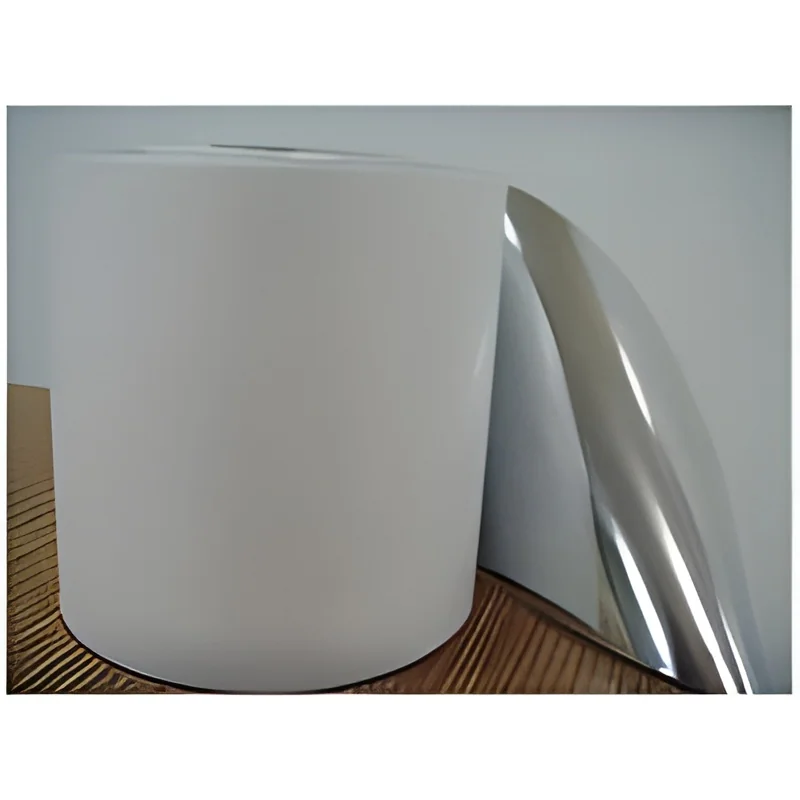
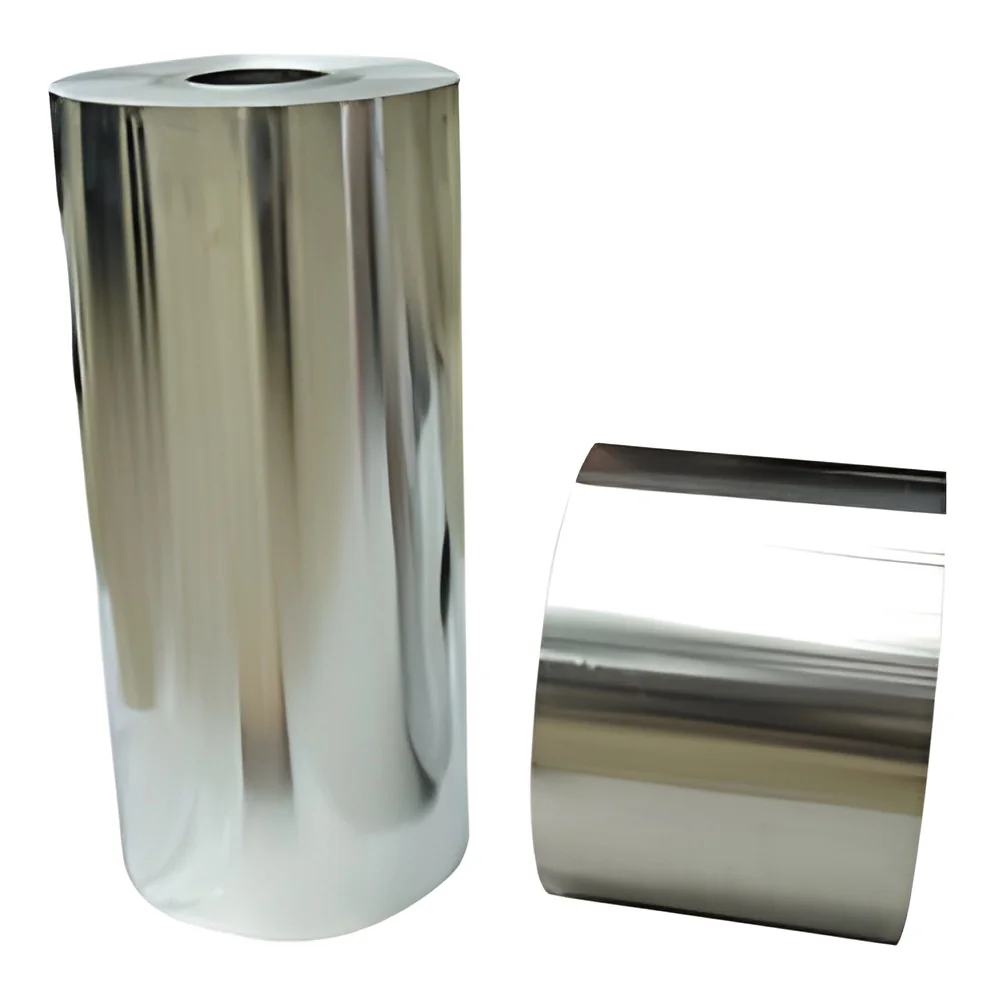
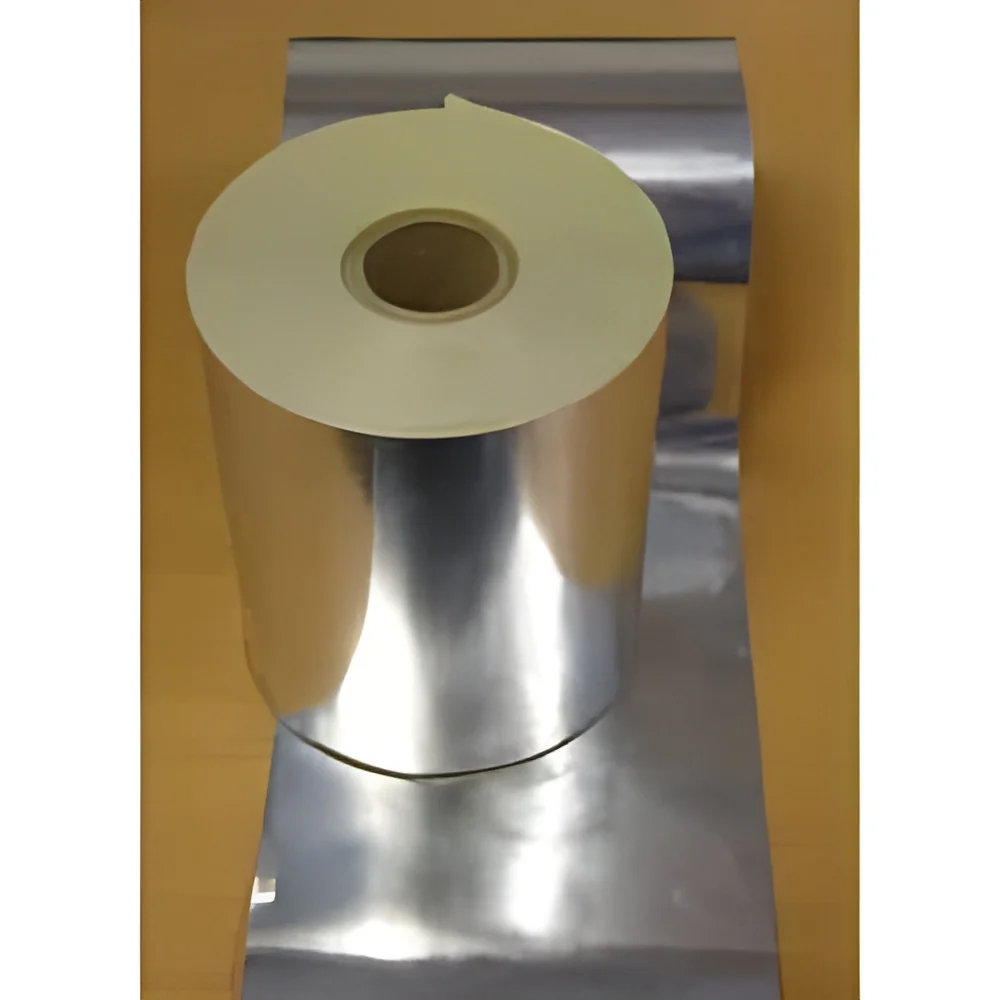
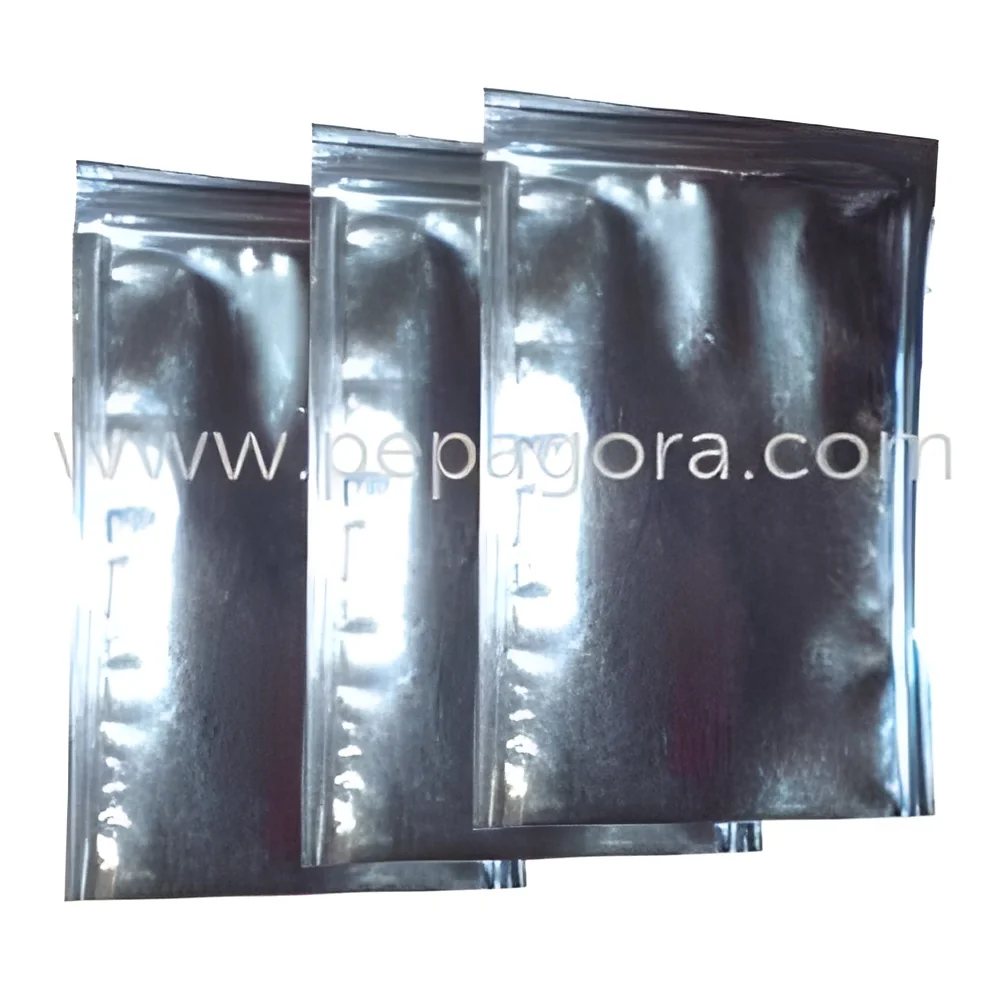
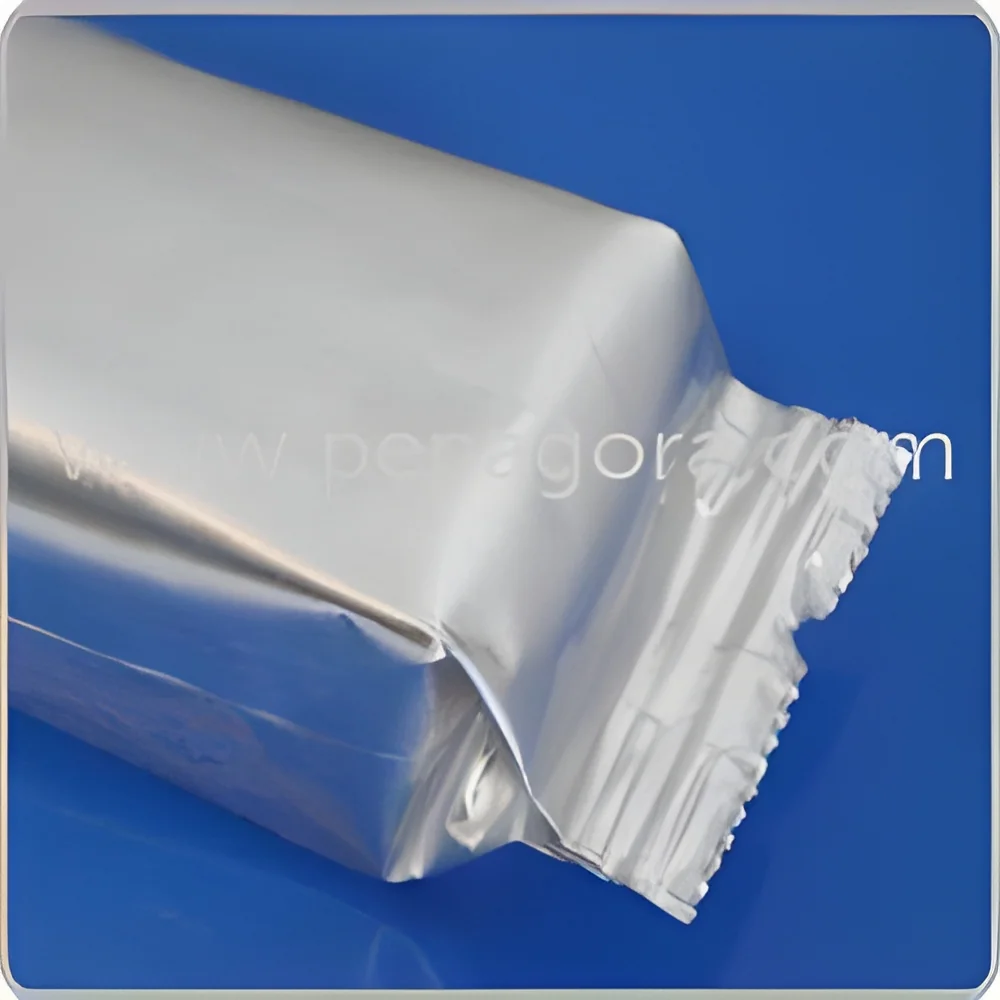
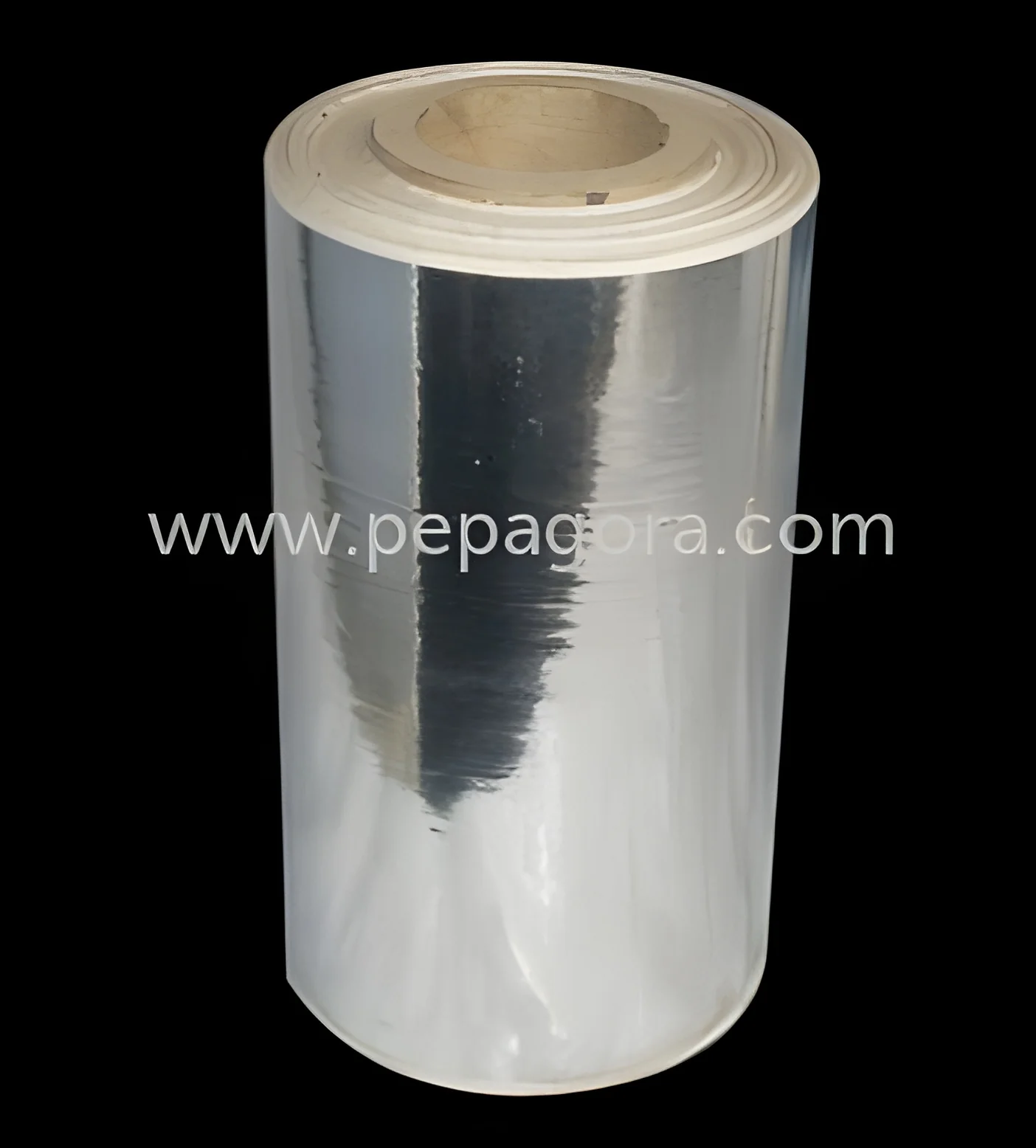
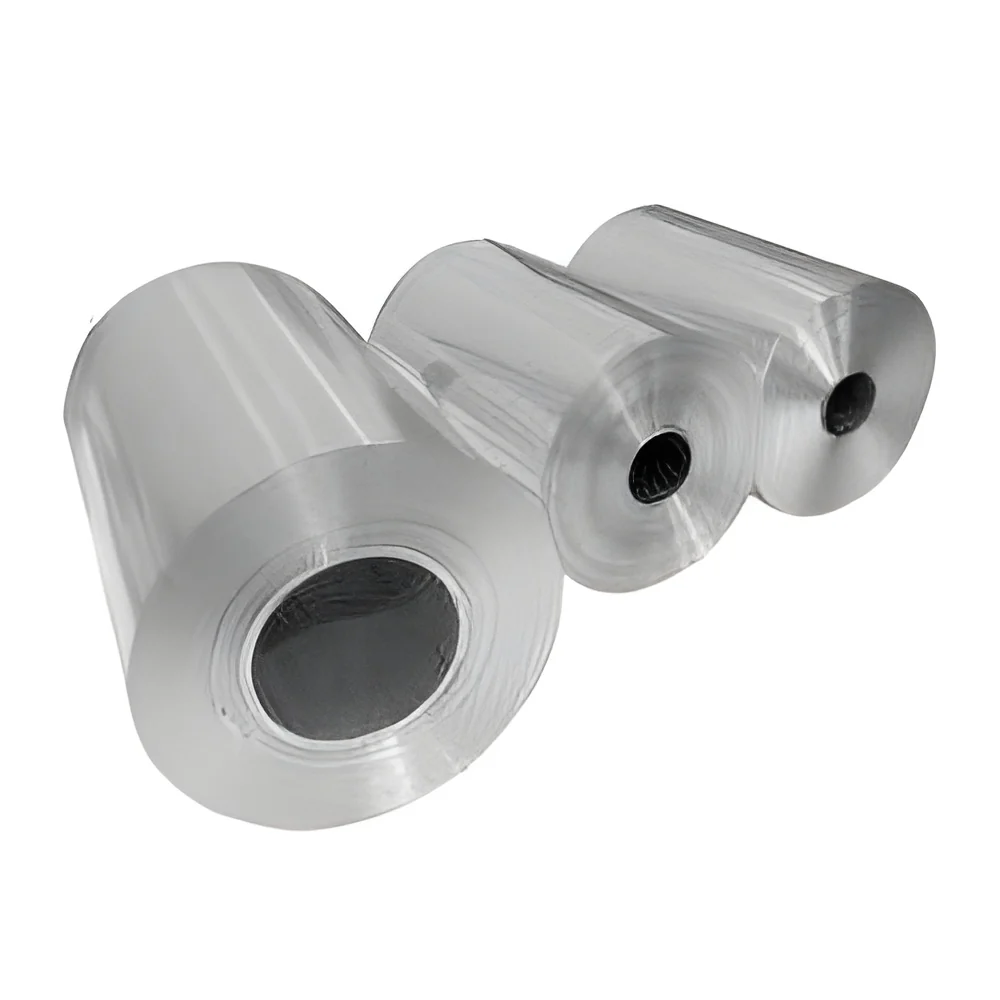
Aluminum foil laminates are versatile materials made by combining layers of aluminum foil with other substrates such as plastic films or paper. This lamination process enhances the physical properties of aluminum, providing additional benefits such as improved barrier performance, flexibility, and durability. The resulting product is lightweight yet strong, making it suitable for a wide range of applications.
These laminates are primarily used in packaging, food preservation, and insulation. In the packaging industry, aluminum foil laminates are favored for their ability to protect contents from moisture, light, and oxygen, which can degrade product quality. They are also widely used in the pharmaceutical sector to ensure the integrity and safety of medications. As a result, aluminum foil laminates play a crucial role in various industries, contributing to product longevity and consumer safety.
With the growing demand for sustainable and effective packaging solutions, aluminum foil laminates are increasingly relevant in today's market. Industries are looking for materials that not only meet performance standards but also align with environmental considerations. As a result, the aluminum foil laminates market continues to expand, driven by innovations in material science and manufacturing processes.
Key Features and Specifications
Aluminum foil laminates come with a variety of features that enhance their utility across different applications. Their specifications can vary based on the intended use and required performance characteristics. Understanding these features is essential for businesses looking to implement aluminum foil laminates in their operations.
Key specifications include:
1. Barrier Properties
- Excellent resistance to gases, moisture, and light
- Ideal for food and pharmaceutical packaging
2. Thickness
- Typically available in thicknesses ranging from 7 to 50 microns
- Thickness affects the strength and flexibility of the laminate
3. Adhesive Types
- Various adhesives used for lamination, including solvent-based and water-based
- Choice of adhesive impacts performance and compliance with safety standards
4. Temperature Resistance
- Can withstand a wide range of temperatures, depending on the application
- Suitable for both cold and hot-fill processes
5. Mechanical Strength
- High tensile strength for durability
- Resistance to punctures and tears
6. Printability
- Suitable for various printing techniques
- Can be customized with branding and product information
7. Compliance Standards
- Adheres to industry standards such as CE marking
- Ensures safety and quality for consumer products
8. Lightweight Nature
- Reduces shipping costs and environmental impact
- Enhances ease of handling and processing
In summary, aluminum foil laminates offer a combination of barrier protection, mechanical strength, and versatility, making them a preferred choice for many industries.
Common Applications and Use Cases
Aluminum foil laminates are utilized in a diverse range of industries due to their unique properties.
1. Food and Beverage: These laminates are widely used for packaging snacks, beverages, and ready-to-eat meals, helping to extend shelf life and maintain product freshness.
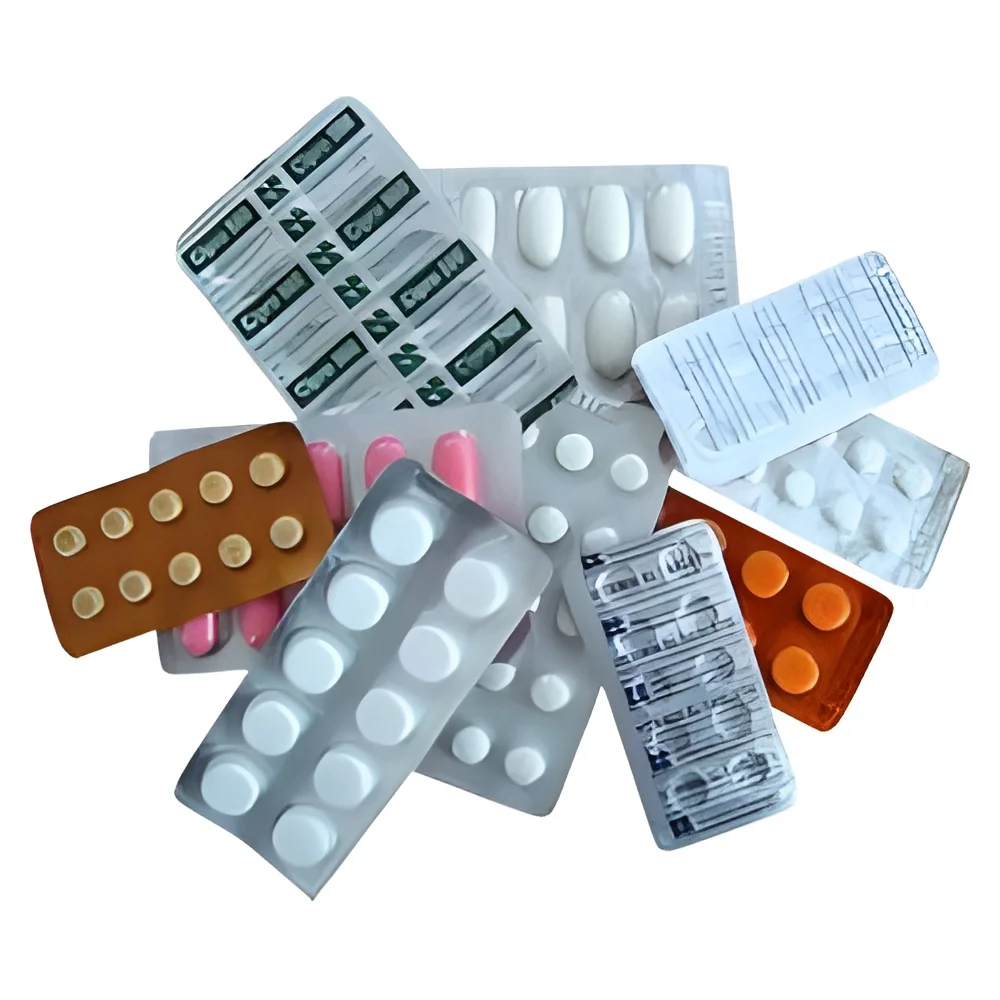
2. Pharmaceuticals: In the pharmaceutical industry, aluminum foil laminates are essential for blister packaging, ensuring that medications remain protected from moisture and contamination.
3. Cosmetics: Many cosmetic products utilize aluminum foil laminates for their packaging, providing an attractive appearance while protecting sensitive ingredients.
4. Electronics: Aluminum foil laminates are used in the electronics industry for insulation and shielding, protecting sensitive components from electromagnetic interference.
5. Building and Construction: These laminates are employed in insulation materials, enhancing energy efficiency by providing thermal barrier properties.
6. Healthcare: In medical applications, aluminum foil laminates are used for packaging surgical instruments and supplies, ensuring sterility and safety.
7. Industrial Applications: Various industrial products, including adhesives and coatings, benefit from the protective properties of aluminum foil laminates.
Product Variants and Subcategories
Aluminum foil laminates are available in various forms to meet specific industry needs. Each variant offers distinct features suited for particular applications.
Standard Aluminum Foil Laminates
These are the most common type, providing excellent barrier properties for general packaging applications. They are widely used in food and pharmaceutical sectors.
Printed Aluminum Foil Laminates
Designed for branding, these laminates can be customized with high-quality prints. They are ideal for consumer products that require appealing visual presentation.
Heat-Sealable Aluminum Foil Laminates
This variant allows for easy sealing during packaging processes, making it ideal for products that require airtight seals, such as food items.
Retort Aluminum Foil Laminates
These laminates are designed to withstand high-temperature sterilization processes, making them suitable for ready-to-eat meals and canned products.
Benefits and Advantages
Choosing aluminum foil laminates offers numerous benefits for businesses looking to enhance their product packaging and performance.
1. Superior Protection: Aluminum foil laminates provide excellent barrier properties against moisture, light, and oxygen, ensuring product integrity.
2. Versatility: These laminates can be tailored for various applications, making them suitable for a wide range of industries.
3. Lightweight: The lightweight nature of aluminum foil laminates reduces shipping costs and environmental impact.
4. Customization: Businesses can customize laminates with prints and designs, enhancing brand visibility and consumer appeal.
5. Cost-Effective: Aluminum foil laminates offer a cost-effective solution for packaging, balancing performance with affordability.
6. Compliance: Many aluminum foil laminates meet international safety and quality standards, ensuring peace of mind for manufacturers and consumers alike.
Buying Guide for B2B Buyers
When sourcing aluminum foil laminates, it is essential for B2B buyers to consider several factors that can influence their purchasing decisions.
1. Quality Assessment: Evaluate the quality of the laminates based on their barrier properties, thickness, and adherence to industry standards. Conducting tests or requesting samples can help ensure quality.
2. Supplier Verification: Vet suppliers to ensure they have a proven track record of delivering high-quality products. Look for certifications and customer testimonials to gauge reliability.
3. Pricing and MOQ: Understand the pricing structure and minimum order quantities (MOQ) to ensure that it aligns with your budget and production needs. Negotiating bulk discounts can also be beneficial.
4. Delivery and Lead Times: Consider the logistics involved in sourcing laminates, including delivery times and shipping costs. Ensure that suppliers can meet your timeline requirements.
5. Compliance Requirements: Ensure that the aluminum foil laminates meet relevant regulatory standards for your industry. This may include food safety certifications or other compliance documentation.
Compliance and Certifications
Aluminum foil laminates must adhere to various quality and safety standards to ensure they are suitable for their intended applications. Key standards include ISO 9001, which outlines requirements for quality management systems, and HACCP, which focuses on food safety management. Compliance with Good Distribution Practices (GDP) is also crucial in sectors such as pharmaceuticals.
Industry certifications, such as CE marking, indicate that the product meets European safety standards. Testing requirements may vary based on the intended use of the laminates, including assessments for moisture resistance and tensile strength.
Buyers should also consider regional compliance requirements, which may influence the selection of aluminum foil laminates. Ensuring that products meet local regulations helps mitigate risks and enhances consumer confidence.
Why Source Aluminum Foil Laminates from Pepagora?
Pepagora is an established platform for sourcing aluminum foil laminates, offering several advantages to B2B buyers.
Verified Supplier Network: Pepagora connects buyers with a network of verified suppliers who have undergone rigorous screening. This ensures that buyers have access to high-quality products from reliable sources.
Streamlined RFQ Process: The platform provides a straightforward Request for Quotation (RFQ) process, allowing buyers to easily request quotes from multiple suppliers. This saves time and helps businesses find the best deals.
Trade Assurance and Support: Pepagora offers trade assurance, providing buyers with protection throughout the purchasing process. Dedicated support teams are available to assist with any inquiries or challenges that may arise.
Regional Coverage: With a strong presence in India, GCC, and Southeast Asia, Pepagora offers regional coverage that facilitates easy sourcing for businesses in these markets. This geographic reach enhances accessibility and ensures timely delivery of products.
In conclusion, Pepagora serves as a one-stop solution for businesses seeking aluminum foil laminates, combining a verified supplier network with excellent customer support and regional expertise.

 India
 India
 India
 India
 India
Frequently Asked Questions
What are Aluminum Foil Laminates?
Aluminum Foil Laminates are composite materials made by bonding aluminum foil with various substrates such as paper, plastic, or other films. They are widely used for packaging applications due to their excellent barrier properties, which help in preserving the freshness and quality of products.
What are the different types of Aluminum Foil Laminates?
There are several types of Aluminum Foil Laminates, including plain aluminum laminates, printed aluminum laminates, and those with special coatings for specific applications. Each type serves different purposes, such as food packaging, pharmaceutical packaging, or industrial uses.
How do I choose the right Aluminum Foil Laminates?
Choosing the right Aluminum Foil Laminates involves considering factors such as the intended application, barrier properties, thickness, and compatibility with the product being packaged. It is also important to assess the environmental conditions the laminates will be exposed to.
What are the standard specifications for Aluminum Foil Laminates?
Standard specifications for Aluminum Foil Laminates typically include thickness (measured in microns), barrier properties (such as moisture and oxygen permeability), and tensile strength. These specifications can vary based on the intended use and applicable industry standards.
What is the price range for Aluminum Foil Laminates?
The price range for Aluminum Foil Laminates can vary widely depending on factors such as material quality, thickness, and order volume. Generally, prices can range from a few hundred to several thousand Indian Rupees per kilogram.
What quality standards apply to Aluminum Foil Laminates?
Aluminum Foil Laminates must comply with various quality standards such as ISO 9001 for quality management and packaging-specific standards like FDA regulations for food contact materials. Ensuring compliance with these standards is crucial for safety and efficacy.
Where can I find Aluminum Foil Laminates suppliers in India?
You can find Aluminum Foil Laminates suppliers in India through B2B marketplaces like Pepagora, trade shows, industry directories, and local manufacturing hubs. It's advisable to evaluate suppliers based on their product range, quality, and customer reviews.
Can Aluminum Foil Laminates be customized?
Yes, Aluminum Foil Laminates can be customized in terms of size, thickness, and printing options to meet specific requirements. Customization options allow businesses to create unique packaging solutions that align with their branding and product needs.
What is the typical minimum order quantity for Aluminum Foil Laminates?
The typical minimum order quantity (MOQ) for Aluminum Foil Laminates can vary by supplier but is generally around 100 to 500 kilograms. It's important to check with individual suppliers for their specific MOQs.
What is the typical lead time for Aluminum Foil Laminates?
The typical lead time for Aluminum Foil Laminates can range from 2 to 4 weeks, depending on the supplier, order size, and customization requirements. It's advisable to confirm lead times with the supplier during the ordering process.
Why Businesses Trust Pepagora
Thousands of companies trust Pepagora to source smarter and sell faster
Expand Your Sales Globally

Source Smarter,Grow Faster
