IN
IN₹
Apparel & Fashion
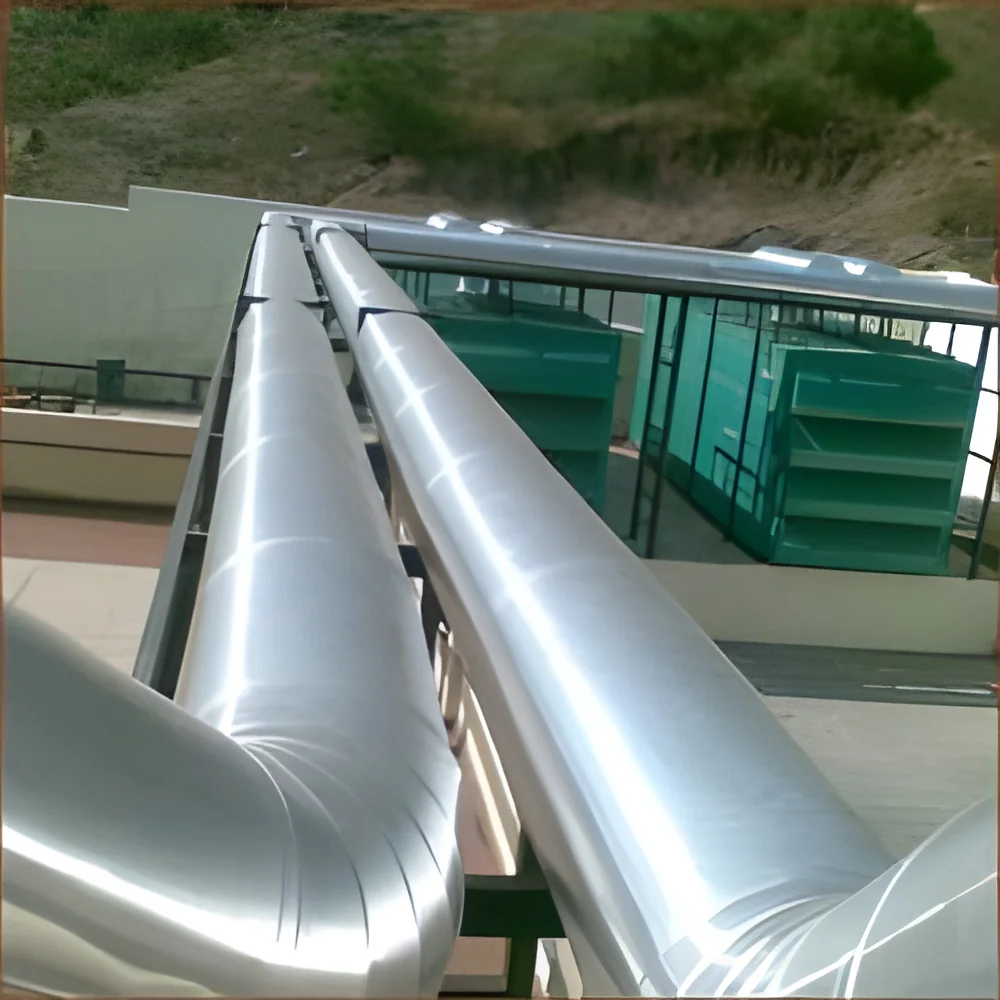
Description
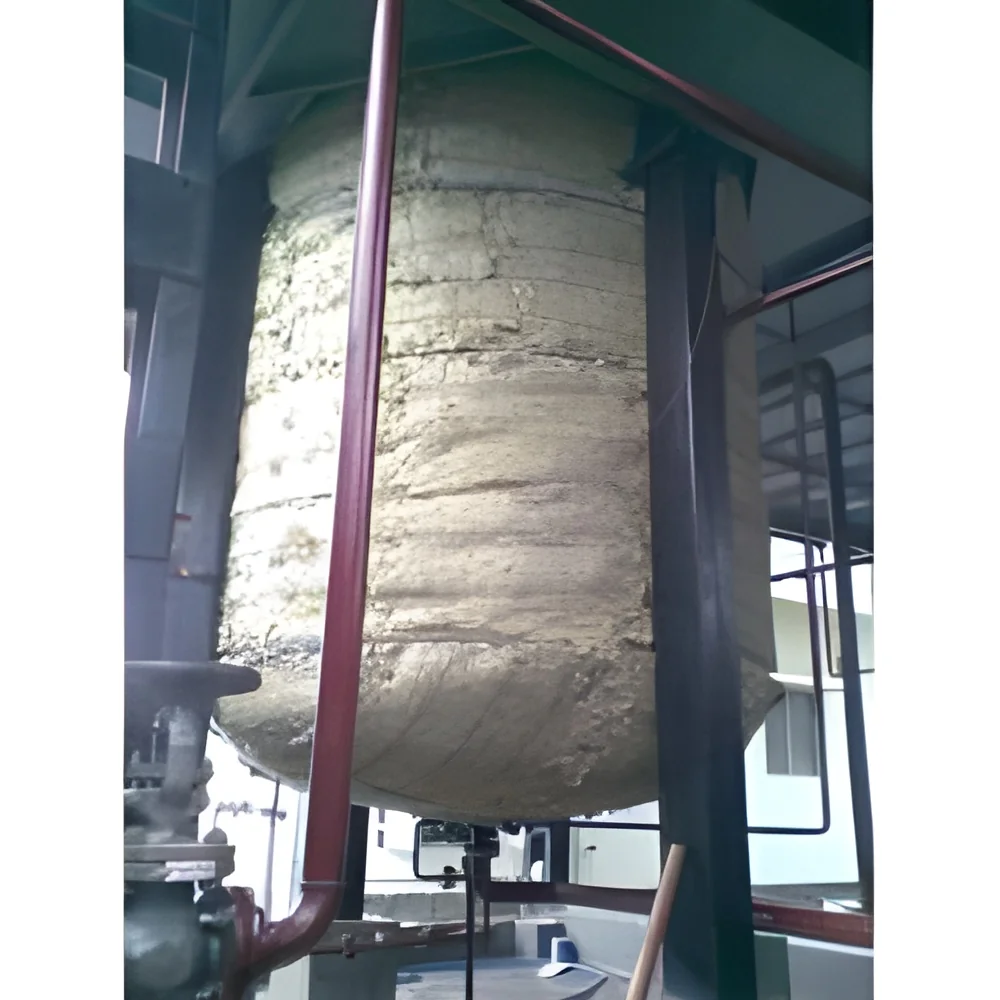
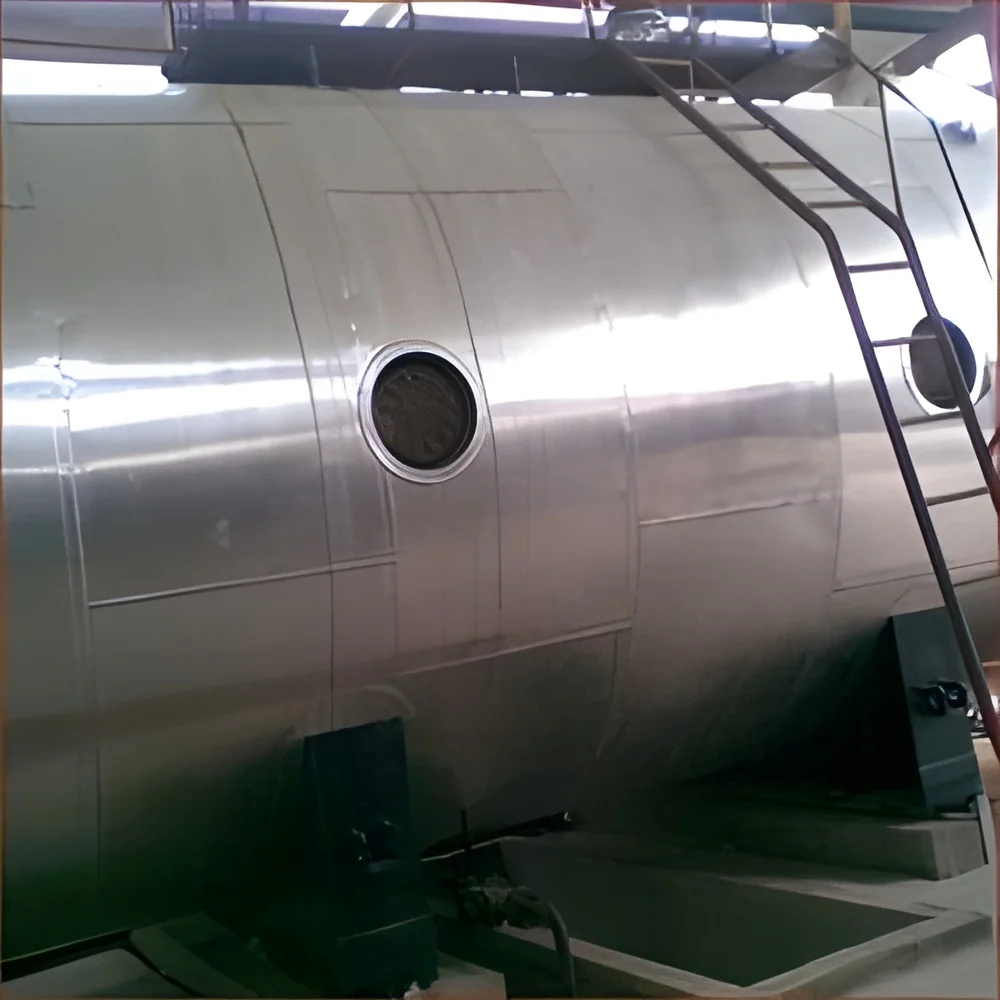
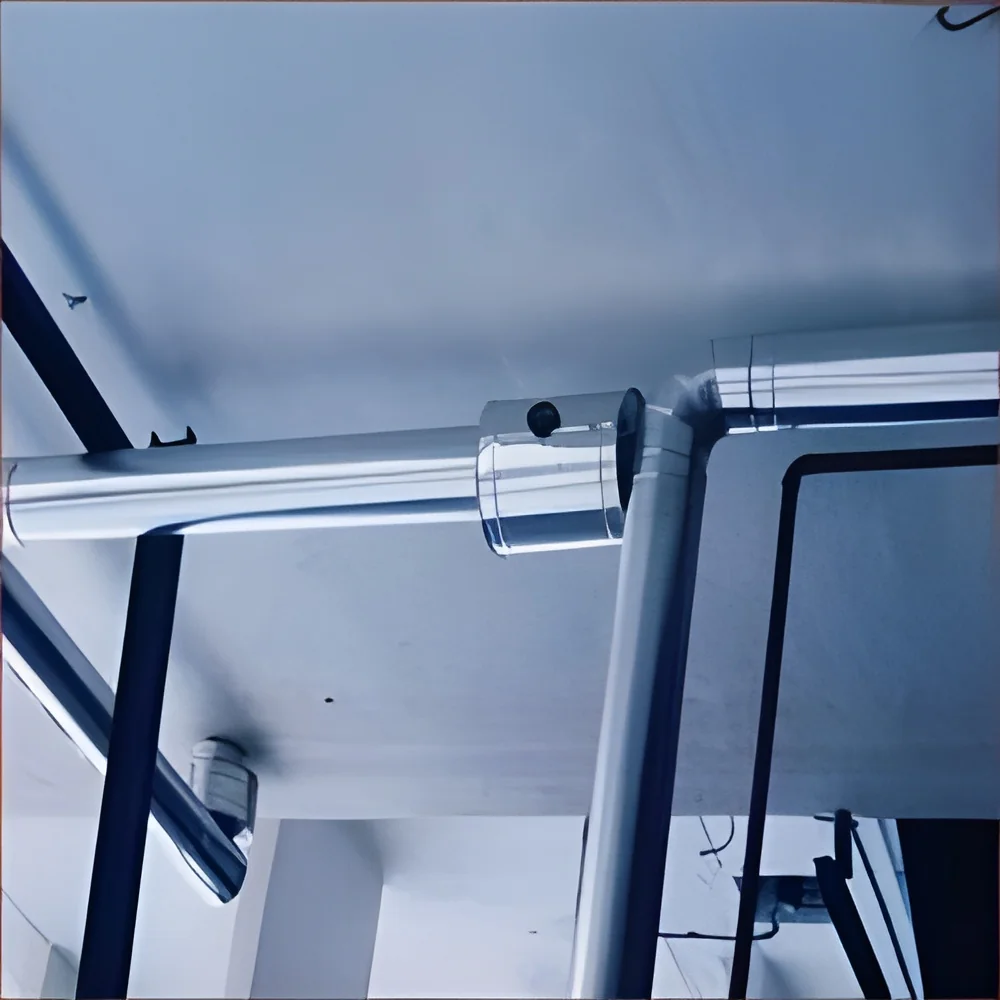
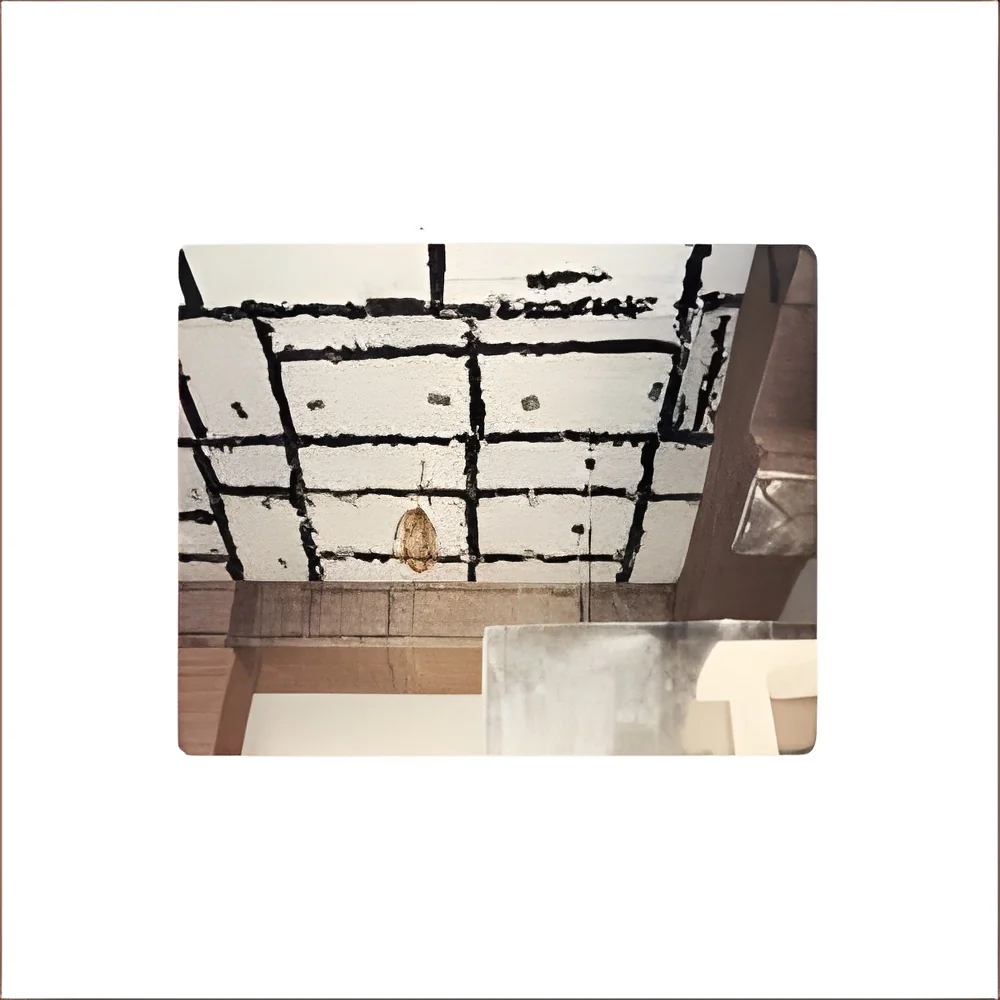
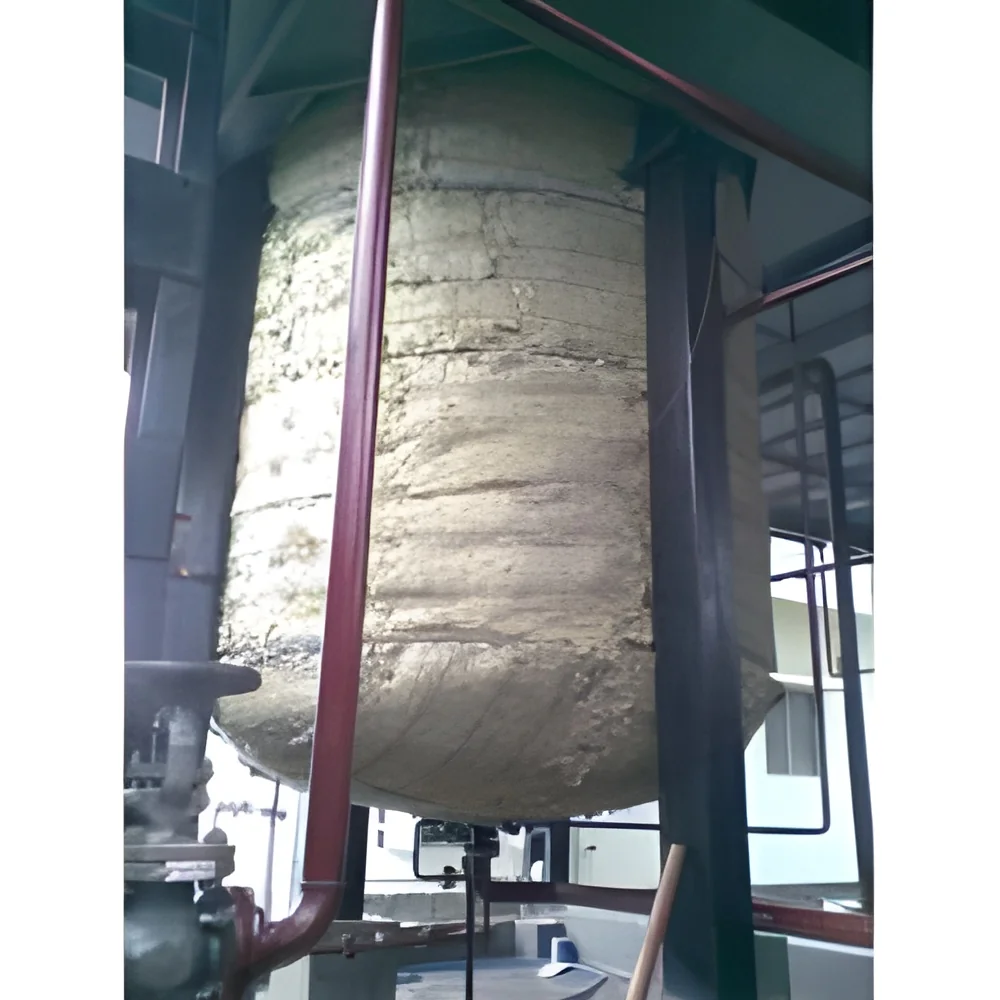
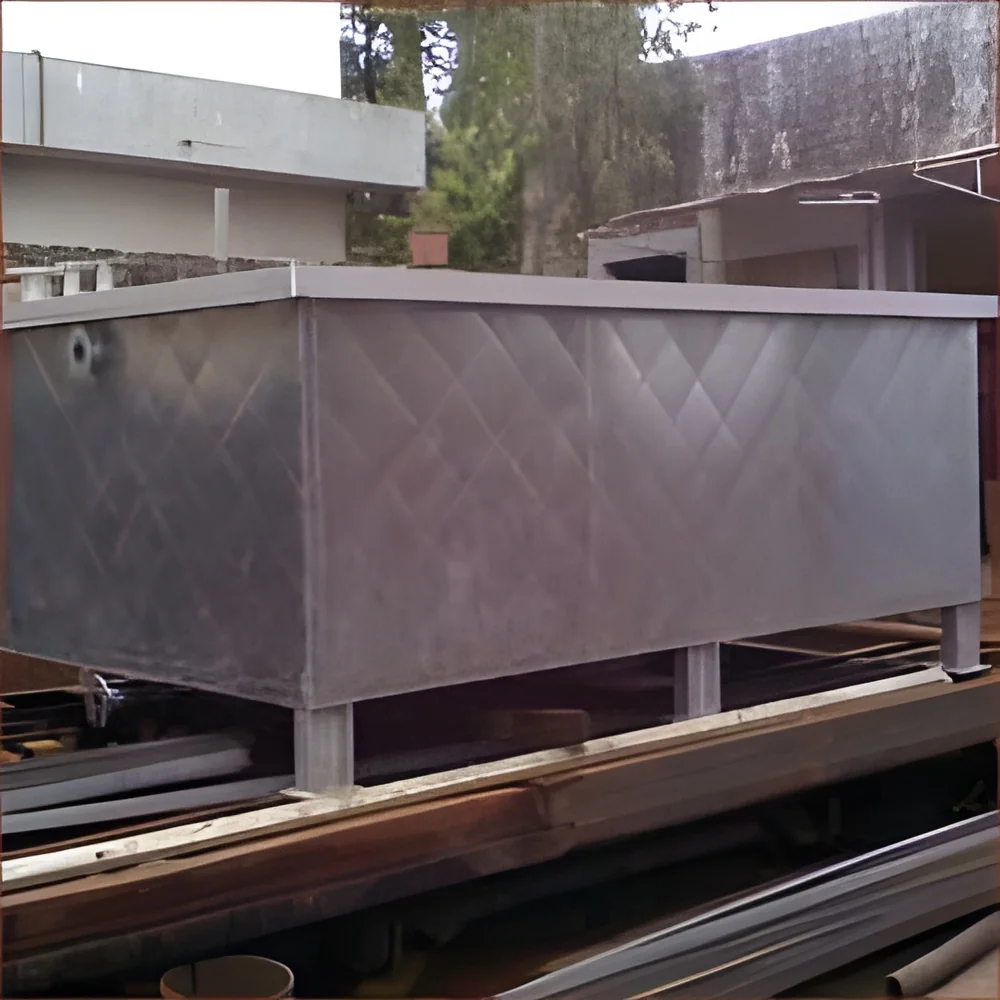
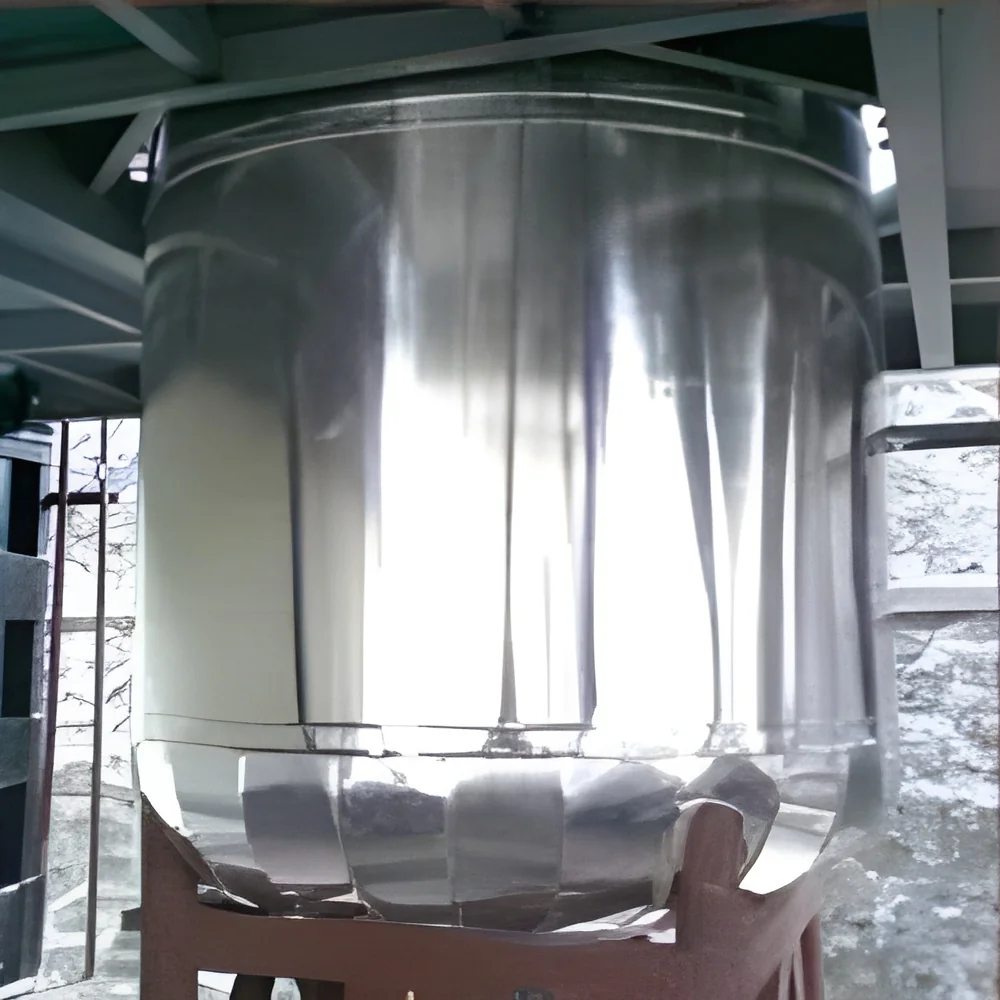
Industrial exhaust pipeline insulation represents a critical component for operational efficiency and workplace safety in demanding industrial environments. Engineered specifically for high-temperature applications, this insulation effectively minimizes heat loss from exhaust systems, ensuring thermal energy is contained within the pipeline. This containment directly translates to improved energy efficiency, as less heat is wasted to the surroundings. Beyond energy savings, the insulation creates a vital safety barrier by significantly lowering the external surface temperature of exhaust pipes, protecting personnel from accidental contact burns and reducing fire risks near combustible materials. Constructed from premium, durable materials, it is designed to withstand continuous exposure to extreme temperatures, corrosive atmospheres, and mechanical vibration, ensuring long-term reliability without frequent replacement needs.

This insulation serves as a foundational element across heav...
Industrial exhaust pipeline insulation represents a critical component for operational efficiency and workplace safety in demanding industrial environments. Engineered specifically for high-temperature applications, this insulation effectively minimizes heat loss from exhaust systems, ensuring thermal energy is contained within the pipeline. This containment directly translates to improved energy efficiency, as less heat is wasted to the surroundings. Beyond energy savings, the insulation creates a vital safety barrier by significantly lowering the external surface temperature of exhaust pipes, protecting personnel from accidental contact burns and reducing fire risks near combustible materials. Constructed from premium, durable materials, it is designed to withstand continuous exposure to extreme temperatures, corrosive atmospheres, and mechanical vibration, ensuring long-term reliability without frequent replacement needs.

This insulation serves as a foundational element across heavy industries where thermal management is non-negotiable. In power generation facilities, it is applied to flue gas ducts and boiler exhaust systems to maximize heat retention for processes like steam generation, directly impacting plant efficiency. The marine sector utilizes it extensively to insulate engine and auxiliary boiler exhausts, protecting ship structures from radiant heat and withstanding corrosive marine environments. Manufacturing plants, including those in automotive, metal processing, and glass production, rely on it to insulate furnace and process exhausts, maintaining stable internal temperatures for product quality while safeguarding plant infrastructure. Chemical processing and oil refineries install it on reactor exhausts and flare lines to control temperatures for safe operation and to prevent the overheating of sensitive components.

For business decision-makers, this insulation delivers tangible value through operational cost reduction and risk mitigation. The primary financial benefit stems from reduced energy consumption; by retaining heat within the exhaust stream, facilities lower their fuel or power requirements for heating processes, leading to significant utility savings. The product's durability minimizes lifecycle costs by extending service intervals and reducing unplanned downtime for repairs. From a risk management perspective, it enhances workplace safety, potentially lowering insurance premiums and protecting against costly incidents. Its reliable performance ensures consistent process conditions, which is crucial for product quality in manufacturing. The insulation's suitability for diverse and harsh applications makes it a versatile, single-solution investment for improving both the bottom line and operational integrity.

Key Features:
- Engineered for continuous high-temperature resistance in extreme industrial exhaust environments.
- Constructed from durable, non-combustible materials that resist thermal degradation and corrosion.
- Effective thermal conductivity properties that maximize heat retention within the pipeline.
- Robust design to withstand mechanical vibration, moisture, and harsh chemical exposures.
- Manufactured to comply with relevant industrial safety and performance standards.

Benefits:
- Reduces energy consumption and operational costs by minimizing exhaust heat loss.
- Enhances workplace safety by lowering external pipe surface temperatures to prevent burns.
- Increases equipment lifespan by protecting adjacent components from radiant heat damage.
- Provides long-term reliability with durable construction that requires minimal maintenance.
- Ensures consistent process temperatures for improved operational control and product quality.
Specifications
| Additional Information | |
|---|---|
| Country of Origin | India |
Application
This high-performance insulation is engineered for critical thermal management in industrial exhaust systems. It effectively contains heat within pipelines, preventing energy loss while creating a safer work environment by reducing external surface temperatures to protect personnel and equipment from burn risks. The robust construction withstands harsh operational conditions, ensuring consistent performance and compliance with industrial safety protocols.
Industries with high-temperature processes depend on this insulation for operational reliability and cost control. It is essential in power generation for flue gas systems, in marine applications for engine exhaust protection, and in manufacturing plants to maintain process temperature stability. The material's durability resists corrosion and thermal degradation, making it suitable for long-term installation in challenging environments where maintenance access is limited.
- Power plant exhaust and flue gas duct insulation to improve thermal efficiency and reduce fuel consumption.
- Marine engine and boiler exhaust system protection against extreme heat and saltwater corrosion.
- Automotive and aerospace test cell exhaust line insulation for temperature control and safety compliance.
- Chemical and refinery process exhaust pipelines to maintain stable temperatures and prevent heat-related hazards.
- Industrial furnace and kiln exhaust systems to recover waste heat and enhance overall energy efficiency.
Trade Details
| Available Stock | In Stock |
| Sample Availability | No |
Payment Terms
| Payment Terms |
|
Company Profile

A. C. J. Insulation, Maharashtra
 Maharashtra, India
Maharashtra, IndiaServices & Support•Importer / Exporter
Factory Details
Factory SizeBelow 1000 sqm
Annual Production Capacity0
Industrial Exhaust Pipeline Insulation For Heat Retention And Safety
Industrial exhaust pipeline insulation for heat retention and safety, manufactured with premium materials for energy efficiency and reliable performance in demanding environments like power plants and chemical processing facilities.
Min. Order Quantity: 1 unit
Shipping
Shipping fee and delivery date to be negotiated. Contact supplier now for more details.
A. C. J. Insulation
 Maharashtra, India
Maharashtra, IndiaServices & SupportImporter / Exporter