IN
IN₹
Apparel & Fashion
Description
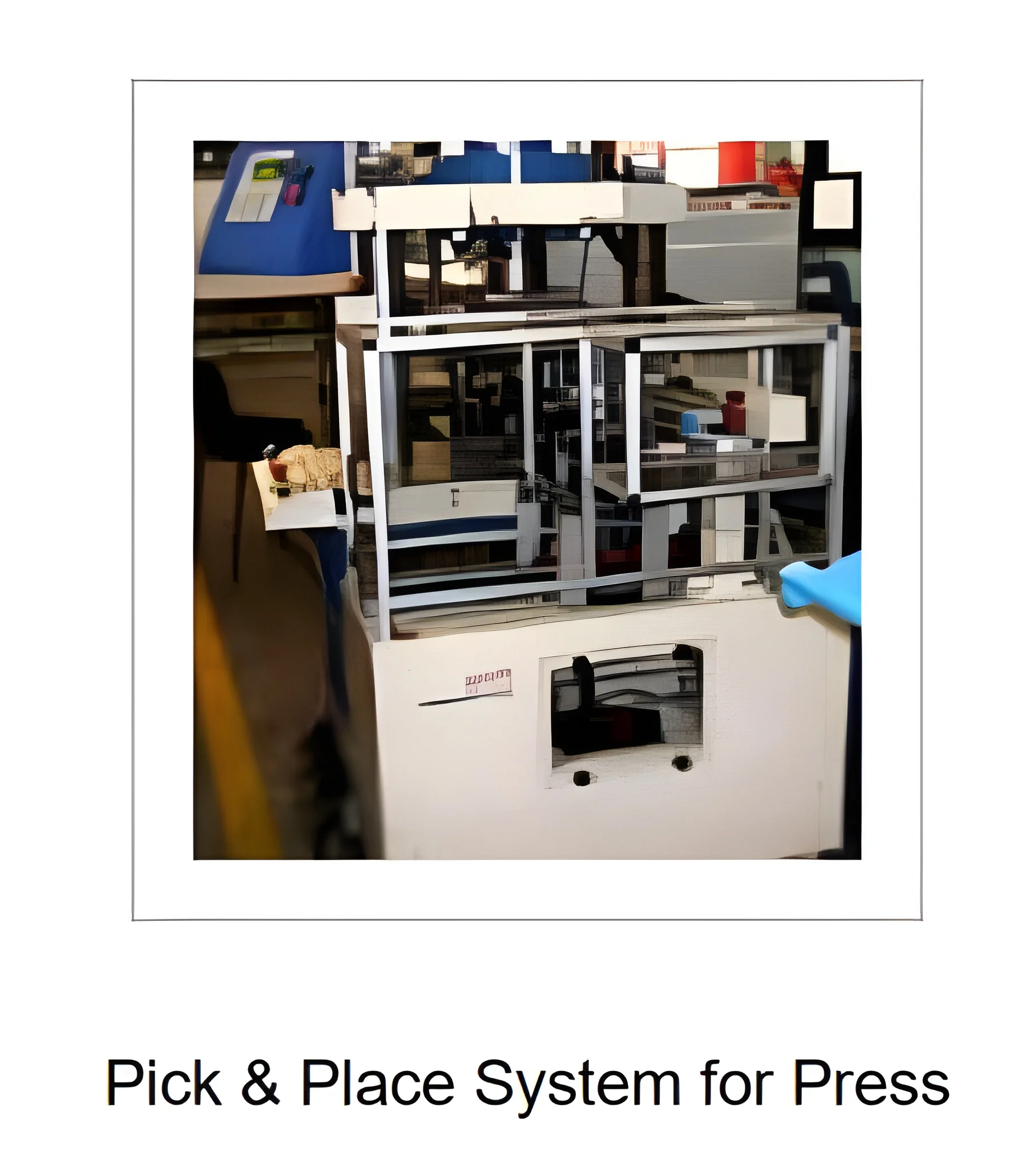
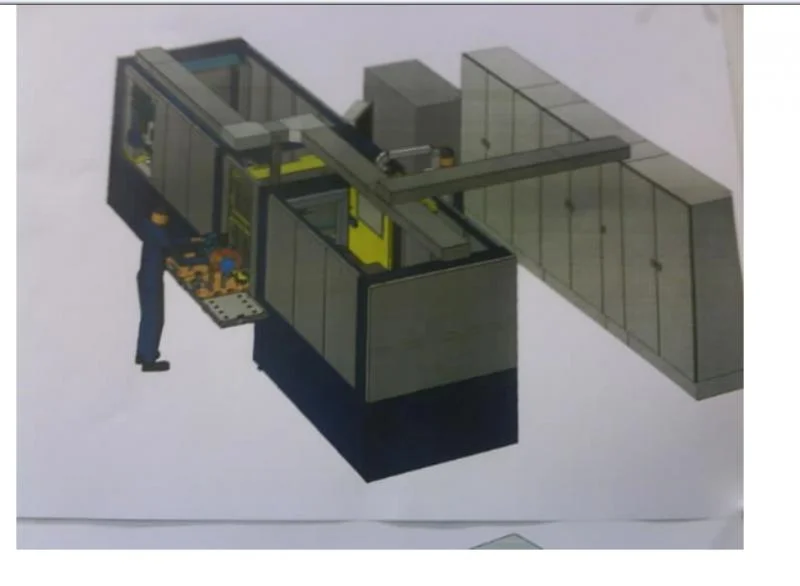
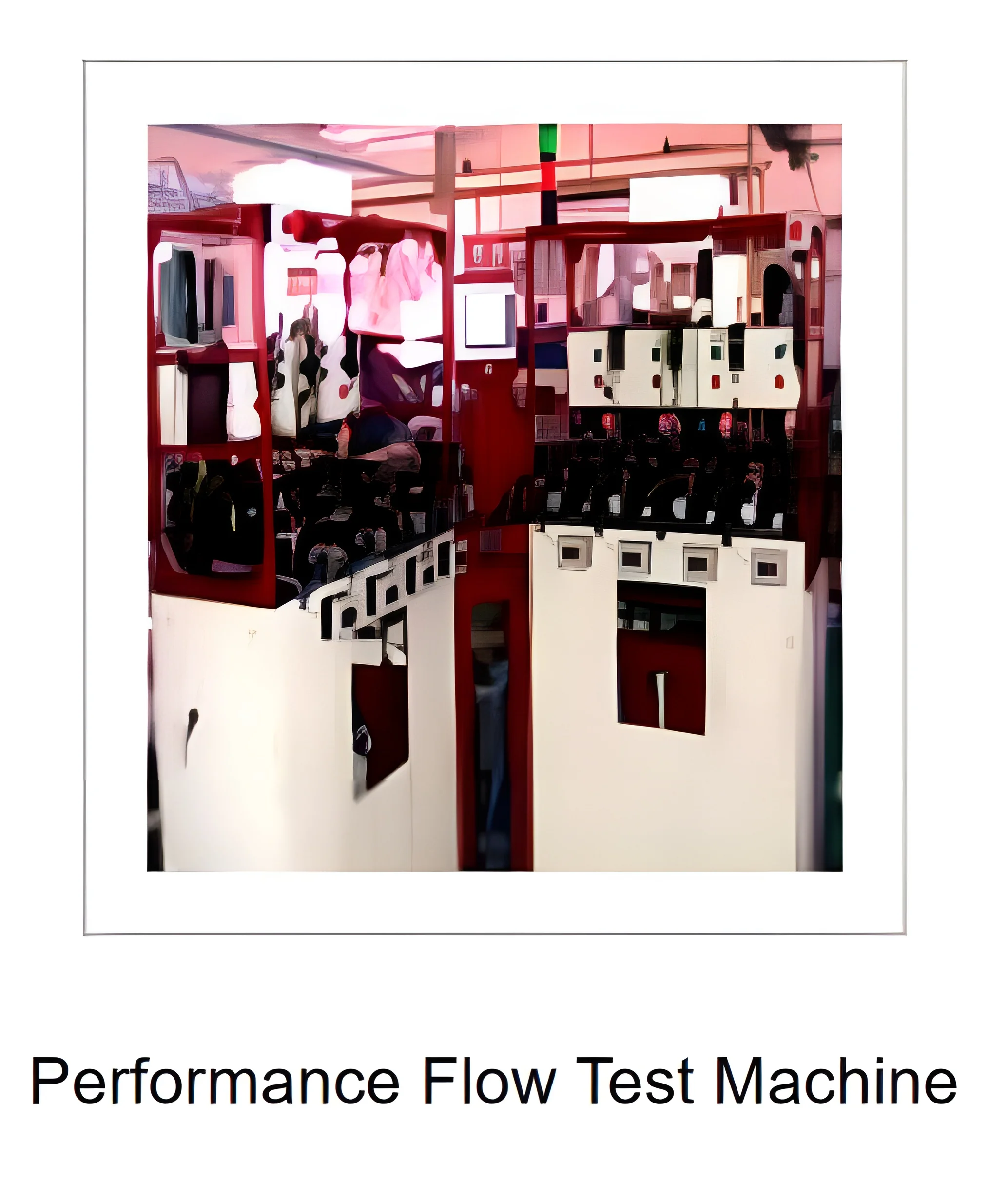
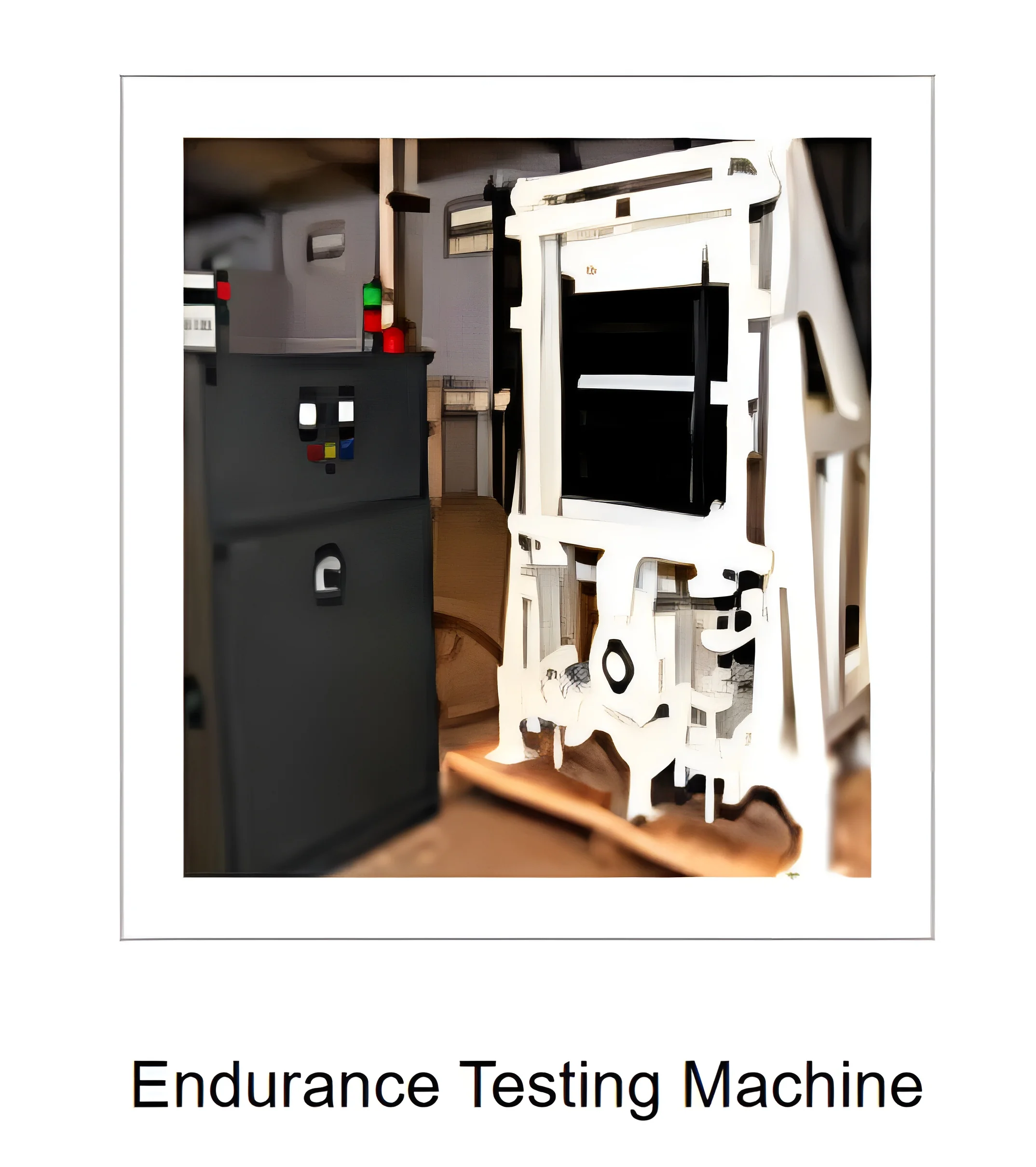
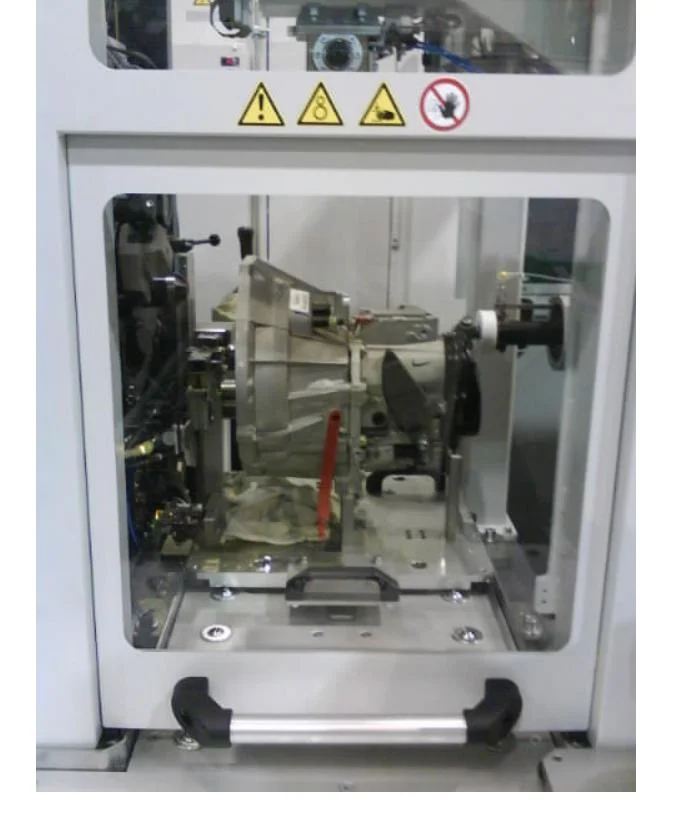
The Transmission Testing Station is a precision-engineered system designed to rigorously evaluate the performance, durability, and operational limits of gearboxes and transmission assemblies. It replicates real-world stress conditions through controlled application of torque, speed, and load, delivering accurate and repeatable test results. Equipped with high-precision sensors and a robust programmable control system, it measures critical parameters including torque output, rotational speed, vibration patterns, and temperature fluctuations. This comprehensive data acquisition enables detailed analysis of transmission behavior under simulated operational scenarios, from standard running conditions to extreme stress tests, ensuring every component is validated for reliability before deployment.

This testing station serves a vital role across multiple industries where transmission reliability is non-negotiable. In automotive manufacturing, it is used to test passenger vehicle, commercial...
The Transmission Testing Station is a precision-engineered system designed to rigorously evaluate the performance, durability, and operational limits of gearboxes and transmission assemblies. It replicates real-world stress conditions through controlled application of torque, speed, and load, delivering accurate and repeatable test results. Equipped with high-precision sensors and a robust programmable control system, it measures critical parameters including torque output, rotational speed, vibration patterns, and temperature fluctuations. This comprehensive data acquisition enables detailed analysis of transmission behavior under simulated operational scenarios, from standard running conditions to extreme stress tests, ensuring every component is validated for reliability before deployment.

This testing station serves a vital role across multiple industries where transmission reliability is non-negotiable. In automotive manufacturing, it is used to test passenger vehicle, commercial truck, and specialty vehicle transmissions. The heavy machinery sector relies on it to validate transmissions for construction, agricultural, and mining equipment, ensuring they withstand high-torque demands. Aerospace and defense applications use similar principles for component verification. Furthermore, engineering firms and R&D centers utilize the station to prototype and refine new transmission technologies, making it a cornerstone for innovation and quality assurance in mechanical power transmission systems.

Investing in this Transmission Testing Station delivers direct business value by enhancing product quality, reducing warranty claims, and accelerating time-to-market for new designs. Its reliability stems from a stable mechanical structure, accurate measurement systems, and consistent performance, which builds trust in your testing protocols. The station differentiates itself through its unique combination of precision, robust construction, and the ability to deliver trustworthy data that informs critical engineering decisions. It is a fundamental tool for any serious manufacturer or developer committed to delivering durable, high-performance transmission systems that meet the exacting standards of modern industry.

Key Features:
- Robust construction and stable operation for reliable long-term testing under high loads.
- High-precision sensors for accurate measurement of torque, speed, vibration, and temperature.
- Programmable control system to simulate a wide range of operational conditions and test cycles.
- Comprehensive data acquisition and real-time analysis capabilities for detailed performance evaluation.
- Designed for endurance testing, performance validation, and quality inspection of transmission assemblies.

Benefits:
- Ensures transmission reliability and durability before final assembly, reducing failure rates.
- Provides critical data for design optimization and performance improvement in R&D.
- Supports stringent quality control, ensuring consistent output in production batch testing.
- Helps validate products against industry standards and specific customer requirements.
- Minimizes long-term costs by identifying potential issues early in the development and manufacturing process.
Specifications
| Additional Information | |
|---|---|
| Country of Origin | 106 |
Application
This advanced testing station is essential for verifying the performance and reliability of transmission systems before they enter production. It simulates real-world operating conditions to assess durability, load capacity, and functional integrity, providing critical data for development and quality assurance processes.
Engineered for integration into research, development, and manufacturing workflows, the station supports rigorous validation protocols. It helps identify potential failures, optimize design parameters, and ensure every transmission unit meets stringent performance standards prior to final assembly and deployment.
- Performance validation and durability testing of automotive gearboxes and drivetrains in manufacturing plants.
- Load capacity and endurance evaluation for industrial transmission systems used in heavy machinery and equipment.
- Research and development testing for new transmission designs in engineering and automotive R&D laboratories.
- Quality control and batch testing of transmission assemblies on production lines to ensure consistency.
- Noise, vibration, and thermal behavior analysis to improve transmission efficiency and longevity.
Trade Details
| Available Stock | In Stock |
| Sample Availability | No |
Payment Terms
| Payment Terms |
|
Company Profile
Effica Automation Ltd, Tamil Nadu
 Tamil Nadu, India
Tamil Nadu, IndiaManufacturer
Factory Details
Factory SizeBelow 1000 sqm
Transmission Testing Station
Transmission Testing Station for precise performance, durability, and load testing of gearboxes and transmission assemblies. Ensures stable operation and accurate measurement for quality validation.
Min. Order Quantity: 1 piece
Shipping
Shipping fee and delivery date to be negotiated. Contact supplier now for more details.
Effica Automation Ltd
 Tamil Nadu, India
Tamil Nadu, IndiaManufacturer