IN
₹
Apparel & Fashion
Description
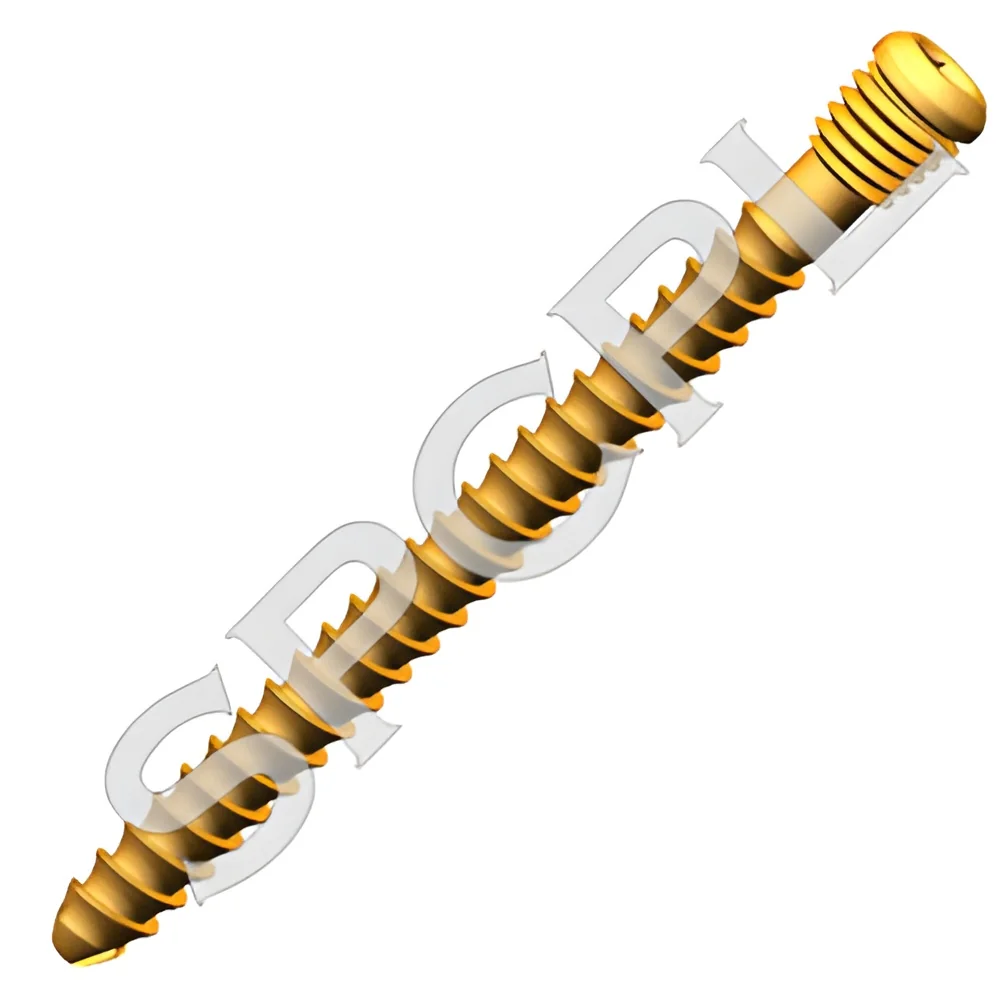
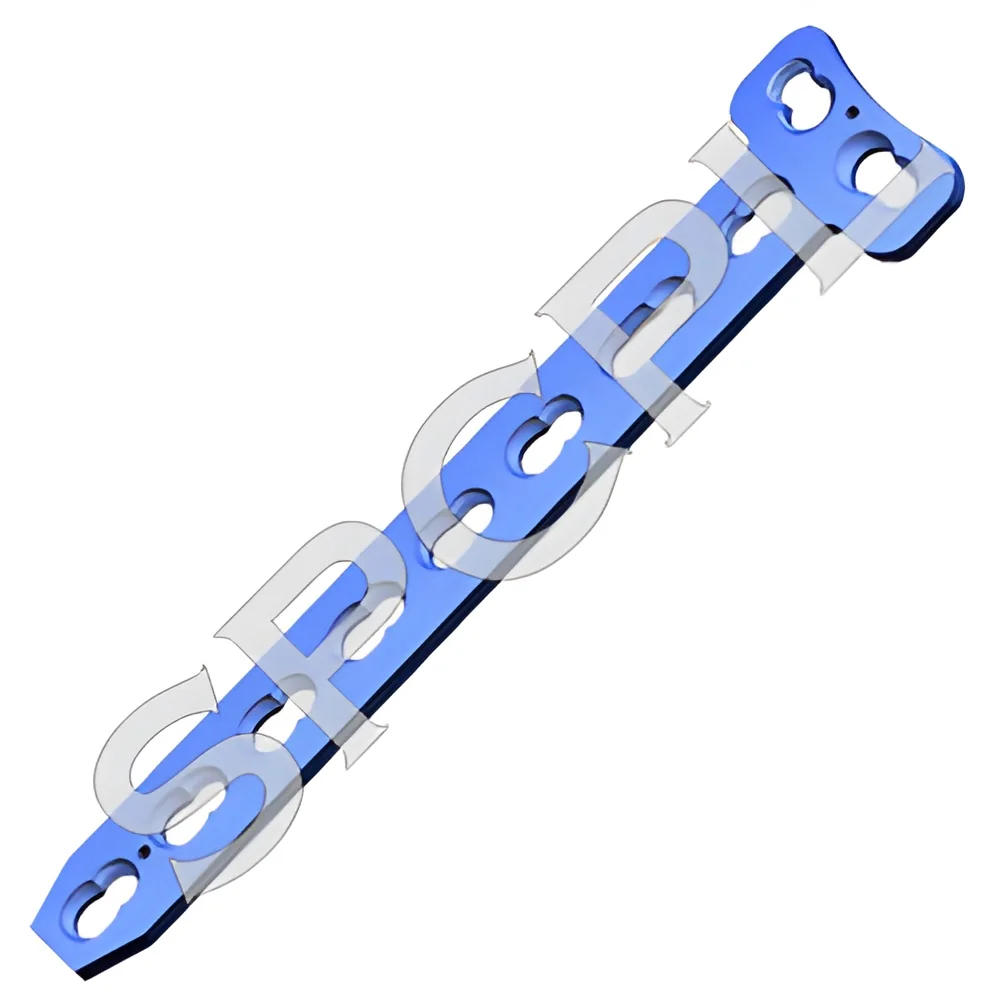
Orthopedic T Locked Plates represent advanced medical implant technology specifically engineered for proximal tibia fracture management. These precision devices incorporate sophisticated locking screw mechanisms that create fixed-angle constructs between screws and plates, delivering superior stability compared to conventional plating systems. Available in both stainless steel and titanium materials, these implants address diverse surgical preferences and patient requirements while maintaining exceptional biomechanical performance. The comprehensive hole configuration range from 2 to 12 holes enables surgeons to select optimal plate length and screw placement strategies for each unique fracture pattern, ensuring tailored treatment approaches that promote improved patient outcomes and healing efficiency.

Healthcare institutions and orthopedic specialists across multiple medical settings rely on T-Locked Plates for managing complex proximal tibia fractures. These implants prove particul...
Orthopedic T Locked Plates represent advanced medical implant technology specifically engineered for proximal tibia fracture management. These precision devices incorporate sophisticated locking screw mechanisms that create fixed-angle constructs between screws and plates, delivering superior stability compared to conventional plating systems. Available in both stainless steel and titanium materials, these implants address diverse surgical preferences and patient requirements while maintaining exceptional biomechanical performance. The comprehensive hole configuration range from 2 to 12 holes enables surgeons to select optimal plate length and screw placement strategies for each unique fracture pattern, ensuring tailored treatment approaches that promote improved patient outcomes and healing efficiency.

Healthcare institutions and orthopedic specialists across multiple medical settings rely on T-Locked Plates for managing complex proximal tibia fractures. These implants prove particularly valuable in level I trauma centers, university teaching hospitals, and specialized orthopedic clinics where challenging fracture cases are routinely addressed. The medical devices find extensive application in treating high-energy trauma injuries, osteoporotic fractures in elderly populations, and complex articular fractures involving the tibial plateau. Medical facilities appreciate the implant's versatility in handling both straightforward and complicated fracture patterns while maintaining strict adherence to international medical device standards and surgical protocols that ensure patient safety and treatment efficacy.

The T-Locked Plate system delivers substantial value through demonstrated reliability and clinical effectiveness that medical providers trust. Healthcare distributors and surgical teams benefit from reduced revision surgery rates, enhanced patient recovery outcomes, and improved operational efficiency in orthopedic procedures. The implant's robust construction and precision engineering guarantee consistent performance in demanding surgical environments, minimizing risks of implant failure and related complications. Medical institutions recognize the cost-effectiveness achieved through shorter operation times, decreased need for follow-up surgeries, and accelerated patient rehabilitation timelines. The comprehensive material and configuration options further strengthen the value proposition by enabling customized solutions for specific patient demographics and specialized surgical requirements.

Key Features:
- Medical-grade stainless steel and titanium material options for diverse patient compatibility
- Comprehensive hole configuration range from 2 to 12 holes providing surgical flexibility
- Advanced locking screw technology creating stable fixed-angle constructs
- Precision-engineered design specifically contoured for proximal tibia anatomy
- Manufacturing compliance with international medical device quality standards

Benefits:
- Enhanced surgical outcomes through superior stability and reduced complication risks
- Flexible configuration options accommodating various fracture patterns and patient needs
- Reliable performance in demanding clinical environments with consistent results
- Reduced revision surgery requirements leading to better patient recovery experiences
- Cost-effective orthopedic solutions through efficient procedures and durable construction
Specifications
| Additional Information | |
|---|---|
| Country of Origin | India |
Application
T-Locked Plates deliver stable internal fixation for proximal tibia fractures through advanced locking technology that ensures angular stability and prevents screw loosening. These medical-grade implants support various fracture patterns and patient anatomies with multiple hole configurations and material choices, accommodating different surgical needs and healing requirements. Surgeons value these plates for maintaining reduction during bone healing while offering flexibility in complex orthopedic cases where precise fixation is crucial for successful outcomes.
Medical facilities worldwide utilize these orthopedic implants in trauma centers and surgical departments for managing complex fracture cases. The availability in stainless steel and titanium allows selection based on patient-specific factors like MRI compatibility and surgical protocols. These plates serve critical roles where conventional systems may lack sufficient stability, providing reliable solutions for challenging orthopedic scenarios that demand consistent performance and anatomical compatibility in demanding clinical environments.
- Open reduction and internal fixation procedures for proximal tibia fractures in trauma surgery
- Treatment of complex tibial plateau fractures involving articular surfaces
- Revision orthopedic surgeries where previous fixation methods require replacement
- Emergency orthopedic trauma management in hospital surgical departments
- Sports injury treatments for athletes with high-impact tibial fractures
Trade Details
| Available Stock | In Stock |
| Sample Availability | No |
Payment Terms
| Payment Terms |
|
Company Profile

Bharucha Associates, Gujarat
 Gujarat, India
Health & Personal Care•Distributor / Wholesaler•Retailer•Importer / Exporter
Factory Details
Factory SizeBelow 1000 sqm
Annual Production Capacity0
Orthopedic T Locked Plates For Proximal Tibia Fracture Fixation
Orthopedic T Locked Plates for proximal tibia fracture fixation provide superior stability with stainless steel or titanium options and 2-12 hole configurations. Trusted by surgeons for reliable performance in critical medical procedures.
Min. Order Quantity: 1 unit
Shipping
Shipping fee and delivery date to be negotiated. Contact supplier now for more details.
Bharucha Associates
 Gujarat, India
Health & Personal CareDistributor / Wholesaler