IN
IN₹
Description
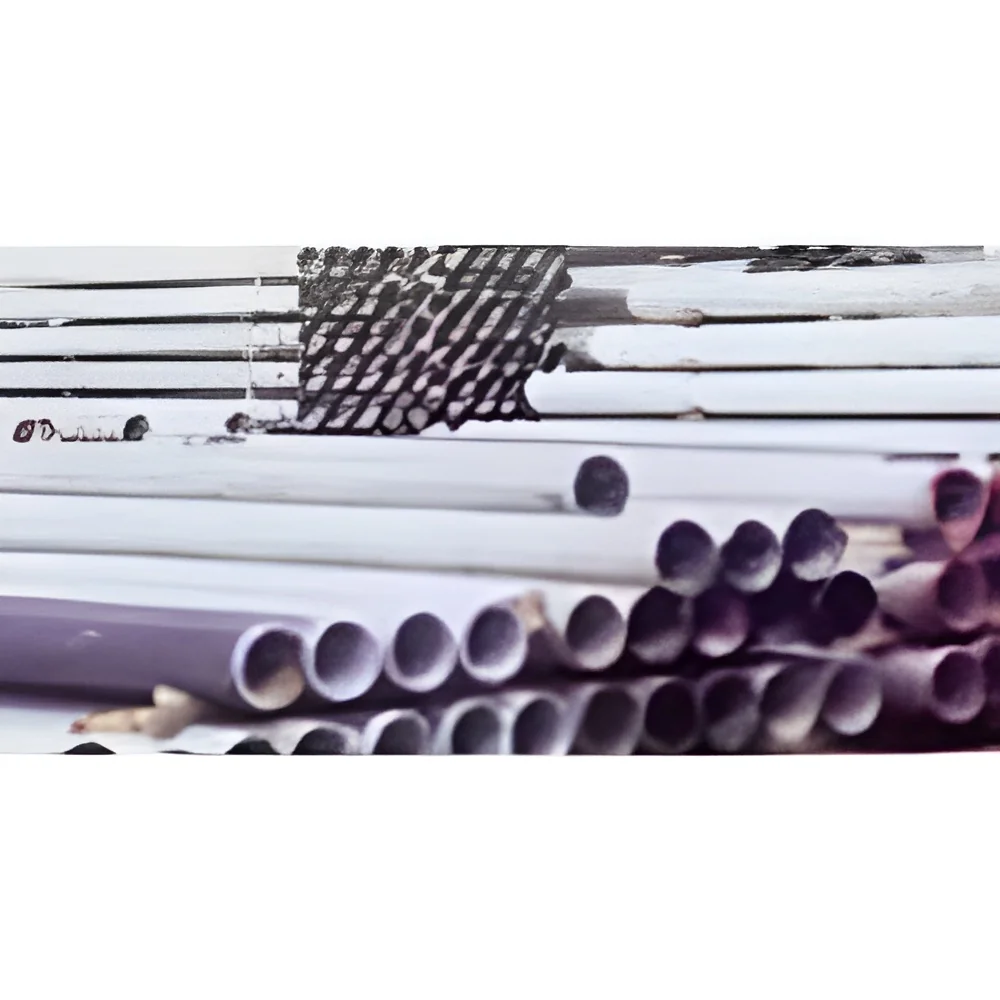
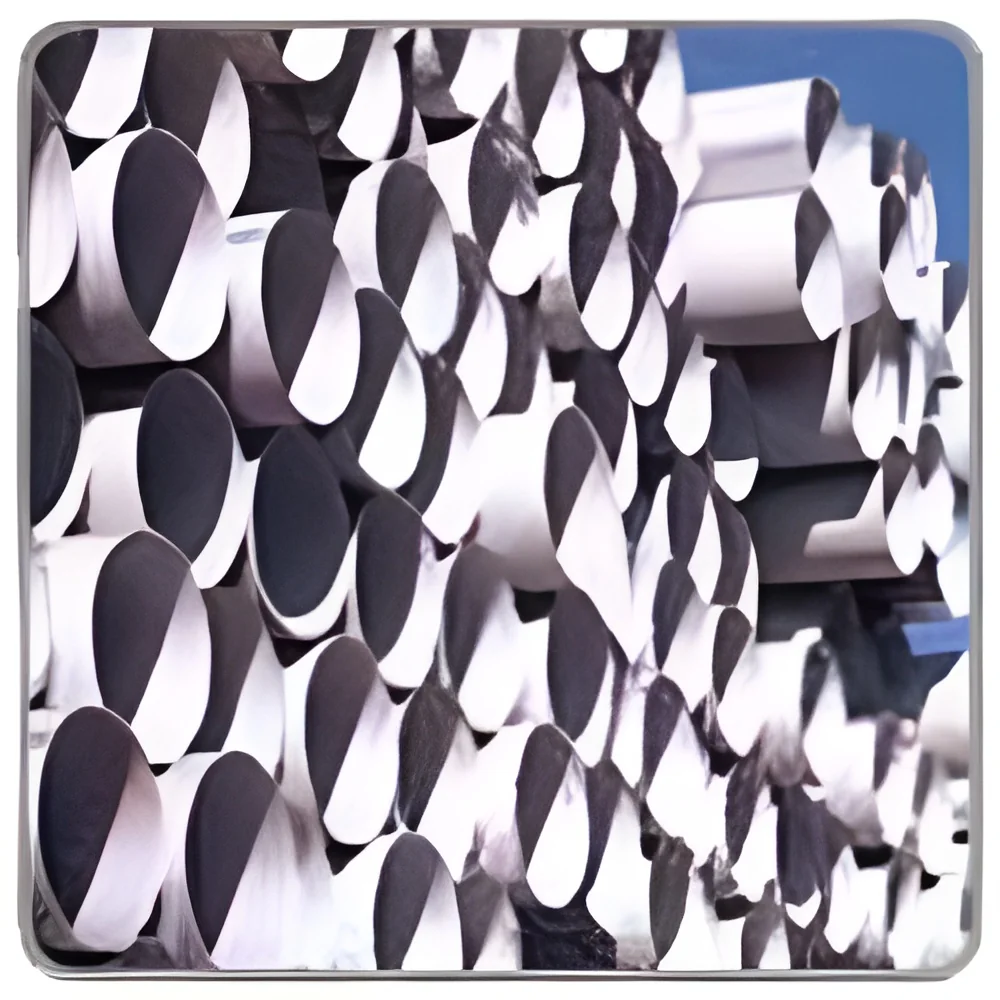
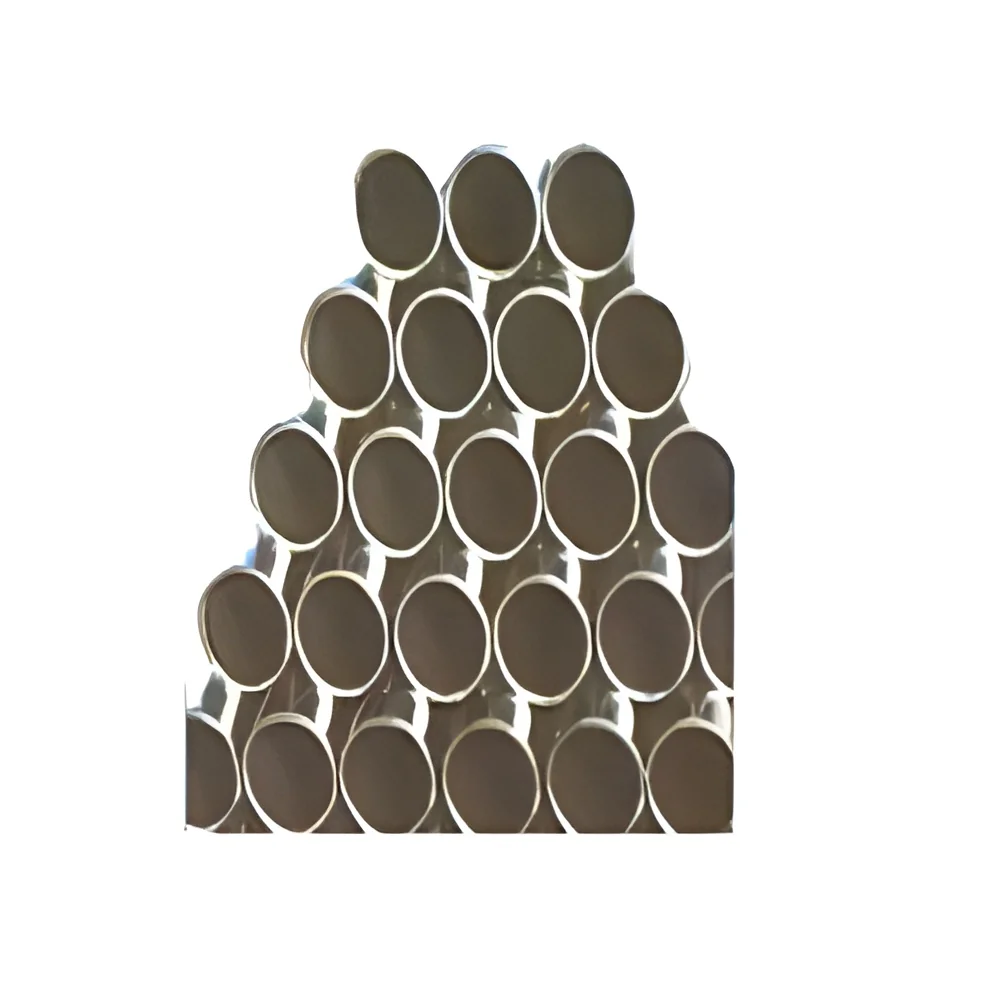
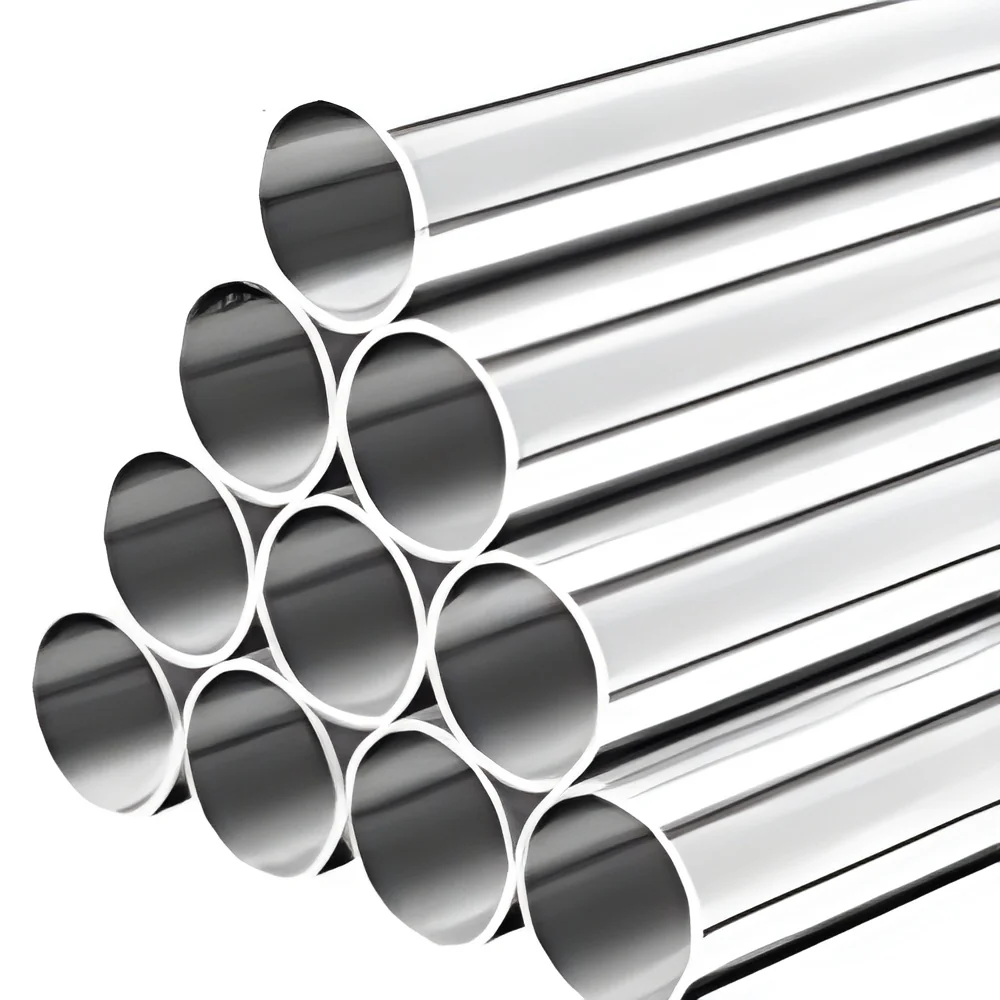
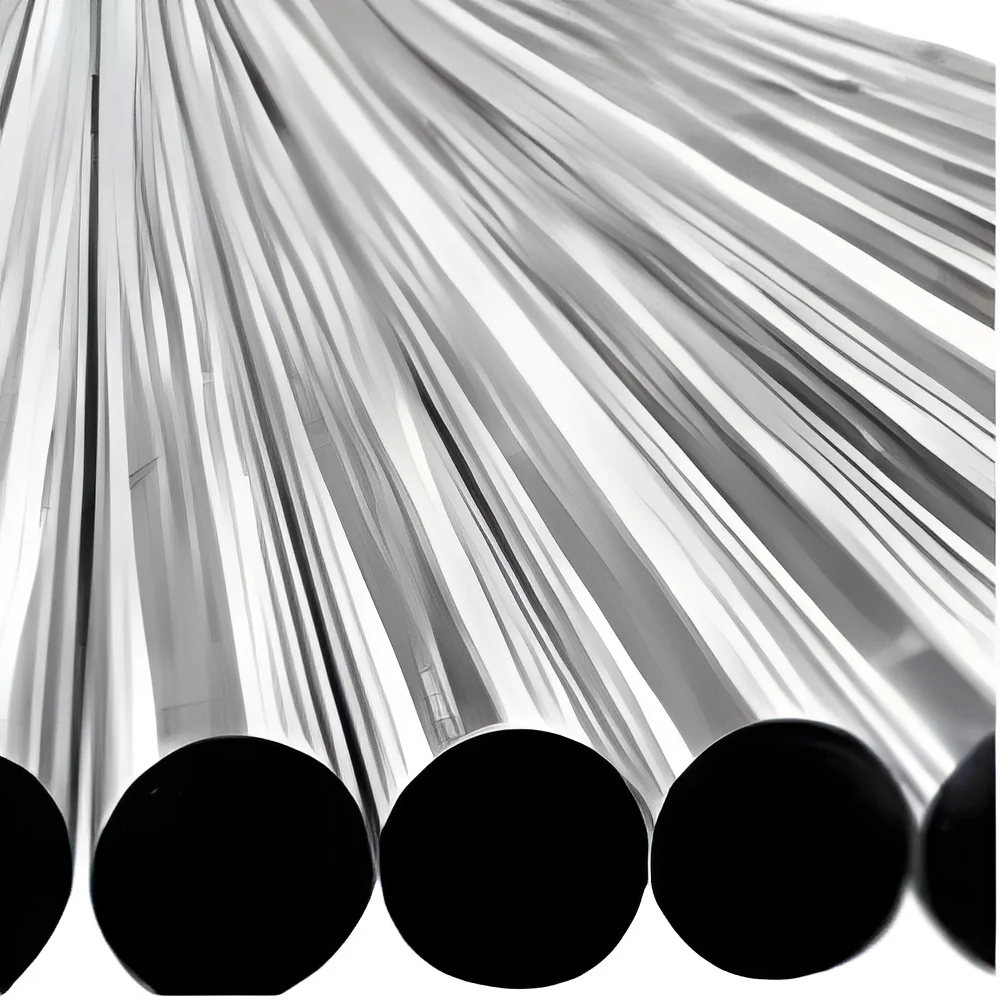
Engineered for resilience in the most demanding thermal environments, these industrial stainless steel pipes represent a specialized solution for high-temperature applications. Manufactured from premium-grade stainless steel alloys, they are specifically designed to maintain structural integrity and performance under extreme heat conditions that would compromise ordinary piping. The material selection focuses on alloys with high chromium and nickel content, providing inherent resistance to oxidation, scaling, and thermal fatigue. This ensures the pipes can operate reliably in continuous high-temperature service, from heat transfer systems to exhaust applications, without degradation. Every production batch undergoes stringent quality verification, including dimensional checks, material analysis, and pressure testing, guaranteeing that each pipe meets exacting specifications for industrial use.

These pipes serve as critical infrastructure across industries where high-temperature proces...
Engineered for resilience in the most demanding thermal environments, these industrial stainless steel pipes represent a specialized solution for high-temperature applications. Manufactured from premium-grade stainless steel alloys, they are specifically designed to maintain structural integrity and performance under extreme heat conditions that would compromise ordinary piping. The material selection focuses on alloys with high chromium and nickel content, providing inherent resistance to oxidation, scaling, and thermal fatigue. This ensures the pipes can operate reliably in continuous high-temperature service, from heat transfer systems to exhaust applications, without degradation. Every production batch undergoes stringent quality verification, including dimensional checks, material analysis, and pressure testing, guaranteeing that each pipe meets exacting specifications for industrial use.

These pipes serve as critical infrastructure across industries where high-temperature processes are fundamental to operations. In power generation, they form the circulatory system of boilers, superheaters, and heat recovery units, handling steam and hot gases efficiently. The petrochemical and refining sectors utilize them in cracking units, reformers, and furnace coils where temperatures regularly exceed standard limits. Manufacturing industries employ them in industrial ovens, kilns, and heat treatment facilities for material processing. Their application extends to specialized areas like semiconductor manufacturing, where ultra-clean, high-temperature gas delivery is essential. The common thread across all these industries is the need for piping that won't fail under thermal stress, ensuring uninterrupted production and operational safety.

The primary business value lies in operational reliability and reduced lifecycle costs. By investing in pipes specifically engineered for high temperatures, businesses minimize unplanned downtime caused by pipe failure, which can halt entire production lines. The superior material quality translates to extended service intervals and reduced maintenance frequency, lowering total cost of ownership despite a potentially higher initial investment. These pipes are designed for compatibility with standard industrial fittings and installation practices, facilitating easier integration and replacement. For distributors and importers, they represent a trustworthy product line with consistent performance that builds customer loyalty and reduces warranty claims. The focus on meeting international standards for high-temperature service provides assurance to engineers and procurement specialists making specification decisions.

Key Features:
- Manufactured from high-grade stainless steel alloys for superior high-temperature performance
- Excellent resistance to oxidation, scaling, and thermal fatigue in continuous service
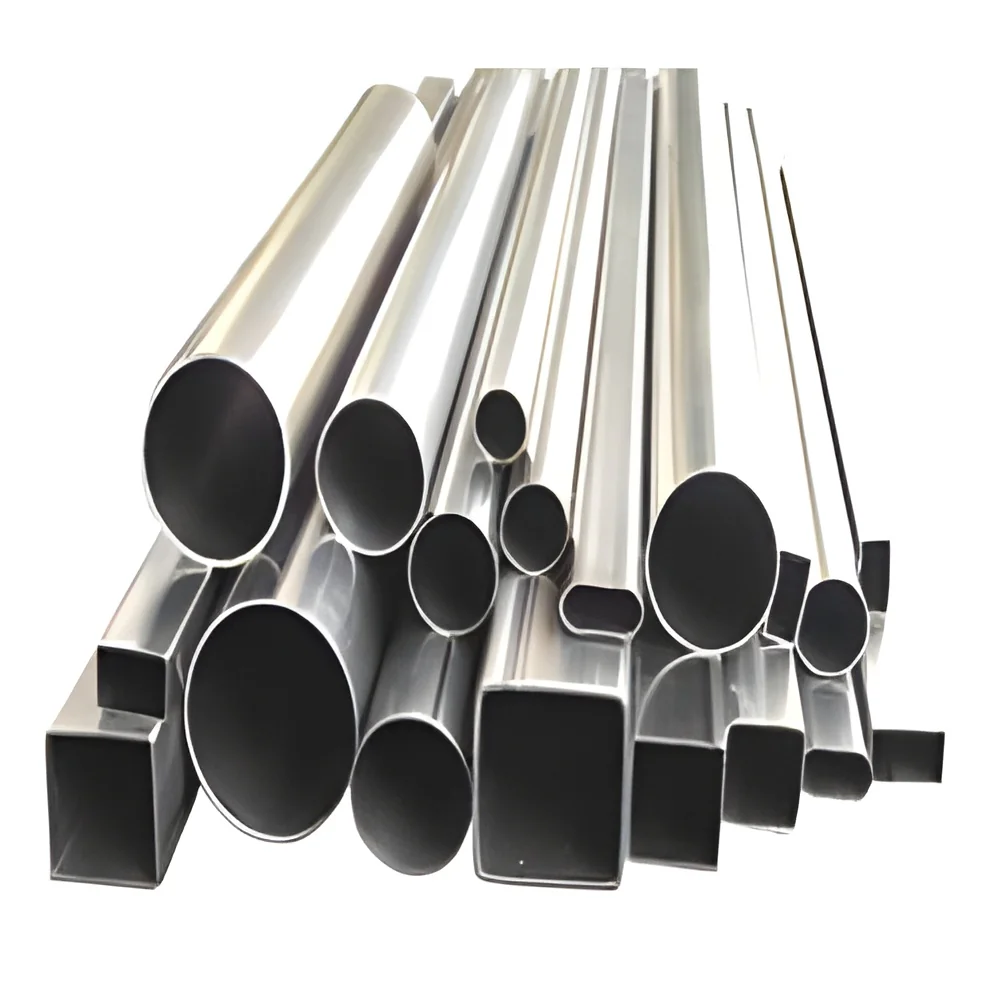
- Available in various schedules and diameters to match specific pressure and flow requirements
- Precision-engineered for consistent wall thickness and dimensional accuracy
- Suitable for welding and fabrication using standard industrial methods

Benefits:
- Ensures reliable operation in extreme temperature environments, preventing system failures
- Reduces maintenance costs and downtime through extended service life and durability
- Provides consistent performance under thermal cycling and mechanical stress conditions
- Offers versatile application across multiple high-temperature industrial processes
- Delivers long-term value through lower total cost of ownership and operational efficiency
Specifications
| Additional Information | |
|---|---|
| Country of Origin | India |
Application
These industrial-grade stainless steel pipes are engineered specifically for environments where extreme temperatures and demanding conditions are the norm. Their superior material composition provides exceptional thermal stability and structural integrity, making them essential components in systems that cannot afford failure. The pipes maintain their properties even under continuous thermal cycling and mechanical stress, ensuring consistent performance throughout their service life.
Multiple critical industries depend on these high-temperature stainless steel pipes for their core operations. They are particularly valuable in sectors where heat transfer, fluid transportation, and system reliability are paramount. The ability to withstand corrosive atmospheres and high-pressure conditions makes them versatile for various industrial setups. Their design focuses on seamless integration into existing infrastructure while meeting stringent operational and safety standards.
- Heat exchanger tubing and condenser systems in thermal power plants
- Boiler feed lines, superheater tubes, and steam distribution networks
- Process piping for high-temperature chemical reactions and refining
- Exhaust systems and high-heat ducting in industrial furnaces
- High-temperature fluid transfer lines in manufacturing and processing
Trade Details
| Available Stock | In Stock |
| Sample Availability | No |
Payment Terms
| Payment Terms |
|
Company Profile
L G Pipes & Tubes, Maharashtra
 Maharashtra, India
Maharashtra, IndiaConstruction•Manufacturer•Distributor / Wholesaler•Importer / Exporter
Factory Details
Factory SizeBelow 1000 sqm
Annual Production Capacity0
Industrial Stainless Steel Pipes High Temperature Applications
Industrial stainless steel pipes for high-temperature applications like heat exchangers and boilers. Premium quality, reliable performance, and custom sizing available for industrial buyers.
Min. Order Quantity: 1 unit
Shipping
Shipping fee and delivery date to be negotiated. Contact supplier now for more details.
L G Pipes & Tubes
 Maharashtra, India
Maharashtra, IndiaConstructionManufacturer