IN
IN₹
Description
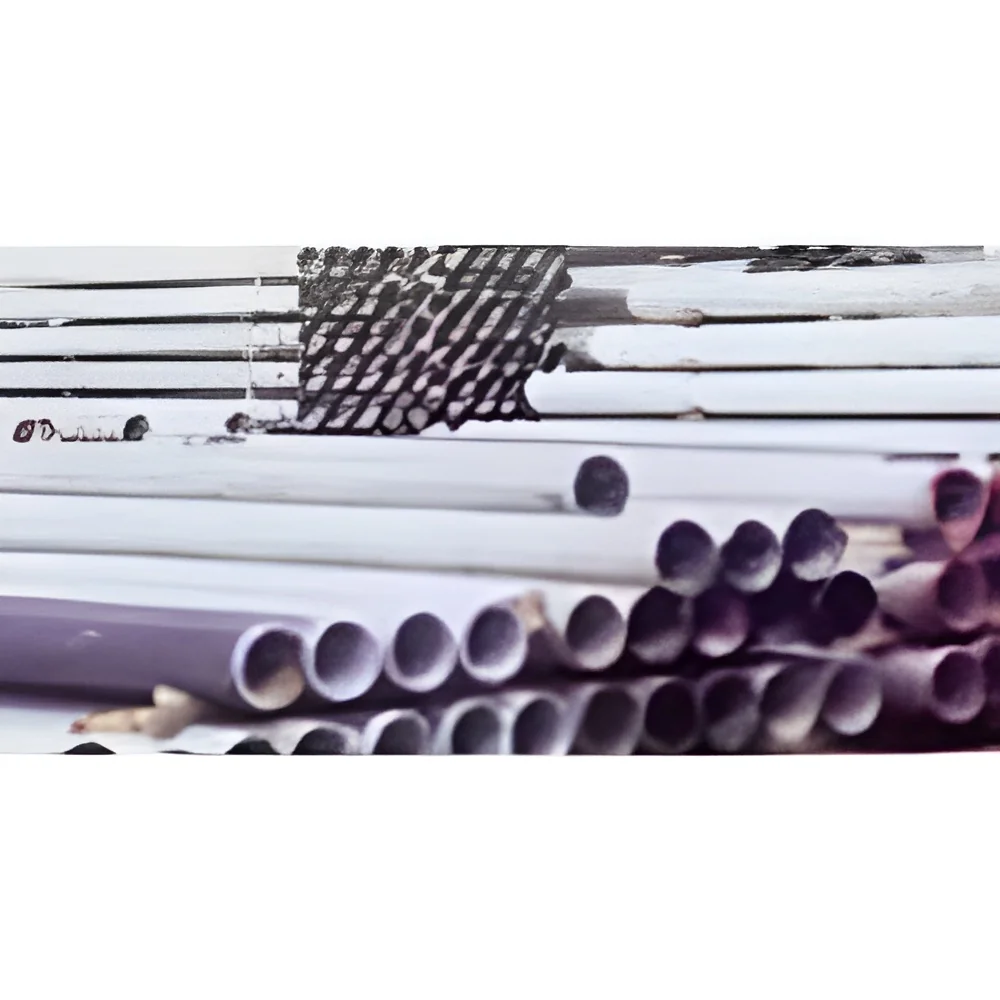
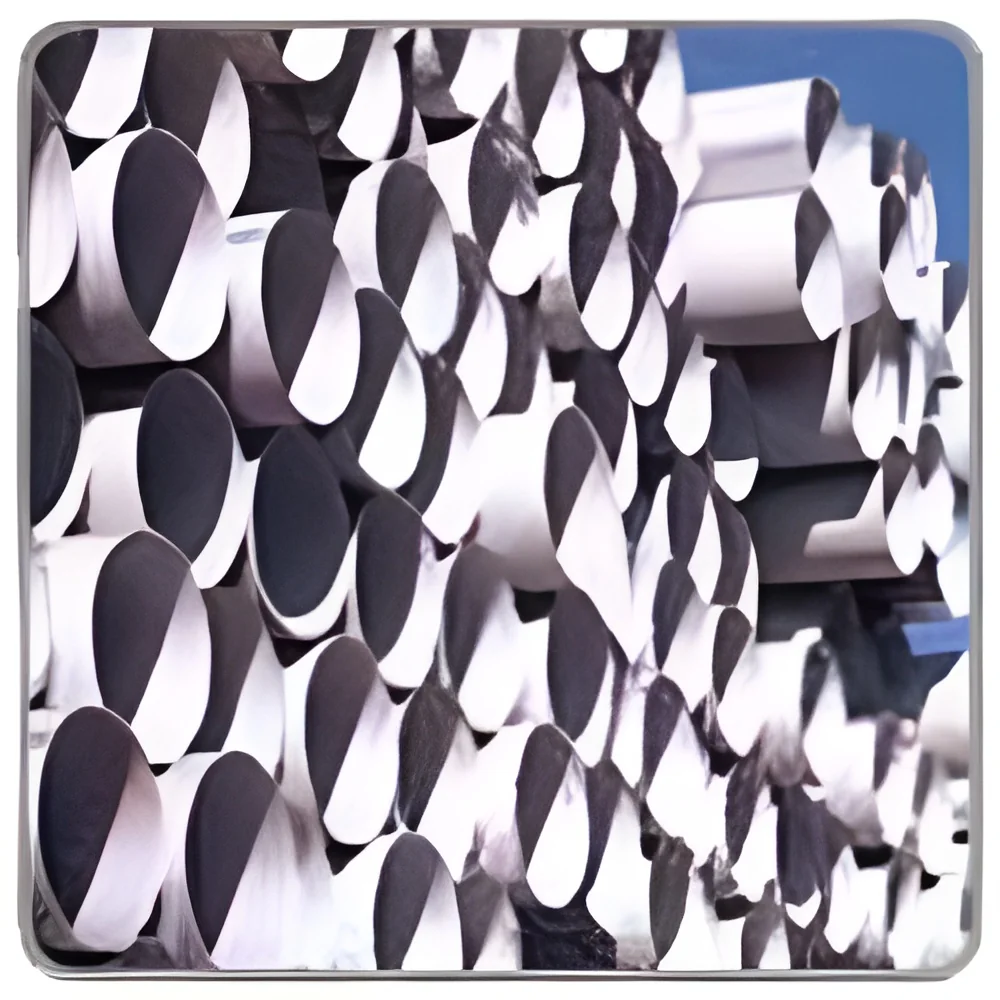
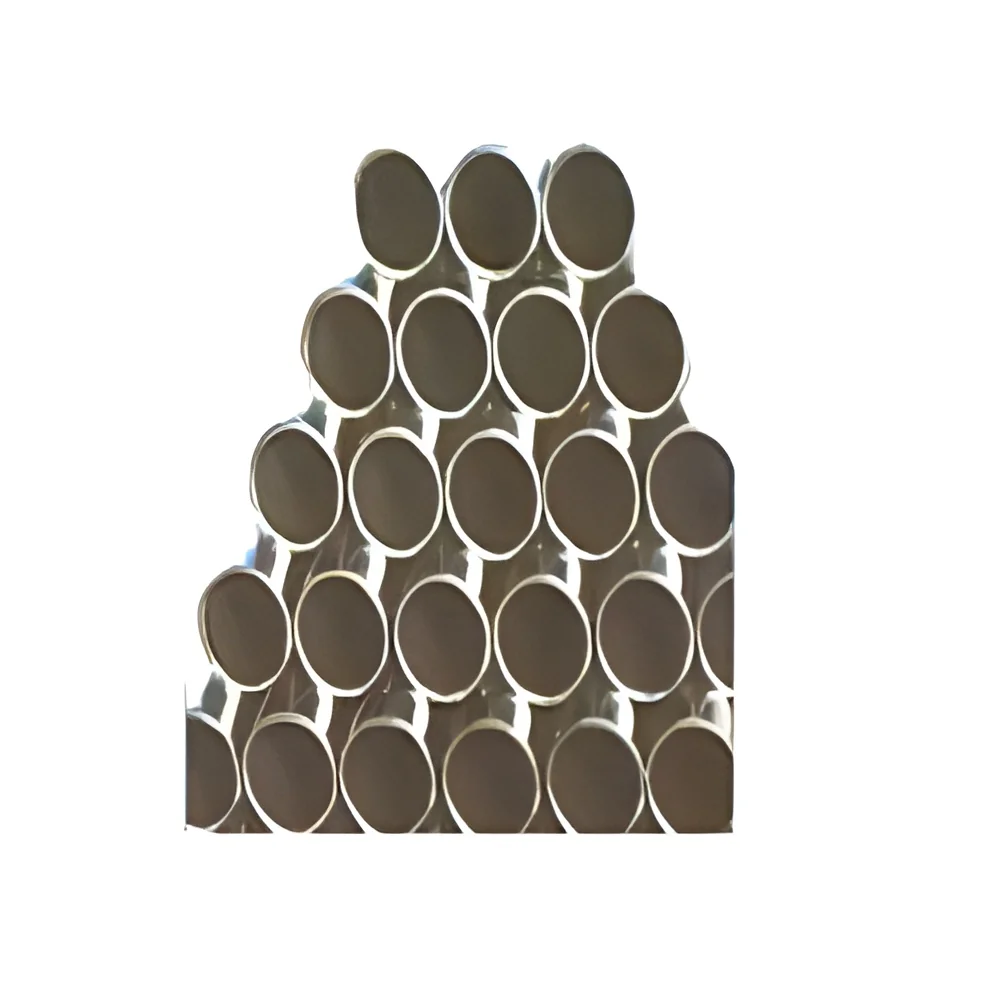
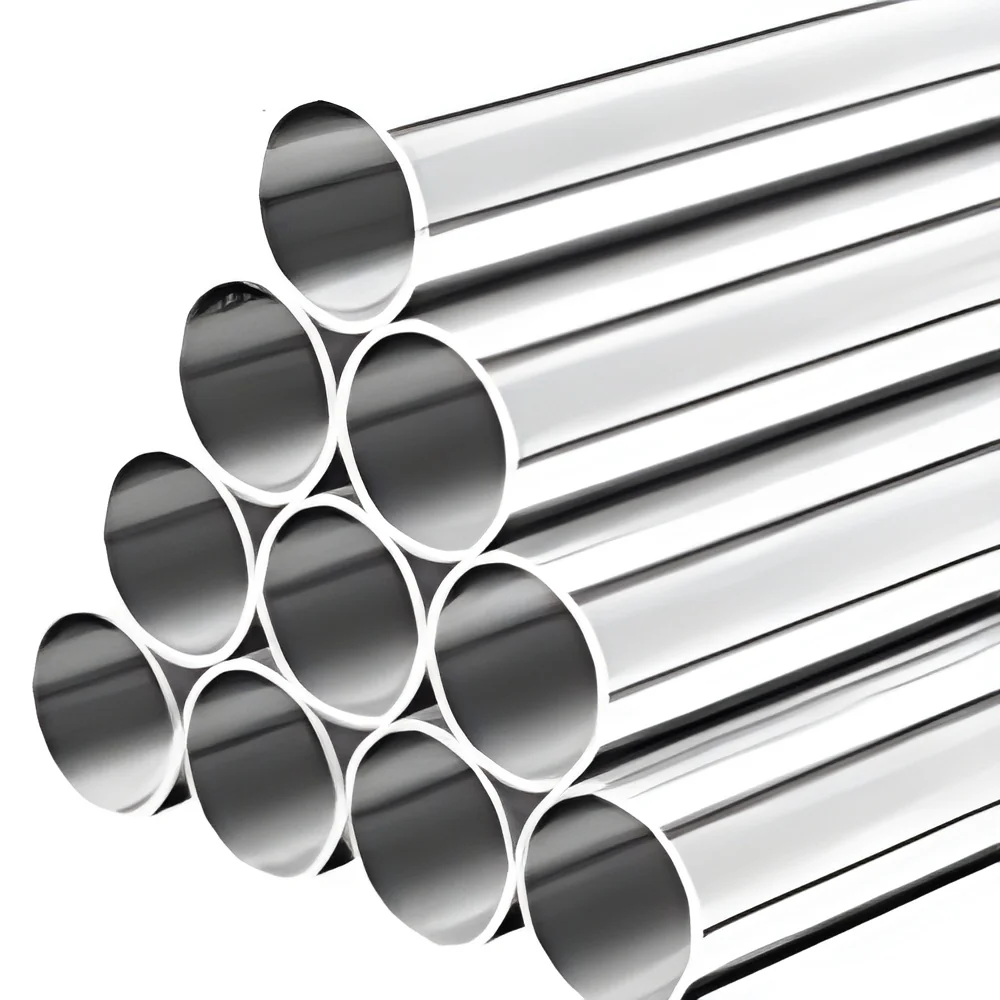
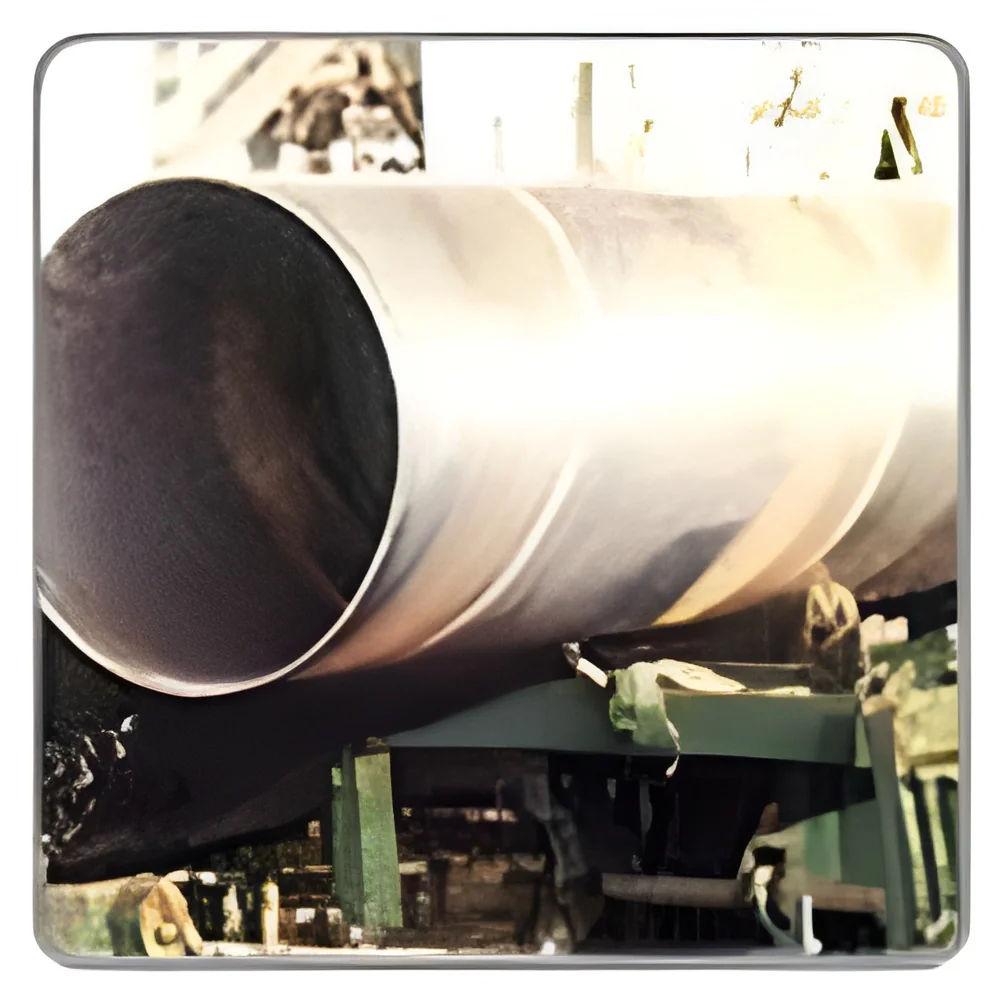
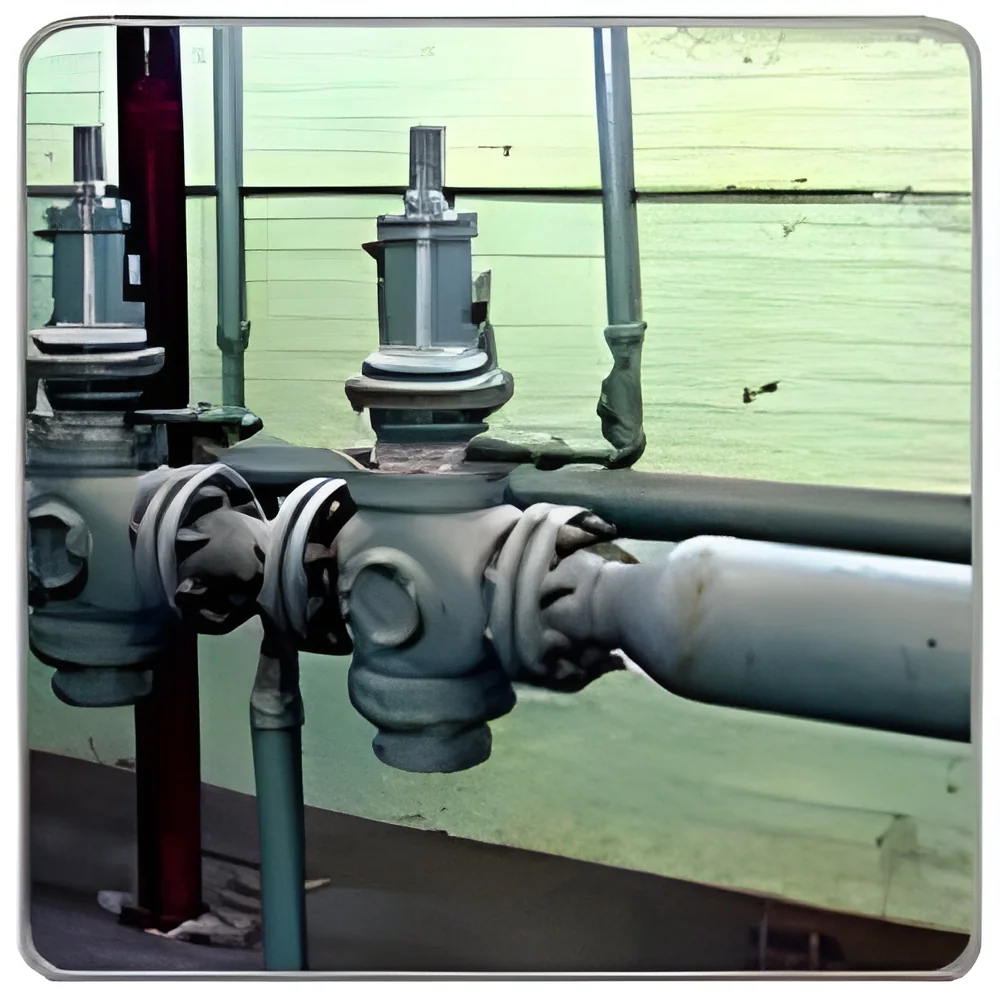
Our thermally insulated oil and gas pipes represent advanced energy infrastructure technology designed for challenging transport conditions in the hydrocarbon industry. These premium steel pipelines incorporate polyurethane foam insulation that delivers exceptional thermal efficiency while maintaining mechanical robustness. Engineered for burial depths exceeding standard requirements, these pipes feature extraordinary stress crack resistance even when exposed to natural gas and contaminants, ensuring decades of reliable service. The material composition provides low permeation to methane and hydrogen, combined with high hydrostatic design basis ratings at critical temperature thresholds of 20°C, 60°C, and 80°C for versatile application across diverse climatic conditions.

These specialized pipelines serve across the entire energy value chain, from upstream exploration and production operations to midstream transportation and downstream refining facilities. Oil extraction sites utilize ...
Our thermally insulated oil and gas pipes represent advanced energy infrastructure technology designed for challenging transport conditions in the hydrocarbon industry. These premium steel pipelines incorporate polyurethane foam insulation that delivers exceptional thermal efficiency while maintaining mechanical robustness. Engineered for burial depths exceeding standard requirements, these pipes feature extraordinary stress crack resistance even when exposed to natural gas and contaminants, ensuring decades of reliable service. The material composition provides low permeation to methane and hydrogen, combined with high hydrostatic design basis ratings at critical temperature thresholds of 20°C, 60°C, and 80°C for versatile application across diverse climatic conditions.

These specialized pipelines serve across the entire energy value chain, from upstream exploration and production operations to midstream transportation and downstream refining facilities. Oil extraction sites utilize them for gathering lines that maintain crude viscosity, while transmission companies depend on them for cross-country pipelines that deliver product to refineries with minimal temperature loss. Natural gas distributors implement these insulated pipes for municipal networks where consistent pressure and volume are critical, and petrochemical plants rely on them for process lines handling heated hydrocarbons. The construction sector also employs these pipes for district heating systems and industrial thermal applications requiring dependable underground performance.

The business value of these thermally insulated pipes lies in their reliability and reduced total cost of ownership through minimal maintenance requirements and extended service life. Their impact resistance and squeeze-off capabilities ensure installation efficiency and long-term structural integrity, while dependable UV performance allows for outside storage without degradation. This combination of technical excellence and practical reliability translates into reduced operational downtime, lower energy losses during transmission, and enhanced safety compliance for businesses operating in regulated environments.

Key Features:
- Advanced polyurethane foam insulation with high thermal efficiency and mechanical strength
- Exceptional stress crack resistance to natural gas and contaminants
- Low permeation rates for methane and hydrogen gases
- High hydrostatic design basis ratings at 20°C, 60°C, and 80°C
- Superior impact resistance with reliable squeeze-off and UV performance

Benefits:
- Reduced energy loss during fluid transmission maintaining optimal temperatures
- Extended service life with minimal maintenance requirements lowering operational costs
- Enhanced safety compliance through reliable performance in regulated environments
- Consistent flow rates and pressure maintenance across varying climatic conditions
- Durable construction withstands burial pressures and harsh operating environments
Specifications
| Additional Information | |
|---|---|
| Country of Origin | India |
Application
Our thermally insulated oil and gas pipes are engineered for critical energy transport where temperature control and structural integrity are essential. These robust pipelines handle crude oil, natural gas, and other hydrocarbons across long distances while maintaining thermal efficiency and preventing environmental heat transfer that could impact fluid viscosity or flow rates. They are built to endure burial pressures, ground movement, and harsh operational conditions for extended service life without compromise.
These specialized pipes serve multiple sectors including upstream oil extraction, midstream transportation networks, downstream refining operations, and petrochemical processing facilities. They are equally vital for municipal gas distribution systems and industrial heating applications that require dependable thermal insulation alongside mechanical strength. The pipes ensure consistent performance in varied environments, from underground installations to subsea deployments, providing reliable fluid transport solutions.
- Long-distance cross-country crude oil transmission pipelines maintaining optimal flow temperatures
- Natural gas distribution networks ensuring consistent delivery pressure and volume
- Refinery and petrochemical plant process lines handling heated hydrocarbons
- Underground thermal heating systems for industrial complexes and district energy
- Subsea pipeline applications where thermal insulation prevents hydrate formation
Trade Details
| Available Stock | In Stock |
| Sample Availability | No |
Payment Terms
| Payment Terms |
|
Company Profile
L G Pipes & Tubes, Maharashtra
 Maharashtra, India
Maharashtra, IndiaConstruction•Manufacturer•Distributor / Wholesaler•Importer / Exporter
Factory Details
Factory SizeBelow 1000 sqm
Annual Production Capacity0
Energy Infrastructure Thermally Insulated Oil And Gas Pipes
Premium thermally insulated oil and gas pipes deliver unmatched reliability for demanding energy infrastructure. Our steel pipelines offer superior stress crack resistance and long-term underground performance, ensuring safe and efficient fluid transport across various industrial applications.
Min. Order Quantity: 1 unit
Shipping
Shipping fee and delivery date to be negotiated. Contact supplier now for more details.
L G Pipes & Tubes
 Maharashtra, India
Maharashtra, IndiaConstructionManufacturer