IN
₹
Apparel & Fashion
Description
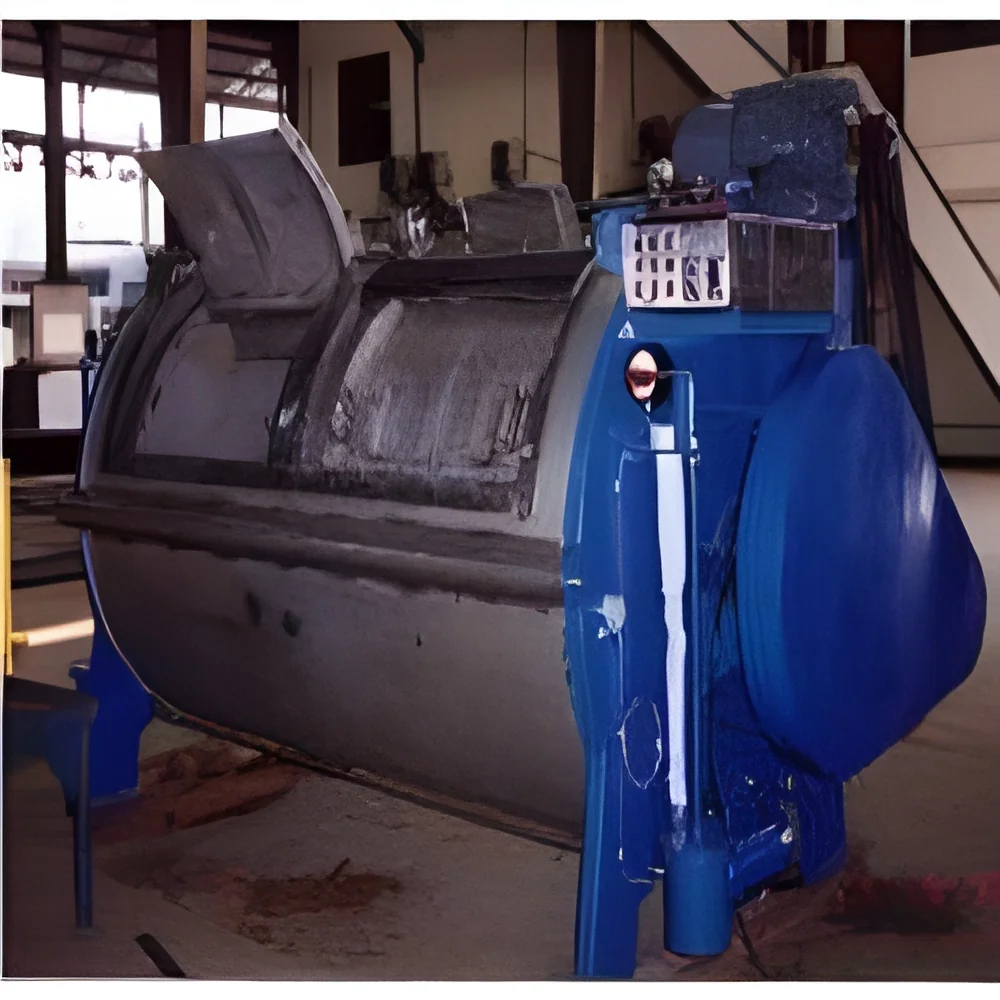
Our industrial stainless steel reactors are precision-engineered for demanding chemical processing applications. Manufactured from premium stainless steel grades 304, 321, and 316L, these reactors are built for durability and long-term performance in corrosive environments. They feature high tensile strength construction designed to withstand significant pressure and temperature variations while maintaining structural integrity. The design prioritizes operational efficiency with low power consumption and minimal maintenance requirements, ensuring reliable performance for both batch and continuous processes. Each reactor is engineered to meet specific industrial needs, providing a scalable and adaptable solution for complex chemical reactions.

These reactors serve critical functions across multiple high-stakes industries. In pharmaceutical manufacturing, they enable the synthesis of active ingredients under strictly controlled, sterile conditions. The chemical industry utilizes them fo...
Our industrial stainless steel reactors are precision-engineered for demanding chemical processing applications. Manufactured from premium stainless steel grades 304, 321, and 316L, these reactors are built for durability and long-term performance in corrosive environments. They feature high tensile strength construction designed to withstand significant pressure and temperature variations while maintaining structural integrity. The design prioritizes operational efficiency with low power consumption and minimal maintenance requirements, ensuring reliable performance for both batch and continuous processes. Each reactor is engineered to meet specific industrial needs, providing a scalable and adaptable solution for complex chemical reactions.

These reactors serve critical functions across multiple high-stakes industries. In pharmaceutical manufacturing, they enable the synthesis of active ingredients under strictly controlled, sterile conditions. The chemical industry utilizes them for producing dyes, resins, and specialty compounds where precise reaction control is essential. Food processing facilities rely on them for fermentation and extraction processes that require hygienic, food-grade equipment. Petrochemical operations employ these reactors for catalytic reactions and hydrocarbon processing under extreme conditions. Water treatment facilities use them for effluent neutralization and chemical treatment processes, benefiting from their corrosion-resistant properties in aggressive chemical environments.

Businesses achieve significant operational advantages through reduced energy costs and minimal maintenance requirements, leading to lower total cost of ownership. The high reliability of these reactors minimizes production downtime and ensures consistent output quality. Their robust construction and adherence to stringent quality standards provide importers and distributors with trustworthy, performance-driven equipment for their clients. The reactors' design supports seamless integration into existing production lines, enhancing overall workflow efficiency and process control. This combination of durability, efficiency, and reliability makes them a valuable long-term investment for serious industrial operations.

Key Features:
- Constructed with premium stainless steel grades 304, 321, and 316L for exceptional corrosion resistance and durability.
- High tensile strength design capable of withstanding high-pressure and high-temperature industrial conditions.
- Engineered for low power consumption operation, reducing energy costs and environmental impact.
- Available with various agitation systems including mechanical, magnetic, or pressure-driven options for process flexibility.
- Optional cladding plates provide additional protection and extended service life in aggressive chemical environments.

Benefits:
- Superior corrosion resistance ensures long-term reliability and consistent performance in demanding chemical applications.
- High tensile strength construction provides durability and safety under extreme pressure and temperature conditions.
- Low operational costs result from energy-efficient design and minimal maintenance requirements over the equipment lifespan.
- Process flexibility through customizable agitation systems allows adaptation to specific production requirements and workflows.
- Extended equipment lifespan and reduced downtime contribute to higher productivity and better return on investment.
Specifications
| Additional Information | |
|---|---|
| Country of Origin | India |
Application
These stainless steel reactors are engineered for precise chemical reactions in controlled industrial environments. They efficiently handle mixing, fermentation, polymerization, and crystallization processes while maintaining high corrosion resistance and purity standards. Their robust construction withstands aggressive chemicals, making them reliable for sensitive production requirements across multiple sectors.
Industries depend on these reactors for consistent, scalable batch processing operations. The design supports integration into existing production lines with various agitation systems, including mechanical, magnetic, or pressure-driven options. This operational flexibility accommodates applications ranging from pilot-scale research to full-scale manufacturing without compromising on safety, output quality, or process control.
- Pharmaceutical synthesis for producing drug intermediates and active pharmaceutical ingredients under sterile, controlled conditions.
- Chemical manufacturing for creating dyes, resins, polymers, and specialty compounds requiring precise temperature and pressure management.
- Food and beverage processing for fermentation, brewing, flavor extraction, and ingredient mixing in hygienic, food-grade environments.
- Petrochemical and refining operations for catalytic reactions, hydrocarbon processing, and other high-pressure, high-temperature applications.
- Water and effluent treatment plants for chemical neutralization, precipitation, and other purification processes in industrial waste management.
Trade Details
| Available Stock | In Stock |
| Sample Availability | No |
Payment Terms
| Payment Terms |
|
Company Profile
Aarathi Engineers, Tamil Nadu
 Tamil Nadu, India
Industrial Equipment & Machinery•Manufacturer•Distributor / Wholesaler•Importer / Exporter
Factory Details
Factory Size1000-5000 sqm
Annual Production Capacity0
Main Markets
North America
Oceania
Northern Europe
South America
Mid East
Southern Europe
Eastern Europe
Eastern Asia
South Asia
Southeast Asia
Western Europe
Africa
Central America
Domestic
Industrial Stainless Steel Reactors For Chemical Processing
Industrial stainless steel reactors (304, 321, 316L) for chemical processing offer high tensile strength, low power consumption, and minimal maintenance. Ideal for pharmaceuticals, chemicals, and food industries.
Min. Order Quantity: 1 unit
Shipping
Shipping fee and delivery date to be negotiated. Contact supplier now for more details.
Aarathi Engineers
 Tamil Nadu, India
Industrial Equipment & MachineryManufacturer