IN
IN₹
Apparel & Fashion
Loading subcategories...
View More
Description
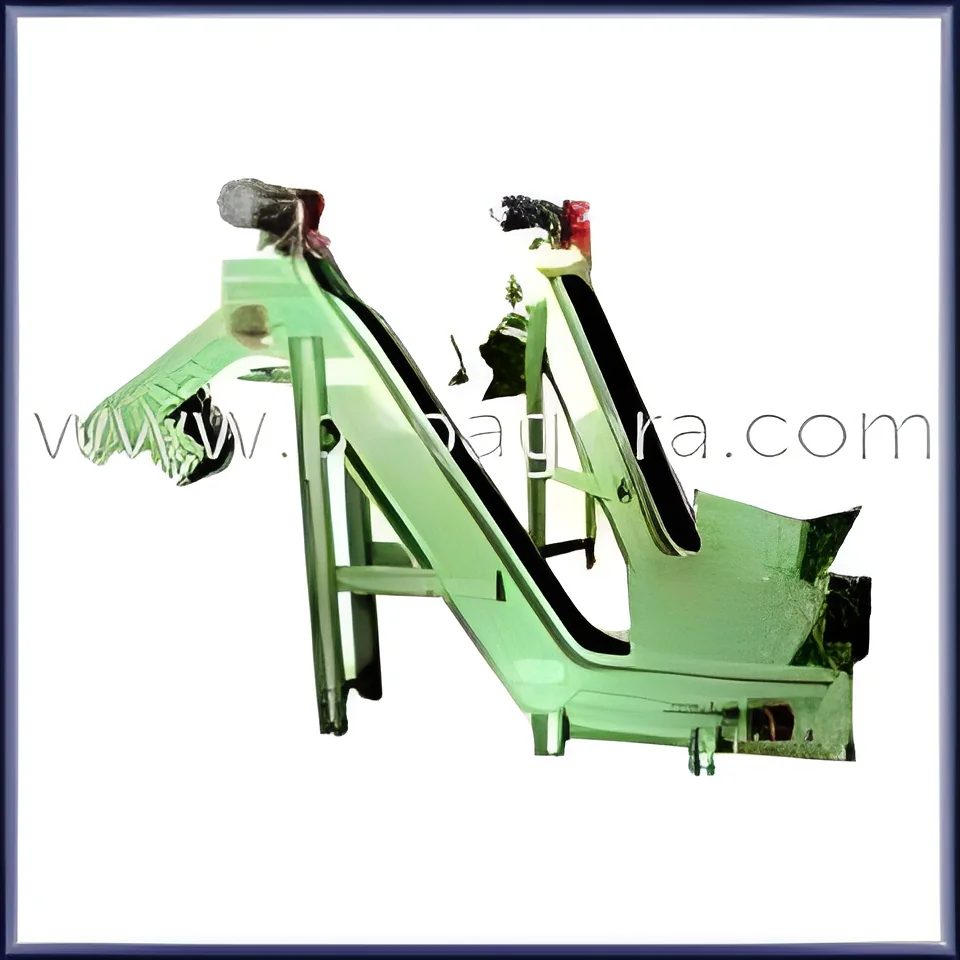
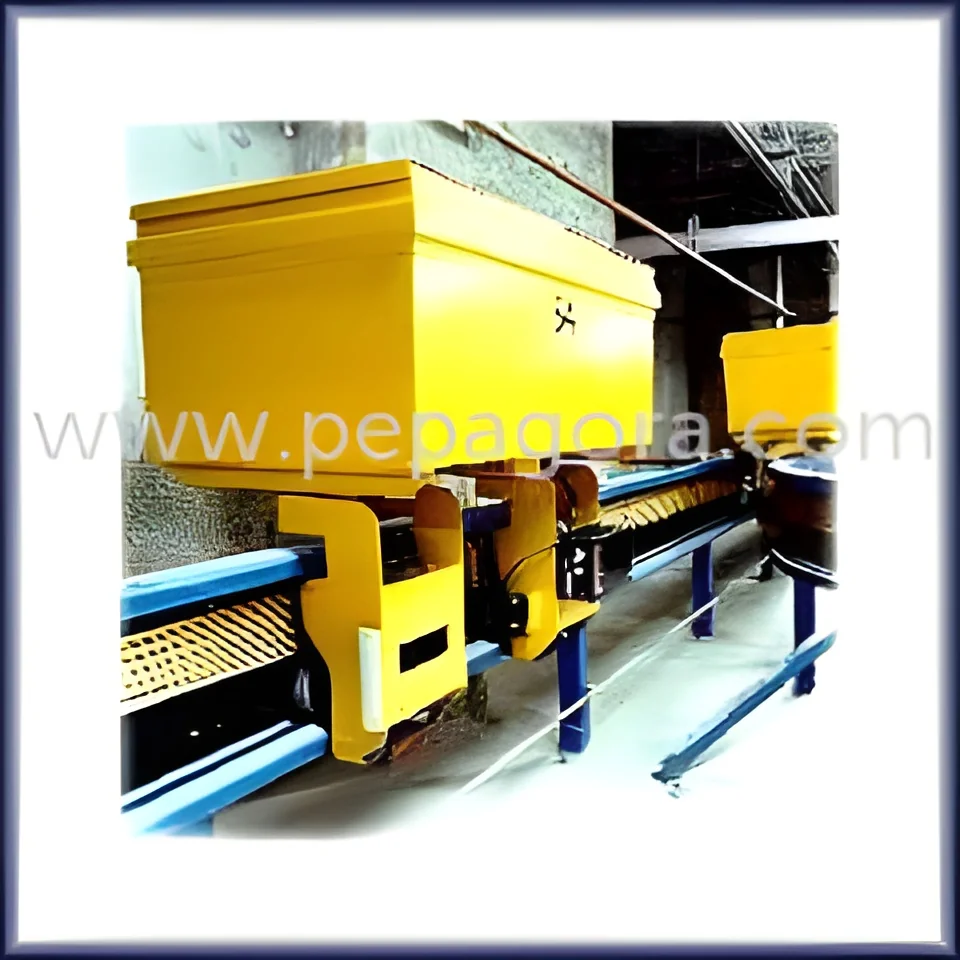
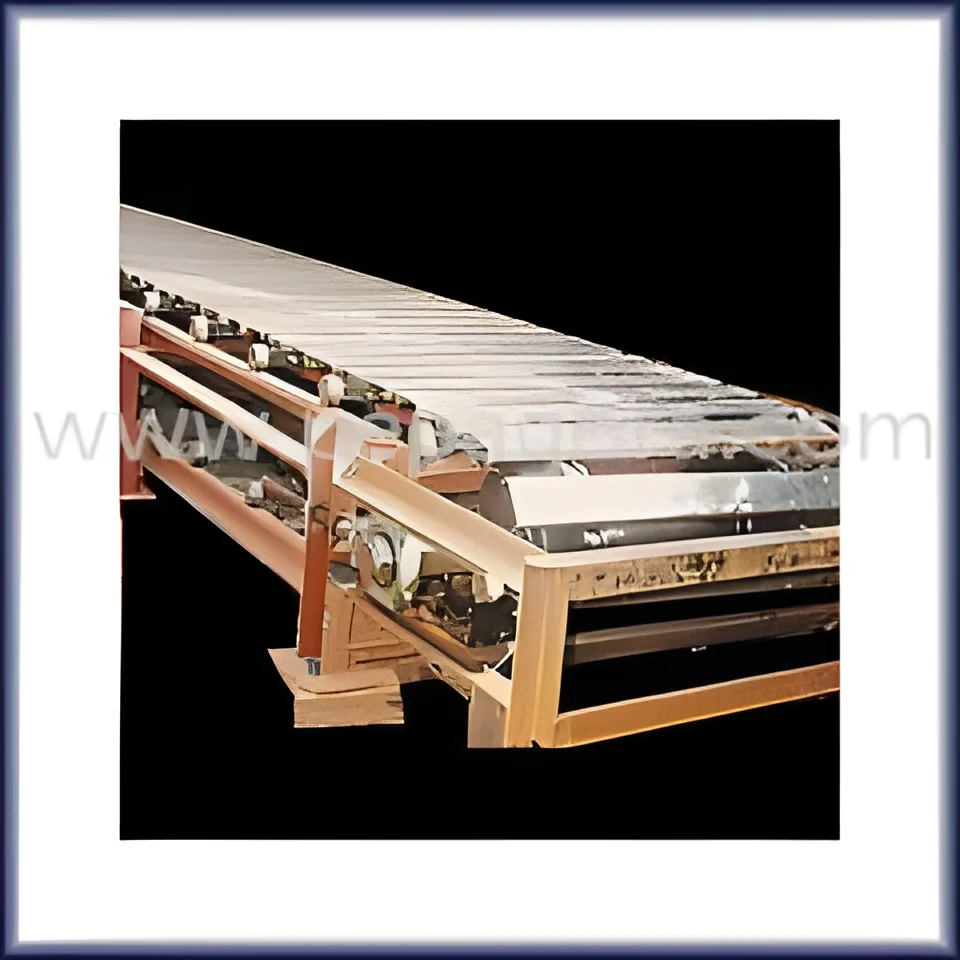
Industrial heavy duty slat conveyors represent the pinnacle of robust material handling, engineered specifically for transporting challenging loads that conventional conveyor systems cannot manage. These systems feature wood or metal slats securely mounted on single or double strand chains, creating an exceptionally stable platform that maintains structural integrity under extreme loads. The design eliminates flexing and bending during operation, ensuring consistent product positioning throughout the transport path. This reliability makes slat conveyors indispensable for operations moving bulky, irregularly shaped, or exceptionally heavy items that require careful handling and precise placement. The systems accommodate both horizontal and inclined applications, providing flexibility in layout design while maintaining operational efficiency across various production environments.

These conveyors serve critical functions across multiple industries where heavy material handling is essent...
Industrial heavy duty slat conveyors represent the pinnacle of robust material handling, engineered specifically for transporting challenging loads that conventional conveyor systems cannot manage. These systems feature wood or metal slats securely mounted on single or double strand chains, creating an exceptionally stable platform that maintains structural integrity under extreme loads. The design eliminates flexing and bending during operation, ensuring consistent product positioning throughout the transport path. This reliability makes slat conveyors indispensable for operations moving bulky, irregularly shaped, or exceptionally heavy items that require careful handling and precise placement. The systems accommodate both horizontal and inclined applications, providing flexibility in layout design while maintaining operational efficiency across various production environments.

These conveyors serve critical functions across multiple industries where heavy material handling is essential to operational success. In automotive manufacturing, they transport engines, transmissions, and chassis components through assembly lines with precision and reliability. Food processing facilities utilize slat conveyors for moving bulk ingredients, packaged goods, and irregular food products without compromising product integrity. Packaging plants depend on them for handling filled containers and crates, while manufacturing operations use them for moving heavy parts and sub-assemblies between workstations. Warehousing and distribution centers implement slat conveyors for pallet handling and large item logistics, where their robust construction supports the weight and size requirements of industrial storage and shipping operations.

The business value of slat conveyors extends beyond material transportation to encompass significant operational improvements and cost savings. Their exceptional durability reduces maintenance requirements and extends equipment lifespan, providing long-term reliability that minimizes production downtime. The customizable nature of these systems allows for perfect adaptation to specific operational needs, ensuring optimal performance for unique material handling challenges. By enabling efficient movement of heavy and irregular items, slat conveyors enhance workflow organization, reduce manual handling risks, and improve overall productivity. Their ability to handle demanding applications without product damage translates to reduced waste and higher quality output, making them a valuable investment for businesses seeking to optimize their material handling processes.

Key Features:
- Heavy-duty construction with choice of wood or metal slats for different load requirements
- Single or double strand chain drive system providing reliable power transmission
- Capability for both horizontal and inclined operation without performance compromise
- Customizable slat design, spacing, and configuration for specific application needs
- Robust structural frame supporting significant load capacity without flexing

Benefits:
- Enhanced operational efficiency through reliable heavy load transportation
- Reduced maintenance requirements and extended equipment lifespan
- Improved workplace safety by minimizing manual handling of heavy items
- Customizable configurations to match specific operational requirements
- Consistent performance in demanding industrial environments
Specifications
| Additional Information | |
|---|---|
| Country of Origin | India |
| Customisable | No |
Application
Slat conveyors provide robust material handling for industries moving heavy, bulky, or irregularly shaped items. Their rigid platform design ensures stable transport without flexing, making them ideal for demanding production environments where precision and reliability are critical. These systems excel in applications requiring customized handling solutions, from assembly lines to distribution centers, offering superior load capacity and durability compared to standard conveyor systems.
Manufacturing and logistics operations benefit from slat conveyors' ability to handle challenging loads that other systems cannot manage. The customizable nature of slat spacing, materials, and chain configurations allows for perfect adaptation to specific industry requirements. This versatility makes them indispensable in automotive, food processing, packaging, and warehousing sectors where efficient material flow directly impacts productivity and operational success.
- Automotive assembly lines for transporting engines, chassis, and heavy components through manufacturing processes
- Food processing plants for moving bulk ingredients, packaged goods, and irregular food products without damage
- Packaging and bottling facilities for handling filled containers, crates, and packaged goods on production lines
- Manufacturing plants for moving parts, sub-assemblies, and heavy machinery components between workstations
- Warehousing and distribution centers for pallet handling, large item logistics, and heavy load transportation
Trade Details
| Available Stock | In Stock |
| Sample Availability | No |
Payment Terms
| Payment Terms |
|
Company Profile
Advance Equipment Co, Maharashtra
 Maharashtra, India
Maharashtra, IndiaIndustrial Equipment & Machinery•Manufacturer•Distributor / Wholesaler•Importer / Exporter
Factory Details
Factory SizeBelow 1000 sqm
Annual Production Capacity0
Industrial Heavy Duty Slat Conveyors For Bulky Items Handling
Industrial heavy duty slat conveyors handle bulky items with custom wood or metal slats on single or double chain strands for smooth horizontal and inclined transport in demanding industrial applications.
Min. Order Quantity: 1 unit
Shipping
Shipping fee and delivery date to be negotiated. Contact supplier now for more details.
Advance Equipment Co
 Maharashtra, India
Maharashtra, IndiaIndustrial Equipment & MachineryManufacturer