IN
IN₹
Apparel & Fashion
Loading subcategories...
View More
Description
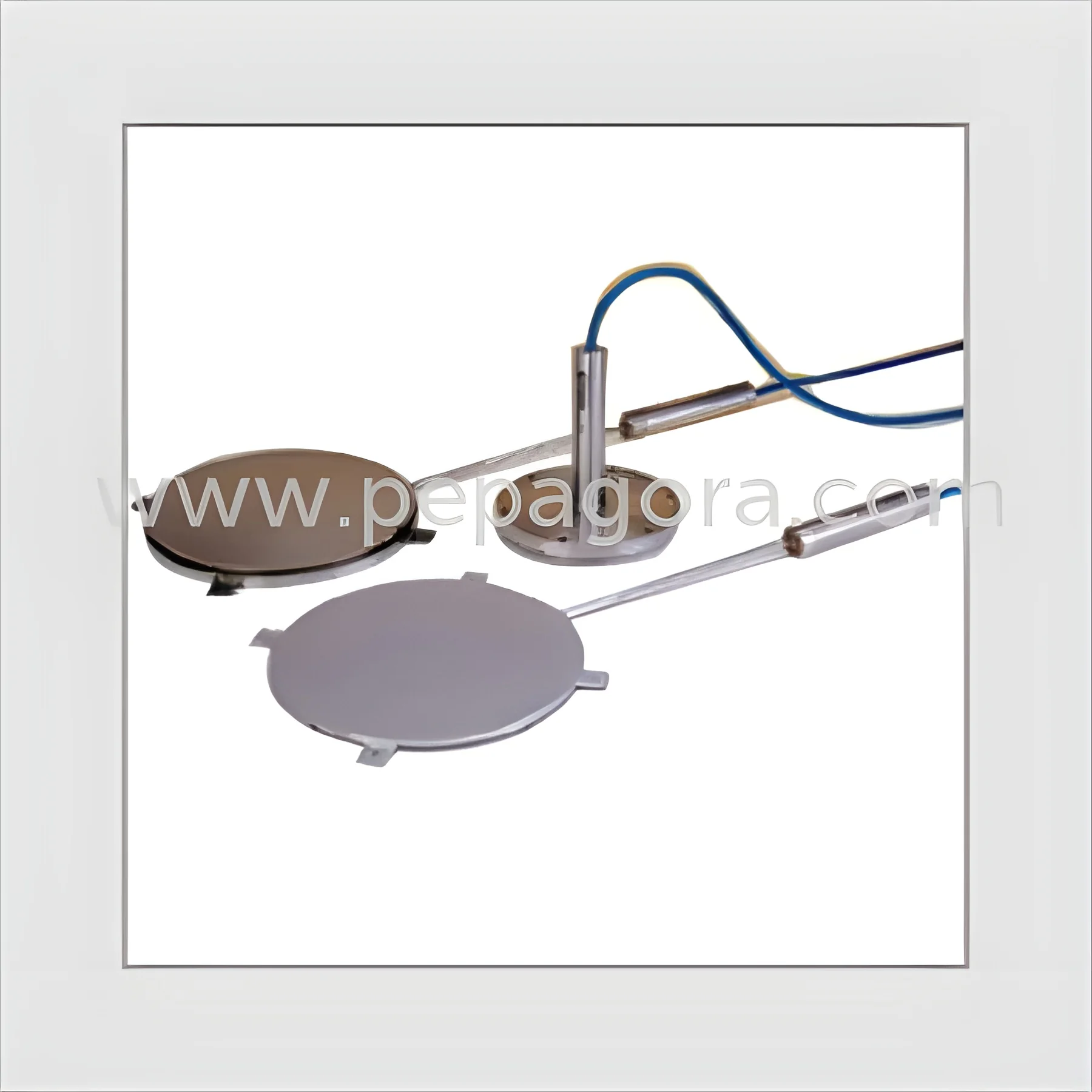
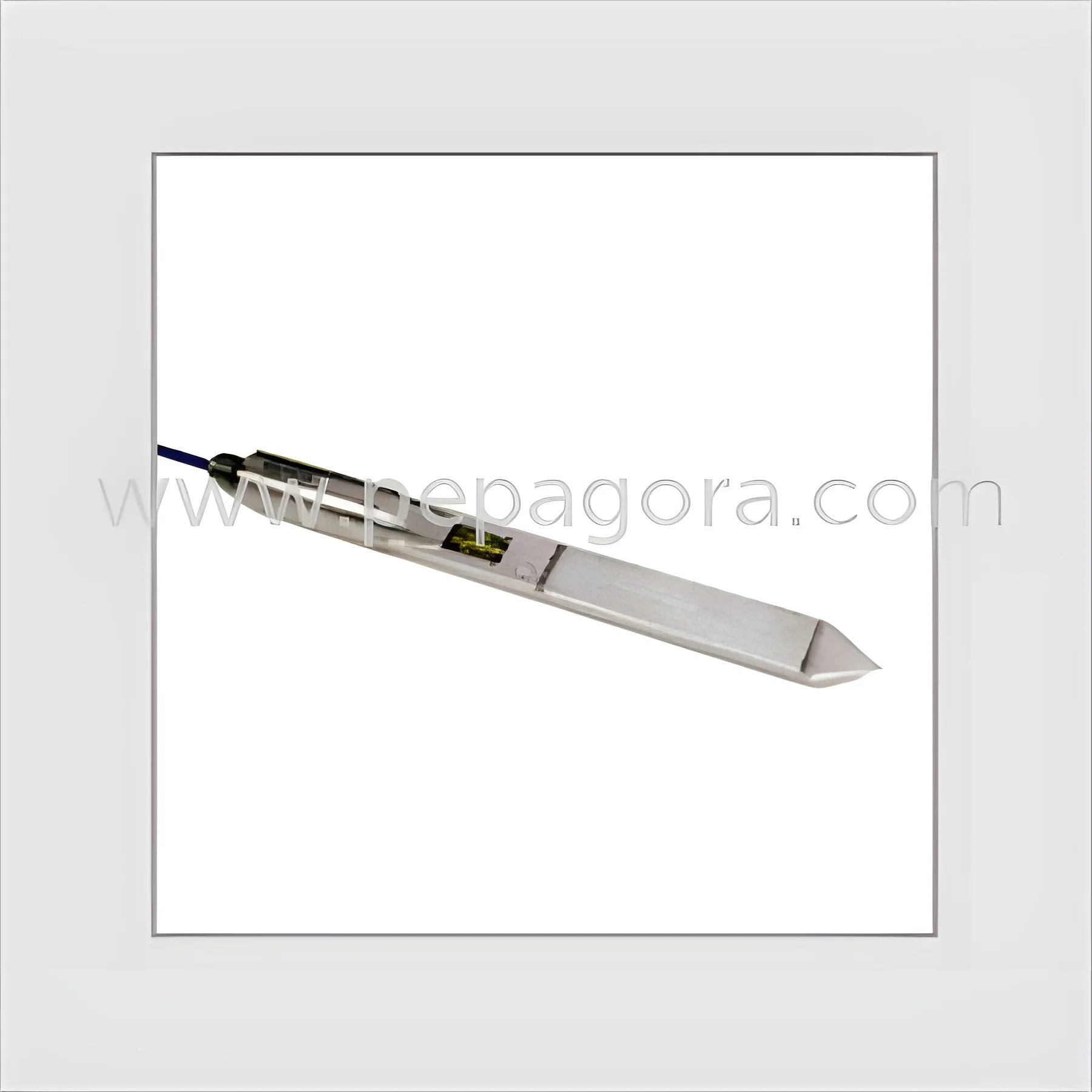
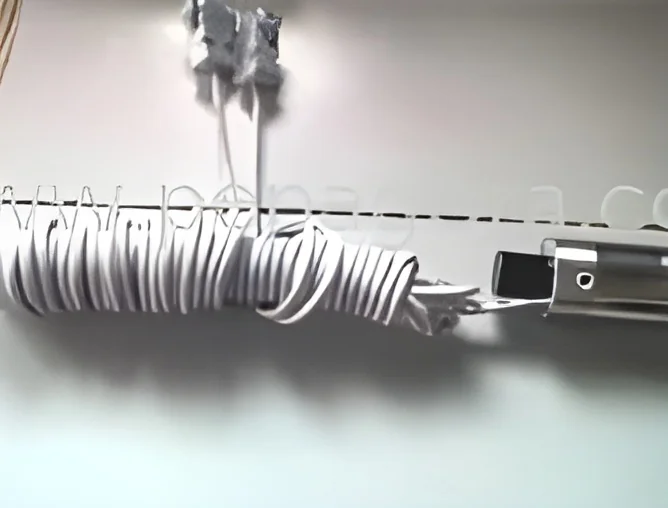
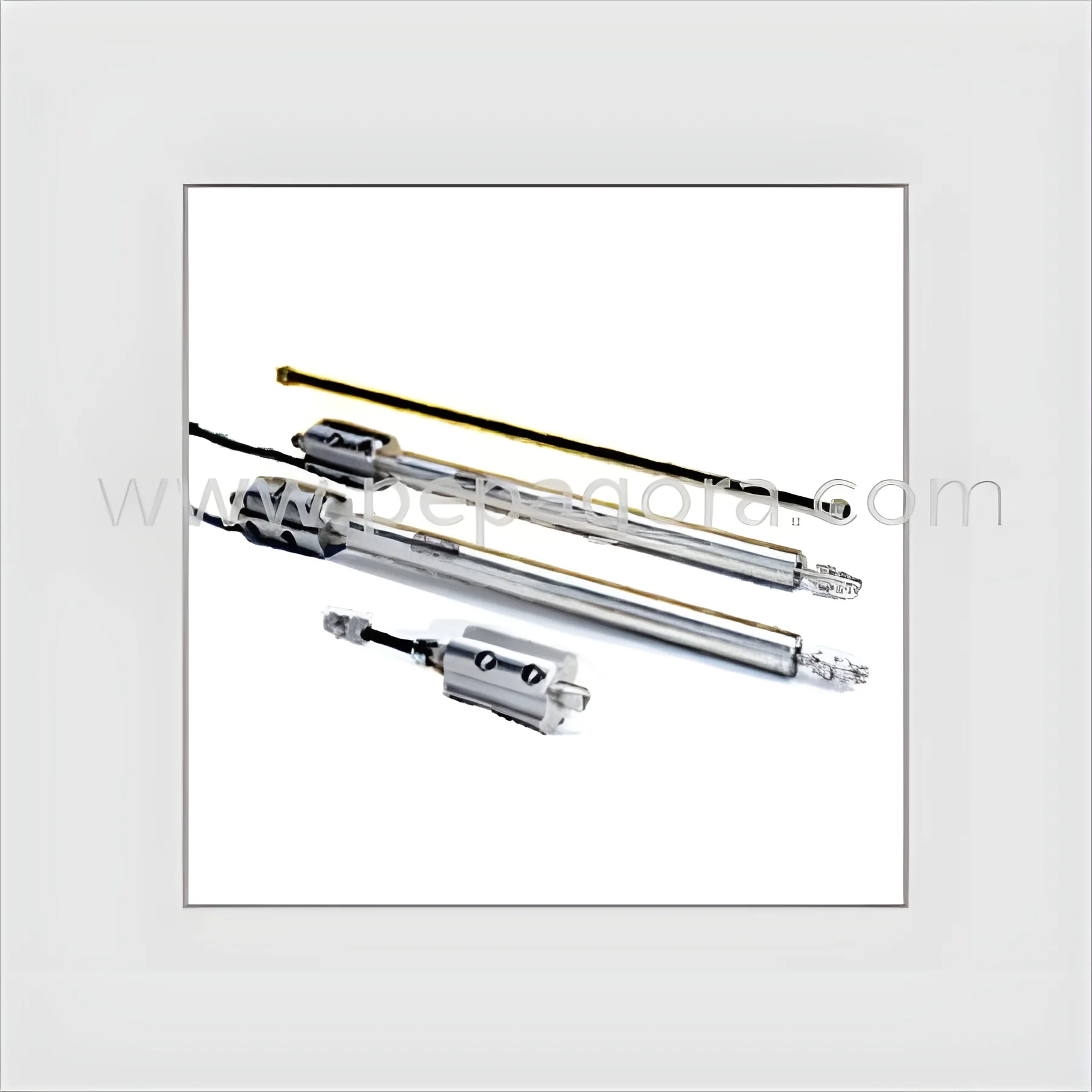
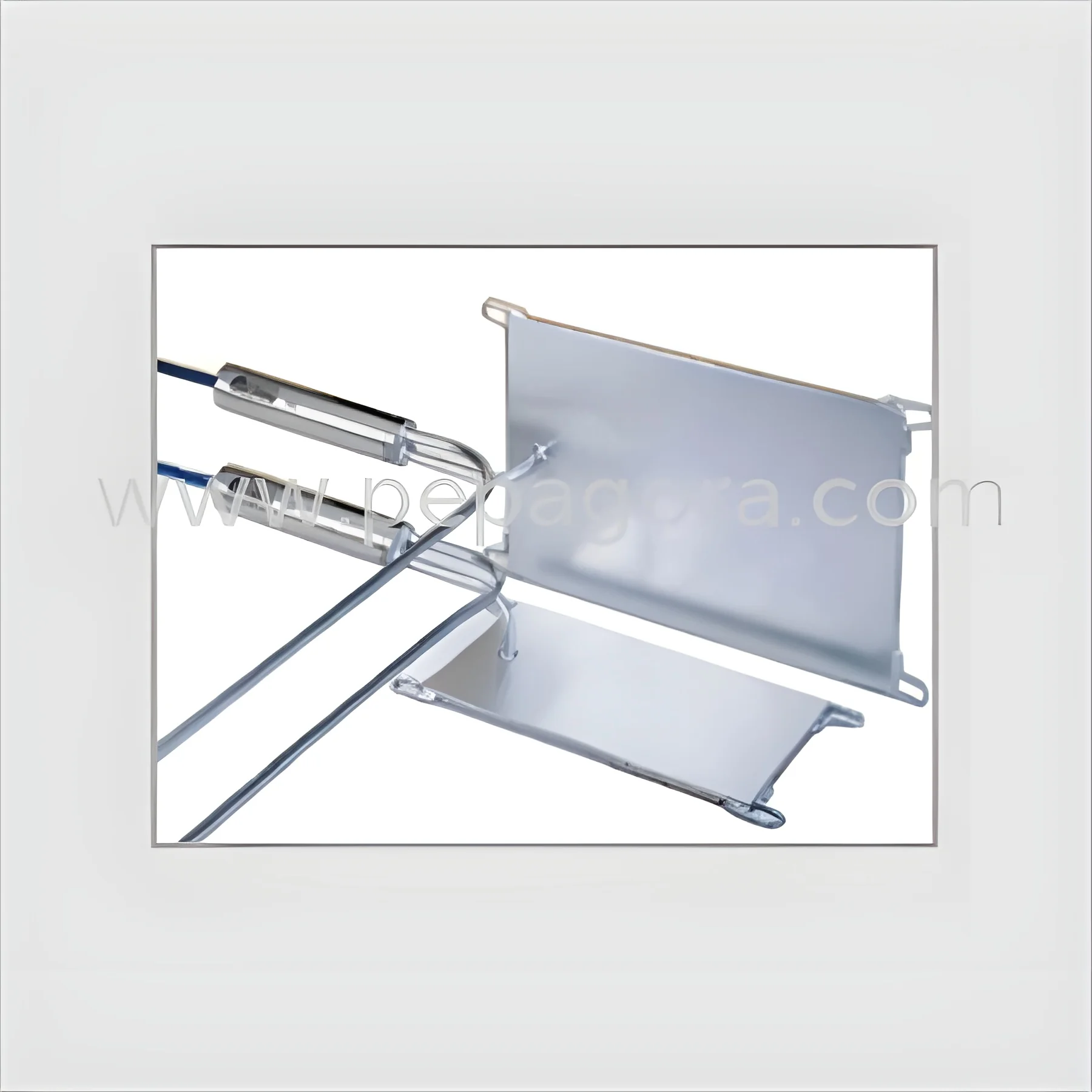
NATM shotcrete stress cells represent advanced geotechnical instrumentation engineered specifically for measuring both tangential and radial stresses in shotcrete tunnel linings and mass concrete structures. These precision sensors deliver critical data that helps engineers understand structural behavior under various load conditions, enabling informed decisions about design adjustments and safety measures. The robust design ensures consistent performance in challenging underground environments, providing trustworthy monitoring throughout project lifecycles. With superior stiffness achieved without mercury, these cells offer maximum responsiveness to changing concrete stresses while maintaining environmental safety standards. Their straightforward installation minimizes construction disruption while delivering immediate value through continuous structural monitoring capabilities.

These stress cells serve vital roles across multiple industries including civil engineering, mining, trans...
NATM shotcrete stress cells represent advanced geotechnical instrumentation engineered specifically for measuring both tangential and radial stresses in shotcrete tunnel linings and mass concrete structures. These precision sensors deliver critical data that helps engineers understand structural behavior under various load conditions, enabling informed decisions about design adjustments and safety measures. The robust design ensures consistent performance in challenging underground environments, providing trustworthy monitoring throughout project lifecycles. With superior stiffness achieved without mercury, these cells offer maximum responsiveness to changing concrete stresses while maintaining environmental safety standards. Their straightforward installation minimizes construction disruption while delivering immediate value through continuous structural monitoring capabilities.

These stress cells serve vital roles across multiple industries including civil engineering, mining, transportation infrastructure, and hydropower development. In tunnel construction, they support the New Austrian Tunneling Method by providing real-time data on lining stresses, helping engineers verify design assumptions and optimize support systems. Mining operations utilize them to monitor stability in access tunnels and underground chambers, ensuring worker safety and operational continuity. Large-scale civil projects such as dam construction and underground storage facilities rely on these sensors to measure stress distribution in mass concrete, preventing structural failures and extending asset lifespan. The transportation sector employs them in metro systems, railway tunnels, and road tunnels where continuous monitoring is essential for public safety and infrastructure durability.

The business value of these shotcrete stress cells lies in their ability to reduce project risks, lower maintenance costs, and enhance safety compliance. By providing accurate, real-time stress data, they help prevent catastrophic failures that could lead to costly delays, repairs, or accidents. This proactive monitoring approach enables engineering teams to make data-driven decisions, optimizing material usage and construction methods while ensuring regulatory compliance. The reliability of these sensors translates into long-term savings through reduced downtime and extended infrastructure lifespan. Their environmental-friendly design addresses sustainability concerns while maintaining superior performance standards, making them a smart investment for projects requiring proven geotechnical monitoring solutions.

Key Features:
- Measures both tangential and radial stresses in shotcrete linings and mass concrete
- Superior stiffness design without using mercury for environmental safety
- High responsiveness to changing concrete stress conditions
- Robust construction suitable for long-term deployment in harsh environments
- Customizable configurations to meet specific project requirements

Benefits:
- Enables early detection of potential structural failures through continuous monitoring
- Reduces project risks and prevents costly construction delays and repairs
- Provides accurate data for optimizing structural designs and material usage
- Ensures long-term reliability with durable performance in challenging conditions
- Supports safety compliance and regulatory requirements for infrastructure projects
Specifications
| Additional Information | |
|---|---|
| Country of Origin | India |
| Customisable | No |
Application
Our NATM shotcrete stress cells deliver precise structural monitoring for underground construction and tunneling projects. These robust sensors measure both tangential and radial stresses, providing comprehensive data on how tunnel linings behave under various ground pressures and load conditions. Their durable design ensures reliable performance in harsh environments while offering continuous monitoring capabilities throughout project lifecycles with minimal disruption to construction activities.
Engineers depend on these stress cells for critical infrastructure projects where safety and reliability are paramount. The sensors integrate seamlessly with existing monitoring systems to reduce risks associated with ground settlement, water ingress, and unexpected load shifts. Their environmental resistance and long-term deployment capabilities make them essential for transportation tunnels, mining operations, hydroelectric projects, and large-scale civil engineering works demanding high precision under challenging conditions.
- Monitoring stress distribution in railway and metro tunnel linings during construction and operation
- Assessing structural health in hydroelectric tunnel projects and underground power stations
- Measuring load distribution in mining access tunnels and underground storage facilities
- Evaluating concrete stress in large dam constructions and foundation engineering projects
- Ensuring safety in road tunnels through continuous stress analysis and structural monitoring
Trade Details
| Available Stock | In Stock |
| Sample Availability | No |
Payment Terms
| Payment Terms |
|
Company Profile
Nic Jaipur, Rajasthan
 Rajasthan, India
Rajasthan, IndiaElectronics & Electrical•Manufacturer•Importer / Exporter
Factory Details
Factory SizeBelow 1000 sqm
Annual Production Capacity0
NATM Shotcrete Stress Cells For Tunnel Lining Structural Monitoring
NATM shotcrete stress cells measure tangential and radial stresses in tunnel linings and mass concrete for construction, mining, and civil engineering structural monitoring projects requiring reliable performance.
Min. Order Quantity: 1 unit
Shipping
Shipping fee and delivery date to be negotiated. Contact supplier now for more details.
Nic Jaipur
 Rajasthan, India
Rajasthan, IndiaElectronics & ElectricalManufacturer