IN
₹
Apparel & Fashion
Description
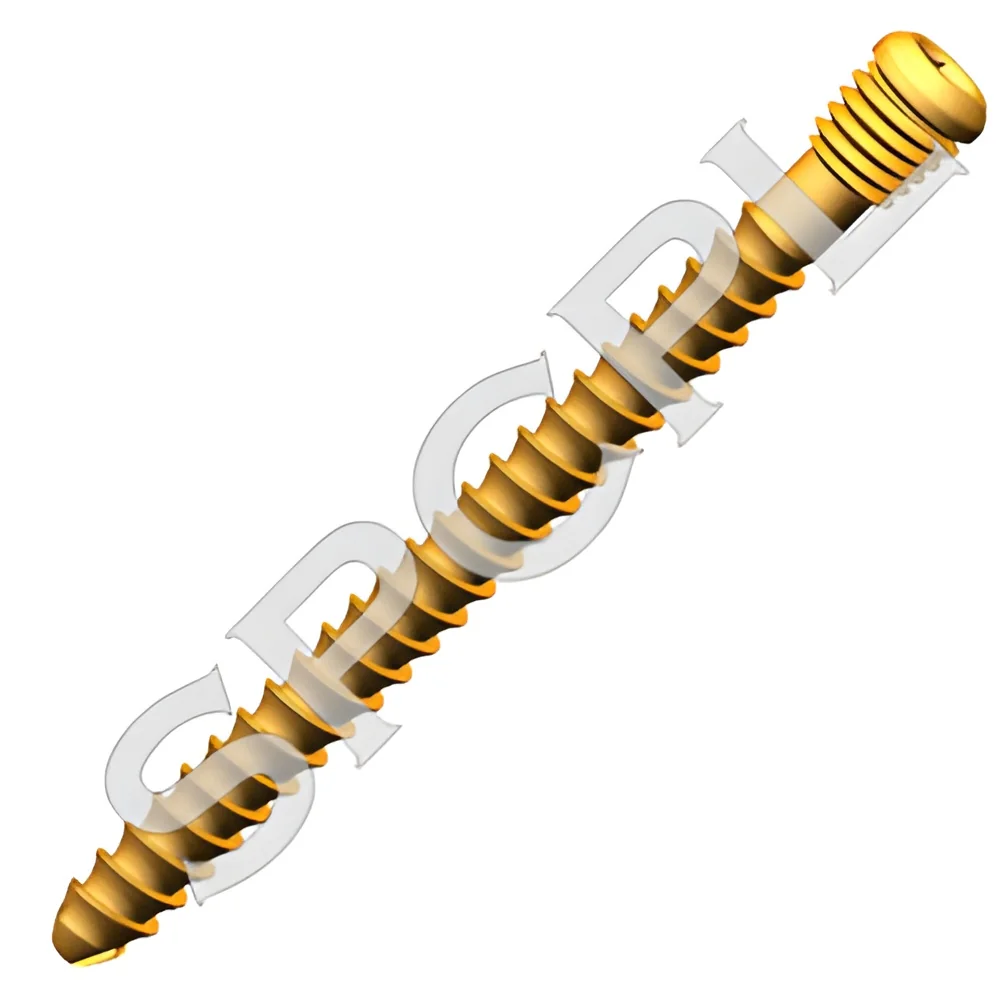
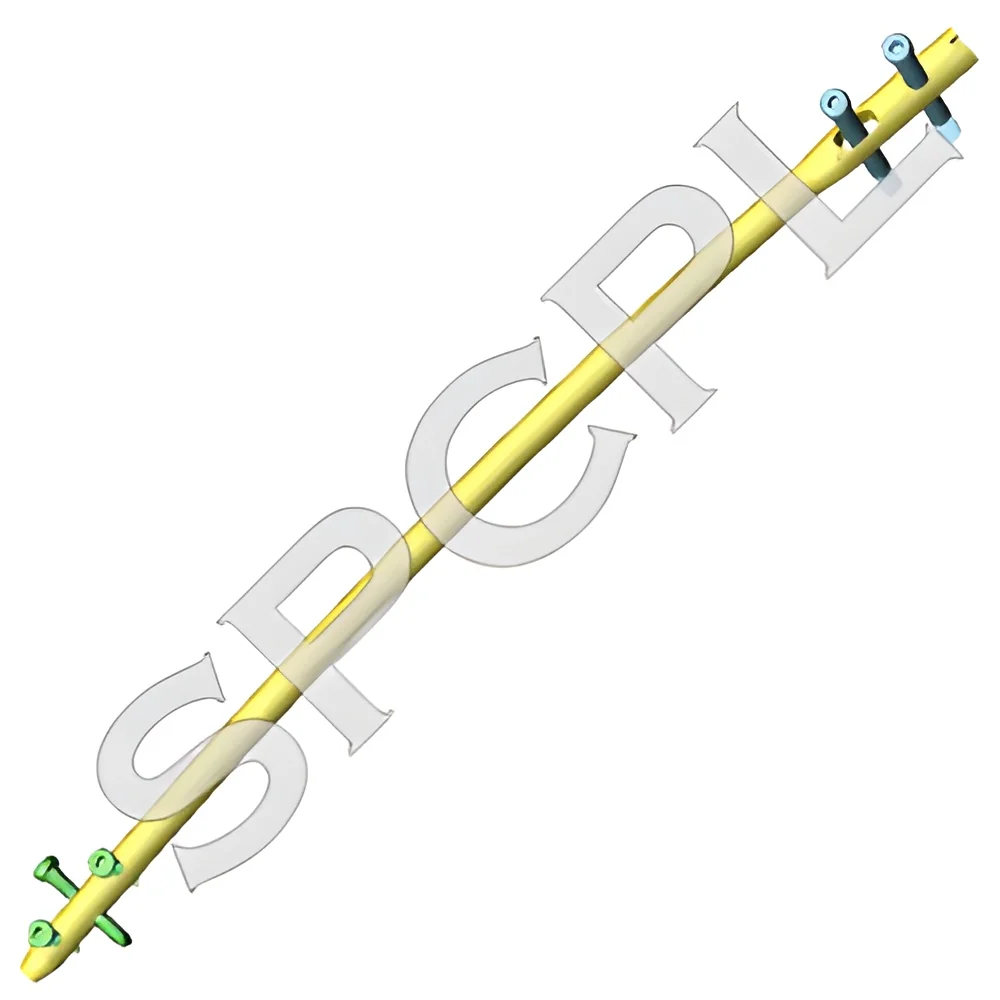
The Retrograde Femur Nail (Cannulated Solid) is a sophisticated orthopedic implant engineered specifically for the internal fixation of distal femur fractures. This device merges the accuracy of a cannulated system, which guides precise placement over a guide wire, with the inherent strength and stability of a solid intramedullary nail. Crafted from either medical-grade stainless steel or titanium, it provides surgeons with material choices to suit specific surgical preferences and patient needs. The implant is available in a practical sizing matrix, with diameters ranging from 9mm to 13mm and lengths from 26cm to 44cm, typically in 2cm increments. This retrograde system is inserted through the knee, allowing for a minimally invasive surgical approach that can help preserve soft tissues, reduce blood loss, and potentially facilitate a quicker patient recovery compared to more invasive techniques.

This implant is a fundamental tool in various healthcare institutions, including major tr...
The Retrograde Femur Nail (Cannulated Solid) is a sophisticated orthopedic implant engineered specifically for the internal fixation of distal femur fractures. This device merges the accuracy of a cannulated system, which guides precise placement over a guide wire, with the inherent strength and stability of a solid intramedullary nail. Crafted from either medical-grade stainless steel or titanium, it provides surgeons with material choices to suit specific surgical preferences and patient needs. The implant is available in a practical sizing matrix, with diameters ranging from 9mm to 13mm and lengths from 26cm to 44cm, typically in 2cm increments. This retrograde system is inserted through the knee, allowing for a minimally invasive surgical approach that can help preserve soft tissues, reduce blood loss, and potentially facilitate a quicker patient recovery compared to more invasive techniques.

This implant is a fundamental tool in various healthcare institutions, including major trauma centers, specialized orthopedic hospitals, and general surgical facilities. It is primarily indicated for fixing fractures of the distal femur, which are often caused by high-impact incidents such as motor vehicle accidents, significant falls, or sports injuries. Orthopedic surgeons rely on this nail system to provide stable, load-bearing fixation that can withstand the mechanical forces of the lower limb, enabling early postoperative mobilization—a key factor in improving long-term functional outcomes. Its application spans both urgent trauma cases and elective revision surgeries, catering to a diverse patient demographic from active adults to the elderly with fragile bone quality.

The Retrograde Femur Nail delivers substantial value through its demonstrated reliability and clinical efficacy. For medical suppliers and healthcare providers, stocking this implant means offering a proven solution that minimizes the risk of complications and costly revision procedures. Its design emphasizes surgical efficiency, with features that can help streamline the operative procedure and reduce overall operating room time. The implant's compatibility with standard orthopedic instrumentation makes it a practical and integrable component of any surgical set. The option of stainless steel or titanium allows procurement teams to balance performance requirements with budgetary considerations, while the extensive size range ensures that suitable implants are available for nearly all adult patient anatomies, enhancing inventory utility and patient care.

Key Features:
- Cannulated-solid hybrid design enabling precise insertion and providing robust structural strength.
- Manufactured from biocompatible, medical-grade materials: stainless steel or titanium.
- Comprehensive diameter range from 9mm to 13mm to match different femoral canal sizes.
- Extensive length options from 26cm to 44cm for accurate anatomical fitting.
- Engineered specifically for retrograde insertion and fixation of distal femur fractures.

Benefits:
- Stable and reliable fixation promotes proper bone healing and alignment.
- Material options (stainless steel or titanium) offer flexibility for surgical strategy and cost management.
- Wide range of sizes ensures a suitable implant is available for diverse patient anatomies.
- Minimally invasive retrograde technique can help reduce soft tissue disruption.
- Proven design trusted by surgeons worldwide for consistent performance in demanding clinical situations.
Specifications
| Additional Information | |
|---|---|
| Country of Origin | India |
Application
The Retrograde Femur Nail is a specialized orthopedic implant designed for the surgical fixation of fractures in the lower part of the thigh bone. Its unique cannulated-solid construction provides a precise pathway for insertion while delivering the robust strength needed for stable internal fixation. This design promotes proper bone alignment and supports the natural healing process, making it a reliable choice for complex fracture patterns that require secure, long-lasting stabilization.
Manufactured from high-quality medical-grade stainless steel or titanium, this implant offers excellent biocompatibility and durability. Available in a comprehensive range of diameters from 9mm to 13mm and lengths from 26cm to 44cm, it provides surgeons with the flexibility to match the implant precisely to the patient's anatomy and the specific fracture characteristics. This versatility, combined with its proven track record, makes it suitable for a wide array of clinical scenarios in modern trauma and orthopedic surgery.
- Surgical treatment of supracondylar and intercondylar femur fractures in adult patients.
- Management of complex, multi-fragmentary distal femur fractures resulting from high-energy trauma.
- Revision surgery for cases where previous internal fixation has failed or requires replacement.
- Stabilization of periprosthetic femur fractures occurring near knee replacement implants.
- Fixation for osteoporotic fractures in the distal femur, where stable internal support is critical.
Trade Details
| Available Stock | In Stock |
| Sample Availability | No |
Payment Terms
| Payment Terms |
|
Company Profile

Bharucha Associates, Gujarat
 Gujarat, India
Health & Personal Care•Distributor / Wholesaler•Retailer•Importer / Exporter
Factory Details
Factory SizeBelow 1000 sqm
Annual Production Capacity0
Orthopedic Retrograde Femur Nail Cannulated Solid Stainless Steel Titanium
Retrograde Femur Nail (Cannulated Solid) for distal femur fracture fixation. Made from stainless steel or titanium. Available in diameters 9mm to 13mm and lengths 26cm to 44cm. Trusted by hospitals and orthopedic surgeons worldwide for reliable performance.
Min. Order Quantity: 1 unit
Shipping
Shipping fee and delivery date to be negotiated. Contact supplier now for more details.
Bharucha Associates
 Gujarat, India
Health & Personal CareDistributor / Wholesaler