IN
IN₹
Apparel & Fashion
Description
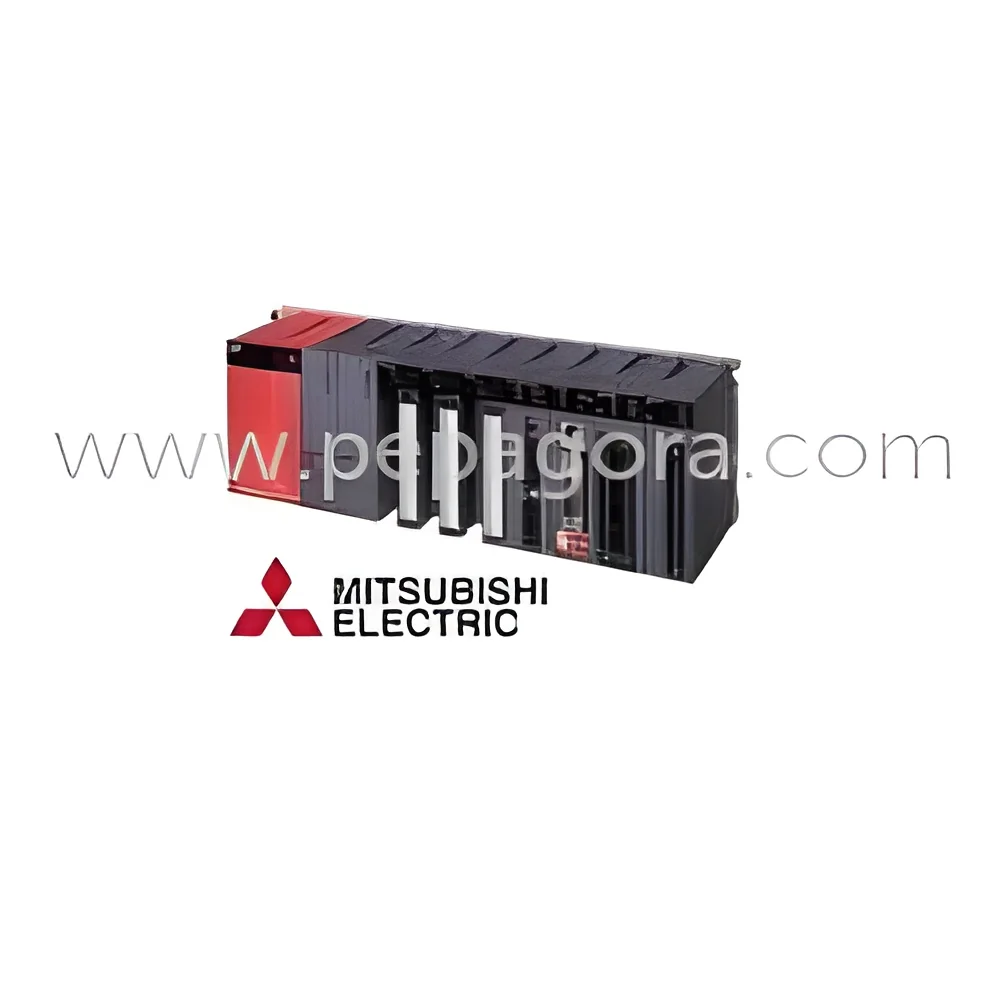
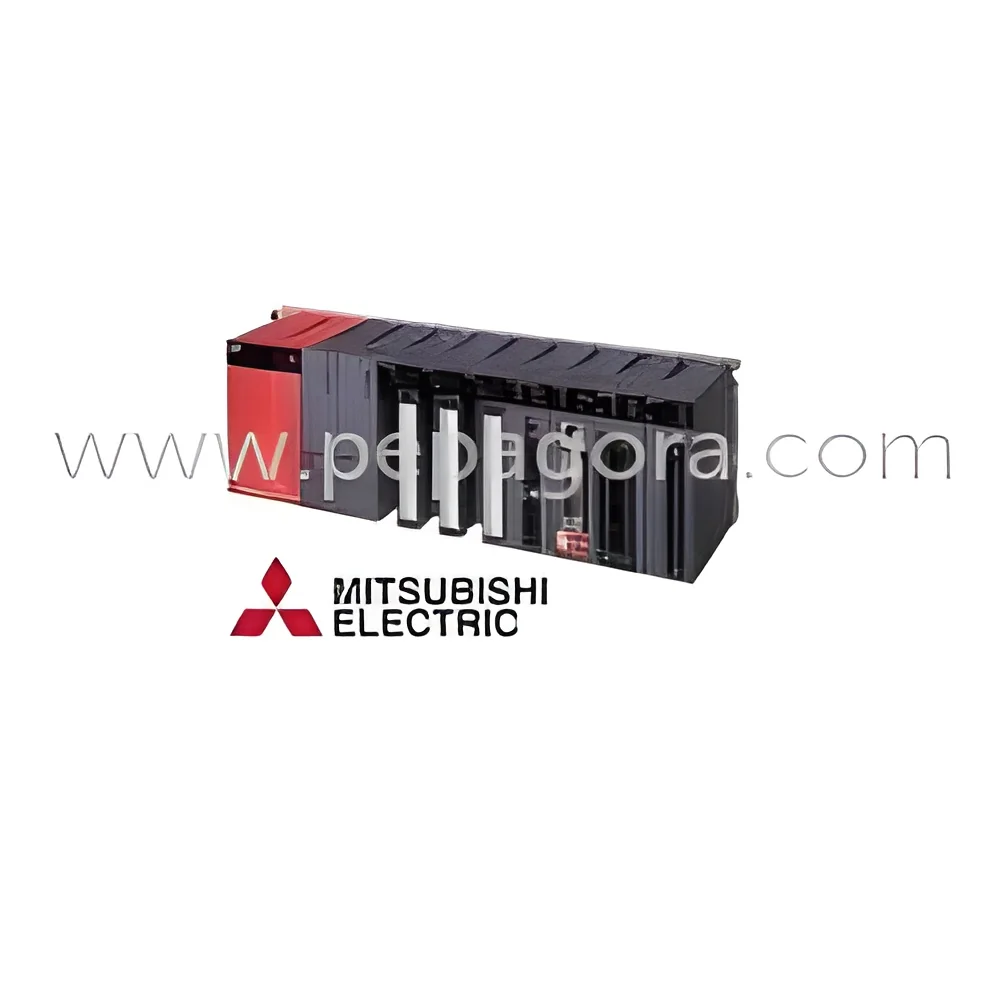
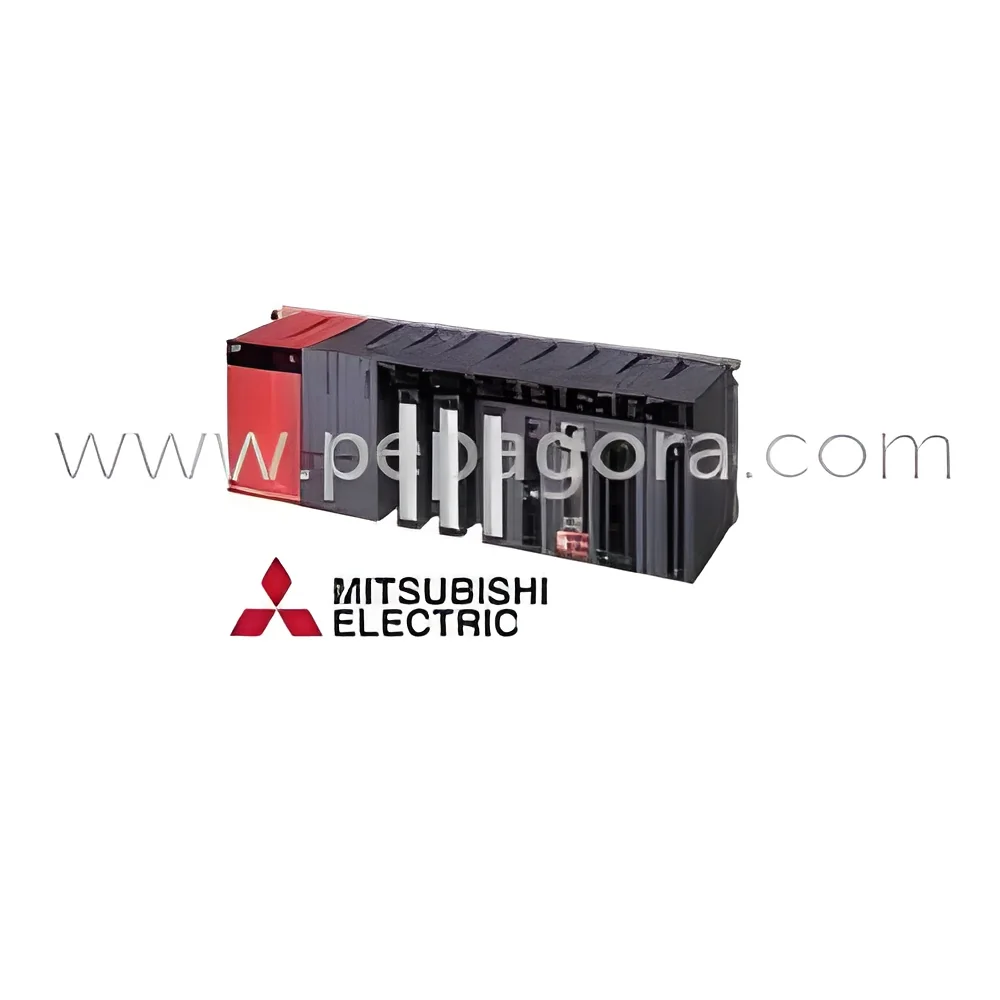
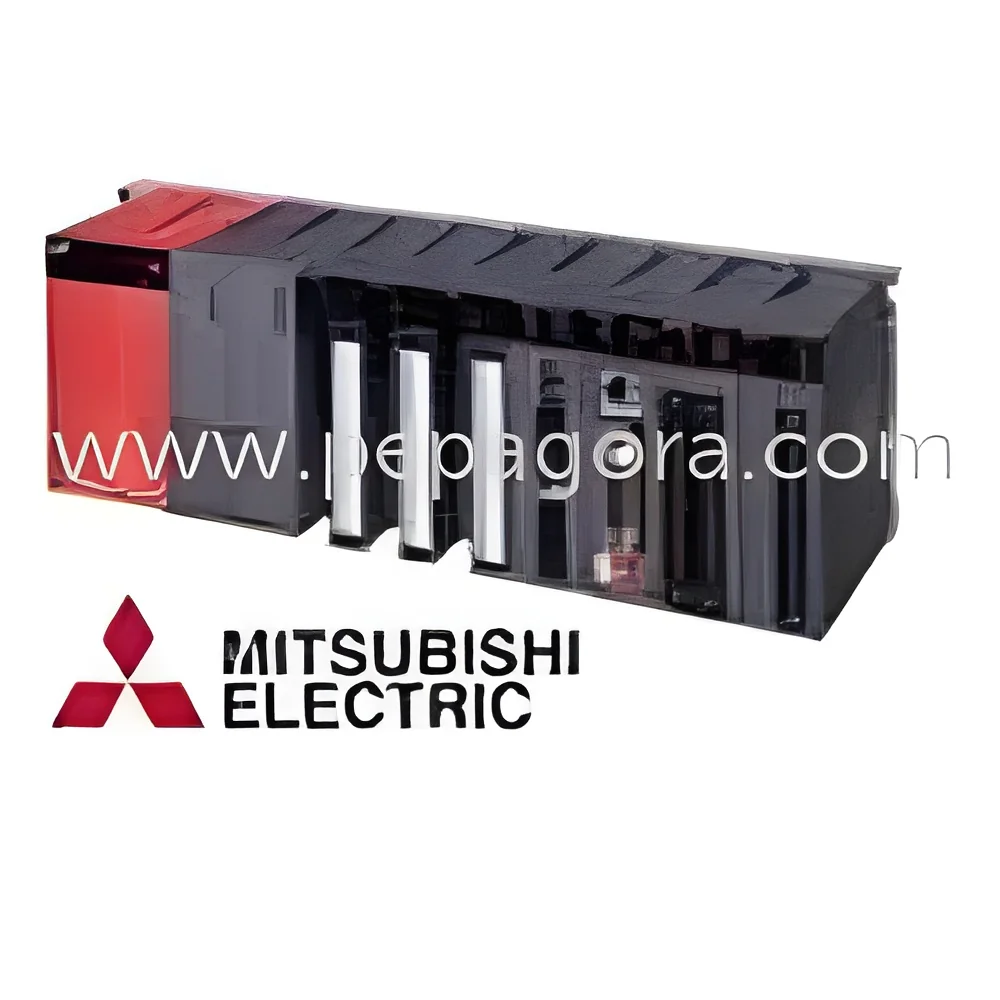
The System Q PLC modular automation controller represents advanced industrial control technology specifically engineered for textile manufacturing applications. This sophisticated control system enables manufacturers to create tailored automation solutions by selecting optimal combinations of processing units, communication modules, and input/output components on a unified platform. The modular architecture allows precise configuration matching specific operational requirements, ensuring optimal performance whether deployed in small textile operations or large-scale manufacturing facilities. This adaptability makes System Q ideal for businesses seeking scalable automation that can evolve with changing production demands and technological requirements in the textile industry.

These programmable logic controllers serve extensively across textile manufacturing operations, providing reliable automation for fabric production, garment manufacturing, and quality assurance processes. They del...
The System Q PLC modular automation controller represents advanced industrial control technology specifically engineered for textile manufacturing applications. This sophisticated control system enables manufacturers to create tailored automation solutions by selecting optimal combinations of processing units, communication modules, and input/output components on a unified platform. The modular architecture allows precise configuration matching specific operational requirements, ensuring optimal performance whether deployed in small textile operations or large-scale manufacturing facilities. This adaptability makes System Q ideal for businesses seeking scalable automation that can evolve with changing production demands and technological requirements in the textile industry.

These programmable logic controllers serve extensively across textile manufacturing operations, providing reliable automation for fabric production, garment manufacturing, and quality assurance processes. They deliver exceptional value in controlling automated cutting systems, precision sewing equipment, fabric handling mechanisms, and production coordination. The textile industry benefits from System Q's ability to maintain consistent quality standards while enabling rapid production adjustments and customization capabilities. Manufacturing facilities specializing in bulk textile production, specialized fabric items, and technical textiles rely on these controllers for their precision, reliability, and seamless integration with existing production infrastructure.

The business value of System Q PLCs lies in their exceptional operational reliability, minimized production downtime, and long-term cost efficiency. These controllers are engineered for continuous operation in demanding textile manufacturing environments, featuring robust construction and fail-safe mechanisms that significantly reduce production interruptions. Their modular nature enables businesses to begin with essential functionality and expand capabilities as production requirements grow, protecting initial investment while accommodating expansion. The system's compatibility with various industrial protocols and communication standards ensures straightforward integration with existing textile machinery, reducing implementation time and training requirements. This combination of reliability, scalability, and integration flexibility provides textile manufacturers with a future-proof automation solution that delivers consistent return on investment through enhanced productivity and reduced maintenance costs.

Key Features:
- Modular backplane architecture supporting flexible component selection
- Configurable combinations of CPUs, communication devices, and control modules
- Discrete input/output compatibility for precise signal management
- Scalable design accommodating both compact and extensive system configurations
- Industrial-grade construction suitable for textile manufacturing environments

Benefits:
- Enhanced production efficiency through precise machinery control
- Reduced operational downtime with reliable performance
- Flexible system expansion as manufacturing needs evolve
- Easy integration with existing textile production equipment
- Long-term cost savings through durable construction and minimal maintenance
Specifications
| Additional Information | |
|---|---|
| Country of Origin | 106 |
Application
System Q PLCs provide versatile automation control for textile manufacturing processes, enabling precise operation of industrial machinery and production line coordination. Their modular design allows customized configurations that maintain consistent quality and operational efficiency across various manufacturing stages and equipment types.
These programmable controllers excel in textile production environments, offering reliable performance for fabric handling, cutting systems, and sewing operations. The scalable architecture supports both small-scale applications and complex production lines while ensuring seamless integration with existing industrial equipment and control systems.
- Automated fabric cutting and pattern alignment systems
- Precision control for industrial sewing and embroidery equipment
- Material handling and textile transport automation
- Quality monitoring and inspection systems in textile production
- Production line synchronization and process management
Trade Details
| Available Stock | In Stock |
| Sample Availability | No |
Payment Terms
| Payment Terms |
|
Company Profile

Control & Solutions, Maharashtra
 Maharashtra, India
Maharashtra, IndiaElectronics & Electrical•Distributor / Wholesaler
Factory Details
Factory SizeBelow 1000 sqm
Annual Production Capacity0
System Q PLC Modular Automation Controller For Industrial Textile Manufacturing
System Q PLC modular automation controller delivers flexible, scalable control for industrial textile manufacturing with reliable performance, precise machinery operation, and easy integration into production environments.
Min. Order Quantity: 1 unit
Shipping
Shipping fee and delivery date to be negotiated. Contact supplier now for more details.
Control & Solutions
 Maharashtra, India
Maharashtra, IndiaElectronics & ElectricalDistributor / Wholesaler