IN
₹
Apparel & Fashion
Description
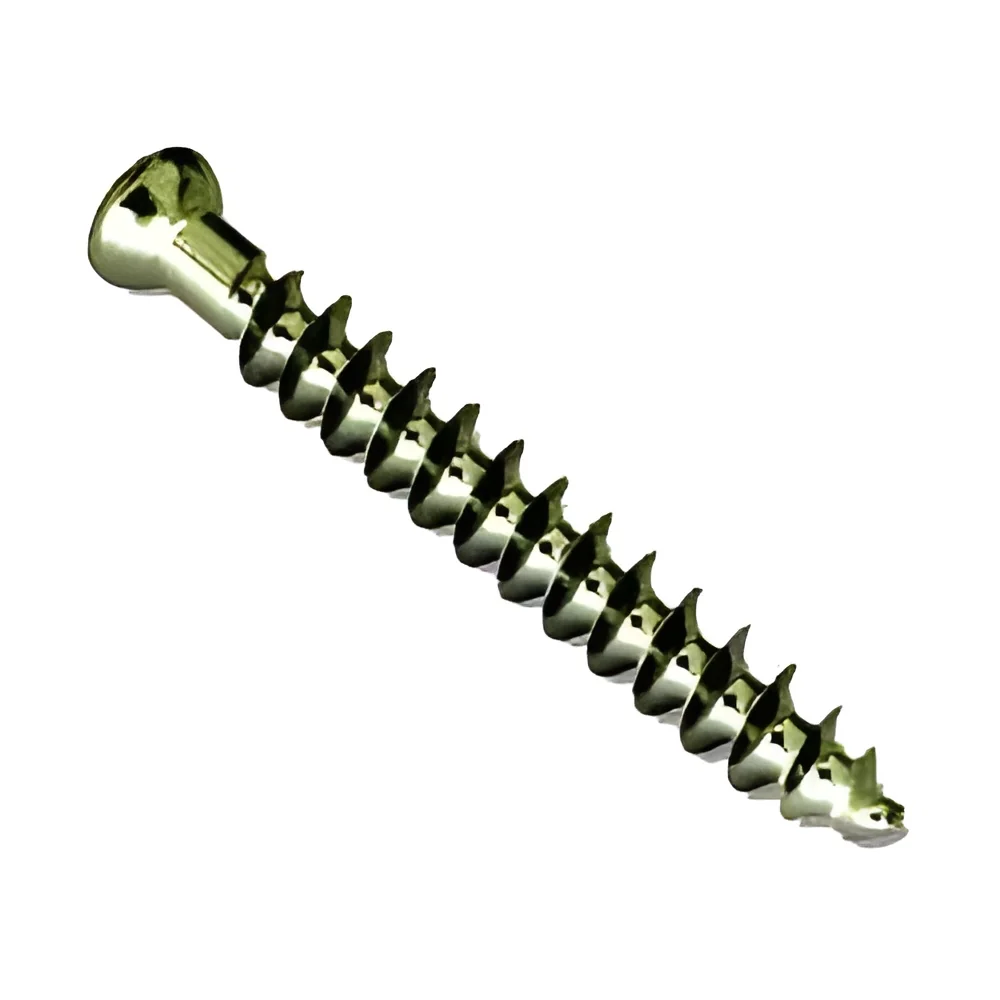
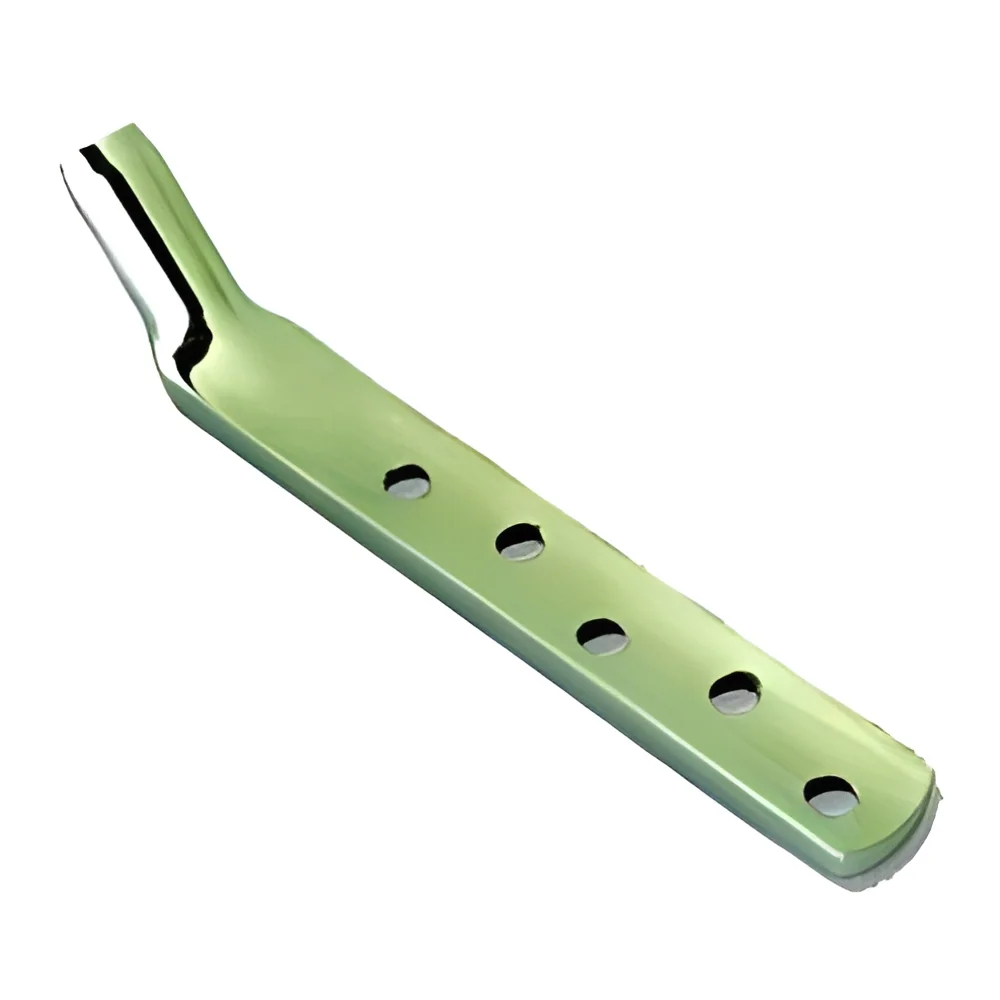
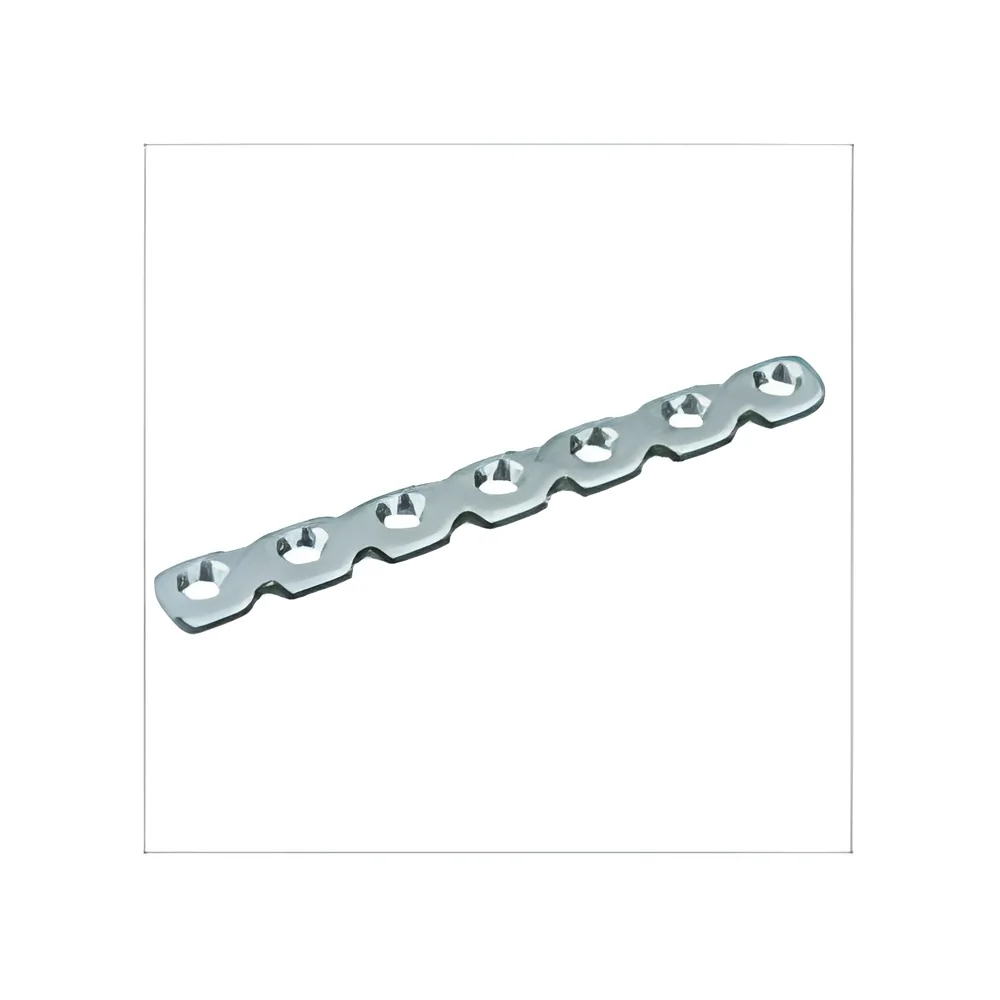
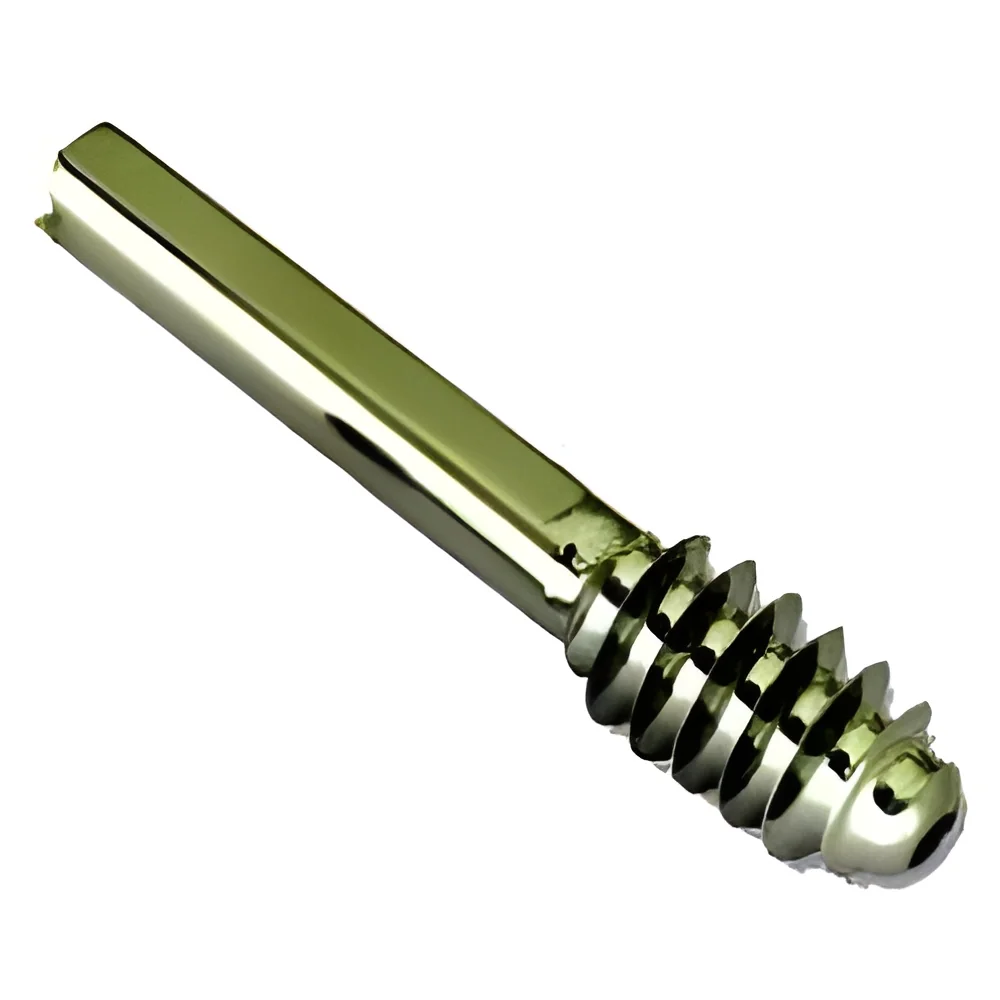
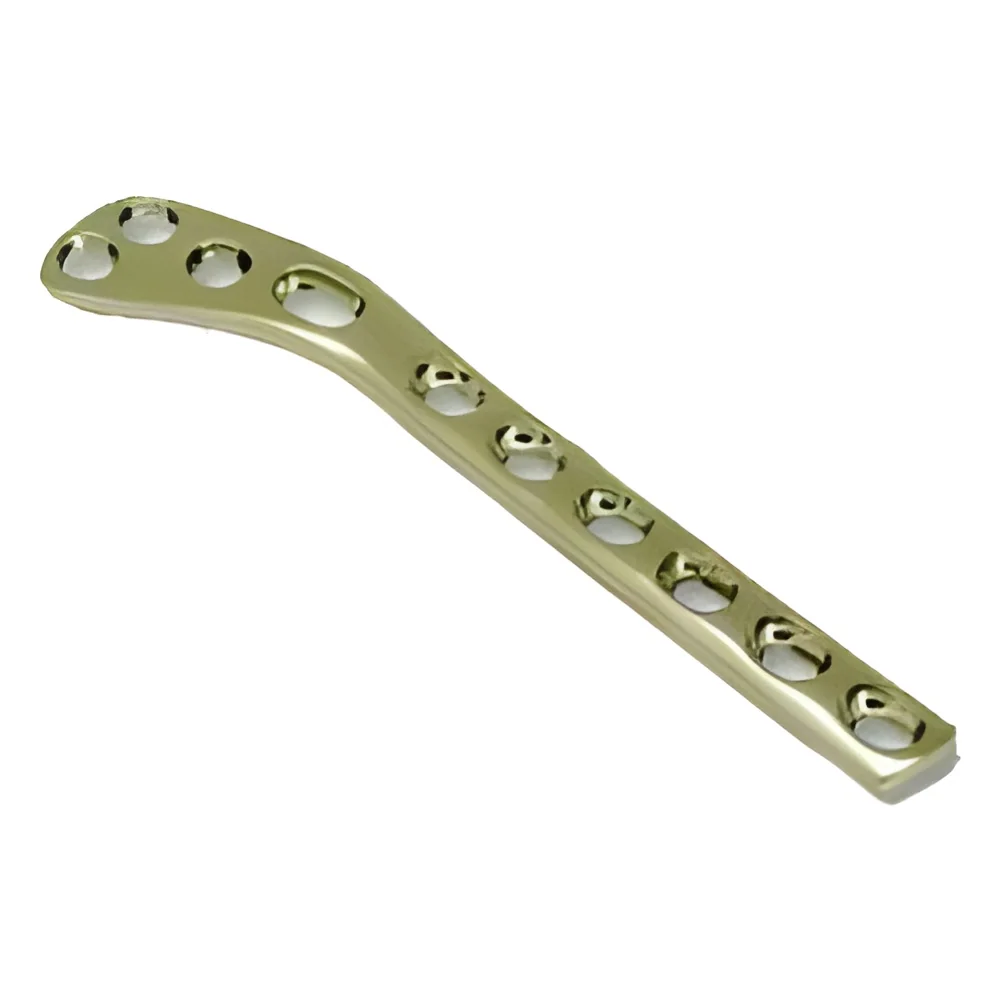
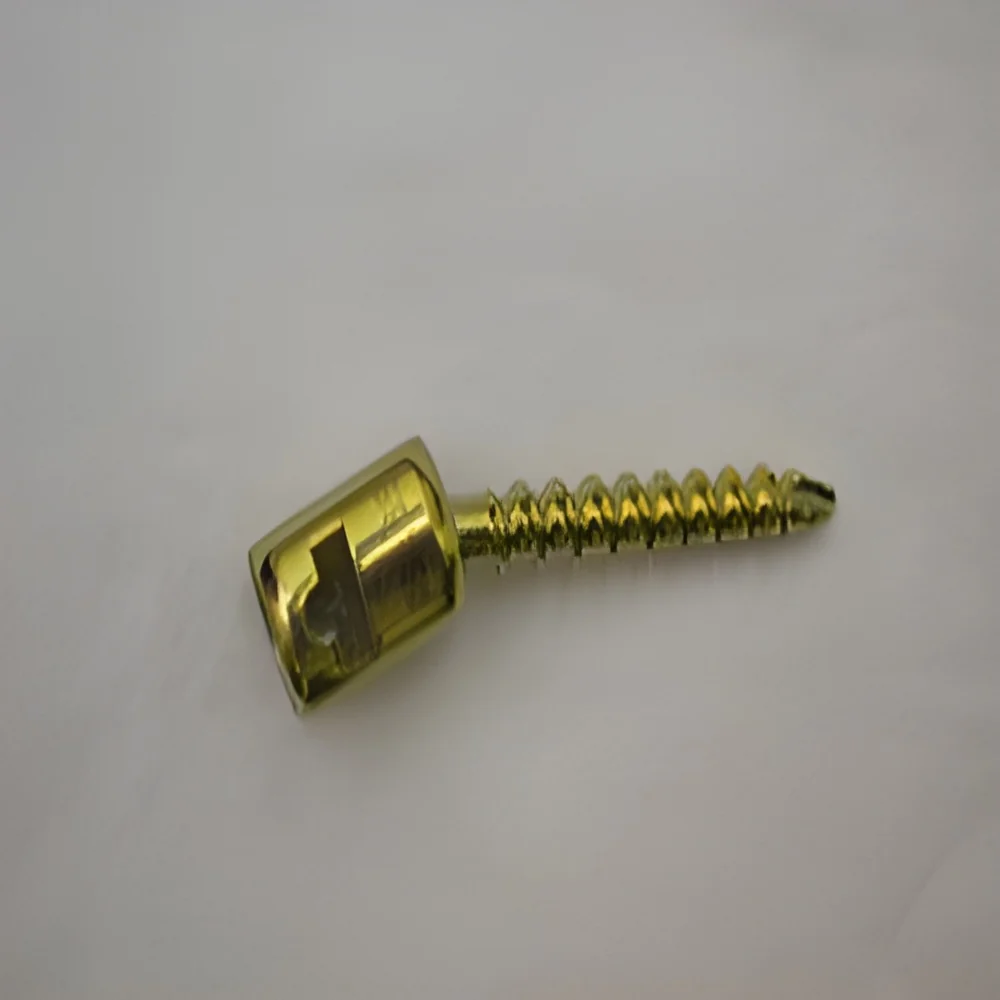
Medical Grade Titanium Polyaxial Screws represent advanced spinal implant technology designed for precision and reliability in surgical stabilization. Manufactured from high-grade, biocompatible titanium alloys such as Ti-6Al-4V, these screws are engineered to meet rigorous international standards for medical devices. The core innovation lies in the polyaxial screw head, which permits a conical range of motion, typically up to 30 degrees. This allows surgeons to lock spinal rods at various angles without compromising the screw's purchase in the bone. The result is a versatile implant that provides strong, stable fixation tailored to individual patient anatomy and specific surgical goals, facilitating successful spinal fusion and alignment.

These screws are utilized extensively within hospital operating rooms, specialized spine centers, and ambulatory surgery units. Orthopedic surgeons and neurosurgeons rely on them for a spectrum of procedures, from addressing common degenerative cond...
Medical Grade Titanium Polyaxial Screws represent advanced spinal implant technology designed for precision and reliability in surgical stabilization. Manufactured from high-grade, biocompatible titanium alloys such as Ti-6Al-4V, these screws are engineered to meet rigorous international standards for medical devices. The core innovation lies in the polyaxial screw head, which permits a conical range of motion, typically up to 30 degrees. This allows surgeons to lock spinal rods at various angles without compromising the screw's purchase in the bone. The result is a versatile implant that provides strong, stable fixation tailored to individual patient anatomy and specific surgical goals, facilitating successful spinal fusion and alignment.

These screws are utilized extensively within hospital operating rooms, specialized spine centers, and ambulatory surgery units. Orthopedic surgeons and neurosurgeons rely on them for a spectrum of procedures, from addressing common degenerative conditions like spinal stenosis to complex reconstructions for trauma or deformity. Their compatibility with various rod systems and surgical approaches—posterior, anterior, or lateral—makes them a staple in instrumented spinal fusion. The consistent quality and performance of these implants support surgical teams in achieving predictable outcomes, which is critical in teaching hospitals and high-volume surgical practices focused on spine care.

The inherent value of these titanium polyaxial screws is their proven contribution to surgical success and patient safety. Their reliability helps reduce the risk of implant failure, loosening, or the need for revision surgery, which translates to better long-term outcomes and potential cost savings for healthcare providers. Manufactured under strict quality management systems like ISO 13485, each screw is subject to dimensional verification, mechanical testing, and validated sterilization processes. This ensures every unit delivered meets the high standards required for critical surgical use, providing peace of mind and operational efficiency for medical facilities.

Key Features:
- Constructed from medical-grade titanium alloy for excellent biocompatibility and strength
- Polyaxial head design allows variable-angle positioning for surgical flexibility
- Available in multiple diameters and lengths to suit diverse anatomical requirements
- Self-tapping tip facilitates easier insertion and helps minimize bone trauma
- Clear laser-etched size identification ensures accurate selection in the surgical field

Benefits:
- Provides surgeons with adaptable fixation to achieve optimal spinal alignment and stability
- High-strength, corrosion-resistant titanium construction promotes long-term implant integrity
- Versatile sizing and design support use in a wide range of spinal pathologies and procedures
- Engineered for reliable performance to help reduce intraoperative challenges and revision rates
- Manufactured to comply with international safety standards, ensuring trust and consistency for medical institutions
Specifications
| Additional Information | |
|---|---|
| Country of Origin | India |
Application
Medical Grade Titanium Polyaxial Screws are engineered for spinal stabilization, offering surgeons critical flexibility during complex procedures. Their polyaxial head allows for variable angle positioning, which is essential for achieving optimal alignment of spinal rods and plates. This adaptability accommodates anatomical variations and surgical requirements, leading to secure fixation and improved biomechanical stability in the spine. These screws are fundamental in procedures that demand reliable, long-term support for spinal fusion and correction.
These implants serve a vital role across advanced spinal surgeries, providing stable anchor points in both simple and complex reconstructions. The design reduces stress on adjacent vertebral segments, which can help minimize complications and support better patient recovery. Their application is crucial in multi-level stabilization, where consistent performance and reliability directly impact surgical outcomes and patient safety in demanding clinical environments.
- Spinal fusion surgeries for treating degenerative disc disease and spondylolisthesis
- Correction of spinal deformities including scoliosis and kyphosis
- Stabilization of traumatic spinal fractures from accidents or injuries
- Revision spinal surgeries that require enhanced and reliable fixation
- Oncological procedures involving vertebral body reconstruction or tumor resection
Trade Details
| Available Stock | In Stock |
| Sample Availability | No |
Payment Terms
| Payment Terms |
|
Company Profile
Avdhoot Mediequip, Gujarat
 Gujarat, India
Health & Personal Care•Manufacturer•Distributor / Wholesaler•Importer / Exporter
Factory Details
Factory SizeBelow 1000 sqm
Annual Production Capacity0
Medical Grade Titanium Polyaxial Screws For Spinal Surgery
Medical Grade Titanium Polyaxial Screws for spinal surgery provide precision fixation with variable-angle heads. Trusted globally by hospitals for spinal fusion, deformity correction, and trauma stabilization procedures.
Min. Order Quantity: 1 unit
Shipping
Shipping fee and delivery date to be negotiated. Contact supplier now for more details.
Avdhoot Mediequip
 Gujarat, India
Health & Personal CareManufacturer