IN
IN₹
Apparel & Fashion
Description
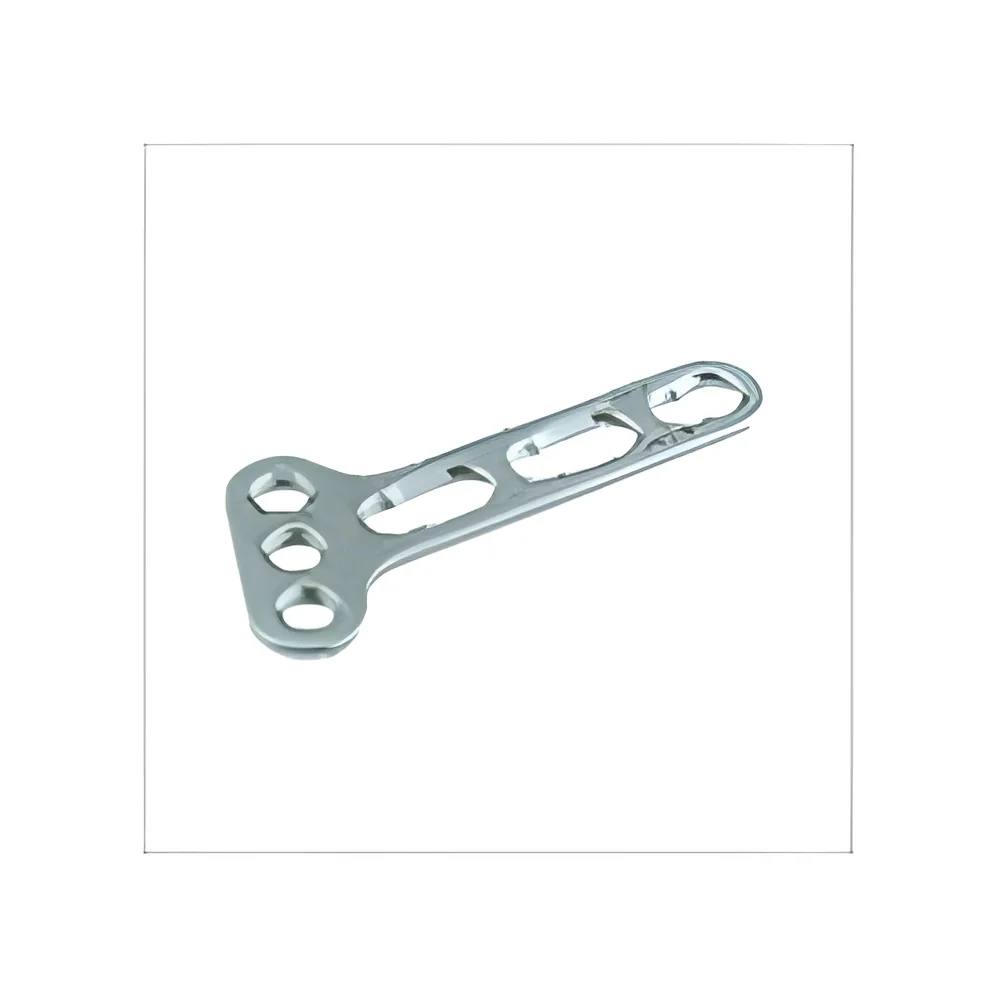
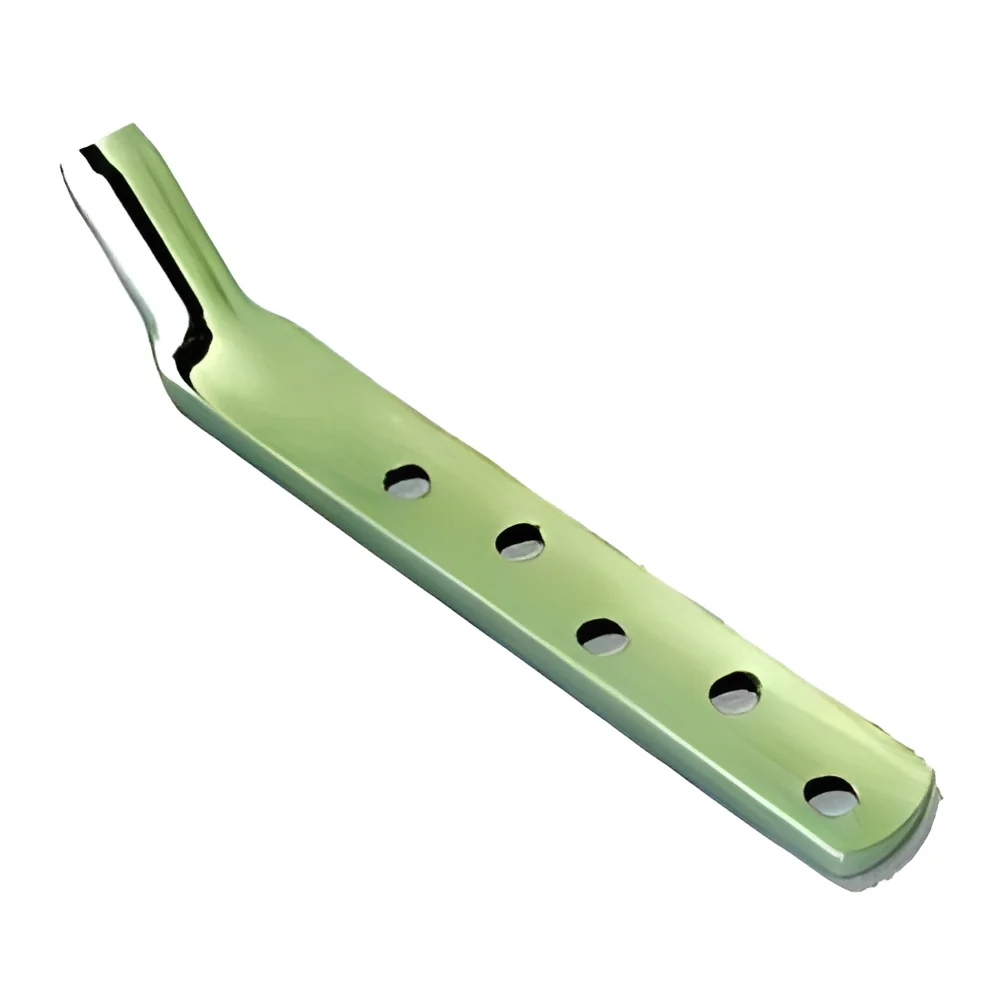
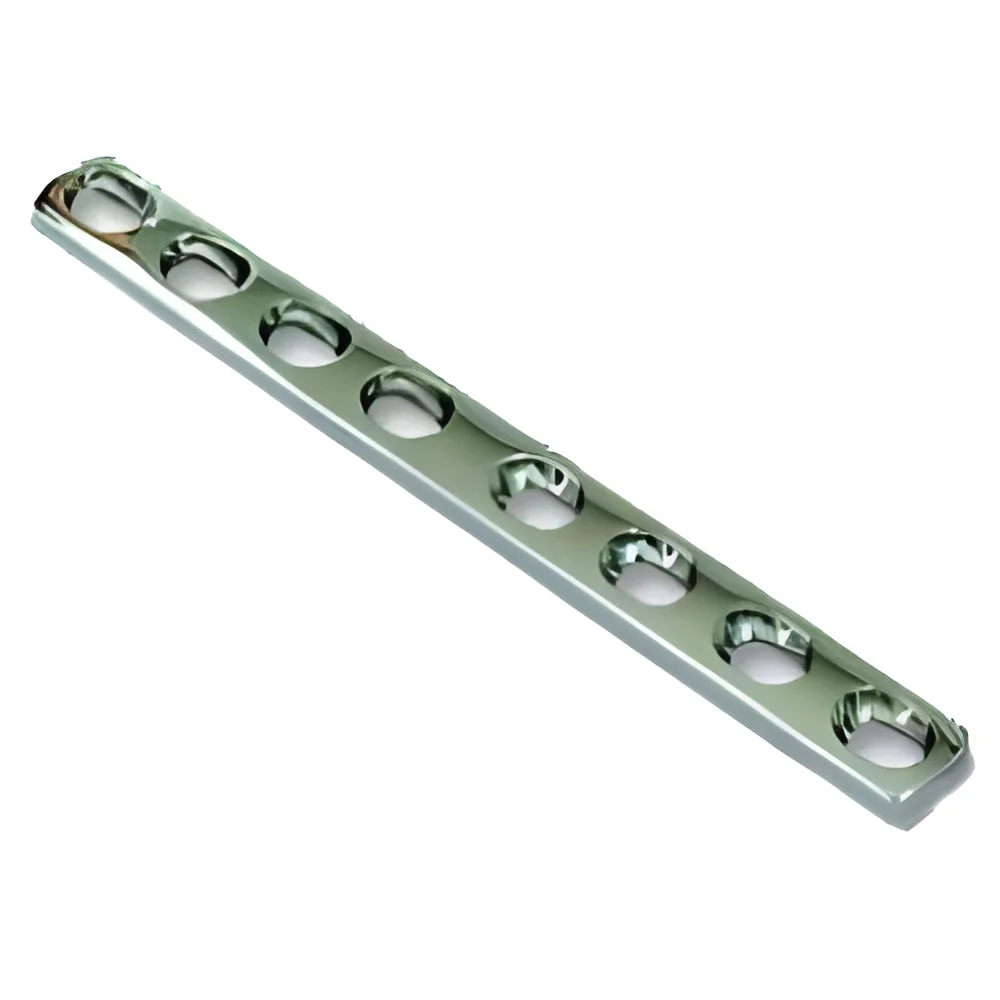
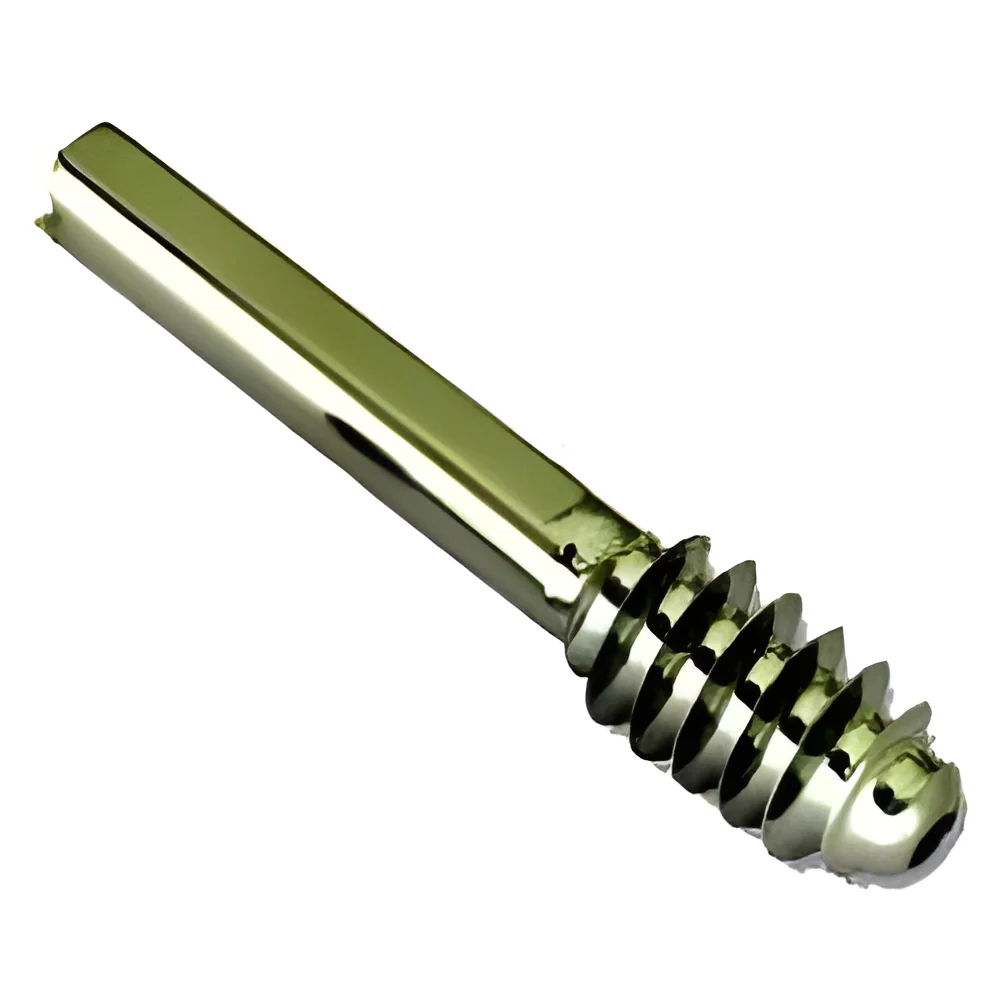
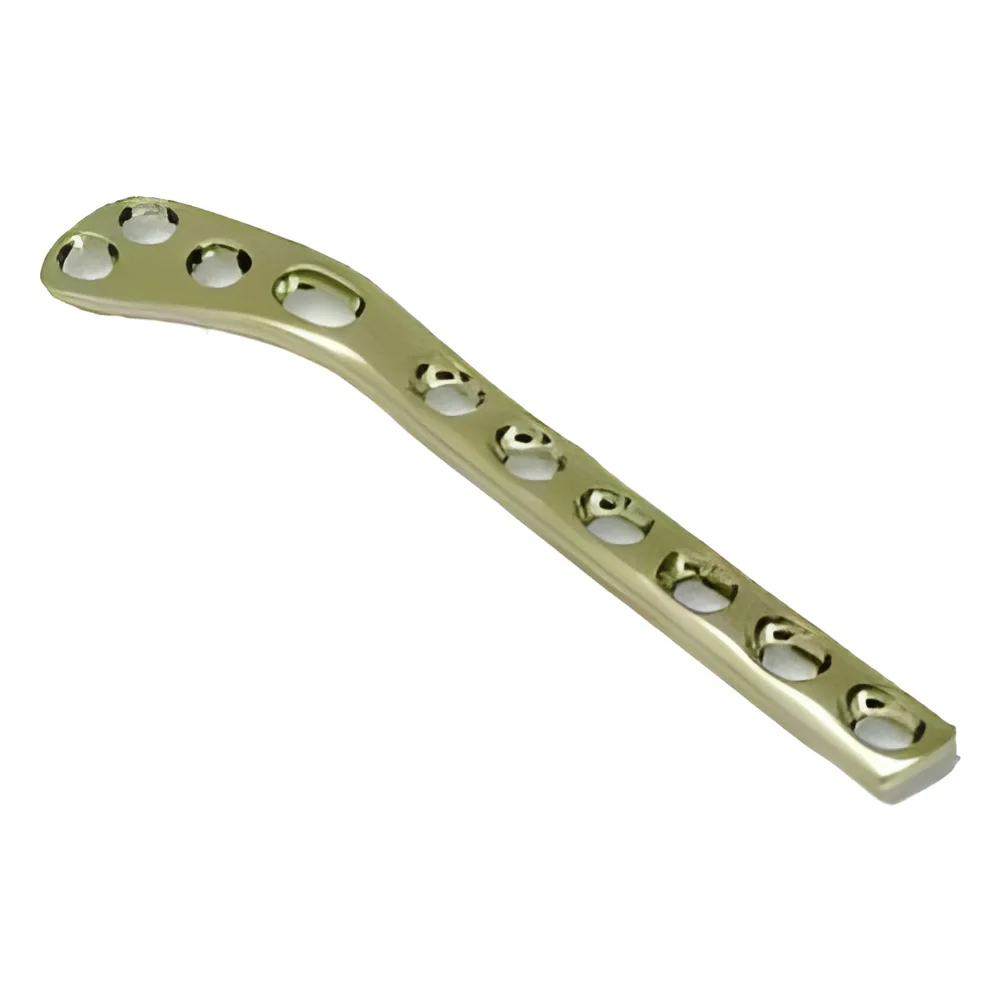
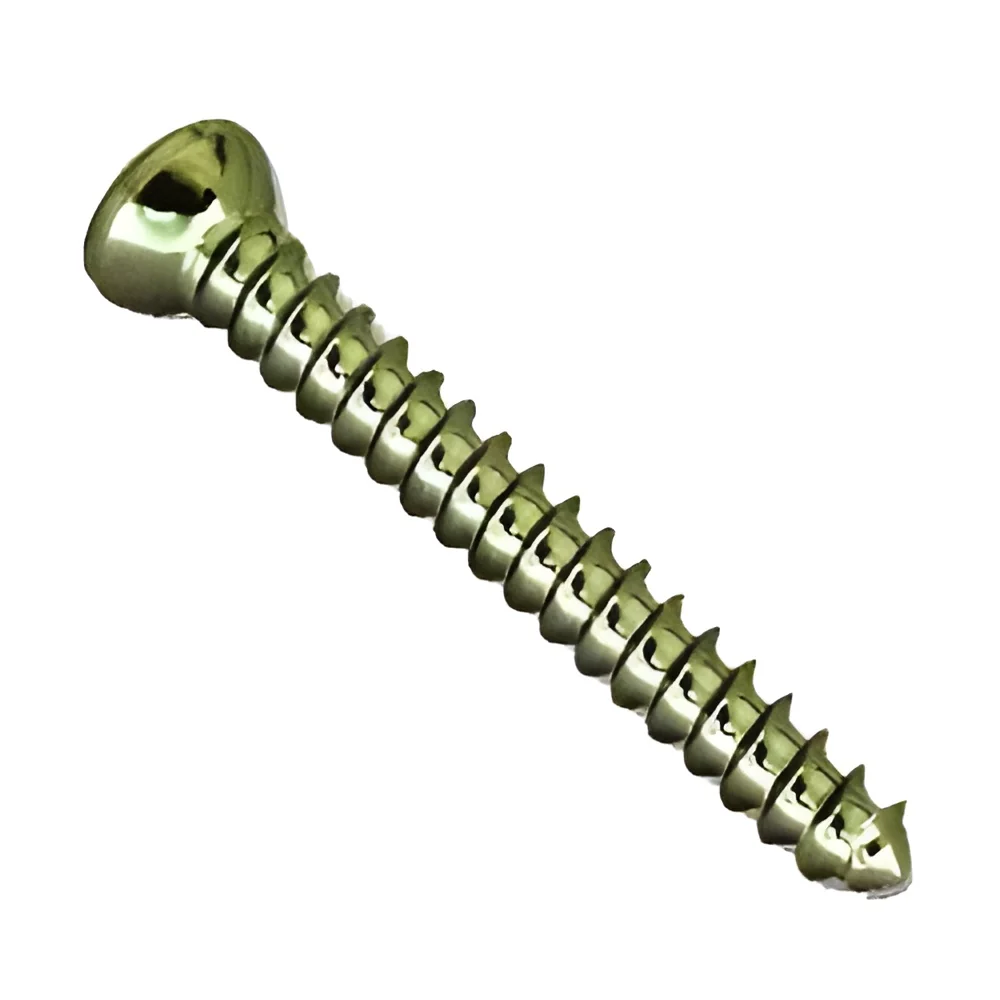
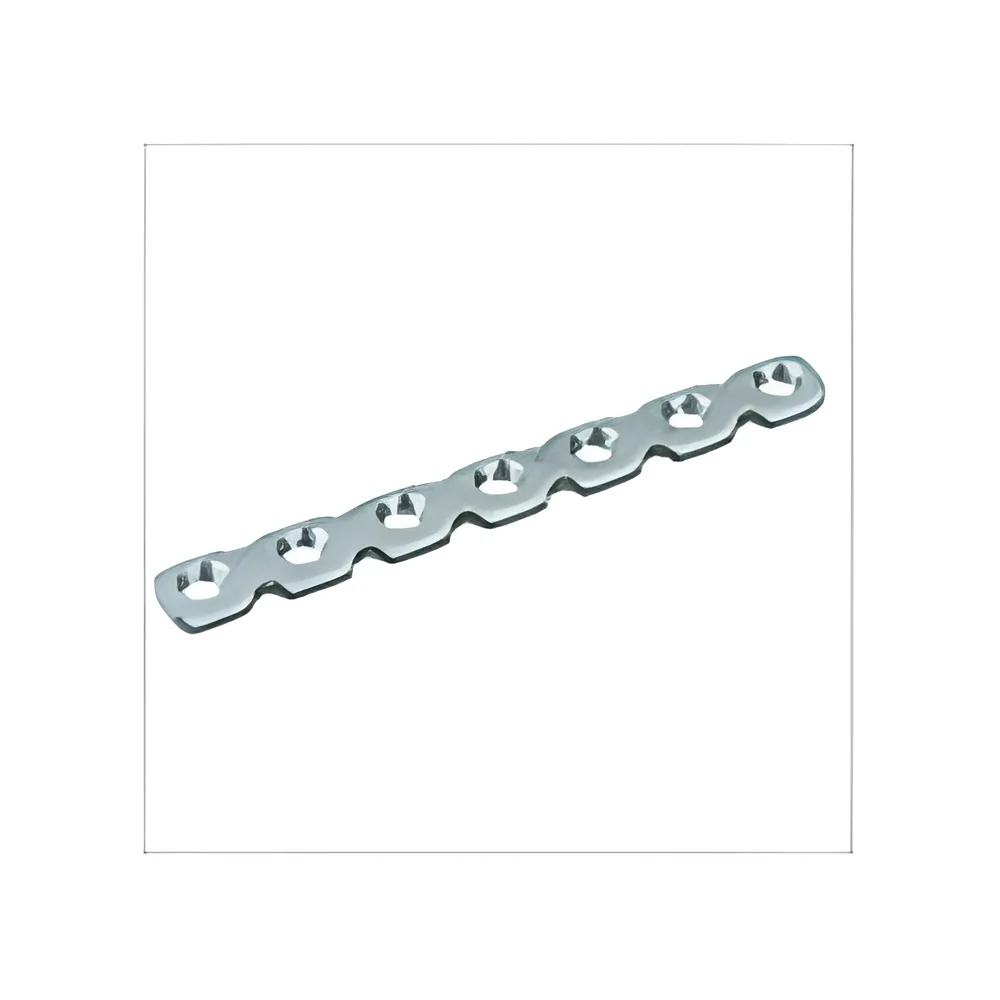
Our orthopedic locking reconstruction plates represent advanced surgical implants specifically engineered for fracture management and bone reconstruction. These medical-grade devices provide exceptional stability through their fixed-angle locking mechanism, which prevents screw toggle and maintains reduction throughout the healing process. Manufactured to exacting standards, these plates offer surgeons reliable performance in demanding surgical scenarios where precision and predictability are essential for successful patient outcomes. The combination of strength, biocompatibility, and surgical versatility makes these implants indispensable tools in modern orthopedic practice.

These reconstruction plates find extensive application across multiple medical specialties including trauma surgery, orthopedic oncology, spinal procedures, and joint reconstruction. Hospitals, surgical centers, and specialized clinics utilize them for complex fracture patterns, particularly in weight-bearing bon...
Our orthopedic locking reconstruction plates represent advanced surgical implants specifically engineered for fracture management and bone reconstruction. These medical-grade devices provide exceptional stability through their fixed-angle locking mechanism, which prevents screw toggle and maintains reduction throughout the healing process. Manufactured to exacting standards, these plates offer surgeons reliable performance in demanding surgical scenarios where precision and predictability are essential for successful patient outcomes. The combination of strength, biocompatibility, and surgical versatility makes these implants indispensable tools in modern orthopedic practice.

These reconstruction plates find extensive application across multiple medical specialties including trauma surgery, orthopedic oncology, spinal procedures, and joint reconstruction. Hospitals, surgical centers, and specialized clinics utilize them for complex fracture patterns, particularly in weight-bearing bones and osteoporotic cases where conventional plating systems may prove inadequate. The plates' anatomical contouring and multiple size options accommodate various bone structures, making them suitable for diverse patient populations and surgical requirements in both emergency and elective orthopedic interventions.

The business value of these reconstruction plates lies in their proven reliability, surgical adaptability, and consistent performance. Medical facilities benefit from reduced inventory requirements due to the system's versatility across multiple procedures, while distributors appreciate the predictable demand from established surgical protocols. The implants' quality ensures consistent surgical outcomes, potentially reducing revision rates and enhancing patient recovery timelines. Their compatibility with various locking systems provides surgical teams with flexibility, while radiopaque markers facilitate accurate postoperative assessment, delivering comprehensive value throughout the healthcare delivery chain.

Key Features:
- Precision-engineered locking screw holes providing secure fixation and angular stability
- Combination holes allowing both locking and compression techniques for surgical flexibility
- Medical-grade stainless steel or titanium construction ensuring biocompatibility and strength
- Multiple size options with anatomical contouring for various bone structures and procedures
- Radiopaque markers for improved surgical visibility and postoperative assessment accuracy

Benefits:
- Enhanced stability through fixed-angle constructs that maintain reduction during healing
- Surgical versatility with options for both locking and compression techniques in one implant
- Biocompatible materials that minimize tissue reaction and support bone integration
- Anatomical designs that reduce surgical time and improve fit for better outcomes
- Clear radiographic visibility enabling accurate placement and postoperative monitoring
Specifications
| Additional Information | |
|---|---|
| Country of Origin | India |
Application
Orthopedic locking reconstruction plates provide essential rigid internal fixation for complex bone fractures where standard plates are insufficient. Their advanced design ensures optimal alignment and stability during the critical healing process, significantly reducing complications and improving patient outcomes across various surgical environments. These medical-grade implants are engineered to handle demanding anatomical challenges while maintaining structural integrity under physiological loads.
These plates serve crucial roles in trauma surgery, joint reconstruction, and spinal stabilization procedures. Medical facilities worldwide rely on them for complex fracture patterns, revision surgeries, and cases requiring exceptional mechanical stability. Their versatility makes them suitable for both human and veterinary orthopedic applications, offering surgeons reliable performance where patient safety and successful outcomes are paramount in operating rooms and specialized clinics.
- Trauma surgery for complex fractures in long bones and pelvic regions
- Joint reconstruction procedures including shoulder, elbow, and knee surgeries
- Spinal fusion and stabilization operations for vertebral fractures
- Corrective osteotomies and bone realignment in orthopedic surgery
- Revision surgeries and complex fracture management in trauma centers
Trade Details
| Available Stock | In Stock |
| Sample Availability | No |
Payment Terms
| Payment Terms |
|
Company Profile
Avdhoot Mediequip, Gujarat
 Gujarat, India
Gujarat, IndiaHealth & Personal Care•Manufacturer•Distributor / Wholesaler•Importer / Exporter
Factory Details
Factory SizeBelow 1000 sqm
Annual Production Capacity0
Orthopedic Locking Reconstruction Plates For Surgical Fracture Fixation
Orthopedic locking reconstruction plates for surgical fracture fixation. Medical-grade implants designed for strength, precision, and reliable performance in trauma and orthopedic procedures. Trusted by hospitals and surgical centers worldwide.
Min. Order Quantity: 1 unit
Shipping
Shipping fee and delivery date to be negotiated. Contact supplier now for more details.
Avdhoot Mediequip
 Gujarat, India
Gujarat, IndiaHealth & Personal CareManufacturer