IN
IN₹
Apparel & Fashion
Description
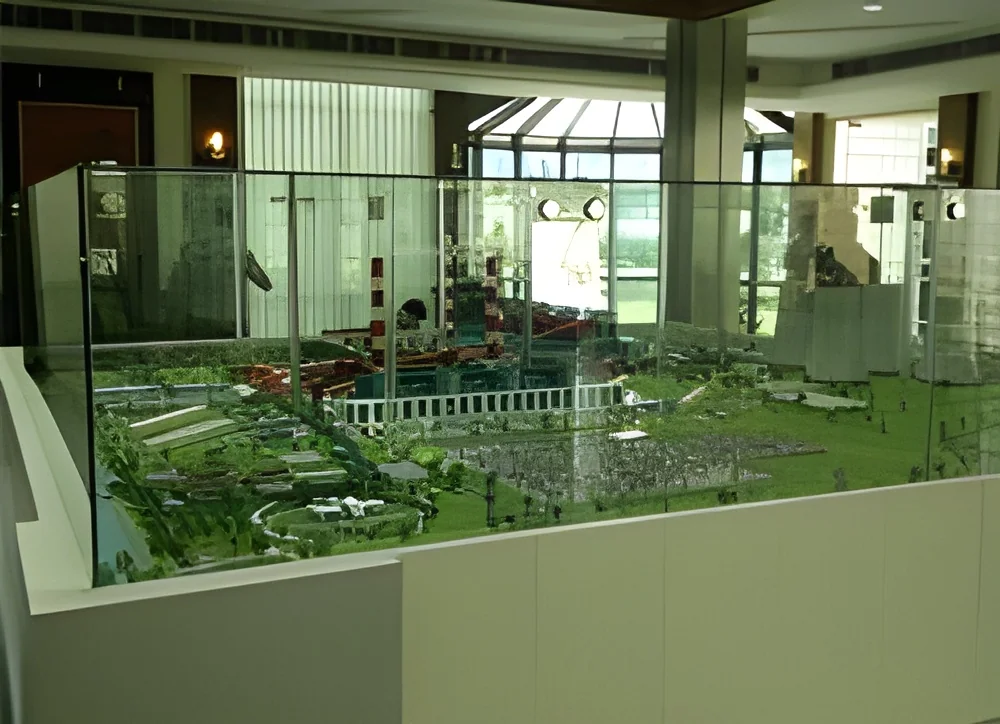
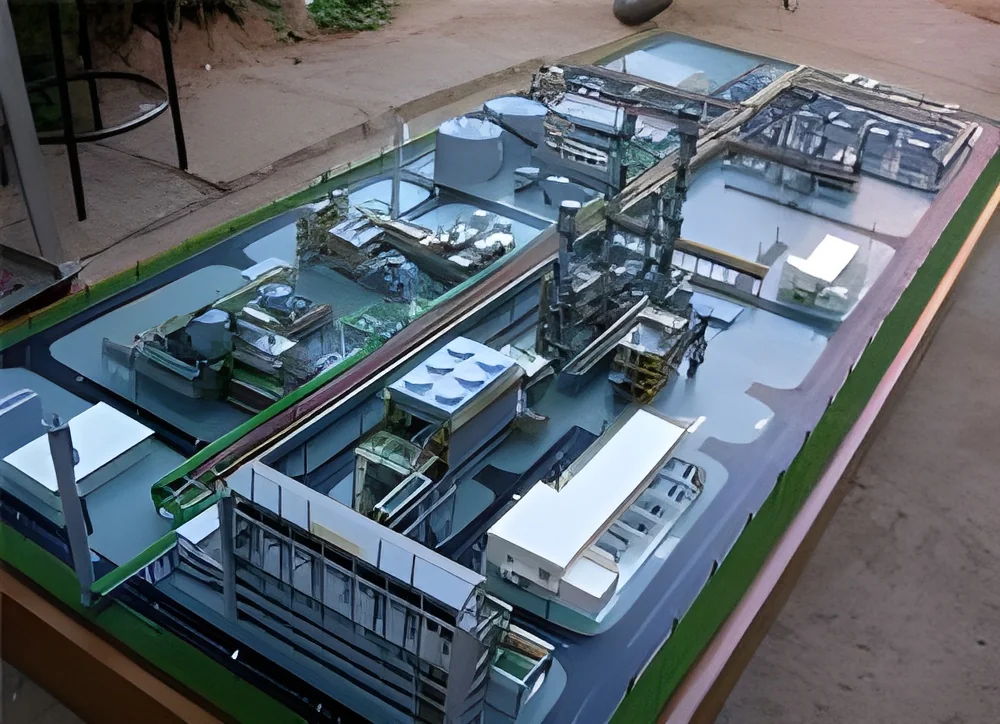
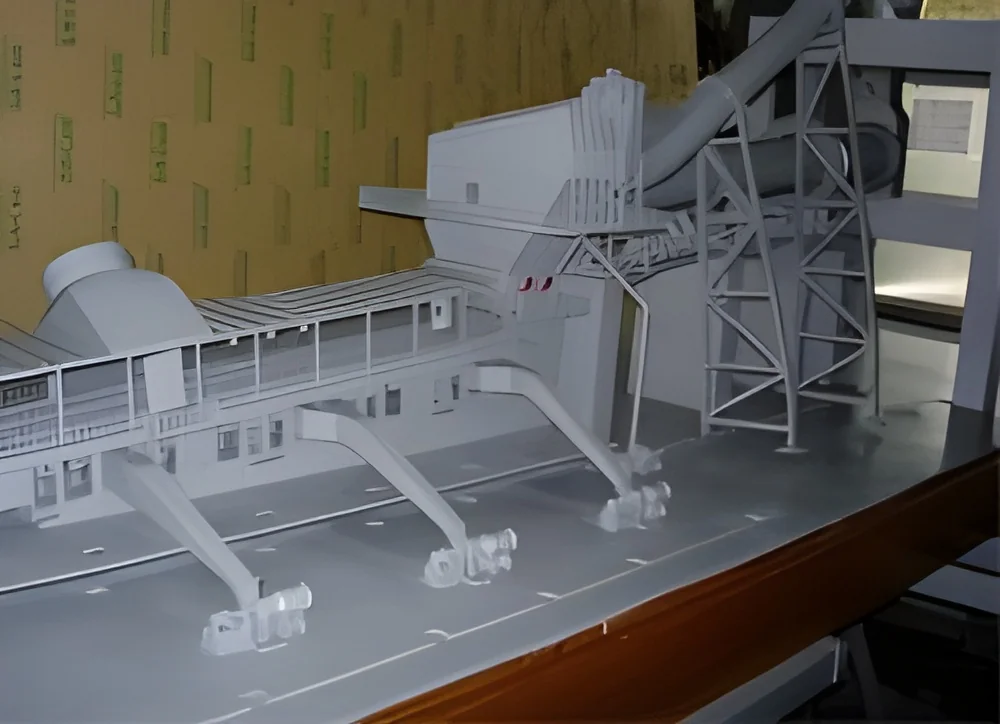
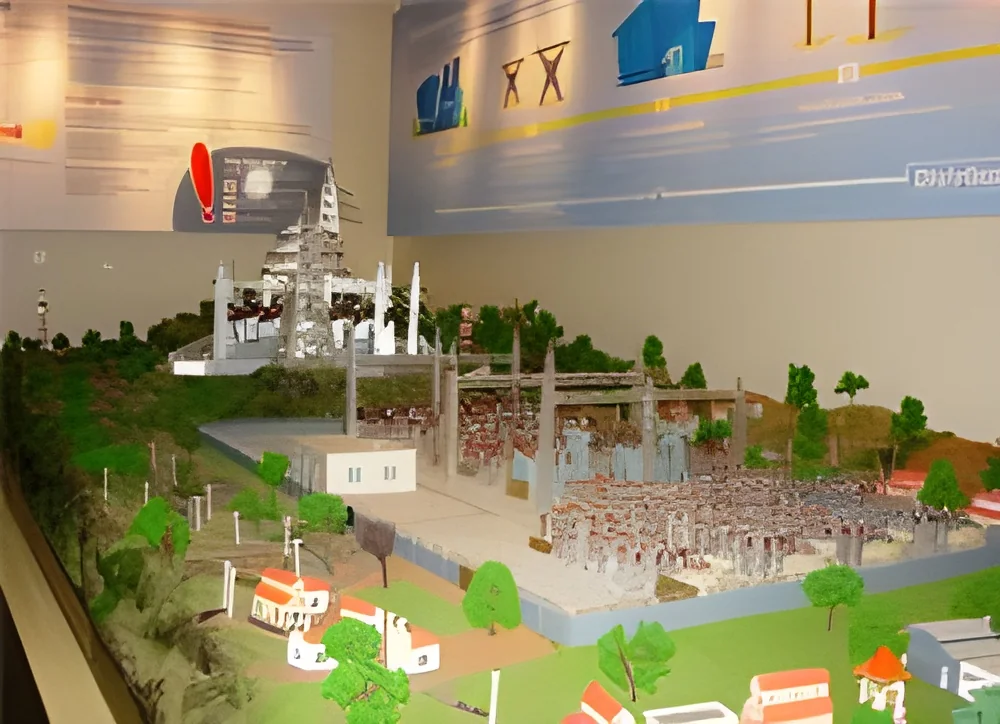
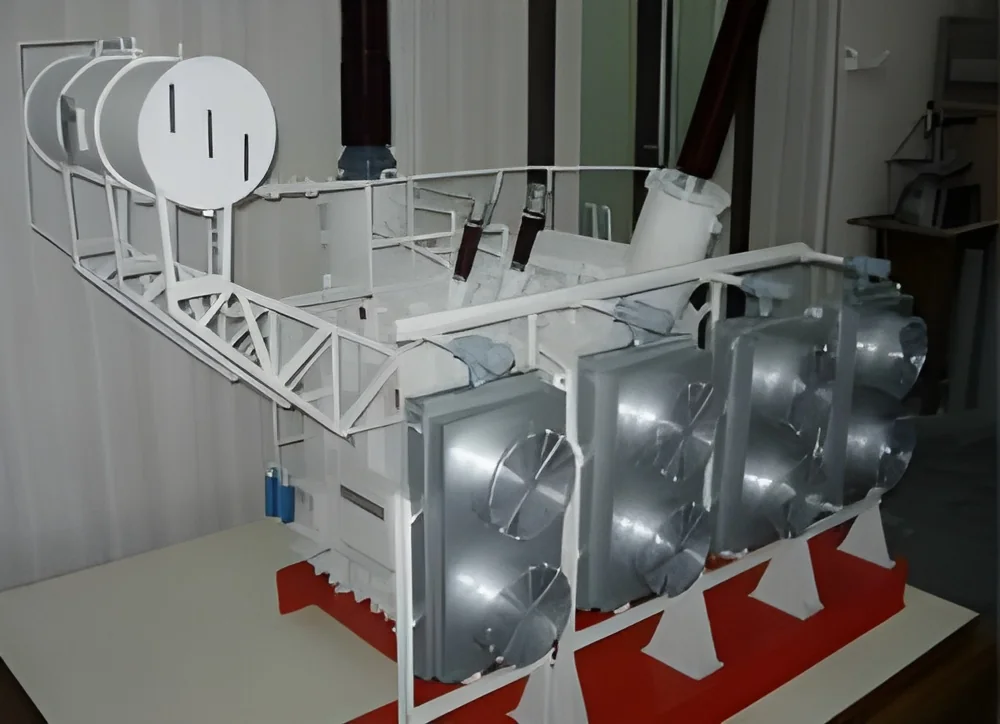
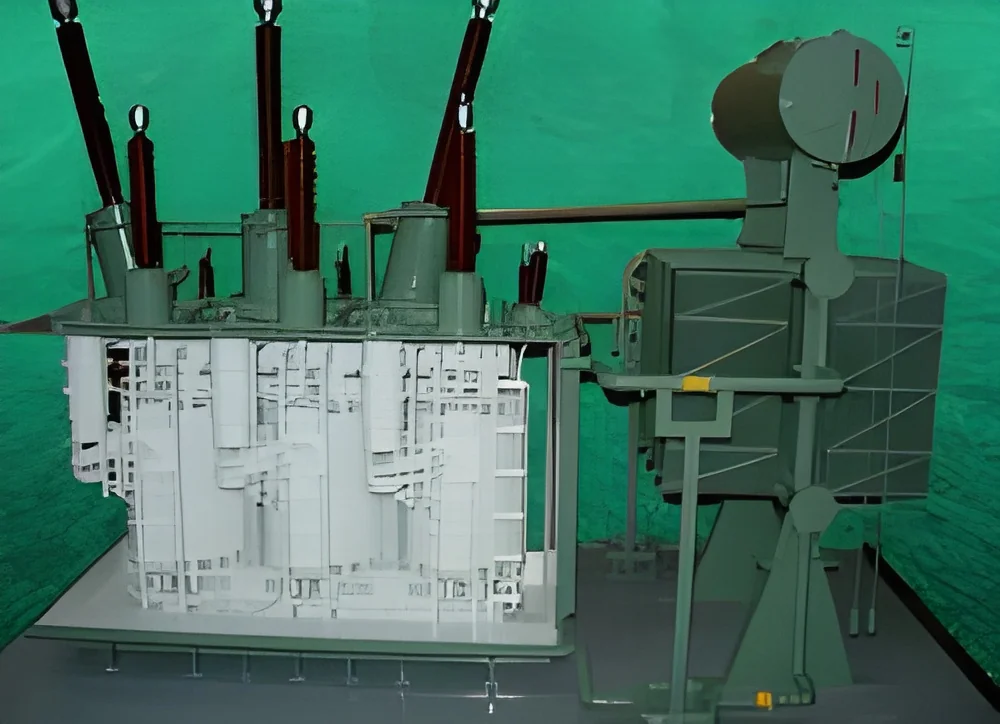
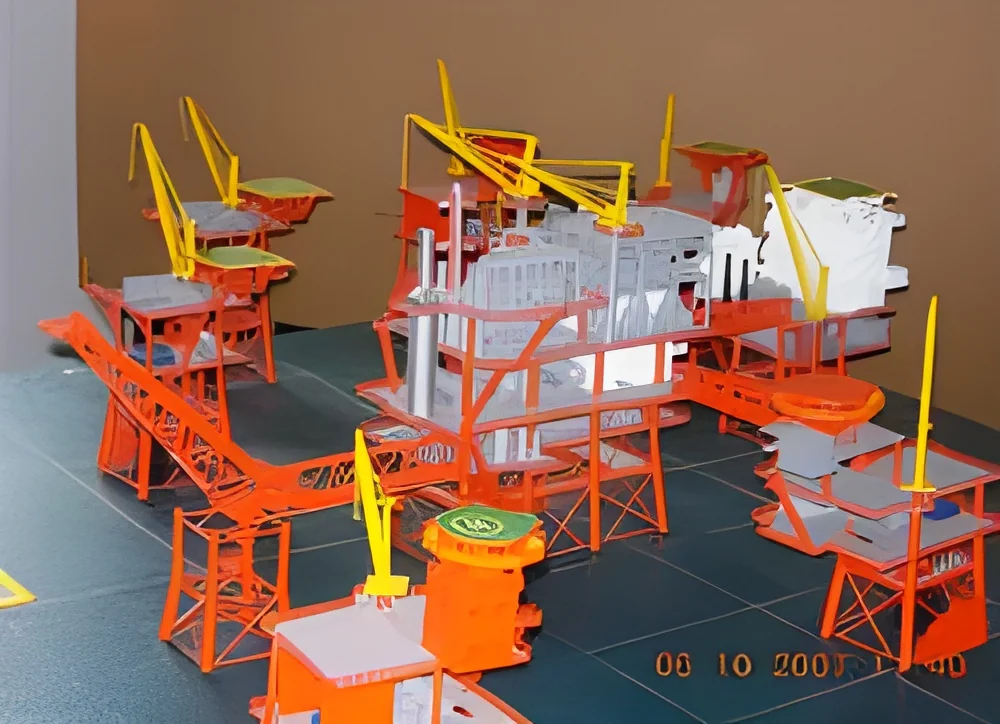
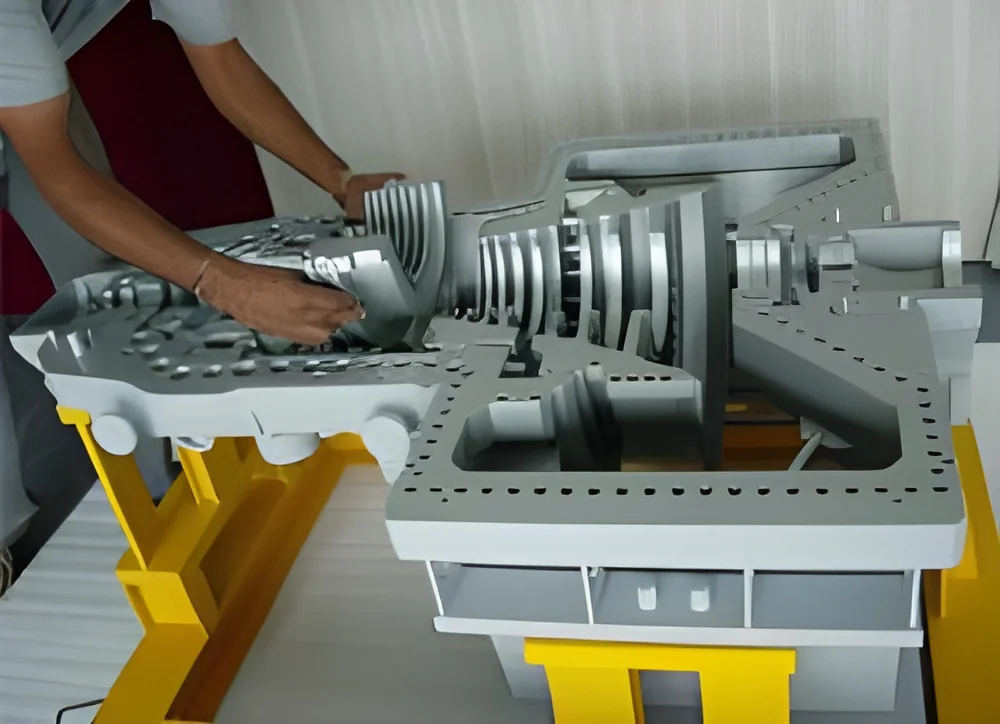
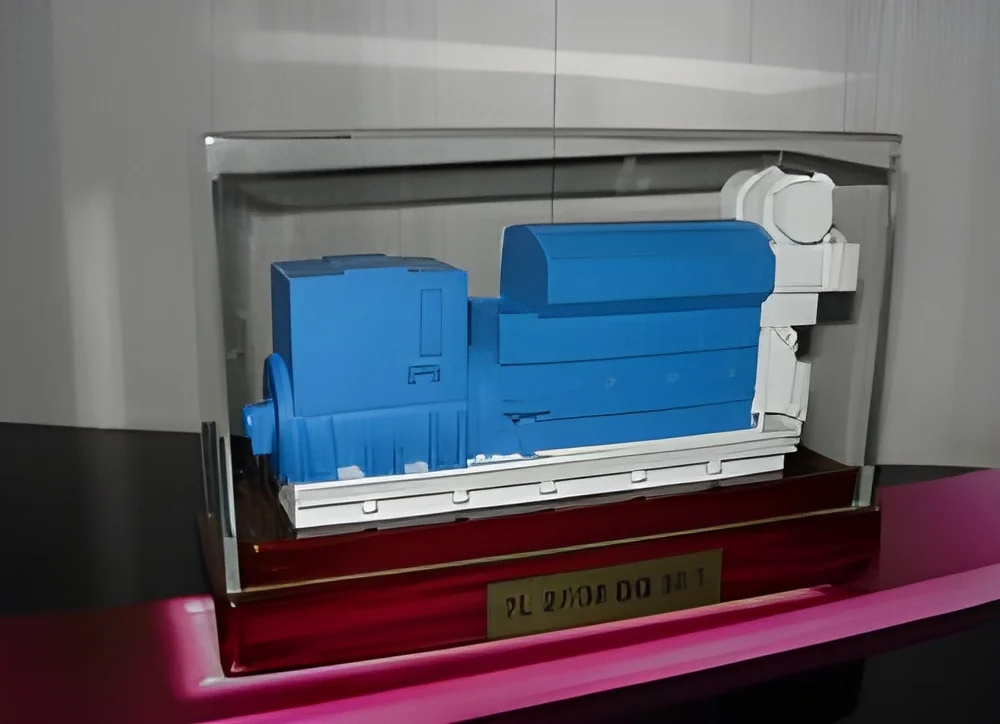
Our Industrial Engineering Miniature Models represent the pinnacle of precision scale modeling for professional engineering applications. These meticulously crafted replicas provide accurate, detailed representations of industrial equipment, machinery systems, and complex engineering setups. Each model is engineered to exact scale specifications, ensuring they faithfully reproduce the functionality and layout of full-scale industrial systems. These tools bridge the gap between conceptual designs and physical implementation, offering professionals a tangible means to visualize, analyze, and refine engineering projects before committing to full-scale production or construction.

These miniature models find extensive utility across multiple industrial sectors including manufacturing plants, power generation facilities, infrastructure development projects, and engineering consulting firms. Manufacturing industries use them for production line planning and equipment layout optimization. Pow...
Our Industrial Engineering Miniature Models represent the pinnacle of precision scale modeling for professional engineering applications. These meticulously crafted replicas provide accurate, detailed representations of industrial equipment, machinery systems, and complex engineering setups. Each model is engineered to exact scale specifications, ensuring they faithfully reproduce the functionality and layout of full-scale industrial systems. These tools bridge the gap between conceptual designs and physical implementation, offering professionals a tangible means to visualize, analyze, and refine engineering projects before committing to full-scale production or construction.

These miniature models find extensive utility across multiple industrial sectors including manufacturing plants, power generation facilities, infrastructure development projects, and engineering consulting firms. Manufacturing industries use them for production line planning and equipment layout optimization. Power sector professionals employ them for substation design validation and transmission system planning. Engineering consultancies integrate these models into client presentations and project proposals, while educational institutions utilize them for technical training and engineering curriculum enhancement. The models serve as critical tools in sectors where precise spatial relationships and system interactions must be visualized and validated.

The business value of these engineering models lies in their proven reliability, cost-saving potential, and effectiveness in risk mitigation. By enabling early detection of design flaws and spatial conflicts, they prevent costly modifications during later project stages. Their durable construction ensures long-term usability across multiple projects, while their accurate representation builds stakeholder confidence and facilitates clearer communication. These models serve as trusted decision-making tools that enhance project outcomes, reduce implementation risks, and improve overall operational efficiency for engineering teams and industrial organizations.

Key Features:
- Precision-engineered scale replicas with accurate dimensional ratios
- High-grade materials ensuring structural integrity and longevity
- Detailed component representation mirroring actual industrial systems
- Lightweight yet durable construction for easy handling and transport
- Standardized scaling for consistent representation across model types

Benefits:
- Enables early detection of design flaws and spatial conflicts
- Enhances stakeholder understanding and project communication
- Reduces implementation risks and prevents costly modifications
- Supports effective training and technical skill development
- Provides reliable visualization for informed decision-making
Specifications
| Additional Information | |
|---|---|
| Country of Origin | India |
Application
These precision miniature models serve as essential visualization tools for engineering teams, manufacturing facilities, and technical training centers. They enable professionals to validate designs, plan layouts, and demonstrate complex systems with accurate scale representations that mirror real-world industrial scenarios. Industrial training programs utilize these models to enhance learning experiences and improve technical understanding among engineering personnel and operational staff.
Engineering firms and industrial plants rely on these detailed scale models for project planning, client demonstrations, and system validation processes. The models provide tangible representations that help identify potential design issues, optimize space utilization, and communicate technical concepts effectively across teams and stakeholders in various industrial settings.
- Engineering design validation and prototype testing
- Industrial plant layout planning and optimization
- Technical training programs for engineering teams
- Client presentations and project proposal demonstrations
- Infrastructure project visualization and planning
Trade Details
| Available Stock | In Stock |
| Sample Availability | No |
Payment Terms
| Payment Terms |
|
Company Profile

Precise Engineering Models Pvt Ltd, Karnataka
 Karnataka, India
Karnataka, IndiaConstruction•Manufacturer•Importer / Exporter
Factory Details
Factory Size1000-5000 sqm
Annual Production Capacity0
Main Markets
North America
Oceania
Northern Europe
South America
Mid East
Southern Europe
Eastern Europe
Eastern Asia
South Asia
Southeast Asia
Western Europe
Africa
Central America
Domestic
Industrial Engineering Miniature Models For Design Validation And Training
Industrial Engineering Miniature Models by expert manufacturers provide accurate scale replicas for design validation, training, and project visualization across engineering and construction sectors with reliable quality.
Min. Order Quantity: 1 unit
Shipping
Shipping fee and delivery date to be negotiated. Contact supplier now for more details.
Precise Engineering Models Pvt Ltd
 Karnataka, India
Karnataka, IndiaConstructionManufacturer