IN
IN₹
Apparel & Fashion
Loading subcategories...
View More
Description
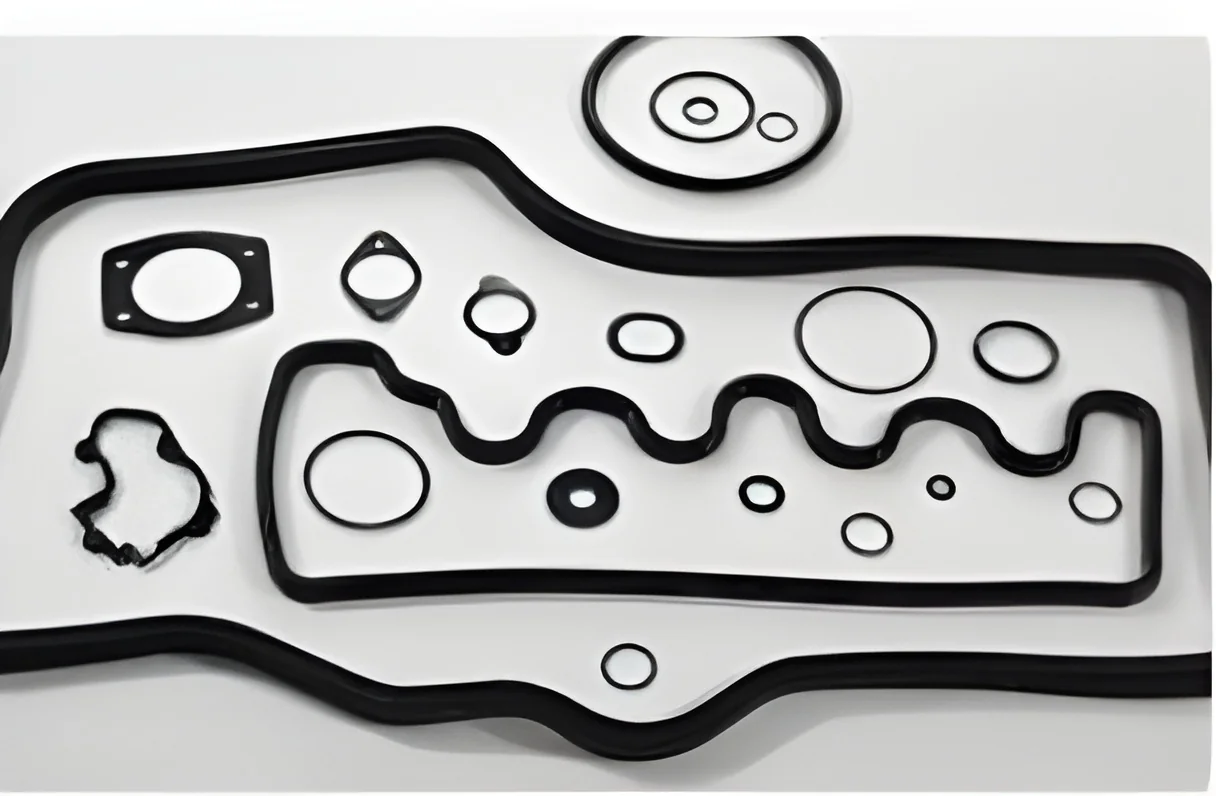
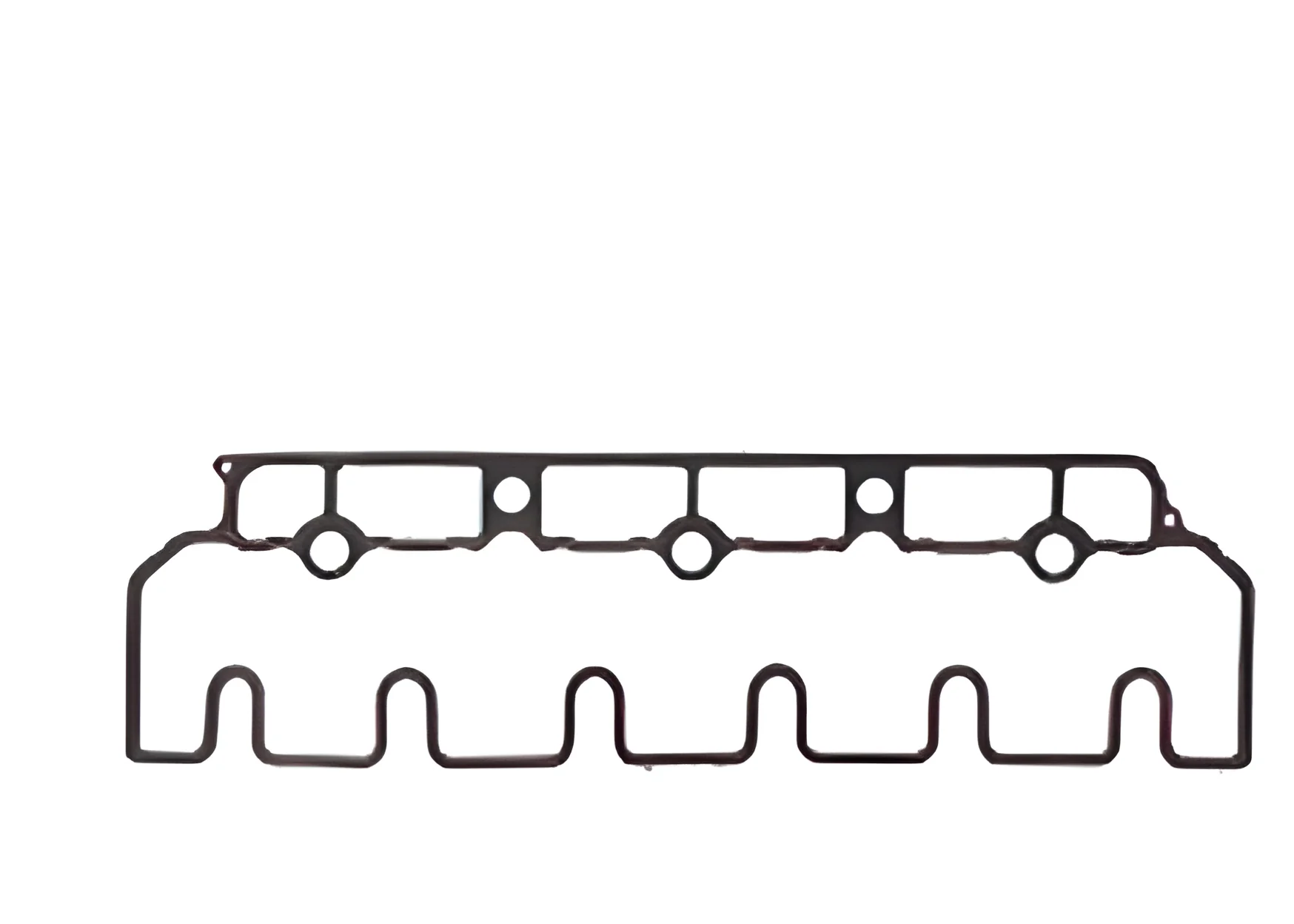
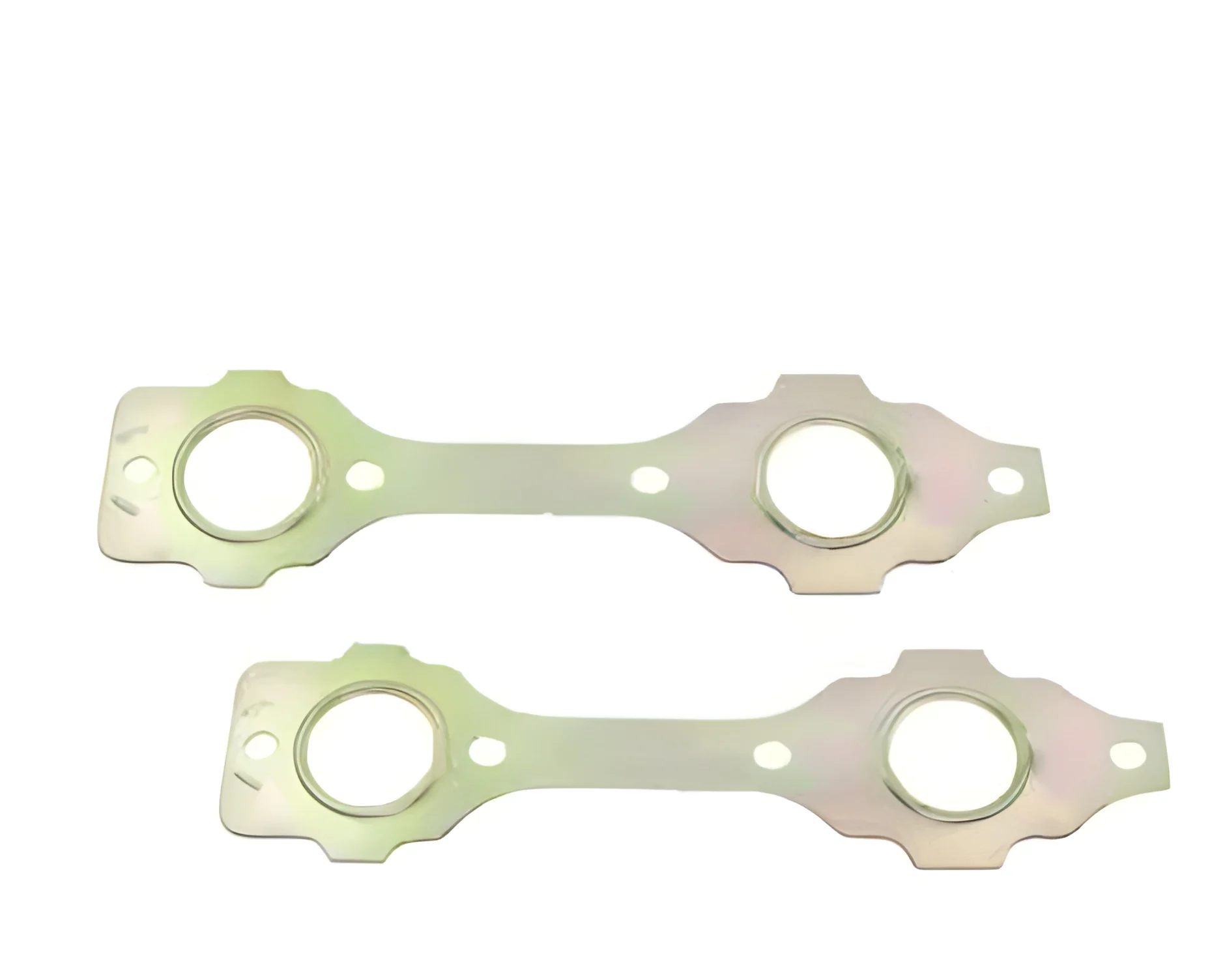
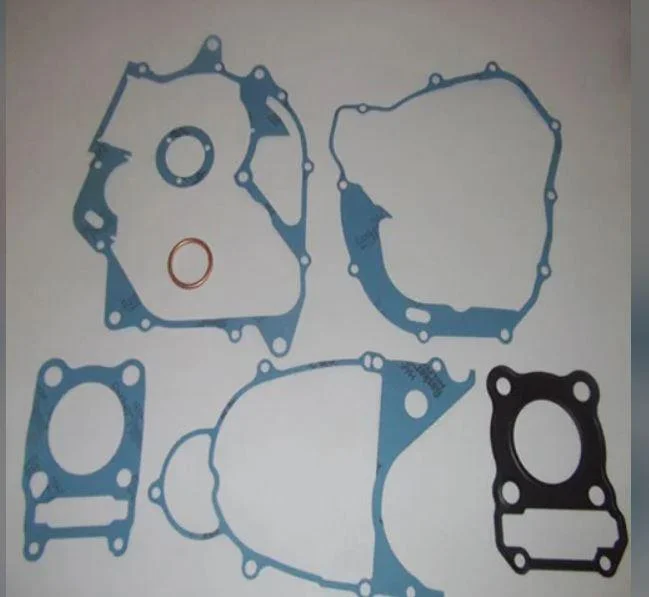
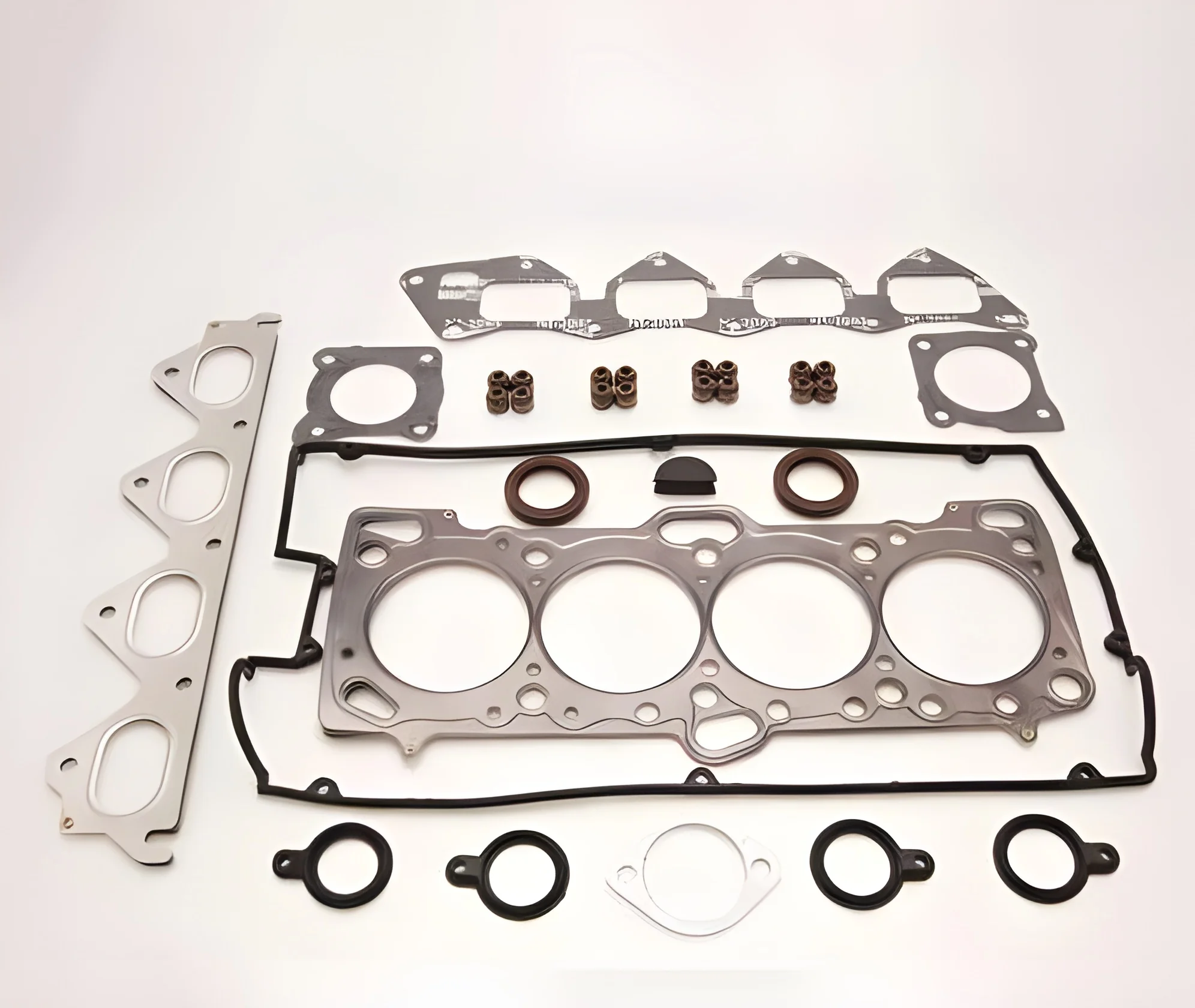
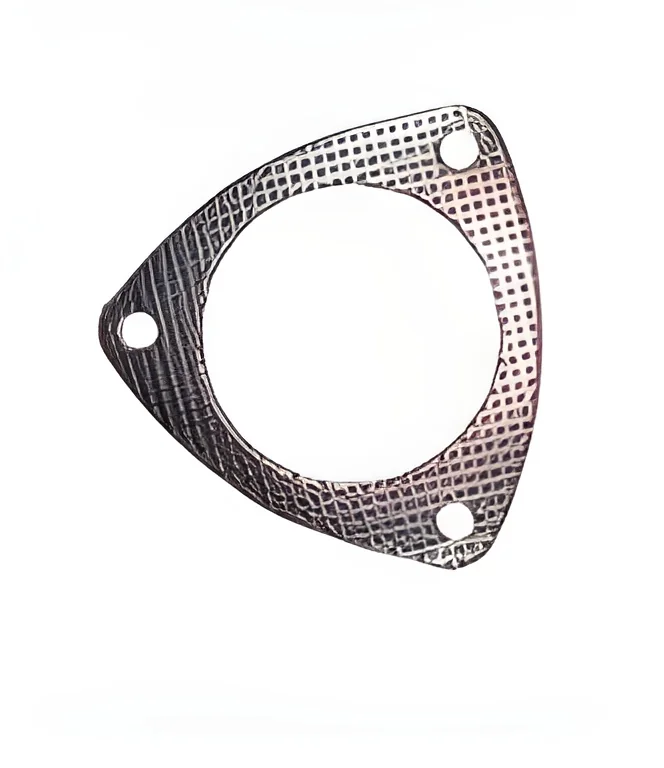
Exhaust gaskets are precision-engineered sealing components designed specifically for the demanding environment of vehicle exhaust systems. They install between mating flanges throughout the exhaust pathway—from the manifold connection at the engine to the final muffler outlet. Their fundamental purpose is to create an airtight seal that contains hot exhaust gases, directing them properly through the system while preventing dangerous and inefficient leaks. Manufactured from specialized materials formulated to endure extreme conditions, these gaskets maintain their sealing integrity despite constant exposure to temperatures that can exceed 1000°F, corrosive exhaust chemicals, and significant engine vibration. A proper exhaust gasket ensures gases flow as designed, which is crucial for maintaining correct back-pressure, optimizing engine performance, and reducing operational noise.

These components see universal application across the automotive and transportation industries. They are s...
Exhaust gaskets are precision-engineered sealing components designed specifically for the demanding environment of vehicle exhaust systems. They install between mating flanges throughout the exhaust pathway—from the manifold connection at the engine to the final muffler outlet. Their fundamental purpose is to create an airtight seal that contains hot exhaust gases, directing them properly through the system while preventing dangerous and inefficient leaks. Manufactured from specialized materials formulated to endure extreme conditions, these gaskets maintain their sealing integrity despite constant exposure to temperatures that can exceed 1000°F, corrosive exhaust chemicals, and significant engine vibration. A proper exhaust gasket ensures gases flow as designed, which is crucial for maintaining correct back-pressure, optimizing engine performance, and reducing operational noise.

These components see universal application across the automotive and transportation industries. They are standard replacement items in repair shops for passenger vehicles, motorcycles, light trucks, and commercial fleets. Beyond maintenance, they are integral to the manufacturing of new vehicles and the aftermarket performance sector, where upgraded exhaust systems demand reliable seals. Industrial applications extend their use to heavy machinery, generators, agricultural equipment, and marine engines—anywhere an internal combustion engine requires a sealed exhaust pathway. The reliability of these gaskets directly impacts emissions compliance, as leaks can allow unprocessed gases to escape, affecting environmental standards and vehicle inspections.

The business value of sourcing high-quality exhaust gaskets lies in their direct contribution to operational reliability and cost management. For distributors and repair businesses, offering durable seals reduces comebacks and warranty claims, building customer trust. For vehicle operators and fleet managers, a reliable gasket prevents minor leaks from escalating into major repairs involving oxygen sensor damage, heat-related harm to nearby components, or loss of engine efficiency and fuel economy. A superior gasket differentiates itself through consistent material quality that resists blowouts, maintains crush recovery under thermal cycling, and provides correct clamping force distribution. This translates to longer service intervals, reduced downtime, and protection of more expensive exhaust system components.

Key Features:
- Constructed from high-temperature resistant materials such as multi-layer steel, graphite, or composite fibers.
- Engineered to withstand continuous exposure to extreme heat, often exceeding 1000°F (538°C).
- Designed with corrosion-resistant properties to handle acidic and corrosive exhaust byproducts.
- Built to maintain seal integrity under constant engine vibration and thermal expansion/contraction cycles.
- Available in precise OEM-specified shapes and sizes for exact fitment to manifold, pipe, and muffler flanges.

Benefits:
- Prevents dangerous and inefficient exhaust gas leaks, ensuring gases are properly routed through the catalytic converter.
- Maintains optimal exhaust back-pressure, which is crucial for engine performance, fuel efficiency, and power output.
- Significantly reduces exhaust system noise by sealing potential escape points for sound waves.
- Enhances the longevity of the entire exhaust system by protecting components from heat damage caused by direct gas leaks.
- Contributes to consistent emissions performance by ensuring the exhaust stream remains sealed and directed for proper treatment.
Specifications
| Additional Information | |
|---|---|
| Country of Origin | India |
| Customisable | No |
Application
Exhaust gaskets are critical sealing components used wherever exhaust system components connect. They create secure, leak-proof seals between the exhaust manifold and cylinder head, between pipes, and at connections to catalytic converters and mufflers. This ensures exhaust gases flow properly through the entire system without escaping.
These seals are essential for both routine maintenance and performance upgrades across various vehicle types. They are installed during exhaust system repairs, component replacements, or when building high-performance systems. Their primary role is to maintain system integrity under the harsh conditions of daily operation, from passenger cars to heavy-duty industrial engines.
- Sealing the exhaust manifold to the cylinder head to prevent leaks at this high-pressure, high-temperature junction.
- Joining header pipes, mid-pipes, and connecting pipes throughout the exhaust system's length.
- Creating secure seals at catalytic converter flanges to maintain emissions system efficiency.
- Installing between muffler connections and pipes to reduce noise and prevent gas escape.
- Maintaining seals in performance exhaust systems that experience elevated heat and vibration levels.
Trade Details
| Available Stock | In Stock |
| Sample Availability | No |
Payment Terms
| Payment Terms |
|
Company Profile

KUMAR AUTO INDUSTRIES, New Delhi
 New Delhi, India
New Delhi, IndiaManufacturer•Distributor / Wholesaler•Retailer
Factory Details
Factory SizeBelow 1000 sqm
Exhaust gaskets
High-quality exhaust gaskets seal vehicle exhaust system joints to prevent gas leaks, reduce noise, and improve engine performance. These durable components withstand extreme heat, corrosion, and vibration for reliable, long-lasting operation.
Min. Order Quantity: 1
Shipping
Shipping fee and delivery date to be negotiated. Contact supplier now for more details.
KUMAR AUTO INDUSTRIES
 New Delhi, India
New Delhi, IndiaManufacturer