IN
IN₹
Apparel & Fashion
Description
NMR magnetic shielding represents a fundamental physical phenomenon where the local electronic environment surrounding atomic nuclei modifies their response to external magnetic fields. This principle forms the basis of chemical shift measurements in nuclear magnetic resonance spectroscopy, enabling precise molecular structure determination and chemical environment analysis. When nuclei are shielded by surrounding electrons, they resonate at different frequencies, creating unique spectral signatures that reveal detailed information about molecular structure and chemical bonding. Our specialized shielding solutions leverage this natural phenomenon to deliver unprecedented analytical precision, measuring variations in parts per million relative to standardized reference compounds like tetramethylsilane. This comprehensive approach accounts for multiple influencing factors including electron density distribution, electronegativity effects, molecular geometry constraints, and π-electron sy...
NMR magnetic shielding represents a fundamental physical phenomenon where the local electronic environment surrounding atomic nuclei modifies their response to external magnetic fields. This principle forms the basis of chemical shift measurements in nuclear magnetic resonance spectroscopy, enabling precise molecular structure determination and chemical environment analysis. When nuclei are shielded by surrounding electrons, they resonate at different frequencies, creating unique spectral signatures that reveal detailed information about molecular structure and chemical bonding. Our specialized shielding solutions leverage this natural phenomenon to deliver unprecedented analytical precision, measuring variations in parts per million relative to standardized reference compounds like tetramethylsilane. This comprehensive approach accounts for multiple influencing factors including electron density distribution, electronegativity effects, molecular geometry constraints, and π-electron system contributions.

The application of magnetic shielding technology spans numerous industrial sectors where molecular characterization is essential for product development and quality assurance. Pharmaceutical manufacturers rely on these systems for precise drug molecule structure verification and stereochemistry determination during development stages. Biotechnology laboratories utilize shielding principles for protein folding analysis and biomolecular interaction studies critical to therapeutic development. The petrochemical industry depends on chemical shift variations for hydrocarbon characterization and fuel additive verification, while polymer scientists use shielding effects to understand resin structures and material properties. Food technology applications include natural product identification and quality assurance testing, making magnetic shielding an indispensable tool across scientific and industrial domains requiring precise molecular analysis.

Our magnetic shielding solutions deliver exceptional value through reliable performance and consistent analytical results across diverse operating conditions. Engineered to maintain measurement accuracy despite environmental variations, these systems provide long-term operational reliability that minimizes downtime and reduces maintenance requirements. The technology's adaptability to different solvent environments and temperature ranges ensures consistent performance across various applications and laboratory settings. This combination of technical excellence and practical reliability makes our shielding solutions a strategic investment for organizations seeking to enhance their analytical capabilities while optimizing operational efficiency and maintaining high standards of research quality and product development.

Key Features:
- Precise chemical shift measurement in parts per million units
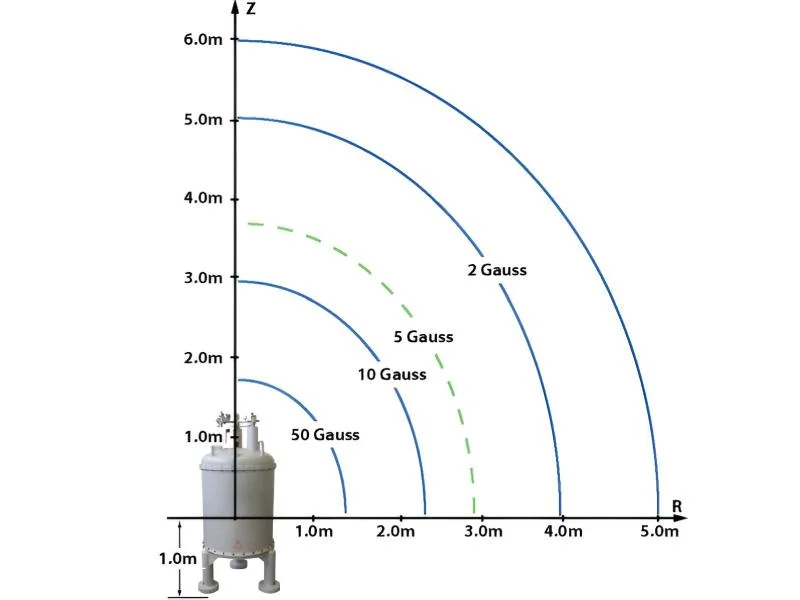
- Compatibility with high-field NMR magnets including superconducting types
- Standardized reference using tetramethylsilane compounds
- Comprehensive accounting of electron density and electronegativity factors
- Robust performance across temperature variations and solvent environments

Benefits:
- Enhanced molecular structure determination accuracy for research applications
- Reliable chemical environment analysis across diverse industrial applications
- Reduced operational downtime through consistent shielding performance
- Flexible integration with various NMR system configurations and magnet types
- Long-term cost efficiency through durable construction and minimal maintenance
Specifications
| Key Attributes | |
|---|---|
| Phenomenon | Magnetic shielding / deshielding of nuclei |
| Measured As | Chemical shift |
| Unit | Parts per million (ppm) |
| Reference Compound | Tetramethylsilane (TMS) |
| Influencing Factors | Electron density, electronegativity, molecular geometry, π-electron systems |
| Effect Type | Shielding (upfield) / Deshielding (downfield) |
| Shielding Tensor | Isotropic or anisotropic Instrument Requirement High-field NMR magnet (superconducting or permanent) |
| Spectral Resolution | Depends on magnet strength and homogeneity |
| Sensitivity | Enhanced with stronger magnets and cryoprobes |
| Temperature Dependence | Chemical shifts can vary with temperature |
| Solvent Effect | Solvent polarity and hydrogen bonding can influence shielding |
| Coupling Interactions | Spin–spin coupling influenced by shielding |
| Application | Molecular structure determination, chemical environment analysis |
| Industry Use | Pharmaceuticals, Biotechnology, Petrochemicals, Polymers, Food, Research |
| Additional Information | |
|---|---|
| Country of Origin | India |
Application
NMR magnetic shielding technology enables precise chemical environment analysis through controlled electron density effects, measuring resonance frequency variations in parts per million. This fundamental phenomenon provides accurate molecular structure determination for research and industrial applications, using standardized reference compounds like tetramethylsilane for consistent, comparable results across different laboratory settings and analytical requirements.
Our advanced shielding systems integrate seamlessly with high-field NMR magnets, including both superconducting and permanent magnet configurations, ensuring optimal performance across diverse operating conditions. The technology accounts for critical influencing factors such as electronegativity, molecular geometry, and π-electron systems while maintaining consistent accuracy despite temperature variations and solvent effects, making these solutions indispensable for quality control and development processes.
- Pharmaceutical drug development and purity verification through precise chemical shift analysis
- Biotechnology research for protein structure characterization and biomolecular studies
- Petrochemical hydrocarbon analysis and fuel composition verification
- Polymer industry material testing and resin structural analysis
- Food quality control and natural product identification through metabolite profiling
Trade Details
| Available Stock | In Stock |
| Sample Availability | No |
Payment Terms
| Payment Terms |
|
Company Profile

Quantum Heat Treaters India Pvt. Ltd., Tamil Nadu
 Tamil Nadu, India
Tamil Nadu, India20 yrs
Manufacturer•Distributor / Wholesaler•Retailer
Turn Over
₹25 Lakhs – ₹1 Crore
Factory Details
Factory Size1000-5000 sqm
Main Markets
Eastern Asia
South Asia
Southeast Asia
NMR Magnetic Shielding Solutions For Chemical Shift Analysis In PPM
NMR magnetic shielding solutions provide precise chemical shift analysis in ppm for molecular structure determination. These high-performance systems deliver reliable chemical environment analysis for pharmaceuticals, biotechnology, and materials research applications with accurate measurements.
Min. Order Quantity: 1 piece
Shipping
Shipping fee and delivery date to be negotiated. Contact supplier now for more details.
Quantum Heat Treaters India Pvt. Ltd.
 Tamil Nadu, India
Tamil Nadu, IndiaManufacturer